
 Ver en contexto
 Enviar
 Compartir
 Detalles
 Guía
Guía

 Descargar
 Similares
 Radiografía
 Presentación de diapositivas
 Preguntas y respuestas
 Estadísticas
Jacob Houseman


 Ver más
Giclée / Impresión de arte
Impresiones giclée o en lienzo de calidad de museo con producción rápida y opciones de acabado flexibles. ( Comprar pintura hecha a mano Cambiar a imagen digital)




P118B €10

P118H €10

P118W €10

P438Z €10

P508JH €12

P508YH €12

P805H €10

P805Z €10

P919BZ €10

P919G €10

P919XJ €10

P959ZH €10

P968JZ €12

W106C €8

W218G €10

W218JH €8

W218Y €10

W307PJ €10

W316G €10

W316PJ €8

W316Y €10

W398PJ €8

W4111J €10

W500HY €15

W500JH €15

W692G €12

W849H €8

W940BG €15

W953PJ €8




Elija entre nuestros tamaños predefinidos que respetan las proporciones originales de la obra.

Introduzca el ancho y el alto que necesite para adaptarse a su marco o pared. Una impresión solo puede recortarse, nunca hacerse más grande que la imagen original, por lo que un tamaño con una forma distinta perderá parte de la obra. Le enviaremos una maqueta digital para su aprobación antes de realizar cualquier impresión. La imagen que se muestra en esta página no refleja el recorte real; solo la maqueta lo hace.
Envío a todo el mundo () en 2 semanas en lugar de las 4/5 semanas estándar. (11 noviembre)

Envío exprés gratuito a todo el mundo

Lienzo de lino de alta calidad

Seguro de envío total

Garantía de reembolso de aranceles aduaneros

Garantía de fidelidad cromática exacta

Política de devolución de 100 días (solo por defectos)

Garantía de devolución del 100% del dinero

Descuento por cantidad
 La opción de vidrio solo está disponible en tamaños inferiores a 110 cm.

Jacob Houseman
Giclée / Impresión de arte
Dimensiones de la reproducción
-


Precio total final
€ 72
Jacob Houseman (1809) – A Portrait Steeped in Dignity and Detail
John Wesley Jarvis’s “Jacob Houseman” stands as a testament to the artistic fervor of early 19th century America, capturing not merely an individual likeness but also a profound sense of character. Executed in 1809, this oil painting on wood panel exemplifies the neoclassical style prevalent during its time—a deliberate rejection of Rococo frivolity and an embrace of classical ideals of beauty and proportion. Jarvis skillfully employed meticulous observation and masterful brushwork to convey a portrait that transcends mere representation, delving into the psychological complexities of his subject.- Subject Matter: The painting depicts Jacob Houseman, a prominent figure in Philadelphia society—a banker and philanthropist known for his contributions to civic life. Jarvis’s aim wasn't simply to record Houseman’s physical appearance; he sought to portray the man’s inner spirit, conveying an aura of seriousness and contemplative reflection.
- Style & Technique: Jarvis adhered to the conventions of neoclassical portraiture, prioritizing clarity of form and subdued color palettes. He utilized glazing techniques—applying thin layers of translucent paint over underlying colors—to achieve remarkable luminosity and depth. The artist’s attention to detail is evident in the rendering of Houseman's clothing—a dark coat adorned with intricate embroidery—and the subtle modeling of his facial features, capturing nuances of expression that reveal a thoughtful gaze.
- Historical Context: Jarvis’s work emerged during a period of significant artistic innovation and intellectual debate within the United States. The influence of European artists like Ingres and David was palpable, shaping aesthetic sensibilities and promoting ideals of republican virtue. “Jacob Houseman” reflects this broader cultural landscape, embodying the aspirations for dignified representation and moral seriousness characteristic of the era.
- Symbolism: While overtly symbolic elements are absent, Jarvis’s composition—centered on Houseman seated in a chair—suggests stability and repose. The careful positioning of the figure contributes to an overall impression of composure and intellectual contemplation. Jarvis's masterful handling of light and shadow enhances this sense of solemnity, emphasizing the subject’s inner life against a neutral backdrop.
- Emotional Impact: “Jacob Houseman” succeeds in conveying a powerful emotional resonance—a quiet dignity that speaks to the enduring values of intellectuality and civic responsibility. The painting invites viewers to contemplate the complexities of human character and to appreciate the beauty of understated elegance. It remains an evocative reminder of a bygone era, capturing the spirit of its time with remarkable precision and sensitivity.
Preguntas y respuestas
¿Cuál es el color predominante en "Jacob Houseman" de John Wesley Jarvis?
El color dominante de "Jacob Houseman" de John Wesley Jarvis es Phthalo Green (#1f1f18).
¿Para qué se recomienda una reproducción de "Jacob Houseman" de John Wesley Jarvis?
El uso sugerido para "Jacob Houseman" de John Wesley Jarvis es Accent. También puede utilizarse con otros fines.
¿Qué tipo de obra es "Jacob Houseman" de John Wesley Jarvis?
En el catálogo, "Jacob Houseman" de John Wesley Jarvis está clasificado como WallArt. Esta categoría permite localizar obras similares.
Biografía del artista
John Wesley Jarvis: Una Vida Dedicada al Retrato
- Nacido: South Shields, Reino Unido (1781)
- Fallecido: 1839
John Wesley Jarvis fue un destacado pintor de retratos estadounidense del siglo XIX. Nacido en Inglaterra e inmigrando más tarde a Filadelfia con su familia, Jarvis desarrolló una carrera significativa marcada tanto por el talento artístico como por una personalidad extravagante. Es particularmente conocido por sus retratos de figuras destacadas de la era de la Guerra de 1812 y sus extensos viajes por los Estados Unidos en busca de encargos.
Primeros Años y Formación Artística
La ascendencia de Jarvis lo conectaba con el movimiento metodista, siendo pariente de John Wesley. Su primera formación artística comenzó en Filadelfia, donde frecuentó el estudio de Matthew Pratt, un bien establecido pintor colonial. También se encontró con Christian Gullager, un artista danés que trabajaba en la zona. Un período crucial en su desarrollo fue su aprendizaje con Edward Savage, un grabador y artista inglés. Durante este tiempo, también trabajó con David Edwin, perfeccionando aún más sus habilidades en grabado. En 1801, Jarvis se trasladó a Nueva York junto con Savage, marcando el comienzo de su carrera independiente como grabador.
Asociación con Joseph Wood y Desarrollo del Estilo
En 1803, Jarvis formó una asociación con Joseph Wood que duró siete años. Esta colaboración demostró ser fundamental para expandir su repertorio artístico. Juntos, produjeron grabados, miniaturas y retratos a mayor escala. La habilidad de Jarvis en la pintura de miniaturas fue cultivada por Edward Malbone, y durante este período, comenzó a explorar la pintura al óleo también. La asociación también implicó operar una escuela de dibujo y crear retratos de silueta asequibles, lo que demostraba la versatilidad e iniciativa empresarial de Jarvis. Su creciente popularidad en Nueva York se vio acompañada de un estilo de vida cada vez más excéntrico que posteriormente influiría en las percepciones de su obra.
Viajes, Encargos y Retratos Destacados
La carrera de Jarvis implicó extensos viajes por los Estados Unidos. Visitó Baltimore, Charleston y Nueva Orleans, donde pintó retratos de individuos prominentes, incluido el General Andrew Jackson. Su capacidad para asegurar encargos de alto perfil fue un testimonio de su habilidad y reputación. Algunos retratos notables incluyen:
- Samuel Chase
- John Jacob Astor
- John Armstrong
- John Randolph
- Mrs. William Thomas
- Retrato de Rachel Van der Beek
- Autorretrato de John Wesley Jarvis
- Mrs. Robert Dickey (Anne Brown)
También empleó asistentes como Thomas Sully y Henry Inman en varios momentos de su carrera, contribuyendo aún más al panorama artístico de la época.
Últimos Años, Desafíos y Legado
La vida personal de Jarvis estuvo marcada tanto por el éxito como por la adversidad. Se casó con Betsy Burtis, pero ella murió cuatro años después, dejándolo con dos hijos. Más adelante, enfrentó desafíos que incluyeron una demanda judicial de su antiguo aprendiz John Quidor y la pérdida de la custodia de sus hijos en una batalla legal. Un derrame cerebral debilitante en 1834 mientras estaba en Nueva Orleans afectó significativamente su salud y sus habilidades artísticas. Pasó sus últimos años en Nueva York, cuidado por su hermana, y murió en la pobreza. A pesar de estas dificultades, Jarvis dejó atrás un cuerpo significativo de trabajo que proporciona información valiosa sobre el panorama social y cultural de la América del siglo XIX. Sus retratos se encuentran en colecciones como la Sociedad Histórica de Nueva York y el Museo Metropolitano de Arte.

John Wesley Jarvis
1781 - 1839 , Reino Unido
Datos clave
- Artistas Que Influyeron:
- Matthew Pratt
- Edward Savage
- Edward Malbone
- Fecha De Fallecimiento: 1839
- Fecha De Nacimiento: 1781
- Influenciado Por:
- Thomas Sully
- Henry Inman
- Lugar De Nacimiento: South Shields, Reino Unido
- Movimiento Artístico: Neoclasicismo/Romanticismo
- Nacionalidad: Americano
- Nombre Completo: John Wesley Jarvis
- Obras Notables:
- Samuel Chase
- John Jacob Astor
- John Randolph
- Mrs. William Thomas
- Rachel Van der Beek
Artículos relacionados
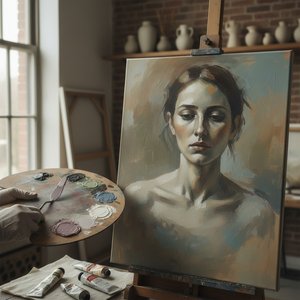
The Subdued Palette: Emotional Resonance & Aesthetic Impact of Muted Tones in Art
Explore the captivating world of muted tones in art! Discover Tonalism's history, Whistler’s influence & how subtle color palettes evoke emotion. Find serene landscapes and expert advice for integrating these timeless pieces into your home with OriginalUniqueArt.

Influencia Cromática: El Impacto Psicológico de las Paletas de Colores en el Estado de Ánimo, la Productividad y la Atmósfera
Descubre cómo la psicología del color influye en el estado de ánimo y la productividad. Guía experta para diseñadores hoteleros sobre paletas cromáticas efectivas y creación de atmósferas impactantes. ¡Optimiza tus espacios con conocimiento!

The Subdued Palette: Exploring Emotional Resonance & Aesthetic Impact in Muted Artworks
Explore the power of muted colors in art! Discover the history, psychology & techniques behind serene palettes. Find inspiration & expert advice for creating emotionally resonant spaces with OriginalUniqueArt.
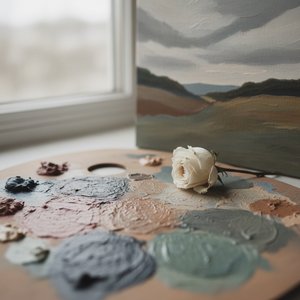
The Subdued Resonance: Exploring Emotional Depth & Artistic Nuance within Muted Color Palettes
Explore the captivating world of muted colors in art & design! Discover historical context, psychological effects, techniques, and inspiration for creating serene spaces. Elevate your aesthetic with OriginalUniqueArt.
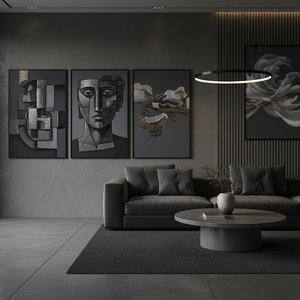
Pinturas Famosas en Tonos Grises Oscuros: Maestría y Elegancia para tu Hogar
Descubre 10 pinturas famosas dominadas por tonos grises oscuros. Explora la historia, el arte y las emociones detrás de obras maestras del impresionismo, expresionismo y más. Encuentra reproducciones de alta calidad en .

