
 Vista previa
 Compartir
 Compartir
 Ver detalles

 Descargar
 Ver similares
 Radiografía
 Presentación de diapositivas
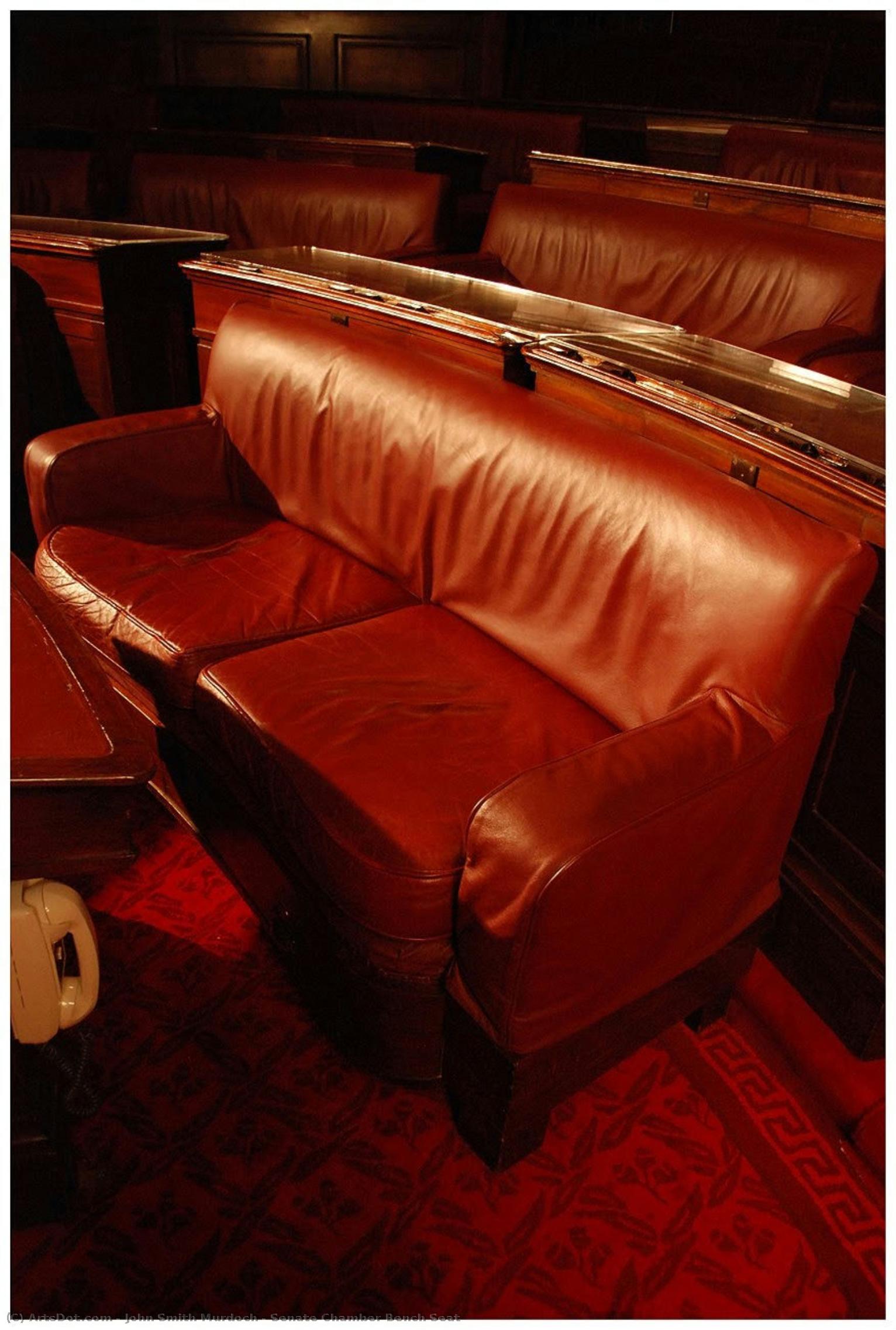
Senate Chamber Bench Seat

 Leer más
Reproducción al óleo hecha a mano
Óleo sobre lienzo pintado a mano en el tamaño y marco de su elección, realizado por encargo por nuestros artistas. ( Pedir impresión Comprar descarga)




































Elija entre nuestros tamaños predefinidos que respetan las proporciones originales de la obra.

Puede ingresar sus propias dimensiones para adaptarse a un marco o espacio específico. Si el tamaño seleccionado no coincide con las proporciones de la imagen original, recortaremos la obra o extenderemos la pintura con elementos adicionales pintados a mano. Se le enviará una maqueta digital para su aprobación antes de comenzar la producción.
Tenga en cuenta que la vista previa en pantalla no refleja el recorte o la extensión reales. Solo la maqueta mostrará con precisión la composición final.
Si bien existen tamaños personalizados, recomendamos seleccionar una dimensión de la lista predefinida para preservar las proporciones originales.
Tras realizar el pedido, el equipo de OriginalUniqueArt.com enviará un correo electrónico al cliente para solicitar instrucciones y proporcionarle una vista previa del boceto.
Envío a todo el mundo () en 3-4 semanas en lugar de las 5 semanas estándar. (18 agosto). Sin comprometer la calidad.

Envío exprés gratuito a todo el mundo

Lienzo de lino de alta calidad

Seguro de envío completo

Garantía de reembolso de aranceles aduaneros

Garantía de fidelidad cromática exacta

Política de devolución de 60 días (solo por defectos)

Garantía de devolución del 100% del dinero

Oferta por volumen
 La opción de vidrio solo está disponible en tamaños inferiores a 110 cm.

Senate Chamber Bench Seat
Técnica de reproducción
Tamaño de la reproducción
-


Precio total
$ 300
Descripción de la obra
Biografía del artista
John Smith Murdoch: Architect of Canberra and Pioneer of Australian Design
John Smith Murdoch (1862 – 1945) stands as a pivotal figure in the architectural history of Australia, recognized primarily for his leadership role at the Commonwealth Public Works Department and, crucially, for designing Canberra’s Parliament House—a building that embodies the nation's ideals of democracy and civic grandeur. Born in Scotland, Murdoch’s formative years instilled within him a profound appreciation for classical design principles and meticulous craftsmanship, influences that would permeate his entire career.Early Life and Education
Murdoch’s upbringing fostered an intellectual curiosity and a dedication to formal education. He pursued studies at Glasgow University, specializing in architecture, equipping him with the foundational knowledge necessary to excel in his chosen profession. His early involvement with the Glasgow School of Art as a janitor provided invaluable experience within the burgeoning field of design—a connection that would prove enduring throughout his life. This position wasn’t merely custodial; it allowed Murdoch to observe firsthand the evolving landscape of architectural innovation and the importance of public service.Career at the Commonwealth Public Works Department
Murdoch's ascent began in 1904 when he was appointed Chief Architect for the newly established Commonwealth Public Works Department, marking a significant moment in Australian governance and artistic expression. Under his stewardship, the department undertook ambitious projects aimed at shaping the nation’s capital city—Canberra—a deliberate effort to distance Australia from its colonial past and establish a modern center of government. He championed innovative approaches to building design, prioritizing functionality alongside aesthetic beauty, reflecting the broader ethos of the Edwardian era.The Canberra Parliament House Project
Murdoch's legacy rests most prominently upon his role in conceiving and overseeing the construction of Canberra’s Parliament House—a project that commenced in 1913 and culminated in its inauguration in 1927. Collaborating closely with Walter Burley Griffin, Murdoch skillfully blended Griffin’s visionary organic design sensibilities with classical architectural forms, resulting in a building that remains an emblem of Australian identity. The Parliament House embodies the spirit of compromise—a testament to Murdoch's diplomatic skills and his commitment to forging unity amidst diverse perspectives—and continues to serve as a symbol of Australia’s democratic values.Influences and Artistic Style
Murdoch’s architectural style was deeply rooted in Beaux Arts principles, drawing inspiration from European precedents such as the École des Beaux-Arts in Paris. He favored symmetrical layouts, monumental scale, and elaborate ornamentation—techniques that conveyed authority and grandeur while adhering to established aesthetic standards. Furthermore, Murdoch's meticulous attention to detail—evident in the building’s stonework, glazing, and sculptural elements—demonstrated a dedication to craftsmanship and a belief in the transformative power of art.Legacy and Significance
John Smith Murdoch’s contribution to Australian architecture transcends mere construction; it represents a conscious effort to define national identity through artistic expression. His leadership at the Commonwealth Public Works Department fostered a generation of architects committed to shaping Australia's future—a legacy that persists today in Canberra’s enduring architectural splendor. Murdoch’s unwavering belief in classical ideals and his collaborative spirit cemented his place as one of Australia’s most influential figures, ensuring that his vision continues to inspire designers and shape the nation’s cultural heritage.
john smith murdoch
1862 - 1945 , Scotland
Datos clave
- Artistic Movement Or Style: Architecture
- Artists Or Movements Influenced By This Artist: ['']
- Artists Who Influenced This Artist: ['']
- Date Of Birth: 1862
- Date Of Death: 1945
- Full Name: John Smith Murdoch
- Nationality: Scottish
- Notable Artworks: ['Canberra Parliament House']
- Place Of Birth: Scotland

