
 Ver en contexto
 Enviar
 Compartir
 Detalles
 Guía
Guía

 Descargar
 Similares
 Radiografía
 Presentación de diapositivas
 Q&A
Q&A Estadísticas
Mrs.George Watson (Elizabeth Oliver)

- 101.0 x 126.0 cm


 Ver más
Giclée / Impresión de arte
Impresiones giclée o en lienzo de calidad de museo con producción rápida y opciones de acabado flexibles. ( Comprar pintura hecha a mano Cambiar a imagen digital)




P118B €10

P118H €10

P118W €10

P438Z €10

P508JH €12

P508YH €12

P805H €10

P805Z €10

P919BZ €10

P919G €10

P919XJ €10

P959ZH €10

P968JZ €12

W106C €8

W218G €10

W218JH €8

W218Y €10

W307PJ €10

W316G €10

W316PJ €8

W316Y €10

W398PJ €8

W4111J €10

W500HY €15

W500JH €15

W692G €12

W849H €8

W940BG €15

W953PJ €8




Elija entre nuestros tamaños predefinidos que respetan las proporciones originales de la obra.

Introduzca el ancho y el alto que necesite para adaptarse a su marco o pared. Una impresión solo puede recortarse, nunca hacerse más grande que la imagen original, por lo que un tamaño con una forma distinta perderá parte de la obra. Le enviaremos una maqueta digital para su aprobación antes de realizar cualquier impresión. La imagen que se muestra en esta página no refleja el recorte real; solo la maqueta lo hace.
Envío a todo el mundo () en 2 semanas en lugar de las 4/5 semanas estándar. (1 noviembre)

Envío exprés gratuito a todo el mundo

Lienzo de lino de alta calidad

Seguro de envío total

Garantía de reembolso de aranceles aduaneros

Garantía de fidelidad cromática exacta

Política de devolución de 100 días (solo por defectos)

Garantía de devolución del 100% del dinero

Descuento por cantidad
 La opción de vidrio solo está disponible en tamaños inferiores a 110 cm.

Mrs.George Watson (Elizabeth Oliver)
Giclée / Impresión de arte
Dimensiones de la reproducción
-


Precio total final
€ 71
Mrs. George Watson (Elizabeth Oliver): A Neo-Classical Portrait of Refined Grace
John Singleton Copley’s “Mrs. George Watson (Elizabeth Oliver),” completed in 1765, stands as a cornerstone of American Neoclassical portraiture – a testament to the burgeoning artistic identity taking shape across the Atlantic. This exquisite painting, measuring 101 x 126 cm and executed in oil on canvas, transcends mere representation; it’s an immersive experience of elegance, poised serenity, and the subtle complexities of early 18th-century society. Copley, a Boston native born in 1738, was a true innovator, bridging the gap between European artistic traditions and the developing sensibilities of his American contemporaries. His meticulous attention to detail – evident in the delicate folds of Elizabeth Oliver’s pink silk gown adorned with white lace, the realistic rendering of her flowers, and the carefully considered composition – speaks volumes about his dedication to capturing not just a likeness, but the very soul of his subject.
Neo-Classicism: Echoes of Antiquity
Copley’s work is firmly rooted in the principles of Neo-Classicism, a style that swept through Europe and America during this period. Inspired by the art and architecture of ancient Greece and Rome, Neo-Classicism championed order, balance, and moral virtue. Notice how Copley employs clean lines, symmetrical proportions, and a restrained palette to evoke a sense of timeless beauty and intellectual seriousness. The composition itself – Elizabeth Oliver standing beside a wall, a symbol of domesticity and societal status – aligns perfectly with the movement’s emphasis on idealized forms and rational thought. This wasn't simply about depicting a fashionable woman; it was about presenting an image of refined virtue, reflecting the values prized within the upper echelons of colonial society.
Technique and Detail: Copley’s Masterful Brushwork
Copley's technical skill is immediately apparent in the painting’s remarkable detail. He employed a technique known as “impasto,” applying thick layers of paint to create texture and depth, particularly noticeable in the fabric of Elizabeth Oliver’s dress. The subtle gradations of light and shadow – achieved through careful observation and masterful brushwork – lend a luminous quality to the portrait, enhancing the subject's beauty and creating an illusion of three-dimensionality. The artist’s ability to capture the sheen of silk, the delicate petals of the flowers, and the soft texture of Elizabeth Oliver’s skin demonstrates his profound understanding of materials and their effects under light.
Symbolism and Context: A Window into 1765 Boston
Beyond its aesthetic qualities, “Mrs. George Watson” offers a fascinating glimpse into the social and cultural landscape of 1765 Boston. Elizabeth Oliver’s attire – the pink silk gown, the white lace, the flowers – were all indicators of wealth and status within colonial society. The setting itself, a simple wall, suggests a domestic scene, emphasizing her role as a wife and homemaker. Copley's portrait was commissioned by George Watson, reflecting the importance of social connections and familial alliances in this era. The painting’s eventual acquisition by the Smithsonian American Art Museum underscores its significance not just as an artistic masterpiece, but also as a valuable historical document.
Own a Piece of History: High-Quality Reproductions Available
Experience the timeless beauty and artistry of “Mrs. George Watson (Elizabeth Oliver)” with a meticulously crafted hand-painted reproduction from OriginalUniqueArt.com. Our reproductions are created using traditional techniques, ensuring exceptional detail and color accuracy, faithfully capturing Copley’s original vision. Perfect for adorning your home or office, this artwork is more than just decoration; it's an investment in art history.
Preguntas y respuestas
¿Cómo puedo ver una vista previa de una reproducción de "Mrs.George Watson (Elizabeth Oliver)" de John Singleton Copley?
Para previsualizar una reproducción de "Mrs.George Watson (Elizabeth Oliver)" de John Singleton Copley, acceda a la página de Vista previa de la obra de la obra.
¿Qué armonía cromática presenta "Mrs.George Watson (Elizabeth Oliver)" de John Singleton Copley?
Los colores de "Mrs.George Watson (Elizabeth Oliver)" de John Singleton Copley presentan una armonía Softly Mixed Palette. La armonía describe la relación entre los colores.
¿En qué etapa de la trayectoria de John Singleton Copley se sitúa "Mrs.George Watson (Elizabeth Oliver)", dada su fecha?
Dada su fecha de 1765, "Mrs.George Watson (Elizabeth Oliver)" se sitúa en el Mature Period de John Singleton Copley.
Biografía del artista
Un Pionero de la Pintura Angloamericana (1738-1815)
John Singleton Copley, un renombrado pintor angloamericano, dejó una huella imborrable en el mundo del arte con sus cautivadores retratos y paisajes. Nacido en Boston, Massachusetts, para Richard y Mary Singleton Copley, ambos de ascendencia angloirlandesa, el viaje artístico de John es un testimonio de su talento innato y dedicación.Vida Temprana y Formación
Aunque hay información limitada sobre la educación formal de John, se cree que fue en gran medida autodidacta, con una inclinación hacia el arte desde temprana edad. Su padrastro, Peter Pelham, un grabador y pintor, pudo haberle brindado alguna orientación, pero la mayor parte de su desarrollo artístico puede atribuirse a su propia perseverancia.Contribuciones Artísticas
El trabajo de John Singleton Copley se caracteriza por:- Retratismo: Sus retratos de figuras influyentes en Nueva Inglaterra colonial son notables por su atención al detalle y la incorporación de artefactos que reflejan las vidas de los sujetos.
- Estilo Innovador: La tendencia de Copley a representar a sujetos de clase media con un enfoque en sus vidas cotidianas fue una desviación del retrato tradicional de su época.
- Amplio Rango Artístico: Desde autorretratos hasta escenas históricas, la obra de John muestra su versatilidad y habilidad para capturar una amplia gama de temas.
Obras Notables y su Significado
Algunas de las obras más notables de John Singleton Copley incluyen:- El colapso del Conde de Chatham en la Cámara de los Lores (Galería Tate (Londres, Reino Unido), óleo sobre lienzo), una representación conmovedora de un momento crucial en la historia británica.
- Sr. y Sra. Ralph Izard (Alice Delancey) (Museo de Bellas Artes (Boston, Estados Unidos), óleo sobre lienzo), un retrato ejemplar que muestra la atención al detalle de John y su capacidad para capturar la esencia de sus sujetos.
- Watson y el Tiburón (Óleo sobre lienzo), una obra dramática que representa un rescate audaz.
Legado e Influencia
El impacto de John Singleton Copley en el mundo del arte es innegable. Su enfoque innovador al retrato y sus contribuciones a la pintura angloamericana han influenciado a generaciones de artistas. Para una comprensión más profunda del trabajo de John y su significado, visite la página de John Singleton Copley en OriginalUniqueArt, que presenta una extensa colección de sus obras de arte.Lecturas Adicionales
Para obtener más información sobre la historia de la pintura y su evolución, consulte Wikipedia's historia de la pintura. Para explorar la vasta colección de OriginalUniqueArt, que incluye obras de varios períodos y estilos, navegue por Burghley House (Stamford, Estados Unidos) - Un tesoro oculto del arte americano y Descubriendo las obras de arte del St Hilda's College, Oxford, Reino Unido.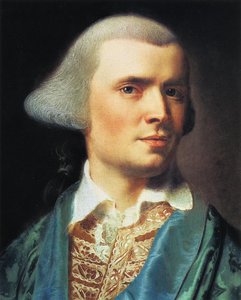
John Singleton Copley
1738 - 1815 , Reino Unido
Datos clave
- Artistas Influyentes: ['Joseph Blackburn']
- Estilo Artístico: Retrato, historicismo
- Fecha De Muerte: 9 de septiembre de 1815
- Fecha De Nacimiento: 3 de julio de 1738
- Influencia En Artistas: Generaciones de artistas
- Lugar De Nacimiento: Boston, Reino Unido
- Nacionalidad: Anglo-americano
- Nombre Completo: John Singleton Copley
- Obras Notables:
- El colapso del Conde de Chatham
- Sr. y Sra. Ralph Izard
- Watson y el tiburón
Artículos relacionados
Los 10 Cuadros Más Famosos en Tonos Rosa Pastel: Arte y Decoración
Descubre los 10 cuadros más icónicos en tonos rosa pastel. Explora la historia de Monet, Renoir y otros maestros del impresionismo y el arte moderno. Encuentra reproducciones de alta calidad para decorar tu hogar con .
Resonancia Atemporal: Explorando el Vibe Clásico en el Arte – Un Análisis Histórico y Estético
Explora la atemporal belleza del arte clásico y neoclásico con nuestro análisis histórico y estético. Descubre cómo integrar estos estilos en tu hogar con OriginalUniqueArt.com.

Neo-Classicism Reimagined: The Bold Return of Order, Power, and Timeless Aesthetic Authority
Explore the resurgence of Neo-Classicism. Discover how the bold return of order, symmetry, and mythic power is redefining modern luxury interiors through museum-quality, hand-painted reproductions and bespoke classical commissions for the discerning art collector.
El Legado Perenne del Clasicismo: Principios Fundamentales, Evolución e Influencia en el Arte Occidental
Descubre la historia del arte clásico occidental: desde sus orígenes en Grecia y Roma hasta su influencia en el Renacimiento y las corrientes contemporáneas. Análisis experto, artistas clave y obras maestras imperdibles.
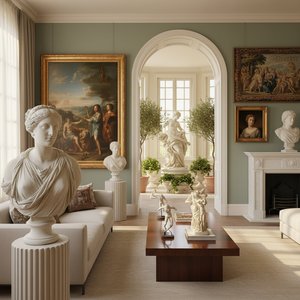
Los 10 Maestros del Neoclasicismo: Obras que Definieron una Era |
Descubre los 10 imprescindibles del Neoclasicismo con . Obras de David, Ingres y Canova que marcaron una era. Historia, técnica y significado de cada pieza. Encuentra reproducciones de arte de museo en


