
 Ver en contexto
 Enviar
 Compartir
 Detalles
 Guía
Guía

 Descargar
 Similares
 Radiografía
 Presentación de diapositivas
 Preguntas y respuestas
 Estadísticas
Trevi Fountain

- 35.0 x 50.0 cm


 Ver más
Giclée / Impresión de arte
Impresiones giclée o en lienzo de calidad de museo con producción rápida y opciones de acabado flexibles. ( Comprar pintura hecha a mano Cambiar a imagen digital)




P118B €10

P118H €10

P118W €10

P438Z €10

P508JH €12

P508YH €12

P805H €10

P805Z €10

P919BZ €10

P919G €10

P919XJ €10

P959ZH €10

P968JZ €12

W106C €8

W218G €10

W218JH €8

W218Y €10

W307PJ €10

W316G €10

W316PJ €8

W316Y €10

W398PJ €8

W4111J €10

W500HY €15

W500JH €15

W692G €12

W849H €8

W940BG €15

W953PJ €8




Elija entre nuestros tamaños predefinidos que respetan las proporciones originales de la obra.

Introduzca el ancho y el alto que necesite para adaptarse a su marco o pared. Una impresión solo puede recortarse, nunca hacerse más grande que la imagen original, por lo que un tamaño con una forma distinta perderá parte de la obra. Le enviaremos una maqueta digital para su aprobación antes de realizar cualquier impresión. La imagen que se muestra en esta página no refleja el recorte real; solo la maqueta lo hace.
Envío a todo el mundo () en 2 semanas en lugar de las 4/5 semanas estándar. (3 noviembre)

Envío exprés gratuito a todo el mundo

Lienzo de lino de alta calidad

Seguro de envío total

Garantía de reembolso de aranceles aduaneros

Garantía de fidelidad cromática exacta

Política de devolución de 100 días (solo por defectos)

Garantía de devolución del 100% del dinero

Descuento por cantidad
 La opción de vidrio solo está disponible en tamaños inferiores a 110 cm.

Trevi Fountain
Giclée / Impresión de arte
Dimensiones de la reproducción
-


Precio total final
€ 72
A Vision of Roman Grandeur
In this evocative depiction of the Trevi Fountain, we are transported to the heart of Rome during a pivotal moment in the nineteenth century. The painting captures the monumental Baroque masterpiece not merely as a static architectural feat, but as a living, breathing entity. Through John Ruskin’s observant eye, the fountain emerges from its stone surroundings with a sense of profound vitality. The composition is anchored by the majestic presence of Neptune and his companions, their sculpted forms rising triumphantly above the cascading waters. As light dances across the turbulent surfaces of the pools, the viewer is invited to witness the interplay between the permanence of classical sculpture and the fleeting, rhythmic motion of the gushing torrents. This work serves as a window into an era where the grandeur of antiquity met the romantic sensibilities of the Victorian age.
The artist’s technique breathes life into the very elements of water and stone. There is a remarkable fluidity in the way the spray is rendered, creating a sense of mist and movement that seems to drift off the canvas. The inclusion of scattered birds adds a layer of spontaneous naturalism, breaking the formal rigidity of the architecture with traces of life and motion. For the discerning collector or interior designer, this piece offers a sophisticated balance of structural strength and ethereal lightness. The way the light catches the ripples in the water suggests a depth that draws the eye inward, making it an ideal focal point for a room that seeks to evoke elegance, tranquility, and a sense of historical discovery.
Historical Resonance and Emotional Depth
To understand this work is to understand the journey of its creator. Painted during a period of personal reflection and physical frailty, Ruskin’s encounter with the Trevi Fountain was marked by a complex emotional duality. While he famously harbored a preference for the intricate details of Gothic architecture over the sweeping drama of the Baroque, his sketches of Rome reveal an undeniable fascination with the power of the elements. In this painting, one can sense the artist's personal connection to the scene; he describes feeling lost among the mimicked rocks and deep pools, almost as if transported back to the familiar, rugged landscapes of his native Cumberland. This subtle infusion of personal nostalgia into a Roman landscape lends the artwork an intimate, soulful quality that transcends mere architectural documentation.
Beyond its aesthetic beauty, the painting carries a profound symbolic weight. The Trevi Fountain, with its themes of abundance and the mastery of water, represents the eternal cycle of nature and human ingenuity. The presence of Neptune, the god of the sea, serves as a reminder of the untamable forces of the world, even when harnessed within the confines of a city square. For those looking to adorn a space with art that inspires contemplation, this reproduction offers more than just decoration; it provides a narrative of resilience and beauty. It is a piece that invites the viewer to pause, to listen to the imagined roar of the water, and to find a moment of sublime peace amidst the complexities of modern life.
Preguntas y respuestas
¿Cuál es la técnica y la fecha de creación de "Trevi Fountain" de John Ruskin?
"Trevi Fountain" fue realizada en 1841, en Drawing.
¿Qué emoción transmite "Trevi Fountain" de John Ruskin?
El tono emocional registrado para "Trevi Fountain" de John Ruskin es Dramatic. Este resume el sentimiento que expresa la obra.
¿Es "Trevi Fountain" de John Ruskin una obra de tonos claros u oscuros?
"Trevi Fountain" presenta un brillo general de brilliant y una luminancia de Gentle Luminance.
Biografía del artista
Primeros años y educación
John Ruskin, un renombrado polímata inglés, nació el 8 de febrero de 1819 en Londres, Reino Unido. Su infancia estuvo marcada por las influencias contrastantes de su padre, John James Ruskin, y su madre, Margaret Cock. Esta dualidad se reflejaría más tarde en sus diversos intereses y estilos de escritura. La educación temprana de Ruskin tuvo lugar en casa, bajo la guía de sus padres y tutores privados. Posteriormente asistió al King's College de Londres, donde se preparó para la Universidad de Oxford. Este fundamento académico sentó las bases para sus futuros proyectos.Trayectoria artística y literaria
Los estilos de escritura y las formas literarias de John Ruskin fueron tan variados como sus intereses. Escribió ensayos, tratados, poesía, conferencias, guías de viaje e incluso un cuento de hadas. Sus detallados bocetos y pinturas de rocas, plantas, aves, paisajes y estructuras arquitectónicas demostraron su destreza artística. Su primera obra importante, *Modern Painters* (1843), defendió la obra de J.M.W. Turner, enfatizando la importancia de "la verdad a la naturaleza". Esto marcó el comienzo de su amplio reconocimiento e influencia en el arte y la literatura del siglo XIX.Obras destacadas y legado
- Dawn, Coniston (Abbot Hall Art Gallery, Kendal, Reino Unido) - una pintura a la acuarela que muestra la habilidad de Ruskin para capturar la belleza de la naturaleza.
- Fors Clavigera (1871-1884) - una serie de cartas a los trabajadores y jornaleros de Gran Bretaña, destacando sus preocupaciones sociales y políticas.
Influencias y desarrollo
Ruskin fue influenciado por una amplia gama de fuentes, incluyendo las obras de William Wordsworth, Thomas Carlyle y los escritos sobre la naturaleza y el arte medieval. Su temprano interés en la geología y la botánica se reflejó en sus detalladas observaciones de la naturaleza. A medida que maduró, su pensamiento evolucionó hacia una crítica social más profunda, abordando temas como la pobreza, la desigualdad y la relación entre el hombre y el medio ambiente. Ruskin desarrolló una filosofía estética basada en la honestidad, la sinceridad y la conexión con la naturaleza, rechazando la artificialidad y la superficialidad del arte moderno.Significado histórico
John Ruskin es considerado una figura clave del pensamiento victoriano. Su crítica al arte y a la sociedad influyó profundamente en artistas, arquitectos, reformadores sociales y educadores. Sus escritos sobre arquitectura gótica ayudaron a promover su conservación y estudio. Ruskin también fue un pionero en el campo de la ecología, anticipando muchas de las preocupaciones ambientales que son relevantes hoy en día. Su legado continúa inspirando a aquellos que buscan una comprensión más profunda del arte, la naturaleza y la sociedad.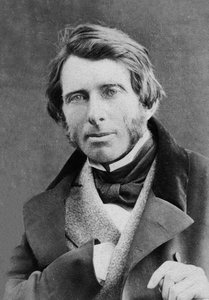
John Ruskin
1819 - 1900 , Reino Unido
Datos clave
- Artistas Que Influyeron: ['J.M.W. Turner']
- Fecha De Muerte: 1900
- Fecha De Nacimiento: 8 de febrero de 1819
- Influencia En Artistas: ['Sir John Everett Millais']
- Lugar De Nacimiento: Londres, Reino Unido
- Movimiento Artístico: Prerrafaelismo, Romanticismo
- Nacionalidad: Británico
- Nombre Completo: John Ruskin
- Obras Notables:
- Amanecer, Coniston
- Fors Clavigera
Artículos relacionados

John Ruskin: Art, Ethics & the Victorian Pursuit of Beauty
Explore the life & work of John Ruskin, Victorian polymath and influential art critic. Discover his aesthetic principles, social critiques, and lasting impact on art, architecture, and our understanding of beauty. Learn about the Pre-Raphaelites & more.

John Singer Sargent: Las 25 Obras Maestras del Retrato y la Belle Époque | OriginalUniqueArt
Descubre las 25 obras maestras de John Singer Sargent, el maestro del retrato y la Belle Époque. Explora su técnica impresionista, historias fascinantes y encuentra reproducciones de arte exclusivas para decorar tu hogar con elegancia en OriginalUniqueArt.com.

Las 25 mejores obras de John Constable: Un viaje al corazón del paisaje inglés
Descubre las 25 obras maestras de John Constable y su alma romántica. Explora la colección completa en OriginalUniqueArt.com.

The Dramatic Flourish: Exploring the Baroque Movement's Enduring Legacy in Art History
Explore the dramatic world of Baroque art! Discover iconic artists like Caravaggio & Rubens, defining techniques, and its lasting impact on art history. Expert insights for collectors & enthusiasts at OriginalUniqueArt.

Drama Barroca: Llevando la Grandeza y la Emoción a los Interiores Contemporáneos
Descubre cómo el drama y la grandeza del arte barroco pueden transformar tus interiores. Guía experta, inspiración y reproducciones de alta calidad en .
