

 Vista previa
 Compartir
 Compartir
 Ver detalles
 Guía
Guía

 Descargar
 Ver artículos similares
 Radiografía
 Presentación de diapositivas
 Estadísticas
St. Sauveur
 Drawing
- WallArt
 1848
1848- 19th Century
 46.0 x 27.0 cm
 Leer más
Giclée / Impresión de arte
Impresiones giclée o en lienzo de calidad de museo con producción rápida y opciones de acabado flexibles. ( Encargar reproducción pintada a mano Ver versión en imagen digital)




P118B €10

P118H €10

P118W €10

P438Z €10

P508JH €12

P508YH €12

P805H €10

P805Z €10

P919BZ €10

P919G €10

P919XJ €10

P959ZH €10

P968JZ €12

W106C €8

W218G €10

W218JH €8

W218Y €10

W307PJ €10

W316G €10

W316PJ €8

W316Y €10

W398PJ €8

W4111J €10

W500HY €15

W500JH €15

W692G €12

W849H €8

W940BG €15

W953PJ €8




Elija entre nuestros tamaños predefinidos que respetan las proporciones originales de la obra.

Introduzca el ancho y el alto que necesite para adaptarse a su marco o pared. Una impresión solo puede recortarse, nunca hacerse más grande que la imagen original, por lo que un tamaño con una forma distinta perderá parte de la obra. Le enviaremos una maqueta digital para su aprobación antes de realizar cualquier impresión. La imagen que se muestra en esta página no refleja el recorte real; solo la maqueta lo hace.
Envío a todo el mundo () en 2 semanas en lugar de las 4/5 semanas estándar. (24 octubre)

Envío exprés gratuito a todo el mundo

Lienzo de lino de alta calidad

Seguro de envío completo

Garantía de reembolso de impuestos aduaneros

Garantía de fidelidad cromática exacta

Política de devolución de 100 días (solo por defectos)

Garantía de devolución del 100% del dinero

Oferta por volumen
 La opción de vidrio solo está disponible en tamaños inferiores a 110 cm.

St. Sauveur
Giclée / Impresión de arte
Tamaño de la reproducción
-


Precio total
€ 70
A Moment Frozen in Graphite: The Vision of St. Sauveur
In the quiet, observant moments of 1848, amidst a journey through the heart of northern France, John Ruskin captured more than just architecture; he captured the very soul of Caen. As he sat by a window in an adjacent café, the world outside transformed into a delicate dance of light and shadow on paper. This exquisite black and white drawing of St. Sauveur serves as a profound testament to the artist's ability to translate the monumental weight of stone into the ethereal lightness of a sketch. The composition is a masterclass in architectural reverence, where every arch, column, and intricate carving is rendered with a precision that speaks to Ruskin’s legendary devotion to truth in art. There is a haunting beauty in how the structural elements emerge from the page, inviting the viewer to step into a bygone era of Victorian exploration and romantic discovery.
The technique employed in this study reveals the meticulous hand of a polymath who believed that seeing was an act of devotion. Through delicate linework and subtle tonal shifts, Ruskin breathes life into the facade of the church, creating a sense of depth that pulls the eye toward the ornate carvings and rhythmic columns. The presence of a solitary bird, perched subtly in the upper right corner, acts as a poetic counterpoint to the permanence of the stone, introducing a fleeting, organic element that softens the architectural rigor. This interplay between the enduring and the ephemeral is what makes the piece so captivating for the modern collector; it is not merely a technical study, but an emotional meditation on the passage of time and the preservation of beauty.
For the discerning interior designer or art enthusiast, a reproduction of St. Sauveur offers a sophisticated touch of historical elegance. The monochromatic palette allows this piece to integrate seamlessly into diverse decor styles, from the moody, academic atmosphere of a classic library to the clean, minimalist lines of a contemporary gallery space. It functions as a window into the nineteenth century, providing a focal point that sparks conversation and invites contemplation. Owning such a work is an opportunity to surround oneself with the intellectual legacy of one of Britain's greatest thinkers, bringing a sense of scholarly grace and timeless tranquility to any curated collection.
Preguntas y respuestas
¿Qué temas aparecen en "St. Sauveur" de John Ruskin?
Los temas de "St. Sauveur" son architecture, columns, arches, bird, carvings, black and white.
¿Puedo ver "St. Sauveur" de John Ruskin bajo diferentes luces?
"St. Sauveur" puede examinarse capa por capa en la página Rayos X de la obra, un visor inspirado en una mesa de luz de restauración que ofrece once lecturas ópticas de la imagen.
¿De qué tamaño es "St. Sauveur" de John Ruskin en la realidad?
Las dimensiones registradas de "St. Sauveur" de John Ruskin son 46 x 27 cm. Se pueden solicitar reproducciones en otros tamaños manteniendo las mismas proporciones.
Biografía del artista
Primeros años y educación
John Ruskin, un renombrado polímata inglés, nació el 8 de febrero de 1819 en Londres, Reino Unido. Su infancia estuvo marcada por las influencias contrastantes de su padre, John James Ruskin, y su madre, Margaret Cock. Esta dualidad se reflejaría más tarde en sus diversos intereses y estilos de escritura. La educación temprana de Ruskin tuvo lugar en casa, bajo la guía de sus padres y tutores privados. Posteriormente asistió al King's College de Londres, donde se preparó para la Universidad de Oxford. Este fundamento académico sentó las bases para sus futuros proyectos.Trayectoria artística y literaria
Los estilos de escritura y las formas literarias de John Ruskin fueron tan variados como sus intereses. Escribió ensayos, tratados, poesía, conferencias, guías de viaje e incluso un cuento de hadas. Sus detallados bocetos y pinturas de rocas, plantas, aves, paisajes y estructuras arquitectónicas demostraron su destreza artística. Su primera obra importante, *Modern Painters* (1843), defendió la obra de J.M.W. Turner, enfatizando la importancia de "la verdad a la naturaleza". Esto marcó el comienzo de su amplio reconocimiento e influencia en el arte y la literatura del siglo XIX.Obras destacadas y legado
- Dawn, Coniston (Abbot Hall Art Gallery, Kendal, Reino Unido) - una pintura a la acuarela que muestra la habilidad de Ruskin para capturar la belleza de la naturaleza.
- Fors Clavigera (1871-1884) - una serie de cartas a los trabajadores y jornaleros de Gran Bretaña, destacando sus preocupaciones sociales y políticas.
Influencias y desarrollo
Ruskin fue influenciado por una amplia gama de fuentes, incluyendo las obras de William Wordsworth, Thomas Carlyle y los escritos sobre la naturaleza y el arte medieval. Su temprano interés en la geología y la botánica se reflejó en sus detalladas observaciones de la naturaleza. A medida que maduró, su pensamiento evolucionó hacia una crítica social más profunda, abordando temas como la pobreza, la desigualdad y la relación entre el hombre y el medio ambiente. Ruskin desarrolló una filosofía estética basada en la honestidad, la sinceridad y la conexión con la naturaleza, rechazando la artificialidad y la superficialidad del arte moderno.Significado histórico
John Ruskin es considerado una figura clave del pensamiento victoriano. Su crítica al arte y a la sociedad influyó profundamente en artistas, arquitectos, reformadores sociales y educadores. Sus escritos sobre arquitectura gótica ayudaron a promover su conservación y estudio. Ruskin también fue un pionero en el campo de la ecología, anticipando muchas de las preocupaciones ambientales que son relevantes hoy en día. Su legado continúa inspirando a aquellos que buscan una comprensión más profunda del arte, la naturaleza y la sociedad.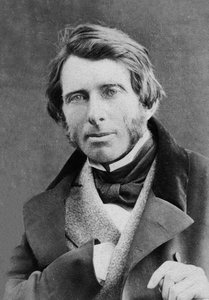
John Ruskin
1819 - 1900 , Reino Unido
Datos clave
- Artistas Que Influyeron: ['J.M.W. Turner']
- Fecha De Muerte: 1900
- Fecha De Nacimiento: 8 de febrero de 1819
- Influencia En Artistas: ['Sir John Everett Millais']
- Lugar De Nacimiento: Londres, Reino Unido
- Movimiento Artístico: Prerrafaelismo, Romanticismo
- Nacionalidad: Británico
- Nombre Completo: John Ruskin
- Obras Notables:
- Amanecer, Coniston
- Fors Clavigera
Artículos relacionados
The Eloquent Line: Exploring the Artistic Significance of Sketches Across Movements and Media
Explore the profound artistic significance of sketches throughout history. From Renaissance masters to modern innovators like Van Gogh & Guston, discover how these foundational works reveal technique, emotion, and vision. Learn more at OriginalUniqueArt.

Las 10 Pinturas Más Famosas Dominadas por el Negro | Arte y Decoración
Descubre las 10 pinturas más impactantes dominadas por el negro. Explora obras maestras de Rembrandt, Goya y Rothko, su historia y significado. Encuentra reproducciones de arte exclusivas para transformar tu hogar en .
Las 10 Obras Maestras Dominadas por el Negro Marsella: Arte y Decoración
Descubre las 10 pinturas más famosas dominadas por el negro marsella. Explora la historia, técnica y simbolismo de obras maestras del expresionismo alemán, gótico y arte moderno. Reproducciones de museos en .
Shadows & Splendor: A Journey Through the Soul of Gothic Art and Architectural Grandeur
Embark on a profound journey through the spiritual intensity of Gothic art. Explore the architectural marvels, luminous stained glass, and sacred sculptures that define this era of grandeur and human devotion.

Gothic Vibes: From Dark Shadows to Bold Modern Edge | The Ultimate Trend Forecast
Explore the evolution of Gothic vibes, from historical shadows to bold modern edge. Discover how dark aesthetics, noir interiors, and contemporary subcultures are redefining modern design through a high-impact, trend-focused lens.