Romanticism · 1845
Ca d (John Ruskin, 1845)
John Ruskin (1819–1900) creó Ca d. Data de 1845. Pertenece al movimiento Romanticism. Está realizado en Painting. Sus dimensiones son 33 × 47 cm.
- 1845
- Painting
- 33 × 47 cm

 Ver en contexto

 Óleo pintado a mano
 Enviar
 Compartir
 Ficha técnica


 Descargar
 Similares
 Radiografía
 Presentación de diapositivas
 Preguntas y respuestas

 Estadísticas
Ca d en breve
- Título
- Ca d
- Artista
- John Ruskin (1819–1900)
- Lugar de nacimiento del artista
- Londres, Reino Unido
- Fecha
- 1845
- Técnica
- Painting
- Dimensiones
- 33 × 47 cm
- Movimiento
- Romanticism
- Época
- 19th Century
- Tema
- architecture, clock tower, windows, people, building facade, ornate details
¿Qué representa Ca d?
The Architecture of Devotion
In this 1845 work, the eye is immediately drawn to the verticality of a structure that commands the space. It is a building defined by its many windows, a facade that suggests the quiet gravity of a church or a significant civic monument. A large clock tower rises prominently, anchoring the composition and providing a sense of scale against the surrounding atmosphere. Small figures are scattered throughout the scene, some gathered near the base of the structure, others appearing as mere accents within the larger architectural landscape. The scale of the windows creates a rhythmic pattern across the surface, suggesting a space designed for light and communal gathering.
Details of the Facade
The artist focuses heavily on the intricate details that adorn the building's exterior. There is a clear interest in the way light interacts with the ornate decorations and the complex geometry of the masonry. The composition relies on several key visual elements:
- The prominent verticality of the clock tower.
- The repetitive, rhythmic placement of large windows.
- The presence of human figures that provide a sense of scale.
- The detailed ornamentation across the building's facade.
A Study in Form and Light
The painting captures a specific moment of architectural splendor, focusing on the grandeur of the structure through a careful application of detail. There is a sense of permanence in the heavy, decorated walls, contrasted by the lightness suggested by the numerous openings. The work reflects a deep interest in the relationship between human construction and the space it occupies. It is a quiet observation of how stone and light combine to create a sense of importance and permanence in a changing landscape.
Imágenes en alta resolución de Ca d

John Ruskin, Ca d (1845). Dominio público
Preguntas sobre Ca d respondidas
¿En qué año se creó "Ca d" de John Ruskin?
"Ca d" de John Ruskin fue creada en 1845.
¿En qué técnica está ejecutada "Ca d" de John Ruskin?
La técnica de "Ca d" de John Ruskin es Painting. Las reproducciones pretenden recrear la apariencia de esta técnica.
¿Cuáles son las dimensiones reales de "Ca d" de John Ruskin?
La obra original "Ca d" de John Ruskin mide 33 x 47 cm.
¿Qué representa "Ca d"?
Los temas presentes en "Ca d" de John Ruskin incluyen architecture, clock tower, windows, people, building facade, ornate details, los cuales resumen la temática de la obra.
¿Se puede reproducir libremente la imagen de "Ca d" de John Ruskin?
"Ca d" de John Ruskin es de en el dominio público: sus derechos de autor han expirado. Este estado determina cómo se puede reproducir la imagen de la obra.
¿Quién es el artista detrás de "Ca d"?
"Ca d" fue creada por John Ruskin. La información en esta página describe la obra original de John Ruskin.
¿A qué movimiento artístico pertenece "Ca d" de John Ruskin?
"Ca d" de John Ruskin pertenece al movimiento Romanticism. Este movimiento aporta el contexto estilístico de la obra.
¿A qué etapa de la trayectoria de John Ruskin pertenece "Ca d"?
Dentro de la trayectoria de John Ruskin, "Ca d" pertenece al Early Period. Esta etapa permite compararla con otras obras del artista.
¿Qué edad tenía John Ruskin cuando creó "Ca d" en 1845?
John Ruskin creó "Ca d" a la edad de 26. El artista nació en 1819 y la obra data de 1845.
Sobre el artista, John Ruskin
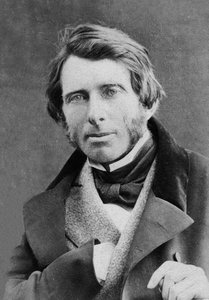
1819–1900, Reino Unido
John Ruskin
Primeros años y educación John Ruskin, un renombrado polímata inglés, nació el 8 de febrero de 1819 en Londres, Reino Unido. Su infancia estuvo marcada por las influencias contrastantes de su padre, John James Ruskin, y su madre, Margaret Cock. Esta dualidad se reflejaría más tarde en sus diversos intereses y estilos de escritura. La educación temprana de Ruskin tuvo lugar en casa, bajo la guía de sus padres y tutores privados.
Otras obras de John Ruskin
 La Fontana de Trevi1841
 Barranco en Maglans, Valle de Cluse1849
 Aiguille Charmoz, Chamounix1849
 La Casa Loredan, Venecia1850

Ensayos sobre Ca d
 Luz y escala: Distinciones entre el Rococó veneciano y el Rococó francésAprenda a distinguir el Rococó veneciano del francés mediante sus maestros y temas. ¡Descubra las claves de este estilo ahora!
 Vedute y Capriccio: Distinguir las vistas topográficas de la fantasía arquitectónicaDomina la diferencia entre veduta y capriccio con nuestro análisis experto. Descubre el arte del siglo XVIII ahora.