
 Ver en contexto
 Enviar
 Compartir
 Detalles
 Guía
Guía

 Descargar
 Similares
 Radiografía
 Presentación de diapositivas
 Estadísticas
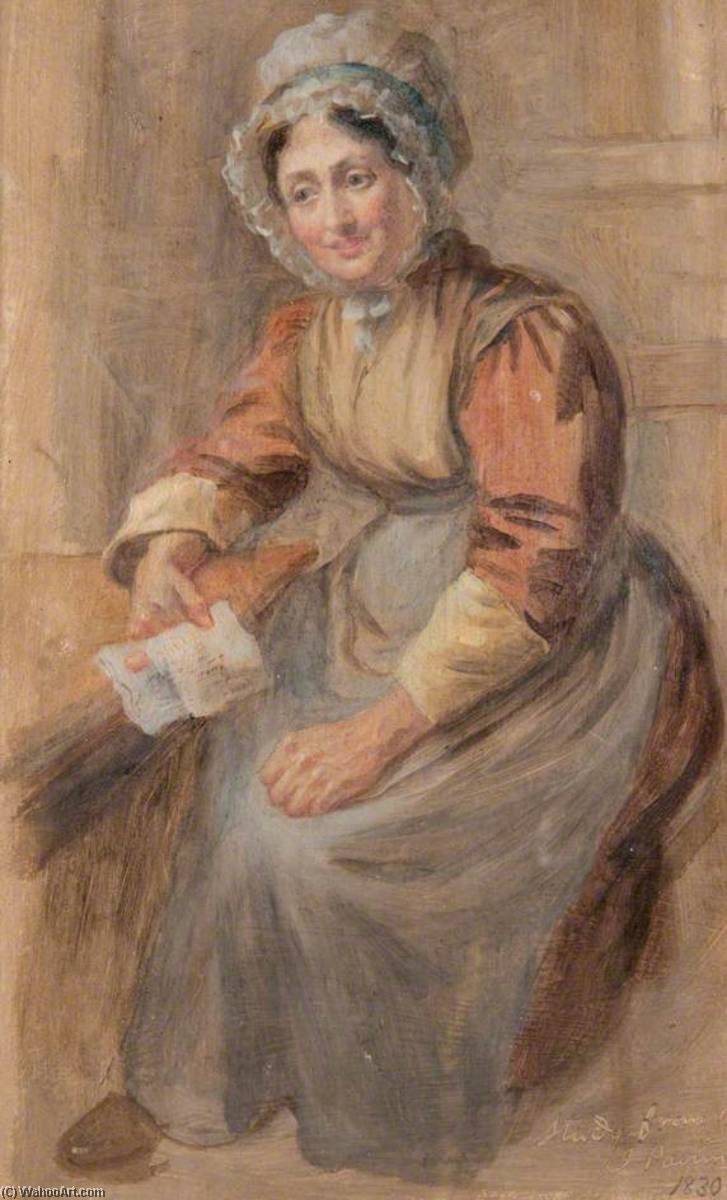
Female Study
 27.0 x 17.0 cm
 Moat Park Heritage Centre
 Ver más
Reproducción al óleo hecha a mano
Óleo sobre lienzo pintado a mano en el tamaño y marco de su elección, realizado por encargo por nuestros artistas. ( Cambiar a impresiones Cambiar a imagen digital)




































Elija entre nuestros tamaños predefinidos que respetan las proporciones originales de la obra.

Indique el ancho y el alto que necesite para adaptarse a su marco o pared. Al tratarse de una obra pintada a mano, si requiere un tamaño con una proporción distinta, el artista puede pintar un poco más alrededor de la imagen o recortarla ligeramente; usted elige. Le enviaremos una maqueta digital para su aprobación antes de comenzar la pintura. La imagen que se muestra en esta página no refleja el resultado real; solo la maqueta lo hace.
Tras realizar el pedido, el equipo de OriginalUniqueArt.com enviará un correo electrónico al cliente para solicitar instrucciones y proporcionarle una vista previa del boceto.
Envío a todo el mundo () en 3-4 semanas en lugar de las 5 semanas estándar. (27 octubre). Sin comprometer la calidad.

Envío exprés gratuito a todo el mundo

Lienzo de lino de alta calidad

Seguro de envío total

Garantía de reembolso de aranceles aduaneros

Garantía de fidelidad cromática exacta

Política de devolución de 100 días (solo por defectos)

Garantía de devolución del 100% del dinero

Descuento por cantidad
 La opción de vidrio solo está disponible en tamaños inferiores a 110 cm.

Female Study
Técnica de reproducción
Dimensiones de la reproducción
-


Precio total final
€ 263
Biografía del artista
Un pionero de la pintura de paisaje romántica
John Pairman (1788–1843) se erige como una figura trascendental en el floreciente movimiento del paisaje en la Gran Bretaña de principios del siglo XIX, aunque su legado artístico trasciende con creces la mera representación topográfica. Nacido en Edimburgo, Escocia, los años formativos de Pairman coincidieron con el auge del Romanticismo —una estética cultural que priorizaba la emoción y la imaginación sobre la observación racional—, lo cual influyó profundamente en su visión artística.
- Primeros años y formación: Pairman recibió una educación formal en la Rugby School y posteriormente realizó estudios en la Universidad de Edimburgo, perfeccionando sus habilidades en el dibujo y la pintura. Su formación inicial se centró en el retrato clásico, lo que le permitió consolidarse como un artista respetado dentro de la escena artística escocesa.
- Influencias: Absorbió la inspiración de maestros como Joshua Reynolds y Thomas Gains Gainsborough, referentes del retrato idealizado que defendían el naturalismo y la profundidad psicológica. Sin embargo, la sensibilidad artística de Pairman fue moldeada decisivamente por el fervor romántico que recorría Europa, particularmente por los paisajes de Caspar David Friedrich.
El artista del paisaje: capturando la emoción a través del terreno
Pairman se distinguió de sus contemporáneos por una notable dedicación a la pintura de paisaje, un género cada vez más favorecido por aquellos artistas que buscaban expresar sentimientos profundos y contemplación espiritual. A diferencia de muchos pintores que se aferraban a estrictas convenciones académicas, Pairman adoptó una pincelada suelta y paletas de colores vibrantes, priorizando los efectos atmosféricos por encima del detalle preciso.
- Paisajes notables: Entre sus obras más celebradas se encuentran las representaciones de las Tierras Altas de Escocia —especialmente Dumfries Moor—, donde transmitió con maestría la grandeza y la belleza melancólica del mundo natural. Sus lienzos resuenan con un sentido palpable de soledad e introspección, reflejando la preocupación romántica por la experiencia de lo sublime.
- Técnica y estilo: La técnica de Pairman consistía en aplicar capas gruesas de pintura sobre el lienzo —un estilo característico de "impasto"—, creando superficies texturizadas que capturaban el dinamismo de la luz y la sombra. Este enfoque le permitió dotar a sus paisajes de una intensidad emocional, emulando el impulso romántico de trascender la mera representación visual.
El retrato: una representación digna del carácter
Junto a sus paisajes, Pairman produjo un cuerpo sustancial de retratos por encargo, representando principalmente a figuras prominentes de la sociedad escocesa. Sus retratos destacan por su sensibilidad y precisión psicológica, capturando no solo el parecido físico, sino también la vida interior de sus sujetos.
- Lord Jeffrey: Quizás su retrato más icónico es el de Lord Jeffrey Ramsay —célebre estadista y filósofo escocés—, el cual ejemplifica la maestría de Pairman en la gradación tonal y la pincelada expresiva. La pintura captura la mirada de Jeffrey con una sutileza extraordinaria, transmitiendo tanto intelecto como melancolía.
- Contexto social: Los retratos de Pairman reflejaban las convenciones sociales de la Gran Bretaña victoriana, retratando a los individuos dentro de sus contextos familiares y profesionales. No obstante, el artista priorizó consistentemente la integridad artística sobre la mera adhesión a las expectativas sociales, demostrando una preocupación humanista por capturar la dignidad y la emoción humana.
Legado y reconocimiento
La contribución de John Pairman a la historia del arte escocés es innegable; permanece como uno de los pintores de paisajes más destacados de su época. Sus obras continúan inspirando admiración por su poder expresivo y virtuosismo técnico, asegurando su lugar como una figura fundamental en el movimiento romántico.

John Pairman
1788 - 1843 , Escocia
Datos clave
- Artistic Movement Or Style: Romanticismo
- Artists Or Movements Influenced By This Artist: ['Hudson Lowe']
- Artists Who Influenced This Artist:
- Sir Joshua Reynolds
- Thomas Gainsborough
- Date Of Birth: 1788
- Date Of Death: 1843
- Full Name: John Pairman
- Nationality: Escocés
- Notable Artworks:
- A Cottage Interior
- John Wesley’s House
- Place Of Birth: Edimburgo