

 Ver en contexto
 Enviar
 Compartir
 Detalles
 Guía
Guía

 Descargar
 Similares
 Radiografía
 Presentación de diapositivas
 Estadísticas
The Buffalo Hunt
 Oil On Canvas
- WallArt
- Renaissance Composition
 1855
1855 75.0 x 99.0 cm
 Crystal Bridges Museum of American Art
 Ver más
Reproducción al óleo hecha a mano
Óleo sobre lienzo pintado a mano en el tamaño y marco de su elección, realizado por encargo por nuestros artistas. ( Cambiar a impresiones Cambiar a imagen digital)




P118B €10

P118H €10

P118W €10

P438Z €10

P508JH €12

P508YH €12

P805H €10

P805Z €10

P919BZ €10

P919G €10

P919XJ €10

P959ZH €10

P968JZ €12

W106C €8

W218G €10

W218JH €8

W218Y €10

W307PJ €10

W316G €10

W316PJ €8

W316Y €10

W398PJ €8

W4111J €10

W500HY €15

W500JH €15

W692G €12

W849H €8

W940BG €15

W953PJ €8




Elija entre nuestros tamaños predefinidos que respetan las proporciones originales de la obra.

Indique el ancho y el alto que necesite para adaptarse a su marco o pared. Al tratarse de una obra pintada a mano, si requiere un tamaño con una proporción distinta, el artista puede pintar un poco más alrededor de la imagen o recortarla ligeramente; usted elige. Le enviaremos una maqueta digital para su aprobación antes de comenzar la pintura. La imagen que se muestra en esta página no refleja el resultado real; solo la maqueta lo hace.
Tras realizar el pedido, el equipo de OriginalUniqueArt.com enviará un correo electrónico al cliente para solicitar instrucciones y proporcionarle una vista previa del boceto.
Envío a todo el mundo () en 3-4 semanas en lugar de las 5 semanas estándar. (26 octubre). Sin comprometer la calidad.

Envío exprés gratuito a todo el mundo

Lienzo de lino de alta calidad

Seguro de envío total

Garantía de reembolso de aranceles aduaneros

Garantía de fidelidad cromática exacta

Política de devolución de 100 días (solo por defectos)

Garantía de devolución del 100% del dinero

Descuento por cantidad
 La opción de vidrio solo está disponible en tamaños inferiores a 110 cm.

The Buffalo Hunt
Técnica de reproducción
Dimensiones de la reproducción
-


Precio total final
€ 307
A Vision of the American Frontier: The Buffalo Hunt by John Mix Stanley
John Mix Stanley’s “The Buffalo Hunt” isn't merely a painting; it’s a meticulously crafted window into a pivotal moment in American history and the vibrant culture of the Blackfeet people. Completed in 1855, this monumental canvas transports us to the vast expanse of the Montana prairie, capturing not just a hunt but a complex interplay of observation, artistic interpretation, and a burgeoning fascination with the ‘wild west.’ Stanley, a pioneer himself who spent years documenting Native American life across the American West, imbued this work with a deliberate formality—a conscious nod to Renaissance composition—that elevates it beyond simple documentary representation. The pyramidical arrangement of figures, echoing the stability of classical art, subtly contrasts with the untamed energy of the scene, suggesting an attempt to impose order upon the raw power of nature and the Blackfeet’s mastery over it.
A Study in Earth Tones and Dynamic Movement
The painting's immediate impact lies in its rich palette—a symphony of earthy browns, tans, muted greens, and deep blues that evoke the stark beauty of the prairie landscape. Stanley skillfully employs atmospheric perspective, receding elements into a hazy distance to create an illusion of immense depth. The strong diagonal lines generated by the charging horses and the purposeful strides of the warriors inject a palpable sense of movement, drawing the viewer’s eye through the composition. Notice how the darker hues of the horses and figures stand in sharp contrast against the lighter background—a deliberate choice that emphasizes their strength and dominance within this environment. The brushwork itself is remarkably detailed, hinting at Stanley's traditional oil painting technique; visible strokes suggest a layering process, adding texture to the fur of the buffalo and the clothing of the hunters.
Echoes of Renaissance Art and Respect for Indigenous Culture
Stanley’s artistic choices reveal a fascinating dialogue with European art history. The pyramidal composition, reminiscent of Renaissance masters like Raphael and Leonardo da Vinci, lends an air of grandeur and authority to the scene. However, Stanley doesn't simply replicate classical forms; he adapts them to depict a distinctly American subject matter. The figures themselves—mounted Blackfeet warriors—are rendered with a remarkable degree of respect, recalling early equestrian portraits that celebrated European leaders. This deliberate gesture suggests Stanley’s recognition of the Blackfeet’s skill and courage as hunters and warriors, imbuing the painting with a subtle sense of admiration. The historical context is crucial: Stanley witnessed firsthand the hunting skills of the Piegan Indians at Fort Benton in 1853, an experience that profoundly shaped his artistic vision.
Lost Legacy and Enduring Symbolism
Sadly, much of Stanley’s vast collection of paintings documenting Native American life was destroyed in the devastating 1865 fire at the Smithsonian Institution. Only seven works survived, a tragic loss for art history. Despite this, “The Buffalo Hunt” remains a powerful testament to Stanley's artistic talent and his insightful portrayal of the American West. The painting’s symbolism extends beyond a simple depiction of a hunt; it speaks to themes of exploration, cultural encounter, and the complex relationship between humans and nature. It serves as a poignant reminder of a lost legacy—a collection of paintings that once offered invaluable insights into the lives and traditions of Native American tribes during a transformative period in American history. Reproductions of this iconic work continue to resonate today, offering viewers a glimpse into a bygone era and prompting reflection on the enduring spirit of the frontier.
Preguntas y respuestas
¿Qué uso y espacio se recomiendan para "The Buffalo Hunt" de John Mix Stanley?
Se recomienda el uso de (Statement) y su ubicación en (Living Room) para "The Buffalo Hunt" de John Mix Stanley.
¿Quién es el artista detrás de "The Buffalo Hunt"?
El artista detrás de "The Buffalo Hunt" es John Mix Stanley. La obra está catalogada bajo el nombre de John Mix Stanley.
¿Dónde puedo encontrar obras de arte similares a "The Buffalo Hunt" de John Mix Stanley?
Encuentre obras similares a "The Buffalo Hunt" en la página de Obras similares de esta obra.
Biografía del artista
Primeros Años y Orígenes
- Nacimiento: 17 de enero de 1814, en Canandaigua, Nueva York
- Padres: Seth y Sally (McKinney) Stanley
- Quedó huérfano a los 12 años.
- Aprendió el oficio de carrocería a los 14 años.
- Habilidades de pintura autodidacta.
- Se mudó a Detroit, Michigan en 1832, convirtiéndose en un pintor itinerante de letreros y retratos.
Carrera y Desarrollo Artístico
- Primeros Años (1830s-1840s): Comenzó como pintor de letreros y retratista en Detroit y sus alrededores. Viajó a Fort Snelling, Galena y Chicago.
- Exploración del Suroeste (1842-1845): Acompañó a Sumner Dickerman al suroeste americano específicamente para pintar a los nativos americanos. Se estableció en Fort Gibson en el Territorio Indio (actual Oklahoma). Documentó la vida tribal, incluyendo asistir a un consejo entre representantes Cherokee y de Texas.
- Servicio en la Guerra Mexicano-Americana (1846): Fue nombrado dibujante para la expedición del Coronel Stephen Watts Kearney a California y el Territorio de Oregón. Produjo bocetos y pinturas de la campaña.
- Retratos Hawaianos (1847-1848): Viajó a Hawái, donde pintó retratos del Rey Kamehameha III y su familia.
- Exposiciones y Reconocimiento (1850s): Organizó y expuso grandes galerías de retratos indios en varias ciudades. Presentó una importante exhibición en el Smithsonian Institution en 1852, mostrando casi 200 obras que representan a 43 tribus. Recibió críticas positivas pero no logró vender su colección al gobierno o al Smithsonian.
- Pánorama (1854): Exhibió un panorama de 42 escenas de escenas del Oeste en Washington, D.C., Baltimore, Nueva York y Londres; esta obra se ha perdido.
- Pérdidas y Declive: Una parte significativa de sus obras fue destruida en un incendio de 1865 en el Smithsonian Institution. Este evento contribuyó a un declive en la reputación de Stanley durante algún tiempo.
Estilo Artístico e Influencias
- Temática: Se centró principalmente en paisajes, retratos nativos americanos y representaciones de la vida tribal en el Oeste americano y Hawái.
- Influencias: Inspirado por la obra de George Catlin, un pionero en la pintura de nativos americanos.
- Estilo: Si bien documentaba a sus sujetos con cámara y lápiz antes de la ejecución, las pinturas de Stanley a menudo estaban organizadas de manera académica. Algunos críticos notaron una falta de profunda empatía por las culturas nativas americanas en comparación con Catlin.
- Documentación: Sus obras son valoradas como documentos históricos que brindan información sobre los encuentros del siglo XIX entre estadounidenses europeos y tribus nativas americanas.
Logros Principales y Significado Histórico
- Representación Pionera de la Vida Nativa Americana: Stanley fue uno de los primeros artistas en documentar sistemáticamente las culturas nativas americanas a través de la pintura, contribuyendo significativamente a los registros visuales de estas sociedades.
- Extensos Viajes y Documentación: Sus viajes por el Oeste americano y Hawái resultaron en una vasta colección de obras que representan diversos paisajes y pueblos.
- Registro Histórico: A pesar de la pérdida de gran parte de su obra, las pinturas sobrevivientes brindan valiosas perspectivas sobre la vida fronteriza del siglo XIX y las culturas nativas americanas.
- Redescubrimiento y Apreciación: Las contribuciones de Stanley al arte americano han sido reevaluadas en décadas recientes, con sus obras ahora exhibidas en museos nacionales y regionales.
Vida Posterior y Fallecimiento
- Regresó a Detroit en 1863.
- Falleció el 10 de abril de 1872, en Detroit, Michigan.
- Su legado fue inicialmente eclipsado por la pérdida de su obra, pero desde entonces ha sido reconocido por su valor histórico y artístico.

John Mix Stanley
1814 - 1872 , Estados Unidos de América
Datos clave
- Artistas Que Influyeron: ['George Catlin']
- Fecha De Fallecimiento: 10 de abril de 1872
- Fecha De Nacimiento: 17 de enero de 1814
- Lugar De Nacimiento: Canandaigua, EE. UU.
- Movimiento Artístico: Arte nativo americano y paisajes
- Nacionalidad: Estadounidense
- Nombre Completo: John Mix Stanley
- Obras Notables: ['El Recodo del Río']
Artículos relacionados

John Constable: Las 25 Obras Maestras del Paisaje Inglés | OriginalUniqueArt
Descubre las 25 obras maestras de John Constable, el pintor romántico inglés que capturó la belleza del paisaje. Explora su técnica, historia y significado en OriginalUniqueArt.com. Reproducciones de arte de alta calidad para tu hogar.

Realismo Estadounidense: 10 Obras Maestras que Cambiaron el Arte y la Decoración
Descubre 10 obras maestras del Realismo Estadounidense: Winslow Homer, Edward Hopper y más. Explora la historia, técnica y emoción de estos icónicos cuadros. Encuentra reproducciones de arte de museo en OriginalUniqueArt.com.

Grant Wood & American Regionalism: Identity, Myth & the Rural Landscape
Explore the world of Grant Wood & American Regionalism with OriginalUniqueArt. Discover the symbolism behind 'American Gothic', recurring themes, and the movement's lasting impact on art history. High-quality reproductions available.

John Singer Sargent: Las 25 Obras Maestras del Retrato y la Belle Époque | OriginalUniqueArt
Descubre las 25 obras maestras de John Singer Sargent, el maestro del retrato y la Belle Époque. Explora su técnica impresionista, historias fascinantes y encuentra reproducciones de arte exclusivas para decorar tu hogar con elegancia en OriginalUniqueArt.com.
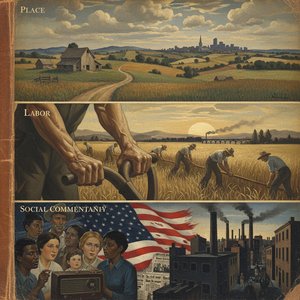
Regionalismo Americano: Un Crisol de Identidad en el Arte y la Sociedad
Explora el Regionalismo Americano: su historia, artistas clave como Benton y Wood, y su profundo compromiso con la sociedad de la Gran Depresión. Un análisis exhaustivo para amantes del arte.


