Ver en contexto
 Enviar
 Compartir
 Detalles
 Guía
Guía

 Descargar
 Similares
 Radiografía
 Presentación de diapositivas
 Q&A
Q&A Estadísticas
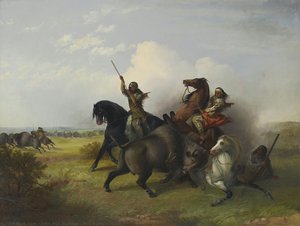
Mountain Landscape with Indians


 Ver más
Giclée / Impresión de arte
Impresiones giclée o en lienzo de calidad de museo con producción rápida y opciones de acabado flexibles. ( Comprar pintura hecha a mano Cambiar a imagen digital)




P118B €10

P118H €10

P118W €10

P438Z €10

P508JH €12

P508YH €12

P805H €10

P805Z €10

P919BZ €10

P919G €10

P919XJ €10

P959ZH €10

P968JZ €12

W106C €8

W218G €10

W218JH €8

W218Y €10

W307PJ €10

W316G €10

W316PJ €8

W316Y €10

W398PJ €8

W4111J €10

W500HY €15

W500JH €15

W692G €12

W849H €8

W940BG €15

W953PJ €8




Elija entre nuestros tamaños predefinidos que respetan las proporciones originales de la obra.

Introduzca el ancho y el alto que necesite para adaptarse a su marco o pared. Una impresión solo puede recortarse, nunca hacerse más grande que la imagen original, por lo que un tamaño con una forma distinta perderá parte de la obra. Le enviaremos una maqueta digital para su aprobación antes de realizar cualquier impresión. La imagen que se muestra en esta página no refleja el recorte real; solo la maqueta lo hace.
Envío a todo el mundo () en 2 semanas en lugar de las 4/5 semanas estándar. (2 noviembre)

Envío exprés gratuito a todo el mundo

Lienzo de lino de alta calidad

Seguro de envío total

Garantía de reembolso de aranceles aduaneros

Garantía de fidelidad cromática exacta

Política de devolución de 100 días (solo por defectos)

Garantía de devolución del 100% del dinero

Descuento por cantidad
 La opción de vidrio solo está disponible en tamaños inferiores a 110 cm.

Mountain Landscape with Indians
Giclée / Impresión de arte
Dimensiones de la reproducción
-


Precio total final
€ 71
A Pioneer’s Vision: John Mix Stanley's “Mountain Landscape with Indians”
John Mix Stanley’s “Mountain Landscape with Indians,” painted circa 1870-75, isn’t merely a depiction of the American West; it’s a carefully constructed narrative of exploration, cultural encounter, and the burgeoning romanticism of the era. This oil on canvas, now housed within the Detroit Institute of Arts, offers a glimpse into a pivotal moment in American art history – a time when artists were actively seeking to document and interpret the vast, untamed territories of the nation. Stanley’s work stands as a testament to his dedication to capturing both the grandeur of the landscape and the dignity of its indigenous inhabitants, a perspective increasingly rare for the period.
The painting immediately draws the eye with its dramatic composition. A towering mountain range dominates the background, its snow-capped peaks piercing a hazy blue sky – a classic Romantic motif emphasizing the sublime power of nature. Below, a verdant valley unfolds, bisected by a winding river and dotted with small settlements nestled amongst the trees. Yet, it’s not just the landscape that commands attention; several canoes glide across the lake, carrying figures who suggest both peaceful coexistence and the subtle tension inherent in interactions between settlers and Native American tribes. The inclusion of these boats subtly hints at the burgeoning trade and interaction between cultures, a complex dynamic often overlooked in simpler portrayals of westward expansion.
The Artist’s Journey: Stanley's Western Odyssey
Understanding “Mountain Landscape with Indians” requires appreciating John Mix Stanley’s extraordinary life. Born in upstate New York, he was orphaned at twelve and apprenticed as a coach maker – experiences that instilled within him a remarkable self-reliance and an acute observational skill. Stanley’s artistic journey began humbly, painting signs and portraits to make ends meet before embarking on his ambitious project: to document the lives of Native Americans in the American West. This wasn't a casual undertaking; it was driven by a genuine desire to understand and represent these cultures with respect and accuracy – a radical stance for an artist of that time.
His travels took him across vast distances, from the Cherokee Council at Tahlequah to the plains inhabited by the Comanche. He meticulously observed tribal customs, documented their clothing, weaponry, and social structures, translating these observations onto canvas with remarkable detail. Stanley’s decision to accompany Colonel Stephen Watts Kearney's expedition further cemented his role as a chronicler of the West, capturing not only landscapes but also the realities of military campaigns and the challenges faced by both soldiers and indigenous peoples.
Symbolism and Romantic Ideals
The painting is deeply rooted in the tenets of Romanticism. The dramatic lighting, the emphasis on emotional response to nature’s grandeur, and the portrayal of Native Americans as noble figures embodying a connection to the land all align with this artistic movement. Stanley wasn't simply recording what he saw; he was imbuing his work with a sense of awe, wonder, and a romanticized vision of the West – a vision that often idealized both the wilderness and its inhabitants.
The presence of the canoes and the figures within them carries symbolic weight. They represent not just trade or interaction but also a potential for harmony between cultures, albeit one fraught with historical complexities. The mountains themselves can be interpreted as guardians of ancient wisdom, while the river symbolizes the flow of time and the interconnectedness of all things. Stanley’s deliberate use of color – the vibrant greens of the valley contrasting with the stark blues and whites of the mountains – further enhances this symbolic richness.
A Legacy in Reproduction: Bringing Stanley's Vision to Life
Today, “Mountain Landscape with Indians” stands as a significant work of American art, offering a valuable window into the 19th century. OriginalUniqueArt’s meticulously crafted reproductions aim to faithfully capture the essence of Stanley’s original vision, preserving the painting’s dramatic composition, evocative colors, and profound sense of place. By reproducing this iconic artwork with such care, we honor Stanley's legacy as a pioneering artist who sought to document and celebrate the beauty and complexity of the American West – a journey that continues to resonate with viewers today.
Preguntas y respuestas
¿Es "Mountain Landscape with Indians" representativo de la temática habitual de John Mix Stanley?
Los temas recurrentes de John Mix Stanley incluyen catlin’s native american portraits, westward exploration, settlement themes, cherokee, creek tribal depictions, stanley’s documented west journey, documenting frontier life, culture; "Mountain Landscape with Indians" se centra en landscape, indians, mountains, west, exploration, stanley, native americans, 1870.
¿Qué tema y atmósfera combina "Mountain Landscape with Indians" de John Mix Stanley?
"Mountain Landscape with Indians" de John Mix Stanley representa landscape, indians, mountains, west, exploration, stanley, native americans, 1870, con un ambiente Calm. El tema y la atmósfera describen juntos la obra.
¿Puedo ver una vista previa de "Mountain Landscape with Indians" de John Mix Stanley antes de realizar el pedido?
Puedes ver una vista previa de "Mountain Landscape with Indians" de John Mix Stanley en la página de Vista previa de la obra de la obra.
Biografía del artista
Primeros Años y Orígenes
- Nacimiento: 17 de enero de 1814, en Canandaigua, Nueva York
- Padres: Seth y Sally (McKinney) Stanley
- Quedó huérfano a los 12 años.
- Aprendió el oficio de carrocería a los 14 años.
- Habilidades de pintura autodidacta.
- Se mudó a Detroit, Michigan en 1832, convirtiéndose en un pintor itinerante de letreros y retratos.
Carrera y Desarrollo Artístico
- Primeros Años (1830s-1840s): Comenzó como pintor de letreros y retratista en Detroit y sus alrededores. Viajó a Fort Snelling, Galena y Chicago.
- Exploración del Suroeste (1842-1845): Acompañó a Sumner Dickerman al suroeste americano específicamente para pintar a los nativos americanos. Se estableció en Fort Gibson en el Territorio Indio (actual Oklahoma). Documentó la vida tribal, incluyendo asistir a un consejo entre representantes Cherokee y de Texas.
- Servicio en la Guerra Mexicano-Americana (1846): Fue nombrado dibujante para la expedición del Coronel Stephen Watts Kearney a California y el Territorio de Oregón. Produjo bocetos y pinturas de la campaña.
- Retratos Hawaianos (1847-1848): Viajó a Hawái, donde pintó retratos del Rey Kamehameha III y su familia.
- Exposiciones y Reconocimiento (1850s): Organizó y expuso grandes galerías de retratos indios en varias ciudades. Presentó una importante exhibición en el Smithsonian Institution en 1852, mostrando casi 200 obras que representan a 43 tribus. Recibió críticas positivas pero no logró vender su colección al gobierno o al Smithsonian.
- Pánorama (1854): Exhibió un panorama de 42 escenas de escenas del Oeste en Washington, D.C., Baltimore, Nueva York y Londres; esta obra se ha perdido.
- Pérdidas y Declive: Una parte significativa de sus obras fue destruida en un incendio de 1865 en el Smithsonian Institution. Este evento contribuyó a un declive en la reputación de Stanley durante algún tiempo.
Estilo Artístico e Influencias
- Temática: Se centró principalmente en paisajes, retratos nativos americanos y representaciones de la vida tribal en el Oeste americano y Hawái.
- Influencias: Inspirado por la obra de George Catlin, un pionero en la pintura de nativos americanos.
- Estilo: Si bien documentaba a sus sujetos con cámara y lápiz antes de la ejecución, las pinturas de Stanley a menudo estaban organizadas de manera académica. Algunos críticos notaron una falta de profunda empatía por las culturas nativas americanas en comparación con Catlin.
- Documentación: Sus obras son valoradas como documentos históricos que brindan información sobre los encuentros del siglo XIX entre estadounidenses europeos y tribus nativas americanas.
Logros Principales y Significado Histórico
- Representación Pionera de la Vida Nativa Americana: Stanley fue uno de los primeros artistas en documentar sistemáticamente las culturas nativas americanas a través de la pintura, contribuyendo significativamente a los registros visuales de estas sociedades.
- Extensos Viajes y Documentación: Sus viajes por el Oeste americano y Hawái resultaron en una vasta colección de obras que representan diversos paisajes y pueblos.
- Registro Histórico: A pesar de la pérdida de gran parte de su obra, las pinturas sobrevivientes brindan valiosas perspectivas sobre la vida fronteriza del siglo XIX y las culturas nativas americanas.
- Redescubrimiento y Apreciación: Las contribuciones de Stanley al arte americano han sido reevaluadas en décadas recientes, con sus obras ahora exhibidas en museos nacionales y regionales.
Vida Posterior y Fallecimiento
- Regresó a Detroit en 1863.
- Falleció el 10 de abril de 1872, en Detroit, Michigan.
- Su legado fue inicialmente eclipsado por la pérdida de su obra, pero desde entonces ha sido reconocido por su valor histórico y artístico.

John Mix Stanley
1814 - 1872 , Estados Unidos de América
Datos clave
- Artistas Que Influyeron: ['George Catlin']
- Fecha De Fallecimiento: 10 de abril de 1872
- Fecha De Nacimiento: 17 de enero de 1814
- Lugar De Nacimiento: Canandaigua, EE. UU.
- Movimiento Artístico: Arte nativo americano y paisajes
- Nacionalidad: Estadounidense
- Nombre Completo: John Mix Stanley
- Obras Notables: ['El Recodo del Río']
Artículos relacionados

Grant Wood & American Regionalism: Identity, Myth & the Rural Landscape
Explore the world of Grant Wood & American Regionalism with OriginalUniqueArt. Discover the symbolism behind 'American Gothic', recurring themes, and the movement's lasting impact on art history. High-quality reproductions available.

Paisajes Románticos: 10 Obras Maestras que Definieron un Movimiento Artístico
Descubre los 10 paisajes románticos más influyentes de artistas como Caspar David Friedrich y Turner. Explora la belleza, el simbolismo y las técnicas del movimiento romántico. Reproducciones de arte exclusivas en OriginalUniqueArt.com.

John Singer Sargent: Las 25 Obras Maestras del Retrato y la Belle Époque | OriginalUniqueArt
Descubre las 25 obras maestras de John Singer Sargent, el maestro del retrato y la Belle Époque. Explora su técnica impresionista, historias fascinantes y encuentra reproducciones de arte exclusivas para decorar tu hogar con elegancia en OriginalUniqueArt.com.

Las 25 mejores obras de John Constable: Un viaje al corazón del paisaje inglés
Descubre las 25 obras maestras de John Constable y su alma romántica. Explora la colección completa en OriginalUniqueArt.com.

John Frederick Kensett: Luminosity, Landscape & the American Identity
Explore the luminous landscapes of John Frederick Kensett, a master of Luminism and key figure in the Hudson River School. Discover his serene paintings & enduring legacy with OriginalUniqueArt.