Ver en contexto
 Enviar
 Compartir
 Detalles
 Guía
Guía

 Descargar
 Similares
 Radiografía
 Presentación de diapositivas
 Estadísticas
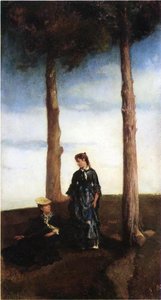
Retrato del Pintor
 Óleo sobre lienzo
- Arte de pared
- Late American Realism
 1859
1859 41.0 x 29.0 cm
 Museo Metropolitano de Arte
 Ver más
Giclée / Impresión de arte
Impresiones giclée o en lienzo de calidad de museo con producción rápida y opciones de acabado flexibles. ( Comprar pintura hecha a mano Cambiar a imagen digital)




P118B €10

P118H €10

P118W €10

P438Z €10

P508JH €12

P508YH €12

P805H €10

P805Z €10

P919BZ €10

P919G €10

P919XJ €10

P959ZH €10

P968JZ €12

W106C €8

W218G €10

W218JH €8

W218Y €10

W307PJ €10

W316G €10

W316PJ €8

W316Y €10

W398PJ €8

W4111J €10

W500HY €15

W500JH €15

W692G €12

W849H €8

W940BG €15

W953PJ €8




Elija entre nuestros tamaños predefinidos que respetan las proporciones originales de la obra.

Introduzca el ancho y el alto que necesite para adaptarse a su marco o pared. Una impresión solo puede recortarse, nunca hacerse más grande que la imagen original, por lo que un tamaño con una forma distinta perderá parte de la obra. Le enviaremos una maqueta digital para su aprobación antes de realizar cualquier impresión. La imagen que se muestra en esta página no refleja el recorte real; solo la maqueta lo hace.
Envío a todo el mundo () en 2 semanas en lugar de las 4/5 semanas estándar. (28 octubre)

Envío exprés gratuito a todo el mundo

Lienzo de lino de alta calidad

Seguro de envío total

Garantía de reembolso de aranceles aduaneros

Garantía de fidelidad cromática exacta

Política de devolución de 100 días (solo por defectos)

Garantía de devolución del 100% del dinero

Descuento por cantidad
 La opción de vidrio solo está disponible en tamaños inferiores a 110 cm.

Retrato del Pintor
Giclée / Impresión de arte
Dimensiones de la reproducción
-


Precio total final
€ 70
La Melancolía del Paisajista: Un Retrato de John La Farge en 1859
“Portrait of the Painter” by John La Farge, painted in October 1859 at his estate in Glen Cove, Long Island, is more than a simple self-portrait; it’s a profound meditation on artistic practice, the influence of Japanese aesthetics, and the burgeoning spirit of American landscape painting. This intimate canvas offers a rare glimpse into the mind of an artist grappling with his craft, poised to embark on a journey of color and light. The work immediately captivates with its muted palette – predominantly earthy browns, greens, and blues – a deliberate choice that echoes the tonal explorations championed by La Farge’s mentors, Couture and Hunt, while simultaneously hinting at the Japanese prints that so profoundly shaped his artistic sensibility.
The composition itself is subtly arresting. The artist, rendered in a realistic yet slightly idealized manner, stands on a path leading into a rolling landscape. He's dressed in formal attire – a dark suit, hat, and cane – a detail that simultaneously suggests the social context of his time and perhaps an aspiration towards a more refined, almost romanticized vision of masculinity. The off-center placement of the figure draws our eye to the receding path, creating a powerful sense of depth and inviting us into La Farge’s world. The loose brushwork employed in depicting the distant foliage isn't merely decorative; it’s a masterful demonstration of *plein air* technique, capturing the atmospheric perspective and fleeting effects of light with remarkable sensitivity.
Influencias y Técnicas: Un Diálogo entre Tradición y Vanguardia
La Farge’s decision to utilize a photograph as a pictorial source is particularly noteworthy. This was a relatively novel approach at the time, reflecting his willingness to experiment and synthesize diverse influences. The flattened space and unmodulated shapes reminiscent of Japanese prints – a fascination that would continue throughout his career – are clearly evident in the background landscape. This deliberate juxtaposition highlights a key aspect of La Farge’s artistic philosophy: a desire to transcend purely representational painting, moving towards a more expressive and evocative style.
Technically, the portrait is executed with meticulous care using traditional oil paints on canvas. The layering of paint, the subtle blending of colors, and the visible texture all contribute to a sense of materiality and immediacy. The artist’s hand is palpably present in every stroke, inviting us to appreciate the physicality of the medium and the dedication required to achieve such a nuanced effect. It's important to note that this isn't simply a replication of reality; it’s an interpretation, filtered through La Farge’s unique artistic vision.
Simbolismo y Emoción: Un Retrato de la Soledad Creativa
Beyond its technical merits, “Portrait of the Painter” resonates with a powerful sense of introspection. The solitary figure on the path evokes a feeling of contemplation and solitude – a common theme in La Farge’s work. The formal attire, juxtaposed against the natural setting, can be interpreted as a subtle commentary on the tension between societal expectations and individual artistic expression. It suggests a quiet rebellion, a refusal to fully conform to prescribed roles.
Furthermore, the painting speaks to the inherent loneliness of the creative process. The artist is not engaged in a grand gesture or a triumphant declaration; he’s simply preparing for his work, lost in thought and immersed in the potential of the landscape before him. This quiet intensity invites us to consider the profound dedication required to translate inner visions into tangible form. The overall mood is one of serene melancholy – a beautiful acknowledgement of the solitary journey inherent in artistic creation.
Reproducción y Valor Artístico: Un Tesoro para el Hogar
OriginalUniqueArt offers exquisite, hand-painted reproductions of “Portrait of the Painter,” allowing you to bring this captivating work into your own space. Each reproduction meticulously captures the nuances of La Farge’s original technique – the subtle tonal shifts, the delicate brushstrokes, and the evocative atmosphere. Whether displayed in a study, a living room, or an art gallery, this piece will undoubtedly serve as a source of inspiration and contemplation for years to come. It's not merely a print; it’s a tangible connection to a pivotal moment in American art history – a testament to John La Farge’s enduring legacy.
Preguntas y respuestas
¿En qué museo se encuentra la obra original "Retrato del Pintor"?
La obra original "Retrato del Pintor" de John La Farge se encuentra en Museo Metropolitano de Arte, New York, United States of America. Una reproducción permite que la obra se exhiba en su hogar.
¿Cuáles son las dimensiones de la obra original "Retrato del Pintor" de John La Farge?
La obra original "Retrato del Pintor" de John La Farge mide 41 x 29 cm.
¿Qué estado de ánimo y emoción se entrelazan en "Retrato del Pintor"?
"Retrato del Pintor" de John La Farge transmite una sensación Contemplativo dentro de un ambiente general Terroso.
Biografía del artista
John La Farge: A Pioneer of Color and Symbolism
John LaFarge (Nueva York, 31 de marzo de 1835 – Providence, Rhode Island, 14 de noviembre de 1910) fue un pintor estadounidense reconocido por su innovación en el arte del vidrio coloreado, muralismo luminoso y una profunda fascinación por la estética japonesa. Su obra maestra permanece como testimonio de una época marcada por el espíritu creativo y la búsqueda constante de nuevas expresiones artísticas.Primeros años y Educación
Nacido en Nueva York hijo de padres franceses ricos, LaFarge recibió una educación bilingüe que fomentó su sensibilidad artística desde temprana edad. Estudió filosofía y literatura en Harvard University antes de trasladarse a París donde entró en contacto con la comunidad intelectual francesa y estudió bajo la guía del pintor Thomas Couture, absorbiendo las tradiciones artísticas europeas. Esta formación inicial fue esencial para el desarrollo de un estilo propio que combinaría elementos clásicos con una nueva visión estética impulsada por los principios del Romanticismo. Posteriormente, regresó a Nueva York donde continuó sus estudios en St. John’s College (hoy Universidad Fordham), estableciendo raíces sólidas en la tradición académica estadounidense pero manteniendo una apertura hacia las corrientes culturales internacionales.Trayectoria Artística: Pintura y Diseño
La Farge comenzó su carrera artística con paisajes impresionistas que capturaban la belleza de la naturaleza estadounidense, utilizando colores vibrantes y técnicas innovadoras para transmitir emociones y sensaciones. Rápidamente adquirió fama por sus pinturas mitológicas y religiosas, destacando especialmente "Virgil", una obra maestra del simbolismo americano que exploraba temas religiosos y filosóficos con una sensibilidad excepcional. Sus murales fueron encargos importantes para edificios públicos como la Iglesia de la Trinidad en Boston (1873) y la Iglesia de la Ascensión en Nueva York (1875), donde aplicó sus conocimientos técnicos y su visión artística para crear espacios llenos de luz y color que evocaban sentimientos profundos. Además, LaFarge desarrolló una actividad escultórica destacada, creando obras maestras como "El Sagrado Bosque" en Rhode Island que reflejan la influencia del paisaje americano y el espíritu romántico. También realizó diseños interiores originales para edificios públicos y privados, demostrando su habilidad para integrar elementos arquitectónicos y decorativos con armonía estética y funcionalidad.Innovación en Vidrieras: El Legado Luminoso
La Farge revolucionó el arte del vidrio coloreado mediante la introducción de técnicas innovadoras que permitieron lograr una luminosidad y profundidad cromática sin precedentes. Desarrolló un método único para crear vidrieras utilizando múltiples capas de vidrio opalescente, una innovación que fue reconocida internacionalmente por expertos en diseño y arquitectura. Este proceso creativo impulsó el desarrollo del estilo Arts and Crafts estadounidense, donde LaFarge colaboró con otros artistas destacados como William Morris Hunt y Gustav Stickley para crear espacios interiores excepcionales que celebraban la belleza natural y la artesanía tradicional. Sus vidrieras iluminaron edificios emblemáticos como Trinity Church en Boston y la Iglesia de la Ascensión en Nueva York, convirtiéndose en símbolos de inspiración artística y espiritualidad. Además, LaFarge fue pionero en el uso de nuevos materiales y técnicas para crear obras escultóricas originales que desafiaban las convenciones artísticas establecidas.Influencias y Desarrollo Estético: Japón y el Simbolismo
La Farge recibió una fuerte influencia del arte japonés, cuyo estudio profundo marcó un punto de inflexión en su desarrollo artístico. Tras viajar a Japón en 1886 junto con Henry Adams, LaFarge incorporó elementos característicos de la estética oriental en sus pinturas y diseños interiores, como la armonía entre naturaleza y arquitectura, el uso de colores suaves y naturales y una sensibilidad hacia las formas geométricas simples. Estos principios estéticos reflejan el espíritu del simbolismo americano, corriente artística que buscaba expresar emociones y sentimientos profundos mediante símbolos y metáforas visuales. LaFarge fue un defensor apasionado de la libertad creativa y rechazó las restricciones impuestas por la Academia Nacional de Diseño estadounidense, estableciendo una escuela de arte independiente donde fomentó el desarrollo de nuevos talentos y promovió la exploración de nuevas corrientes artísticas. Su legado artístico permanece como testimonio de una época marcada por la innovación estética y la búsqueda constante de nuevas formas de expresión artística.
John La Farge
1835 - 1910 , Estados Unidos de América
Datos clave
- Artistic Movement Or Style: Symbolismo, Arts & Crafts
- Artists Or Movements Influenced By This Artist: ['Maria Oakey Dewing']
- Artists Who Influenced This Artist: ['Thomas Couture']
- Date Of Birth: March 31, 1835
- Date Of Death: November 14, 1910
- Full Name: John La Farge
- Nationality: American
- Notable Artworks:
- El sagrado bosque
- Iglesia de la Trinidad
- Iglesia de la Ascensión
- Place Of Birth: Nueva York City, Estados Unidos de América
Artículos relacionados

John Constable: Las 25 Obras Maestras del Paisaje Inglés | OriginalUniqueArt
Descubre las 25 obras maestras de John Constable, el pintor romántico inglés que capturó la belleza del paisaje. Explora su técnica, historia y significado en OriginalUniqueArt.com. Reproducciones de arte de alta calidad para tu hogar.
John George Brown: Capturing American Life & Sentiment in 19th-Century Genre Painting
Explore the captivating genre paintings of John George Brown, celebrated for his realistic depictions of 19th-century American life. Discover his legacy & find museum-quality reproductions at OriginalUniqueArt.

Realismo Estadounidense: 10 Obras Maestras que Cambiaron el Arte y la Decoración
Descubre 10 obras maestras del Realismo Estadounidense: Winslow Homer, Edward Hopper y más. Explora la historia, técnica y emoción de estos icónicos cuadros. Encuentra reproducciones de arte de museo en OriginalUniqueArt.com.

John Singer Sargent: Las 25 Obras Maestras del Retrato y la Belle Époque | OriginalUniqueArt
Descubre las 25 obras maestras de John Singer Sargent, el maestro del retrato y la Belle Époque. Explora su técnica impresionista, historias fascinantes y encuentra reproducciones de arte exclusivas para decorar tu hogar con elegancia en OriginalUniqueArt.com.
John La Farge: Pioneering American Colorism & Japonisme's Influence
Explore the groundbreaking work of John La Farge, a pioneer of American colorism and stained glass. Discover his captivating Japonisme-inspired murals & lasting legacy in 19th-century art. Expert insights for collectors.