

 Ver en contexto
 Enviar
 Compartir
 Detalles

 Descargar
 Similares
 Radiografía
 Presentación de diapositivas
Landscape


 Ver más
Giclée / Impresión de arte
Impresiones giclée o en lienzo de calidad de museo con producción rápida y opciones de acabado flexibles. ( Comprar pintura hecha a mano Comprar imagen)




P118B $10

P118H $10

P118W $10

P438Z $10

P508JH $12

P508YH $12

P805H $10

P805Z $10

P919BZ $10

P919G $10

P919XJ $10

P959ZH $10

P968JZ $12

W106C $8

W218G $10

W218JH $8

W218Y $10

W307PJ $10

W316G $10

W316PJ $8

W316Y $10

W398PJ $8

W4111J $10

W500HY $15

W500JH $15

W692G $12

W849H $8

W940BG $15

W953PJ $8




Elija entre nuestros tamaños predefinidos que respetan las proporciones originales de la obra.

Puede introducir sus propias dimensiones para adaptarse a un marco o espacio específico. Si el tamaño seleccionado no coincide con las proporciones de la imagen original, recortaremos la obra de arte o extenderemos la imagen con un borde con efecto espejo o de color sólido. Se enviará una maqueta digital para su aprobación antes de que comience la producción.
Tenga en cuenta que la vista previa en pantalla no refleja el recorte o la extensión real. Solo la maqueta mostrará con precisión la composición final.
Aunque existen tamaños personalizados, recomendamos seleccionar una dimensión de la lista predefinida para preservar las proporciones originales.
Envío a todo el mundo () en 2 semanas en lugar de las 4/5 semanas estándar. (23 agosto)

Envío exprés gratuito a todo el mundo

Lienzo de lino de alta calidad

Seguro de envío total

Garantía de reembolso de impuestos aduaneros

Garantía de fidelidad cromática exacta

Política de devolución de 60 días (solo por defectos)

Garantía de devolución del 100% del dinero

Descuento por cantidad
 La opción de vidrio solo está disponible en tamaños inferiores a 110 cm.

Landscape
Giclée / Impresión de arte
Dimensiones de la reproducción
-


Precio total final
$ 80
Descripción de la pieza
A Pioneer of American Impressionism: The Life and Art of John Henry Twachtman
John Henry Twachtman’s landscape paintings represent more than just picturesque scenes; they embody a pivotal moment in the burgeoning artistic consciousness of America at the turn of the century. Born in Cincinnati, Ohio, in 1853, Twachtman embarked on an artistic journey marked by unwavering dedication to capturing fleeting impressions of nature—a path that ultimately cemented his place as one of the foremost figures shaping the landscape tradition. His formative years were spent under the guidance of Frank Duveneck, fostering a commitment to direct observation and rejecting academic conventions that prioritized idealized representations. This early influence profoundly impacted his subsequent stylistic choices, propelling him toward a uniquely personal vision.European Influences and The Seeds of Impressionism
Twachtman’s artistic sensibilities weren't solely rooted in American soil; they were nurtured by exposure to European Impressionist painters like Claude Monet and Camille Pissarro. These artists championed the revolutionary concept of portraying light and color as perceived by the eye—a departure from traditional techniques that meticulously rendered form and detail. Twachtman absorbed these principles, experimenting with loose brushstrokes and prioritizing tonal variations to convey atmosphere and emotion. He skillfully blended Impressionistic ideals with elements of Post-Impressionism, resulting in a distinctive style characterized by expressive brushwork and an unwavering focus on capturing the essence of the natural world.Technique: Wet-on-Wet – Embracing Atmospheric Depth
The artist’s technique—primarily wet-on-wet—was instrumental in achieving his artistic goals. This method involved applying paint to canvas while it was still wet, allowing colors to blend seamlessly and creating subtle gradations of tone that mimic the effects of natural light. Thick impasto application – particularly evident in depictions of foliage and building walls – added textural richness and dimensionality to the canvases, inviting viewers to engage with the artwork on a tactile level. This deliberate layering of pigment wasn’t merely decorative; it served as a crucial tool for conveying depth and creating an immersive experience that mirrored the grandeur of the landscape itself.Symbolism Within Tranquility: The Cottage and Its Significance
Beyond its aesthetic beauty, Twachtman's 'Landscape' carries symbolic weight. The humble cottage nestled amongst verdant hills speaks to themes of rural simplicity, resilience, and perhaps a quiet contemplation of life’s rhythms. It represents an antidote to the anxieties of urban modernity—a refuge from noise and bustle where one can reconnect with the natural world. The overcast sky contributes to a melancholic mood, suggesting that even amidst beauty, there exists an awareness of transience and vulnerability. These subtle nuances elevate the painting beyond mere visual representation, inviting viewers to ponder deeper questions about human experience and our relationship with the environment.Emotional Impact: Capturing Light's Essence
Ultimately, Twachtman’s masterpiece succeeds in evoking a profound emotional response. The diffused light casts soft shadows, fostering a sense of serenity and tranquility that permeates every brushstroke. The artist’s masterful manipulation of color—muted hues blending harmoniously—creates an atmosphere of understated elegance. Viewing ‘Landscape’ is akin to stepping into a moment frozen in time—a reminder of the beauty inherent in everyday life and the enduring power of nature to inspire contemplation and wonder. It stands as a testament to Twachtman's ability to transform observation into art, capturing not just what he saw but also how it felt.Biografía del artista
Primeros años y desarrollo artístico
John Henry Twachtman, pintor estadounidense, nació el 4 de agosto de 1853 en Cincinnati, Ohio. Su viaje artístico comenzó bajo la tutela de Frank Duveneck en su ciudad natal. Esta formación fundamental sentó las bases para sus futuras exploraciones en varios movimientos artísticos.Etapa europea y evolución artística
Entre 1875 y 1877, Twachtman asistió a la Academia de Bellas Artes de Múnich, donde perfeccionó sus habilidades en una técnica sombría y con pinceladas sueltas. Este período se caracterizó por su visita a Venecia con William Merritt Chase, ampliando aún más sus horizontes artísticos. Sus paisajes de esta época reflejan las influencias de su educación europea.Interludio parisino y tonalismo
De 1883 a 1885, Twachtman estudió en la Académie Julian en París, lo que cambió significativamente su estilo hacia un enfoque tonalista suave, grisáceo y verdoso. Este período se considera a menudo el apogeo de su carrera, con obras notables como *Arques-la-Bataille* (en la colección del Museo Metropolitano de Arte de Nueva York) y *Primavera* (en la colección del Museo de Arte de Cincinnati).Regreso a América e influencia de Cos Cob
Tras regresar a Estados Unidos, Twachtman se estableció en Connecticut, comprando una granja en Greenwich. Su presencia en la colonia de arte de Cos Cob fue fundamental, impulsando las pasiones creativas de sus amigos y estudiantes con su arte, conversación y enseñanza.Legado y obras destacadas
El trabajo posterior de Twachtman se caracteriza por una técnica impresionista altamente personal, a menudo representando paisajes nevados de su granja y jardín. Su serie de vibrantes escenas en Gloucester, Massachusetts, anticipó un estilo más modernista en el arte americano.- Paisaje 3 (200 x 152 cm, Museo Metropolitano de Arte, Nueva York, tonalismo, óleo)
- El dique holandés (tonalismo, óleo)
- Más obras de John Henry Twachtman
Referencias:

John Henry Twachtman
1853 - 1902 , Estados Unidos de América
Datos clave
- Artistas Que Influyeron:
- Frank Duveneck
- William Merritt Chase
- Fecha De Muerte: 8 de agosto de 1902
- Fecha De Nacimiento: 4 de agosto de 1853
- Influenciado A Artistas:
- Marsden Hartley
- Arthur Dove
- Milton Avery
- Lugar De Nacimiento: Cincinnati, EE. UU.
- Movimiento Artístico: Impresionismo americano, Tonalismo
- Nacionalidad: Estadounidense
- Nombre Completo: John Henry Twachtman
- Obras Notables:
- Paisaje 3
- The Holland Dyke
Artículos relacionados

John Constable: Las 25 Obras Maestras del Paisaje Inglés | OriginalUniqueArt
Descubre las 25 obras maestras de John Constable, el pintor romántico inglés que capturó la belleza del paisaje. Explora su técnica, historia y significado en OriginalUniqueArt.com. Reproducciones de arte de alta calidad para tu hogar.

John Henry Twachtman: Atmospheric Impressionism & the American Landscape
Explore the captivating landscapes of John Henry Twachtman, a pivotal American Impressionist & Tonalist painter. Discover his artistic evolution, key works, and lasting influence on early 20th-century art.

John Singer Sargent: Las 25 Obras Maestras del Retrato y la Belle Époque | OriginalUniqueArt
Descubre las 25 obras maestras de John Singer Sargent, el maestro del retrato y la Belle Époque. Explora su técnica impresionista, historias fascinantes y encuentra reproducciones de arte exclusivas para decorar tu hogar con elegancia en OriginalUniqueArt.com.
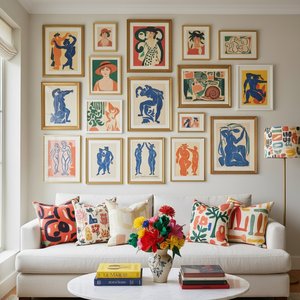
Henri Matisse: Las 25 Obras Maestras que Definieron un Genio del Color | OriginalUniqueArt
Descubre las 25 obras maestras de Henri Matisse, el rey del color y padre del fauvismo. Explora su arte moderno, lienzos vibrantes y la historia detrás de cada pintura icónica. Encuentra reproducciones de alta calidad en OriginalUniqueArt.com.

Grant Wood & American Regionalism: Identity, Myth & the Rural Landscape
Explore the world of Grant Wood & American Regionalism with OriginalUniqueArt. Discover the symbolism behind 'American Gothic', recurring themes, and the movement's lasting impact on art history. High-quality reproductions available.



