

 Vista previa
 Compartir
 Compartir
 Ver detalles
 Guía
Guía

 Descargar
 Ver artículos similares
 Radiografía
 Presentación de diapositivas
 Estadísticas
Tuckered OUt


 Leer más
Reproducción al óleo hecha a mano
Óleo sobre lienzo pintado a mano en el tamaño y marco de su elección, realizado por encargo por nuestros artistas. ( Cambiar a formato impreso Ver versión en imagen digital)




P118B €10

P118H €10

P118W €10

P438Z €10

P508JH €12

P508YH €12

P805H €10

P805Z €10

P919BZ €10

P919G €10

P919XJ €10

P959ZH €10

P968JZ €12

W106C €8

W218G €10

W218JH €8

W218Y €10

W307PJ €10

W316G €10

W316PJ €8

W316Y €10

W398PJ €8

W4111J €10

W500HY €15

W500JH €15

W692G €12

W849H €8

W940BG €15

W953PJ €8




Elija entre nuestros tamaños predefinidos que respetan las proporciones originales de la obra.

Puede ingresar sus propias dimensiones para adaptarse a un marco o espacio específico. Si el tamaño seleccionado no coincide con las proporciones de la imagen original, recortaremos la obra o extenderemos la pintura con elementos adicionales pintados a mano. Se le enviará una maqueta digital para su aprobación antes de comenzar la producción.
Tenga en cuenta que la vista previa en pantalla no refleja el recorte o la extensión reales. Solo la maqueta mostrará con precisión la composición final.
Si bien existen tamaños personalizados, recomendamos seleccionar una dimensión de la lista predefinida para preservar las proporciones originales.
Tras realizar el pedido, el equipo de OriginalUniqueArt.com enviará un correo electrónico al cliente para solicitar instrucciones y proporcionarle una vista previa del boceto.
Envío a todo el mundo () en 3-4 semanas en lugar de las 5 semanas estándar. (4 octubre). Sin comprometer la calidad.

Envío exprés gratuito a todo el mundo

Lienzo de lino de alta calidad

Seguro de envío completo

Garantía de reembolso de impuestos aduaneros

Garantía de fidelidad cromática exacta

Política de devolución de 100 días (solo por defectos)

Garantía de devolución del 100% del dinero

Oferta por volumen
 La opción de vidrio solo está disponible en tamaños inferiores a 110 cm.

Tuckered OUt
Técnica de reproducción
Tamaño de la reproducción
-


Precio total
€ 258
The Poignant Portrait of a Weary Boy
John George Brown’s “Tuckered Out” (circa 1888) isn't merely a painting; it’s a distilled moment of quiet observation, a tenderly rendered study in Victorian childhood. The scene unfolds within a modestly furnished room – a blend of bedroom and living space – dominated by the figure of a young boy seated on a chair, his head resting heavily upon his hand. This posture, instantly recognizable and deeply affecting, speaks volumes about fatigue, perhaps even melancholy, yet it’s imbued with an undeniable charm.
Brown masterfully captures the essence of this youthful weariness through his meticulous technique. The brushstrokes are deliberate and controlled, creating a sense of solidity in the boy's form while simultaneously suggesting the softness of his skin and the weight of his exhaustion. Notice how he utilizes subtle gradations of light and shadow to define the boy’s face – the slight furrow of his brow, the closed eyelids hinting at slumber, and the delicate curve of his hand supporting his head. The muted palette—primarily browns, grays, and creams—further enhances the painting's somber yet comforting mood, evoking a sense of domestic tranquility tinged with quiet sadness.
A Window into Victorian Life
To fully appreciate “Tuckered Out,” it’s crucial to understand the social context in which it was created. The late 19th century witnessed significant shifts within British society, particularly regarding childhood and family life. While industrialization brought prosperity to some, many families struggled with poverty and hardship. Children often worked long hours in factories or as street urchins, facing challenging conditions that profoundly impacted their well-being. Brown’s painting offers a rare glimpse into this reality, portraying not the idealized image of childhood often presented in art, but rather its more vulnerable and less romanticized aspects.
The scattered suitcases in the background are particularly telling. They suggest a journey – perhaps a temporary move or a return home after a period of travel. This detail adds another layer of complexity to the scene, hinting at the transient nature of Victorian life and the frequent dislocations experienced by families due to economic pressures. The boy’s attire—simple suspenders—underscores his youth and vulnerability, reinforcing the painting's poignant message.
Symbolism and Emotional Resonance
Beyond its realistic depiction of a tired child, “Tuckered Out” is rich in symbolic meaning. The pose itself – head resting on hand – is a universal gesture of exhaustion and surrender, evoking empathy and compassion within the viewer. It’s a posture that speaks to the burdens carried by young shoulders, reminding us of the challenges faced by those less fortunate. The painting's quiet stillness invites contemplation, prompting viewers to reflect on themes of childhood innocence, poverty, and the complexities of human experience.
Furthermore, Brown’s choice of subject matter—a seemingly ordinary boy—elevates him to a position of universal significance. He represents all children who have known hardship or faced adversity, embodying the resilience and quiet dignity of those who persevere despite challenging circumstances. “Tuckered Out” is not simply a portrait; it's a meditation on the human condition, a testament to the enduring power of empathy, and a beautiful reminder of the fleeting nature of childhood.
A Timeless Masterpiece
Reproductions of "Tuckered Out" continue to resonate with audiences today, offering a poignant connection to the past. Its quiet beauty and emotional depth make it an ideal addition to any collection, serving as both a decorative piece and a thought-provoking work of art. Consider framing this evocative image in a warm wood or neutral tone to best complement its subdued palette, allowing its subtle nuances to shine through.
Preguntas y respuestas
¿A qué edad creó John George Brown "Tuckered OUt"?
John George Brown tenía 57 años cuando creó "Tuckered OUt" en 1888. La edad se calcula a partir del año de nacimiento del artista, 1831.
¿En qué movimiento y en qué época se sitúa "Tuckered OUt" de John George Brown?
En "Tuckered OUt" de John George Brown, el movimiento Genre Painting se encuentra con la era Siglo XIX.
¿Quién es el artista detrás de "Tuckered OUt"?
"Tuckered OUt" se atribuye a John George Brown.
¿Cuál es la fecha de creación de "Tuckered OUt" de John George Brown?
La creación de "Tuckered OUt" de John George Brown data de 1888.
¿Cuál es la luminosidad percibida de "Tuckered OUt" de John George Brown?
En términos generales, "Tuckered OUt" se registra con una luminosidad de deep_shadow. La luminosidad percibida describe qué tan clara u oscura parece la obra.
¿Qué atmósfera aportaría "Tuckered OUt" a un espacio?
La atmósfera Calm de "Tuckered OUt" de John George Brown combina perfectamente con su espacio recomendado: un Living Room.
¿Es "Tuckered OUt" de John George Brown de dominio público y por qué?
El estado de los derechos de autor de "Tuckered OUt" - en el dominio público: sus derechos de autor han expirado - se deriva del fallecimiento del artista en 1913.
Biografía del artista
John George Brown: Una Vida Dedicada a Capturar la Infancia Americana
- Nacido: Durham, Reino Unido (1831)
- Fallecido: 1913
John George Brown fue un artista británico-estadounidense reconocido por sus pinturas de género que representan la vida de los niños en Estados Unidos durante el siglo XIX. Su obra ofrece una visión conmovedora de la sociedad victoriana, centrándose particularmente en las experiencias de los niños callejeros y la juventud rural.
Primeros Años y Formación Artística
- Primeros Años: La primera etapa de Brown estuvo marcada por circunstancias modestas. Nacido en Durham, Inglaterra, comenzó a trabajar en una fábrica de vidrio a los catorce años para ayudar a mantener a su familia.
- Autoeducación: A pesar de la limitada formación formal, Brown demostró un talento artístico innato y se dedicó a su autoeducación a través de clases nocturnas en la Escuela de Diseño de Newcastle. Posteriormente estudió en la Academia de los Curadores en Edimburgo.
- Inmigración a América: En 1853, Brown emigró a los Estados Unidos, estableciéndose en Brooklyn, Nueva York. Este movimiento resultó fundamental para su carrera artística.
- Estudios Formales: Tras llegar a América, continuó sus estudios en la Graham Art School y la National Academy of Design, perfeccionando sus habilidades bajo instructores como Thomas Seir Cummings.
Carrera Artística y Estilo Característico
- Primeros Retratos: Brown se estableció inicialmente como retratista, pero gradualmente cambió su enfoque hacia escenas de género.
- El Auge del Género "Niño Callejero": A partir de la década de 1860, fue celebrado por sus representaciones de niños callejeros – lustrabotas, vendedores de periódicos y floristas – capturando sus vidas cotidianas con un detalle y una empatía notables. Estas pinturas resonaron profundamente en un público ansioso por ver representaciones de la vida estadounidense.
- Influencias: El estilo de Brown estuvo influenciado por la Escuela Barbizon, conocida por su énfasis en la pintura de paisajes y las representaciones realistas de la vida cotidiana. También admiraba el uso dramático de la luz y el color de William Turner.
- Características Distintivas: Sus pinturas se caracterizan por una representación sentimental pero observadora de la infancia, a menudo imbuida de connotaciones morales. La meticulosa atención al detalle de Brown, particularmente en la representación de la ropa y los alrededores, es notable.
- Éxito Comercial: Un hombre de negocios astuto, Brown protegió con derechos de autor muchos de sus trabajos más populares, lo que llevó a su amplia reproducción como cromolitografías e impresiones fotográficas, mejorando aún más su fama y éxito financiero.
Obras Principales y Significado Histórico
- Pinturas Notables: Algunas de las obras más conocidas de Brown incluyen "The Net Mender" (El Redentores) y "The First Point", que ejemplifican su capacidad para capturar la belleza de la vida cotidiana. “Claiming the Shot - A Group of Portraits after the Hunt in the Adirondacks” (Reclamando el disparo – Un grupo de retratos después de la caza en los Adirondacks) es otra obra significativa, que muestra una escena grupal con un realismo notable.
- Representación de la América Victoriana: Las pinturas de Brown ofrecen valiosas perspectivas sobre la sociedad estadounidense del siglo XIX, particularmente sobre las vidas de los niños trabajadores y el cambiante paisaje urbano.
- Comentario Moral: Su trabajo a menudo transmitía un mensaje moral sutil, reflejando su creencia en la importancia del trabajo duro, la honestidad y la resiliencia.
- Presencia en Museos: Las pinturas de Brown se encuentran en prestigiosas colecciones, incluyendo la Galería Nacional de Londres y el Instituto de Arte de Detroit.
Últimos Años y Legado
- Cambio hacia la Representación de los Ancianos: En sus últimos años, el enfoque artístico de Brown se desplazó hacia la representación de personas mayores, a menudo representadas en entornos rurales, evocando una sensación de nostalgia por un pasado más sencillo.
- Actividad Artística Continua: Siguió siendo un miembro activo de varias instituciones artísticas, incluyendo la American Watercolor Society y la National Academy of Design, sirviendo como vicepresidente de esta última desde 1899 hasta 1904.
- Impacto Duradero: John George Brown dejó atrás una obra significativa que continúa siendo admirada por su conmovedora representación de la infancia estadounidense y su perspicaz descripción de la sociedad victoriana. Es recordado como uno de los pintores de género más ricos de Estados Unidos en el momento de su muerte, un testimonio tanto de su talento artístico como de su habilidad empresarial.

John George Brown
1831 - 1913 , Reino Unido
Datos clave
- Artistas Influyentes: ['William Turner']
- Fecha De Fallecimiento: 8 de febrero de 1913
- Fecha De Nacimiento: 11 de noviembre de 1831
- Lugar De Nacimiento: Durham, Reino Unido
- Movimiento Artístico: Barbizon, Género
- Nacionalidad: Británico-Americano
- Nombre Completo: John George Brown
- Obras Notables:
- The Net Mender
- The First Point
- Claiming the Shot
Artículos relacionados

John Singer Sargent: Las 25 Obras Maestras del Retrato y la Belle Époque | OriginalUniqueArt
Descubre las 25 obras maestras de John Singer Sargent, el maestro del retrato y la Belle Époque. Explora su técnica impresionista, historias fascinantes y encuentra reproducciones de arte exclusivas para decorar tu hogar con elegancia en OriginalUniqueArt.com.
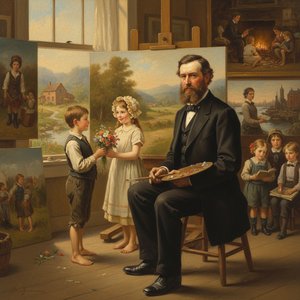
John George Brown: Capturing American Life & Sentiment in 19th-Century Genre Painting
Explore the captivating genre paintings of John George Brown, celebrated for his realistic depictions of 19th-century American life. Discover his legacy & find museum-quality reproductions at OriginalUniqueArt.

John Constable: Las 25 Obras Maestras del Paisaje Inglés | OriginalUniqueArt
Descubre las 25 obras maestras de John Constable, el pintor romántico inglés que capturó la belleza del paisaje. Explora su técnica, historia y significado en OriginalUniqueArt.com. Reproducciones de arte de alta calidad para tu hogar.

Georges Seurat: Las 25 Obras Maestras del Pionero Puntillista | OriginalUniqueArt
Descubre las 25 obras maestras de Georges Seurat, el innovador del puntillismo. Explora su técnica única, colores vibrantes y legado artístico en OriginalUniqueArt.com. Reproducciones de arte de museo para tu hogar.

Georges Braque: Las 25 Obras Maestras del Cubismo y su Legado en el Arte Moderno
Descubre las 25 obras maestras de Georges Braque, pionero del cubismo. Explora su innovadora técnica, colores y el legado del arte moderno francés. Reproducciones de alta calidad en OriginalUniqueArt.com. ¡Encuentra tu inspiración!

