

 Ver en contexto
 Enviar
 Compartir
 Detalles
 Guía
Guía

 Descargar
 Similares
 Radiografía
 Presentación de diapositivas
 Estadísticas
The Harpist


 Ver más
Reproducción al óleo hecha a mano
Óleo sobre lienzo pintado a mano en el tamaño y marco de su elección, realizado por encargo por nuestros artistas. ( Cambiar a impresiones Cambiar a imagen digital)




P118B €10

P118H €10

P118W €10

P438Z €10

P508JH €12

P508YH €12

P805H €10

P805Z €10

P919BZ €10

P919G €10

P919XJ €10

P959ZH €10

P968JZ €12

W106C €8

W218G €10

W218JH €8

W218Y €10

W307PJ €10

W316G €10

W316PJ €8

W316Y €10

W398PJ €8

W4111J €10

W500HY €15

W500JH €15

W692G €12

W849H €8

W940BG €15

W953PJ €8




Elija entre nuestros tamaños predefinidos que respetan las proporciones originales de la obra.

Indique el ancho y el alto que necesite para adaptarse a su marco o pared. Al tratarse de una obra pintada a mano, si requiere un tamaño con una proporción distinta, el artista puede pintar un poco más alrededor de la imagen o recortarla ligeramente; usted elige. Le enviaremos una maqueta digital para su aprobación antes de comenzar la pintura. La imagen que se muestra en esta página no refleja el resultado real; solo la maqueta lo hace.
Tras realizar el pedido, el equipo de OriginalUniqueArt.com enviará un correo electrónico al cliente para solicitar instrucciones y proporcionarle una vista previa del boceto.
Envío a todo el mundo () en 3-4 semanas en lugar de las 5 semanas estándar. (25 octubre). Sin comprometer la calidad.

Envío exprés gratuito a todo el mundo

Lienzo de lino de alta calidad

Seguro de envío total

Garantía de reembolso de aranceles aduaneros

Garantía de fidelidad cromática exacta

Política de devolución de 100 días (solo por defectos)

Garantía de devolución del 100% del dinero

Descuento por cantidad
 La opción de vidrio solo está disponible en tamaños inferiores a 110 cm.

The Harpist
Técnica de reproducción
Dimensiones de la reproducción
-


Precio total final
€ 263
A Portrait of Melancholy and Music: John George Brown’s “The Harpist”
John George Brown's "The Harpist," painted in 1870, is more than just a portrait; it’s a carefully constructed tableau of Victorian sensibilities and burgeoning American artistic aspirations. This evocative work, depicting a woman lost in the delicate strains of two harps, immediately draws the viewer into a world of quiet contemplation and musical beauty. Brown, an English immigrant who established himself as a successful artist in America during this period, masterfully captures a mood – one of wistful reflection and perhaps even a touch of sadness – that resonates deeply with the era’s fascination with romanticism and the burgeoning interest in classical music.
- Subject Matter: The central figure, a woman adorned in pink attire and a delicate blonde hairstyle accented by a pink bow, embodies the idealized feminine form popular in Victorian portraiture. Her posture suggests absorption in her musical endeavor, inviting the viewer to share in her private moment.
- Composition: The arrangement of the harps, violin, and chairs creates a sense of intimacy and domestic tranquility. The placement of the two chairs subtly directs the eye and reinforces the idea of a solitary artistic pursuit.
Technique and Style – A Victorian Masterclass
Brown’s technique is characterized by meticulous detail and a refined understanding of light and shadow, hallmarks of his training in England and honed through years of observation within the American art market. He employs smooth brushwork and subtle gradations of tone to create a remarkably realistic depiction of the woman's features and clothing. The use of pink hues – both in the subject’s attire and the background – contributes significantly to the painting’s overall mood, evoking feelings of tenderness and serenity. The artist demonstrates a clear command of color theory, utilizing complementary colors (pink and green/brown) to create visual harmony and depth.
- Realism with Romantic Touches: While rooted in realism, the painting possesses a distinctly romantic quality, evident in the subject’s melancholic expression and the idealized setting.
- Brushwork: Brown's brushstrokes are controlled and deliberate, contributing to the overall sense of quiet contemplation.
Symbolism and Historical Context
"The Harpist" reflects several key trends of the 1870s. The harp itself was a potent symbol of both ancient Greece and burgeoning Romantic musical movements, representing beauty, harmony, and emotional expression. The inclusion of the violin further emphasizes this connection to music. Furthermore, Brown’s work aligns with the Victorian fascination with childhood innocence and the portrayal of women as muses or artistic inspiration – a common theme in 19th-century art. The date of 1870 places the painting squarely within a period of significant social and economic change in America, marked by industrialization and urbanization, yet Brown’s work offers a poignant counterpoint to this rapid transformation, focusing on a moment of quiet beauty and introspection.
Emotional Impact and Artistic Legacy
Ultimately, “The Harpist” transcends its technical merits to evoke a powerful emotional response. The painting's subdued palette, coupled with the subject’s contemplative pose, creates an atmosphere of profound stillness and melancholy. It is a work that invites viewers to pause, reflect, and perhaps even contemplate their own relationship with music and beauty. John George Brown’s legacy lies not only in his technical skill but also in his ability to capture fleeting moments of human emotion with sensitivity and grace – a quality that continues to resonate with audiences today. This hand-painted reproduction offers an exceptional opportunity to experience the full impact of this remarkable artwork.
Preguntas y respuestas
¿Cómo puedo ver una vista previa de una reproducción de "The Harpist" de John George Brown?
Para previsualizar una reproducción de "The Harpist" de John George Brown, acceda a la página de Vista previa de la obra de la obra.
¿Cuándo se creó "The Harpist" y a qué movimiento pertenece?
"The Harpist" fue realizada en 1870, dentro del movimiento Victorian Genre Painting.
¿Los colores de "The Harpist" de John George Brown son intensos o tenues?
Los colores de "The Harpist" de John George Brown presentan una saturación Subtle Color. La saturación describe qué tan vivos o apagados son los colores.
Biografía del artista
John George Brown: Una Vida Dedicada a Capturar la Infancia Americana
- Nacido: Durham, Reino Unido (1831)
- Fallecido: 1913
John George Brown fue un artista británico-estadounidense reconocido por sus pinturas de género que representan la vida de los niños en Estados Unidos durante el siglo XIX. Su obra ofrece una visión conmovedora de la sociedad victoriana, centrándose particularmente en las experiencias de los niños callejeros y la juventud rural.
Primeros Años y Formación Artística
- Primeros Años: La primera etapa de Brown estuvo marcada por circunstancias modestas. Nacido en Durham, Inglaterra, comenzó a trabajar en una fábrica de vidrio a los catorce años para ayudar a mantener a su familia.
- Autoeducación: A pesar de la limitada formación formal, Brown demostró un talento artístico innato y se dedicó a su autoeducación a través de clases nocturnas en la Escuela de Diseño de Newcastle. Posteriormente estudió en la Academia de los Curadores en Edimburgo.
- Inmigración a América: En 1853, Brown emigró a los Estados Unidos, estableciéndose en Brooklyn, Nueva York. Este movimiento resultó fundamental para su carrera artística.
- Estudios Formales: Tras llegar a América, continuó sus estudios en la Graham Art School y la National Academy of Design, perfeccionando sus habilidades bajo instructores como Thomas Seir Cummings.
Carrera Artística y Estilo Característico
- Primeros Retratos: Brown se estableció inicialmente como retratista, pero gradualmente cambió su enfoque hacia escenas de género.
- El Auge del Género "Niño Callejero": A partir de la década de 1860, fue celebrado por sus representaciones de niños callejeros – lustrabotas, vendedores de periódicos y floristas – capturando sus vidas cotidianas con un detalle y una empatía notables. Estas pinturas resonaron profundamente en un público ansioso por ver representaciones de la vida estadounidense.
- Influencias: El estilo de Brown estuvo influenciado por la Escuela Barbizon, conocida por su énfasis en la pintura de paisajes y las representaciones realistas de la vida cotidiana. También admiraba el uso dramático de la luz y el color de William Turner.
- Características Distintivas: Sus pinturas se caracterizan por una representación sentimental pero observadora de la infancia, a menudo imbuida de connotaciones morales. La meticulosa atención al detalle de Brown, particularmente en la representación de la ropa y los alrededores, es notable.
- Éxito Comercial: Un hombre de negocios astuto, Brown protegió con derechos de autor muchos de sus trabajos más populares, lo que llevó a su amplia reproducción como cromolitografías e impresiones fotográficas, mejorando aún más su fama y éxito financiero.
Obras Principales y Significado Histórico
- Pinturas Notables: Algunas de las obras más conocidas de Brown incluyen "The Net Mender" (El Redentores) y "The First Point", que ejemplifican su capacidad para capturar la belleza de la vida cotidiana. “Claiming the Shot - A Group of Portraits after the Hunt in the Adirondacks” (Reclamando el disparo – Un grupo de retratos después de la caza en los Adirondacks) es otra obra significativa, que muestra una escena grupal con un realismo notable.
- Representación de la América Victoriana: Las pinturas de Brown ofrecen valiosas perspectivas sobre la sociedad estadounidense del siglo XIX, particularmente sobre las vidas de los niños trabajadores y el cambiante paisaje urbano.
- Comentario Moral: Su trabajo a menudo transmitía un mensaje moral sutil, reflejando su creencia en la importancia del trabajo duro, la honestidad y la resiliencia.
- Presencia en Museos: Las pinturas de Brown se encuentran en prestigiosas colecciones, incluyendo la Galería Nacional de Londres y el Instituto de Arte de Detroit.
Últimos Años y Legado
- Cambio hacia la Representación de los Ancianos: En sus últimos años, el enfoque artístico de Brown se desplazó hacia la representación de personas mayores, a menudo representadas en entornos rurales, evocando una sensación de nostalgia por un pasado más sencillo.
- Actividad Artística Continua: Siguió siendo un miembro activo de varias instituciones artísticas, incluyendo la American Watercolor Society y la National Academy of Design, sirviendo como vicepresidente de esta última desde 1899 hasta 1904.
- Impacto Duradero: John George Brown dejó atrás una obra significativa que continúa siendo admirada por su conmovedora representación de la infancia estadounidense y su perspicaz descripción de la sociedad victoriana. Es recordado como uno de los pintores de género más ricos de Estados Unidos en el momento de su muerte, un testimonio tanto de su talento artístico como de su habilidad empresarial.

John George Brown
1831 - 1913 , Reino Unido
Datos clave
- Artistas Influyentes: ['William Turner']
- Fecha De Fallecimiento: 8 de febrero de 1913
- Fecha De Nacimiento: 11 de noviembre de 1831
- Lugar De Nacimiento: Durham, Reino Unido
- Movimiento Artístico: Barbizon, Género
- Nacionalidad: Británico-Americano
- Nombre Completo: John George Brown
- Obras Notables:
- The Net Mender
- The First Point
- Claiming the Shot
Artículos relacionados

John Constable: Las 25 Obras Maestras del Paisaje Inglés | OriginalUniqueArt
Descubre las 25 obras maestras de John Constable, el pintor romántico inglés que capturó la belleza del paisaje. Explora su técnica, historia y significado en OriginalUniqueArt.com. Reproducciones de arte de alta calidad para tu hogar.

John Singer Sargent: Las 25 Obras Maestras del Retrato y la Belle Époque | OriginalUniqueArt
Descubre las 25 obras maestras de John Singer Sargent, el maestro del retrato y la Belle Époque. Explora su técnica impresionista, historias fascinantes y encuentra reproducciones de arte exclusivas para decorar tu hogar con elegancia en OriginalUniqueArt.com.

Georges Braque: Las 25 Obras Maestras del Cubismo y su Legado en el Arte Moderno
Descubre las 25 obras maestras de Georges Braque, pionero del cubismo. Explora su innovadora técnica, colores y el legado del arte moderno francés. Reproducciones de alta calidad en OriginalUniqueArt.com. ¡Encuentra tu inspiración!

Georges Seurat: Las 25 Obras Maestras del Pionero Puntillista | OriginalUniqueArt
Descubre las 25 obras maestras de Georges Seurat, el innovador del puntillismo. Explora su técnica única, colores vibrantes y legado artístico en OriginalUniqueArt.com. Reproducciones de arte de museo para tu hogar.
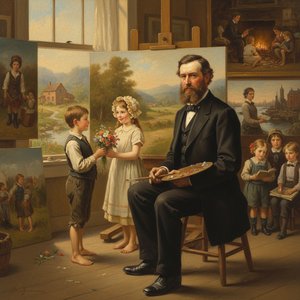
John George Brown: Capturing American Life & Sentiment in 19th-Century Genre Painting
Explore the captivating genre paintings of John George Brown, celebrated for his realistic depictions of 19th-century American life. Discover his legacy & find museum-quality reproductions at OriginalUniqueArt.


