

 Vista previa
 Compartir
 Compartir
 Ver detalles

 Descargar
 Ver artículos similares
 Radiografía
 Presentación de diapositivas
 Estadísticas
Stein and Press


 Leer más
Reproducción al óleo hecha a mano
Óleo sobre lienzo pintado a mano en el tamaño y marco de su elección, realizado por encargo por nuestros artistas. ( Cambiar a formato impreso Ver versión en imagen digital)




P118B $10

P118H $10

P118W $10

P438Z $10

P508JH $12

P508YH $12

P805H $10

P805Z $10

P919BZ $10

P919G $10

P919XJ $10

P959ZH $10

P968JZ $12

W106C $8

W218G $10

W218JH $8

W218Y $10

W307PJ $10

W316G $10

W316PJ $8

W316Y $10

W398PJ $8

W4111J $10

W500HY $15

W500JH $15

W692G $12

W849H $8

W940BG $15

W953PJ $8




Elija entre nuestros tamaños predefinidos que respetan las proporciones originales de la obra.

Puede ingresar sus propias dimensiones para adaptarse a un marco o espacio específico. Si el tamaño seleccionado no coincide con las proporciones de la imagen original, recortaremos la obra o extenderemos la pintura con elementos adicionales pintados a mano. Se le enviará una maqueta digital para su aprobación antes de comenzar la producción.
Tenga en cuenta que la vista previa en pantalla no refleja el recorte o la extensión reales. Solo la maqueta mostrará con precisión la composición final.
Si bien existen tamaños personalizados, recomendamos seleccionar una dimensión de la lista predefinida para preservar las proporciones originales.
Tras realizar el pedido, el equipo de OriginalUniqueArt.com enviará un correo electrónico al cliente para solicitar instrucciones y proporcionarle una vista previa del boceto.
Envío a todo el mundo () en 3-4 semanas en lugar de las 5 semanas estándar. (19 septiembre). Sin comprometer la calidad.

Envío exprés gratuito a todo el mundo

Lienzo de lino de alta calidad

Seguro de envío completo

Garantía de reembolso de impuestos aduaneros

Garantía de fidelidad cromática exacta

Política de devolución de 100 días (solo por defectos)

Garantía de devolución del 100% del dinero

Oferta por volumen
 La opción de vidrio solo está disponible en tamaños inferiores a 110 cm.

Stein and Press
Técnica de reproducción
Tamaño de la reproducción
-


Precio total
$ 300
Stein and Press: A Portrait of Urban Melancholy
John French Sloan’s “Stein and Press” (1906) stands as a cornerstone of Ashcan School realism—a movement dedicated to portraying the gritty realities of American city life with unflinching honesty. More than just a depiction of a woman seated in a dimly lit room, it's an exploration of solitude, introspection, and the quiet sorrow inherent within everyday existence. Sloan’s masterful use of chiaroscuro – dramatic contrasts between light and shadow – immediately establishes a mood of profound seriousness. The painting centers on a single female figure, rendered with meticulous detail against a backdrop of muted browns and greys that amplify her isolation. Her posture is subtly turned away from the viewer, fostering a sense of intimacy while simultaneously conveying vulnerability. Sloan’s brushstrokes are visible, layering textures to create an impressionistic surface that captures not just form but also atmosphere. The woman's clothing—a dark gown draped over a chair—adds to the somber palette and reinforces the feeling of quiet contemplation. Sloan’s technique is rooted in traditional oil painting methods, prioritizing tonal gradation and blending to achieve remarkable depth and luminosity. He skillfully employs hatching and cross-hatching to define facial features and drapery folds, demonstrating an unwavering commitment to draughtsmanship—a hallmark of his artistic approach. The composition itself contributes significantly to the artwork's emotional resonance; the flattened perspective subtly diminishes the grandeur of the setting, emphasizing the subject’s internal state rather than external surroundings. The Ashcan School, emerging in New York City during the Progressive Era, reacted against academic art conventions and championed a more truthful representation of urban life—often depicting poverty, hardship, and marginalized communities. Sloan's work aligns with this ethos, reflecting social concerns prevalent at the time while simultaneously exploring universal themes of human emotion. “Stein and Press” isn’t merely a portrait; it’s a meditation on the complexities of inner experience within the confines of an unremarkable space—a timeless reminder of the beauty found in quiet contemplation and the pervasive melancholy that accompanies solitude.- Artist: John French Sloan
- Year Created: 1906
- Medium: Oil on Canvas
- Style: Ashcan School Realism
- Location: Private Collection
Symbolic Resonance and Artistic Influence
Sloan’s deliberate use of muted colors—primarily browns, greys, and ochres—serves as a powerful visual metaphor for melancholy and introspection. The woman's averted gaze symbolizes withdrawal from the world, inviting viewers to contemplate her inner thoughts and feelings. Furthermore, Sloan’s stylistic choices – particularly his textured brushstrokes and chiaroscuro lighting – profoundly impacted subsequent generations of artists, establishing him as a pivotal figure in American Modernism. His unwavering dedication to portraying authentic human experience continues to inspire contemporary painters and designers alike.Biografía del artista
Early Life and Artistic Awakening
John French Sloan, born August 2, 1871, in Lock Haven, Pennsylvania, emerged from humble beginnings that profoundly shaped his artistic vision. His childhood was marked by a familial need for support; his father’s struggles with mental health necessitated young John taking on responsibilities beyond his years. This early exposure to the realities of working-class life—a world often overlooked by the established art circles—would become a defining characteristic of his oeuvre. He moved with his family to Philadelphia, where he honed his skills initially not through formal academic training, but as an assistant cashier at Porter and Coates, a bookstore brimming with prints and illustrations. This environment proved formative; it allowed him to study masters like Dürer and Rembrandt, fostering a deep appreciation for draftsmanship and etching techniques. It was here, amidst the commerce of printed images, that Sloan began creating his own art, quietly developing a style rooted in observation and meticulous detail. His early work wasn’t born from privilege or leisure, but from necessity and a keen eye for the world around him—a foundation upon which he would build a remarkable career.The Ashcan School and Urban Realism
Sloan's trajectory shifted dramatically with his encounter with Robert Henri, a charismatic painter who championed artistic independence and a commitment to portraying everyday life. This connection led Sloan to the heart of what became known as the Ashcan School—a group of artists dedicated to depicting the gritty realities of turn-of-the-century New York City. Alongside William Glackens, George Luks, Everett Shinn, and others, Sloan rejected the idealized landscapes and portraits favored by many of their contemporaries, instead turning their attention to the bustling streets, crowded tenements, and vibrant social life of the city’s poorer neighborhoods. His work became a visual chronicle of this often-ignored world—capturing scenes from McSorley's Bar to women drying their hair on rooftops. Sloan wasn’t merely documenting; he was imbuing these scenes with a sense of empathy and dignity, elevating the lives of ordinary people onto the canvas. He possessed an uncanny ability to capture the *essence* of neighborhood life, the subtle gestures and fleeting moments that revealed the character of a place and its inhabitants. This commitment to realism wasn’t simply aesthetic; it was also informed by his socialist leanings, though he always maintained a distinction between his art and his political beliefs.Style and Influences
Sloan's artistic style is characterized by a distinctive blend of influences. While rooted in realism, his work wasn’t devoid of stylistic nuance. He employed dark, rich hues—often emphasizing the contrast between light and shadow—to create a sense of drama and atmosphere. His compositions were carefully constructed, often utilizing strong diagonals to draw the viewer's eye into the scene. The influence of etching is evident in his precise linework and attention to detail, even in his paintings. Beyond Henri, Sloan drew inspiration from European masters like Edgar Degas and Honoré Daumier, admiring their ability to capture movement and social commentary. However, he forged a uniquely American voice, one that resonated with the energy and dynamism of New York City. His work wasn’t about grand narratives or historical events; it was about the small moments, the everyday experiences that constituted the fabric of urban life. He found beauty in the mundane, transforming ordinary scenes into compelling works of art. Wake of the Ferry, for example, exemplifies his ability to imbue a seemingly simple scene with emotional depth and symbolic resonance.Legacy and Lasting Impact
John French Sloan’s legacy extends far beyond his contributions to the Ashcan School. He was a prolific artist who worked in various mediums—painting, etching, lithography, drawing—and consistently explored themes of urban life, social justice, and human connection. His commitment to portraying the realities of working-class America paved the way for future generations of artists who sought to challenge conventional artistic norms and engage with social issues. He was a dedicated teacher, sharing his knowledge and passion with countless students throughout his career. Even as artistic tastes evolved, Sloan remained true to his vision, continuing to paint scenes that reflected his deep connection to New York City and its people. His work continues to resonate today, offering a poignant glimpse into a bygone era and reminding us of the enduring power of art to illuminate the human condition. His paintings are not merely historical documents; they are timeless portraits of life, love, and loss. Sloan’s influence can be seen in the works of subsequent realist painters and continues to inspire artists who seek to find beauty and meaning in the everyday world.
John French Sloan
1871 - 1951 , Estados Unidos
Datos clave
- Artistic Movement Or Style: Ashcan School, Realism
- Artists Or Movements Influenced By This Artist: ['Future generations']
- Artists Who Influenced This Artist: ['Robert Henri']
- Date Of Birth: August 2, 1871
- Full Name: John French Sloan
- Nationality: American
- Notable Artworks:
- Wake of the Ferry
- McSorley’s Bar
- Place Of Birth: Lock Haven, USA
Artículos relacionados
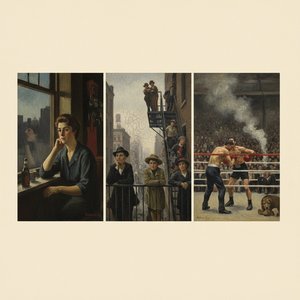
Realismo Americano: Comentario Social y Representación Artística en la Pintura del Siglo XX
Explora el Realismo Americano del siglo XX: un análisis profundo de sus artistas clave (Vertis Hayes, William Aiken Walker), técnicas y su poderoso comentario social. Descubre cómo este movimiento plasmó la identidad estadounidense.

Realismo Estadounidense: 10 Obras Maestras que Cambiaron el Arte y la Decoración
Descubre 10 obras maestras del Realismo Estadounidense: Winslow Homer, Edward Hopper y más. Explora la historia, técnica y emoción de estos icónicos cuadros. Encuentra reproducciones de arte de museo en OriginalUniqueArt.com.
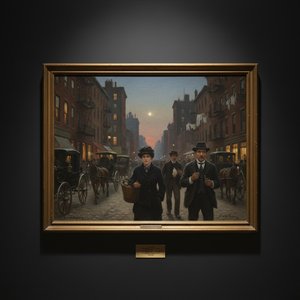
John Sloan: Capturing the Soul of American Urban Life – A Realist Master
Explore the life & art of John Sloan, a key figure of American Realism and the Ashcan School. Discover his evocative NYC scenes, socialist influences, and lasting impact on modern art. Learn more at OriginalUniqueArt.

The Unvarnished Truth: A Cultural Journey Through the Soul of American Realism
Explore the profound beauty of American Realism. From the Ashcan School's urban grit to intimate portraits, discover how artists captured the authentic soul of a nation through unvarnished truth and masterful observation.
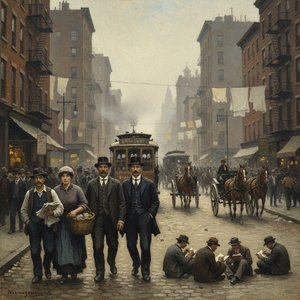
La Escuela del Cubo de Basura: Realismo Urbano y la Democratización del Arte Americano
Exploramos la Escuela del Cubo de Basura y el realismo urbano americano. Descubre cómo este movimiento artístico revolucionó la representación de la sociedad, democratizando el arte y desafiando las convenciones estéticas tradicionales.

