
 Vista previa
 Compartir
 Compartir
 Ver detalles
 Guía
Guía

 Descargar
 Ver artículos similares
 Radiografía
 Presentación de diapositivas
 Estadísticas
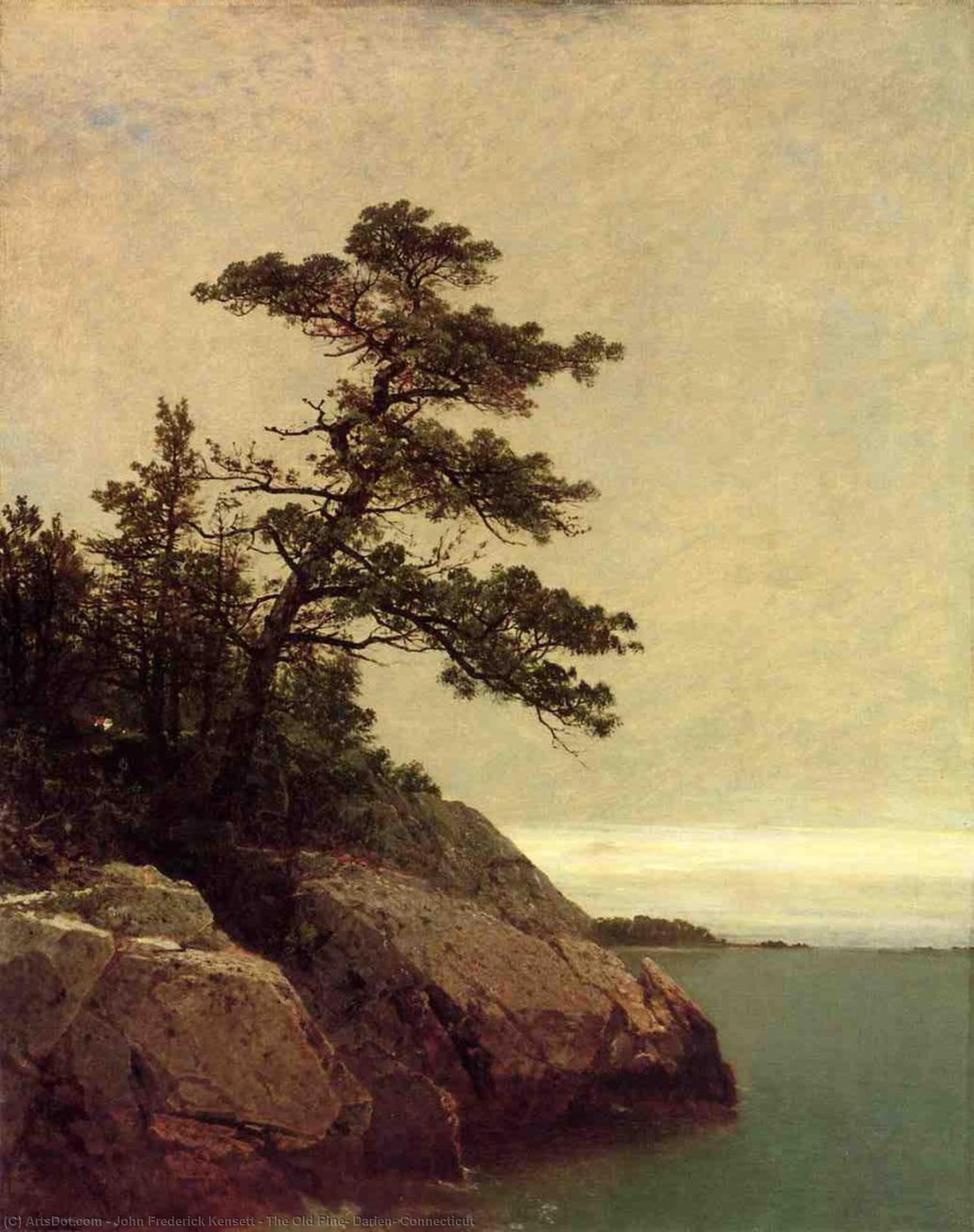
The Old Pine, Darien, Connecticut


 Leer más
Giclée / Impresión de arte
Impresiones giclée o en lienzo de calidad de museo con producción rápida y opciones de acabado flexibles. ( Encargar reproducción pintada a mano Ver versión en imagen digital)




P118B $10

P118H $10

P118W $10

P438Z $10

P508JH $12

P508YH $12

P805H $10

P805Z $10

P919BZ $10

P919G $10

P919XJ $10

P959ZH $10

P968JZ $12

W106C $8

W218G $10

W218JH $8

W218Y $10

W307PJ $10

W316G $10

W316PJ $8

W316Y $10

W398PJ $8

W4111J $10

W500HY $15

W500JH $15

W692G $12

W849H $8

W940BG $15

W953PJ $8




Elija entre nuestros tamaños predefinidos que respetan las proporciones originales de la obra.

Puede introducir sus propias dimensiones para adaptarse a un marco o espacio específico. Si el tamaño seleccionado no coincide con las proporciones de la imagen original, recortaremos la obra de arte o extenderemos la imagen con un borde con efecto espejo o de color sólido. Se enviará una maqueta digital para su aprobación antes de que comience la producción.
Tenga en cuenta que la vista previa en pantalla no refleja el recorte o la extensión real. Solo la maqueta mostrará con precisión la composición final.
Aunque existen tamaños personalizados, recomendamos seleccionar una dimensión de la lista predefinida para preservar las proporciones originales.
Envío a todo el mundo () en 2 semanas en lugar de las 4/5 semanas estándar. (25 septiembre)

Envío exprés gratuito a todo el mundo

Lienzo de lino de alta calidad

Seguro de envío completo

Garantía de reembolso de impuestos aduaneros

Garantía de fidelidad cromática exacta

Política de devolución de 100 días (solo por defectos)

Garantía de devolución del 100% del dinero

Oferta por volumen
 La opción de vidrio solo está disponible en tamaños inferiores a 110 cm.

The Old Pine, Darien, Connecticut
Giclée / Impresión de arte
Tamaño de la reproducción
-


Precio total
$ 80
A Moment Frozen in Light: Exploring John Frederick Kensett’s “The Old Pine”
John Frederick Kensett (1816–1872), a pivotal figure in the Hudson River School and Luminist movement, possessed an unparalleled ability to distill the essence of American landscape into exquisitely rendered paintings. His work transcends mere depiction; it strives for a profound communion with nature, capturing not just what is seen but also how it feels—a stillness imbued with radiant luminosity that continues to captivate viewers today. “The Old Pine,” painted in 1872 during his final summer on Long Island Sound off Darien, Connecticut, exemplifies this artistic philosophy perfectly.Subject Matter and Composition: A Study in Tranquility
At first glance, the painting presents a deceptively simple scene: a solitary pine tree perched precariously on a cliff edge overlooking the expansive ocean. However, Kensett’s meticulous observation reveals layers of detail—the rugged coastline punctuated by weathered rocks—that contribute to an overall impression of austere beauty and resilience. The artist deliberately eschewed grand vistas or dramatic narratives, opting instead for a focused portrayal of a single tree against the backdrop of atmospheric light. This deliberate restraint serves not to diminish the scene’s impact but rather to heighten its contemplative quality.Luminist Technique: Capturing Transient Light
Kensett's signature style—luminism—was born from a fascination with capturing fleeting moments of natural illumination. Unlike his predecessors who often employed dramatic chiaroscuro effects, Kensett favored subtle gradations of color and tone to convey the ethereal quality of sunlight filtering through foliage. The artist achieved this remarkable feat through painstaking layering of thin glazes – applying multiple coats of translucent paint—allowing each subsequent layer to subtly modify the hue and intensity of light reflected from beneath. This technique is particularly evident in the dappled illumination that dances across the pine needles, creating an illusion of movement and vibrancy despite the stillness of the composition.Historical Context: Transcendentalism and the American Spirit
“The Old Pine” emerged during a period marked by intellectual ferment—the Transcendentalist movement championed by Ralph Waldo Emerson and Henry David Thoreau—which profoundly influenced American art and thought. These thinkers believed in the inherent goodness of humanity and the interconnectedness of all things, advocating for a return to nature as a source of spiritual renewal. Kensett’s painting embodies this ethos, reflecting the broader cultural preoccupation with capturing sublime beauty and conveying a sense of awe before the grandeur of the natural world. It speaks to an ideal of American identity rooted in simplicity, contemplation, and reverence for the unspoiled landscapes of the nation.Symbolism: Resilience Amidst Decay
The pine tree itself holds significant symbolic weight within Western tradition—representing longevity, perseverance, and spiritual fortitude. Its weathered trunk and sparse foliage serve as a poignant reminder of the passage of time and the inevitability of decay, yet it stands tall against the turbulent sea winds, symbolizing resilience and unwavering faith in the face of adversity. Kensett’s deliberate choice to depict this tree—a symbol of enduring strength—underscores the painting's overarching message: beauty can be found even in solitude and vulnerability, and true artistry lies in capturing the profound emotional resonance of natural phenomena.Emotional Impact: A Balm for the Soul
Ultimately, “The Old Pine” transcends mere visual representation; it aspires to evoke a feeling of serenity and contemplation within the viewer. The painting’s luminous palette and harmonious composition invite us to pause, breathe deeply, and appreciate the quiet grandeur of the natural world—a balm for the anxieties of modern life that continues to resonate with audiences today. It is a testament to Kensett's mastery of Luminist technique and his unwavering commitment to conveying the sublime beauty of American landscape.Biografía del artista
Una vida dedicada a capturar paisajes serenos
John Frederick Kensett, un artista y grabador estadounidense, nació el 22 de marzo de 1816 en Cheshire, Connecticut. Como miembro de la segunda generación de los artistas de la Escuela del Río Hudson, las obras características de Kensett se distinguen por sus cualidades serenas y luminosas, celebrando los aspectos trascendentales de la naturaleza.Vida temprana y formación
Kensett asistió a la Academia Cheshire y estudió grabado con su padre, Thomas Kensett. Posteriormente trabajó como grabador en New Haven hasta 1838, luego se mudó a Nueva York para trabajar en grabados de billetes bancarios. En 1840, Kensett viajó a Europa para estudiar pintura, perfeccionando sus talentos junto a Benjamin Champney.Establecimiento del estudio y estilo luminista
Después de establecer su estudio en Nueva York, Kensett viajó extensamente por el noreste y las Montañas Rocosas de Colorado, capturando la esencia de estos paisajes. Su estilo evolucionó desde la Escuela tradicional del Río Hudson hasta un enfoque más refinado, luminista, caracterizado por pinceladas desinhibidas que transmiten cualidades de luz atmosférica.- Mount Washington from the Valley of Conway (1851), una pintura icónica, fue comprada por la Unión de Arte Americano y distribuida a 13.000 suscriptores.
- Eaton's Neck, Long Island (1872), un ejemplo primordial del estilo luminista de Kensett, se encuentra ahora en la colección del Museo Metropolitano de Arte en Nueva York.
Desarrollo artístico e influencias
La obra temprana de Kensett debió mucho a la influencia de Thomas Cole, pero desde el principio se distinguió por una preferencia por colores más fríos y un interés en topografías menos dramáticas, favoreciendo la contención tanto en la paleta como en la composición. Durante su estancia en Europa, Kensett desarrolló una apreciación y afinidad por la pintura de paisajes holandesa del siglo XVII. Su viaje a Europa junto con Asher Durand y John William Casilear fue crucial para su desarrollo artístico, permitiéndole estudiar las técnicas de los maestros europeos y refinar su propio estilo.Legado y contribuciones
Kensett fue un fundador del Museo Metropolitano de Arte y miembro titular de la Academia Nacional de Diseño. Su obra, ampliamente aclamada durante su vida, continúa influyendo en la pintura de paisajes. Obras clave:- Sunset Sky (ca. 1870), Museo Metropolitano de Arte, Nueva York
- Three Mile Harbor (ca. 1860), Museo de Bellas Artes, Tallahassee

John Frederick Kensett
1816 - 1872 , Estados Unidos de América
Datos clave
- Artistas Que Influyeron:
- Thomas Cole
- Benjamin Champney
- Fecha De Fallecimiento: 14 de diciembre de 1872
- Fecha De Nacimiento: 22 de marzo de 1816
- Lugar De Nacimiento: Cheshire, EE. UU.
- Movimiento Artístico: Hudson River School, Luminismo
- Nacionalidad: Estadounidense
- Nombre Completo: John Frederick Kensett
- Obras Notables:
- Mount Washington from the Valley of Conway
- Eaton's Neck, Long Island
- Sunset Sky
- Three Mile Harbor
Artículos relacionados
El Sublime Paisaje Americano: Explorando el Movimiento de la Escuela del Río Hudson
Descubre la Escuela del Río Hudson: un movimiento artístico clave en la historia de la pintura estadounidense. Explora su estética romántica, sus artistas más destacados y el concepto del sublime paisaje americano.
Los 10 Maestros del Río Hudson: Obras que Definieron un Movimiento Artístico
Descubre los 10 lienzos más emblemáticos de la Escuela del Río Hudson. Explora las obras maestras de Thomas Cole, Church y Bierstadt que capturan la belleza del paisaje americano. Encuentra reproducciones de arte exclusivas en OriginalUniqueArt.com.

Wild & Untamed: The High-Impact Energy of American Romanticism and the Hudson River School
Experience the raw power of American Romanticism. Explore the high-impact energy of the Hudson River School through premium, hand-painted oil reproductions that capture the sublime beauty and untamed spirit of the American wilderness for discerning collectors.

Robert Spencer: Luminism, Narrative & the American Landscape Tradition
Explore the captivating world of Luminism & the Hudson River School with our expert analysis. Discover the history, artists, and enduring beauty of 19th-century American landscape painting. Find museum-quality reproductions at OriginalUniqueArt.

John Frederick Kensett: Luminosity, Landscape & the American Identity
Explore the luminous landscapes of John Frederick Kensett, a master of Luminism and key figure in the Hudson River School. Discover his serene paintings & enduring legacy with OriginalUniqueArt.


