

 Vista previa
 Compartir
 Compartir
 Ver detalles
 Guía
Guía

 Descargar
 Ver artículos similares
 Radiografía
 Presentación de diapositivas
 Estadísticas
Kimet


 Leer más
La obra de arte que se muestra en esta página está protegida por las leyes de propiedad intelectual, lo que significa que no podemos crear ni vender legalmente una reproducción idéntica. Esta protección se hace cumplir en virtud de acuerdos internacionales como el Convenio de Berna y por las leyes nacionales, incluidas aquellas establecidas por el Ley de derechos de autor de los EE. UU. - Título 17.
Este método cumple plenamente con las normativas de derechos de autor, ya que no implica la copia ni la duplicación de la obra protegida. En su lugar, se trata de una reinterpretación creativa: una nueva pintura influenciada por la original, pero que no es idéntica a ella.
Giclée / Impresión de arte
Impresiones giclée o en lienzo de calidad de museo con producción rápida y opciones de acabado flexibles. ( Encargar reproducción pintada a mano Ver versión en imagen digital)




P118B €10

P118H €10

P118W €10

P438Z €10

P508JH €12

P508YH €12

P805H €10

P805Z €10

P919BZ €10

P919G €10

P919XJ €10

P959ZH €10

P968JZ €12

W106C €8

W218G €10

W218JH €8

W218Y €10

W307PJ €10

W316G €10

W316PJ €8

W316Y €10

W398PJ €8

W4111J €10

W500HY €15

W500JH €15

W692G €12

W849H €8

W940BG €15

W953PJ €8




Elija entre nuestros tamaños predefinidos que respetan las proporciones originales de la obra.

Introduzca el ancho y el alto que necesite para adaptarse a su marco o pared. Una impresión solo puede recortarse, nunca hacerse más grande que la imagen original, por lo que un tamaño con una forma distinta perderá parte de la obra. Le enviaremos una maqueta digital para su aprobación antes de realizar cualquier impresión. La imagen que se muestra en esta página no refleja el recorte real; solo la maqueta lo hace.
Envío a todo el mundo () en 2 semanas en lugar de las 4/5 semanas estándar. (22 octubre)

Envío exprés gratuito a todo el mundo

Lienzo de lino de alta calidad

Seguro de envío completo

Garantía de reembolso de impuestos aduaneros

Garantía de fidelidad cromática exacta

Política de devolución de 100 días (solo por defectos)

Garantía de devolución del 100% del dinero

Oferta por volumen
 La opción de vidrio solo está disponible en tamaños inferiores a 110 cm.

Kimet
Giclée / Impresión de arte
Tamaño de la reproducción
-


Precio total
€ 70
A Window into Pennsylvania Impressionism
In the quiet, rolling landscapes of the Lehigh Valley, there exists a profound sense of stillness that John Emil Berninger captured with unparalleled mastery in his 1981 work, Kimet. As a prominent figure within the Pennsylvania Impressionist movement, Berninger possessed the rare ability to translate the rugged beauty of his native Allentown into a visual poem of light and earth. This particular piece serves as a breathtaking testament to a lifetime spent observing the subtle shifts of the American countryside. The painting invites the viewer into a serene rural settlement, where the architecture of human habitation meets the soft, undulating rhythm of the natural world. It is not merely a depiction of buildings and hills, but an evocative journey into a bygone era of pastoral tranquility.
The composition of Kimet is a masterclass in balance and visual flow. Berninger utilizes a sophisticated arrangement of leading lines—formed by winding roads and the receding edges of structures—to guide the eye through the heart of the scene toward the distant, hazy hills. The central building acts as an anchor, a focal point around which the smaller structures and organic landscape elements orbit in perfect harmony. Through this deliberate structural design, the artist creates a palpable sense of depth, making the canvas feel less like a flat surface and more like a window into a sprawling, breathing environment. For the collector or interior designer, this balanced composition offers a grounding presence, capable of anchoring a room with its steady, rhythmic grace.
Technically, the painting is a triumph of layered oil application and impressionistic texture. Berninger eschews clinical precision in favor of a more emotive, tactile approach, using visible brushstrokes to build a rich topography on the canvas. The color palette is a warm embrace of earth tones; deep reds, sun-drenched yellows, and rich browns dominate the foreground, providing a sense of warmth and stability. These are artfully contrasted by the cooler blues and soft whites of an overcast sky, which bathes the entire landscape in a diffused, gentle light. This interplay of temperature and texture creates a luminous quality, where the light seems to emanate from within the paint itself, capturing the fleeting atmosphere of a quiet afternoon.
Beyond its aesthetic brilliance, Kimet resonates with deep emotional and symbolic weight. It embodies the spirit of rural life—a celebration of permanence, peace, and the enduring connection between man and land. The soft, diffused lighting suggests a moment of pause, an invitation to reflect on the simplicity and beauty of the natural cycle. For those seeking to adorn a space with art that inspires contemplation, this reproduction offers more than just decoration; it provides a soulful connection to the heritage of American landscape painting. It is a piece that speaks of home, of history, and of the timeless allure of the quiet countryside.
Preguntas y respuestas
¿De qué trata "Kimet"?
Los temas de "Kimet" son rural landscape, pennsylvania scene, cloudy weather, village setting, rolling hills, american art, impressionist style.
¿Es "Kimet" representativo de lo que John Emil Berninger solía crear?
Entre los temas recurrentes de John Emil Berninger —pennsylvania impressionism, local allentown community, art museum curator role, regional landscape focus, early 20th century art, artist's regional identity, community arts patronage, documenting rural life— "Kimet" aporta su propio enfoque sobre rural landscape, pennsylvania scene, cloudy weather, village setting, rolling hills, american art, impressionist style.
¿Qué nivel de saturación cromática tiene "Kimet" de John Emil Berninger?
La paleta de "Kimet" tiene una saturación Balanced Soft.
Biografía del artista
John Emil Berninger: Un Impresionista de Pensilvania
- Nacimiento: 13 de diciembre de 1896, Allentown, Pensilvania
- Fallecimiento: 16 de julio de 1981, Allentown, Pensilvania
- Nacionalidad: Estadounidense
- Movimiento: Impresionismo de Pensilvania
- Reconocido por: Pintura de paisajes, escenas invernales, representaciones del Valle de Lehigh
Primeros Años y Formación
- Berninger nació en el seno de una familia que en Allentown valoraba profundamente el arte y la cultura.
- Desde su temprana adolescencia, comenzó a experimentar con la pintura al óleo.
- Entre sus influencias más significativas se encuentran Orlando Gray Wales y Arlington Nelson Lindenmuth.
- Un momento crucial en su trayectoria fue asistir a la primera clase de Walter Emerson Baum en Allentown durante el verano de 1926, lo que marcó un desarrollo clave en su estilo artístico; la influencia de Baum es considerada fundamental en la obra de Berninger.
Desarrollo Artístico y Carrera
- Escuela de Arte Kline-Baum: En 1932, Berninger se convirtió en instructor de arte en la Escuela de Arte Kline-Baum, compartiendo su conocimiento e inspirando a nuevas generaciones de estudiantes.
- Circulating Picture Club: En 1934, alcanzó el reconocimiento al ser uno de los cuatro alumnos de Baum aceptados en el Circulating Picture Club de la Philadelphia Art Alliance, un logro trascendental para cualquier artista.
- Curador del Museo de Arte de Allentown: Entre 1936 y 1956, Berninger desempeñó el cargo de primer curador del Museo de Arte de Allentown, fundado por Walter Emerson Baum. Durante este periodo, residió en la segunda planta del museo junto a su esposa, Mabel, quien no solo le asistía en sus labores curatoriales, sino que también apoyaba activamente el Circulating Picture Club de la Escuela Kline-Baum.
- Wuchter y Berninger: En 1939, se convirtió en socio de la joyería Wuchter y Berninger, utilizando el escaparate del establecimiento para exhibir sus lienzos. Esta exposición le permitió conectar con figuras como Robert Rodale, quien se convirtió en un gran defensor de su obra.
Estilo y Obras Destacadas
- Impresionismo de Pensilvania: El estilo de Berninger está firmemente arraigado en el Impresionismo de Pensilvania, fusionando técnicas realistas con la luz y el color propios del impresionismo. Se le consideraba parte del "anillo exterior" de la Escuela de New Hope.
- Temática: Sus pinturas se centraban primordialmente en los paisajes del Valle de Lehigh y sus alrededores, capturando a menudo colinas ondulantes, bosques, vías fluviales y evocadoras escenas invernales o paisajes nevados.
- Técnica: Berninger empleaba colores audaces y pinceladas sueltas para capturar la esencia vibrante de sus sujetos.
- Obras Notables: Kimet es un ejemplo célebre que muestra una composición equilibrada con tonos cálidos y una pincelada texturizada. Otras obras destacadas incluyen representaciones del puente Meyers en Allentown y diversas escenas de invierno.
Legado e Importancia Histórica
- La obra de Berninger contribuye a la rica tradición del Impresionismo de Pensilvania, documentando con maestría la belleza de los paisajes de la región.
- Su labor como curador del Museo de Arte de Allentown fue instrumental para establecer una institución cultural sólida en la ciudad.
- Es recordado como un influyente instructor de arte y un dedicado defensor de las artes en el Valle de Lehigh.
- Las pinturas de Berninger continúan siendo apreciadas hoy en día por sus colores vibrantes, sus evocadoras representaciones de la naturaleza y su fiel representación del patrimonio artístico de Pensilvania.

John Emil Berninger
1896 - 1981 , Estados Unidos
Datos clave
- Artistic Movement Or Style: Impresionismo de Pensilvania
- Artists Who Influenced This Artist:
- Orlando Gray Wales
- Arlington Nelson Lindenmuth
- Walter Emerson Baum
- Date Of Birth: 13 de diciembre de 1896
- Date Of Death: 16 de julio de 1981
- Full Name: John Emil Berninger
- Nationality: Estadounidense
- Notable Artworks:
- Kimet
- Escena nevada Hotel Bethlehem
- Place Of Birth: Allentown, EE. UU.
Artículos relacionados

John Singer Sargent: Las 25 Obras Maestras del Retrato y la Belle Époque | OriginalUniqueArt
Descubre las 25 obras maestras de John Singer Sargent, el maestro del retrato y la Belle Époque. Explora su técnica impresionista, historias fascinantes y encuentra reproducciones de arte exclusivas para decorar tu hogar con elegancia en OriginalUniqueArt.com.

Cultivating Visions: A Historical Journey Through Rural Landscapes in Art
Explore the rich history of rural landscape painting with OriginalUniqueArt. Discover Impressionist masterpieces, key artists & movements. Find your perfect serene artwork and bring nature's beauty home.

Paisajes Románticos: 10 Obras Maestras que Definieron un Movimiento Artístico
Descubre los 10 paisajes románticos más influyentes de artistas como Caspar David Friedrich y Turner. Explora la belleza, el simbolismo y las técnicas del movimiento romántico. Reproducciones de arte exclusivas en OriginalUniqueArt.com.
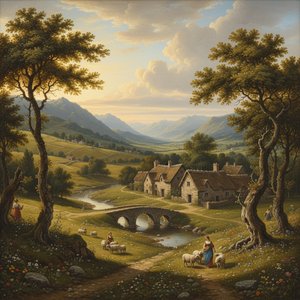
Evoking Arcadia: A Historical & Aesthetic Exploration of Rural Landscape Art
Explore the rich history of pastoral landscape art, from classical Arcadia to Impressionism & beyond. Discover key artists, movements, and how to collect serene rural scenes for your home. Expert insights at OriginalUniqueArt.

John Constable: Las 25 Obras Maestras del Paisaje Inglés | OriginalUniqueArt
Descubre las 25 obras maestras de John Constable, el pintor romántico inglés que capturó la belleza del paisaje. Explora su técnica, historia y significado en OriginalUniqueArt.com. Reproducciones de arte de alta calidad para tu hogar.