Vista previa
 Compartir
 Compartir
 Ver detalles
 Guía
Guía

 Descargar
 Ver artículos similares
 Radiografía
 Presentación de diapositivas
 Estadísticas
Hampstead Heath, con una hoguera
 Romanticismo
 1822
1822 31.0 x 37.0 cm
 Yale Center for British Art
 Leer más
Giclée / Impresión de arte
Impresiones giclée o en lienzo de calidad de museo con producción rápida y opciones de acabado flexibles. ( Encargar reproducción pintada a mano Ver versión en imagen digital)




P118B €10

P118H €10

P118W €10

P438Z €10

P508JH €12

P508YH €12

P805H €10

P805Z €10

P919BZ €10

P919G €10

P919XJ €10

P959ZH €10

P968JZ €12

W106C €8

W218G €10

W218JH €8

W218Y €10

W307PJ €10

W316G €10

W316PJ €8

W316Y €10

W398PJ €8

W4111J €10

W500HY €15

W500JH €15

W692G €12

W849H €8

W940BG €15

W953PJ €8




Elija entre nuestros tamaños predefinidos que respetan las proporciones originales de la obra.

Introduzca el ancho y el alto que necesite para adaptarse a su marco o pared. Una impresión solo puede recortarse, nunca hacerse más grande que la imagen original, por lo que un tamaño con una forma distinta perderá parte de la obra. Le enviaremos una maqueta digital para su aprobación antes de realizar cualquier impresión. La imagen que se muestra en esta página no refleja el recorte real; solo la maqueta lo hace.
Envío a todo el mundo () en 2 semanas en lugar de las 4/5 semanas estándar. (23 octubre)

Envío exprés gratuito a todo el mundo

Lienzo de lino de alta calidad

Seguro de envío completo

Garantía de reembolso de impuestos aduaneros

Garantía de fidelidad cromática exacta

Política de devolución de 100 días (solo por defectos)

Garantía de devolución del 100% del dinero

Oferta por volumen
 La opción de vidrio solo está disponible en tamaños inferiores a 110 cm.

Hampstead Heath, con una hoguera
Giclée / Impresión de arte
Tamaño de la reproducción
-


Precio total
€ 70
Un vistazo a la tranquilidad rural: Hampstead Heath, con una hoguera de John Constable
La obra *Hampstead Heath, con una hoguera* de John Constable, pintada alrededor de 1822, es mucho más que un simple paisaje; es un retrato evocador de la vida inglesa de principios del siglo XIX y un testimonio de la profunda conexión del artista con la naturaleza. Este cautivador óleo sobre lienzo (31 x 37 cm) reside actualmente en el Yale Center for British Art, un hogar digno para una obra tan significativa.Contexto histórico e innovación artística
Constable emergió durante un momento crucial en la historia del arte, tendiendo un puente entre las tradiciones clásicas y el floreciente movimiento romántico. Aunque estuvo influenciado por maestros como Claude Lorrain, rechazó las rígidas convenciones académicas, esforzándose en su lugar por capturar el sentimiento de una escena: su atmósfera, su luz y su resonancia emocional. Fue un pionero en pintar directamente desde la naturaleza, una práctica que dotó a sus paisajes de un sentido de autenticidad sin precedentes. Esta dedicación lo distinguió de muchos contemporáneos e influyó profundamente en artistas de toda Europa, inspirando notablemente a la escuela de Barbizon en Francia. El año 1822 fue, en sí mismo, un periodo de gran producción artística, con Constable exhibiendo junto a otras figuras prominentes, aunque su enfoque único continuó desafiando las normas establecidas.Una escena de ocio y comunidad
La pintura representa Hampstead Heath, una vasta extensión de parques cerca de Londres, rebosante de vida. Una hoguera sirve como punto focal, alrededor de la cual se congregan diversas figuras: algunas permanecen cerca del calor y la luz, mientras otras se desvanecen en la distancia. En el primer plano, unos caballos pastan pacíficamente, añadiendo serenidad a la atmósfera idílica. Un edificio que se vislumbra al fondo sugiere la presencia de un pueblo o ciudad cercana, anclando la escena en la realidad. Constable equilibra magistralmente la representación de la actividad humana con la grandeza del mundo natural, enfatizando la relación armoniosa entre ambos.Técnica y estilo: La esencia del Romanticismo
La técnica de Constable se caracteriza por pinceladas sueltas y expresivas, junto a una aguda sensibilidad hacia la luz y el color. Empleó un estilo de impasto —aplicando la pintura de forma espesa sobre el lienzo— particularmente en zonas como la hoguera y la vegetación del primer plano, creando textura y profundidad. El cielo domina gran parte de la composición, plasmado con nubes arremolinadas y sutiles gradaciones de azul y gris. Esta perspectiva atmosférica atrae la mirada del espectador hacia la lejanía, realzando la sensación de amplitud. El efecto general es de espontaneidad e inmediatez, como si Constable hubiera capturado la escena directamente *en plein air* (al aire libre). La pintura ejemplifica los principios clave del Romanticismo: el énfasis en la emoción, la celebración de la belleza sublime de la naturaleza y el enfoque en la experiencia individual.Simbolismo e impacto emocional
Más allá de su superficie pintoresca, *Hampstead Heath, con una hoguera* posee un gran peso simbólico. La hoguera misma representa el calor, la comunidad y, quizás, incluso una conexión primaria con la tierra. Es un punto de encuentro que sugiere interacción social y experiencias compartidas. La inmensidad del brezal evoca sentimientos de libertad y tranquilidad, mientras que las pequeñas figuras humanas enfatizan el poder y la escala de la naturaleza. La intención de Constable no era simplemente registrar un paisaje, sino transmitir su profunda respuesta emocional ante él: una sensación de paz, nostalgia y reverencia por el mundo natural.Legado y coleccionismo
La influencia de Constable en las generaciones posteriores de artistas es innegable. Su dedicación a capturar la esencia de la naturaleza continúa inspirando a los pintores de hoy. Adquirida por el Yale Center for British Art en 1999 gracias a la generosidad de Paul Mellon, *Hampstead Heath, con una hoguera* se erige como un testimonio del legado perdurable de Constable y permanece como una obra maestra muy apreciada dentro de su distinguida colección. Para aquellos que deseen traer esta escena tranquila a sus propios hogares, existen reproducciones de alta calidad disponibles, permitiendo a los amantes del arte experimentar la belleza y la profundidad emocional de la visión de Constable.- Explore otras obras de John Constable: *Dedham Vale*, *The Hay Wain*
- Descubra la Escuela de Barbizon y su conexión con la influencia de Constable.
- Aprenda más sobre el Romanticismo y sus características principales.
Preguntas y respuestas
¿Qué tan intensos son los colores en "Hampstead Heath, con una hoguera" de John Constable?
Los colores en "Hampstead Heath, con una hoguera" de John Constable tienen una intensidad Equilibrado.
¿De qué manera el estilo de "Hampstead Heath, con una hoguera" se relaciona con la época de su creador?
"Hampstead Heath, con una hoguera" pertenece al movimiento Romanticismo, y su creador trabajó en la época Siglo XIX.
¿Los colores de "Hampstead Heath, con una hoguera" de John Constable son intensos o tenues?
El color de "Hampstead Heath, con una hoguera" presenta una saturación de Color sutilmente saturado y una intensidad de Equilibrado.
Biografía del artista
**vida temprana y dificultades**
john constable, un reconocido artista británico, nació el 23 de junio de 1776 en East Bergholt, Suffolk. Su vida temprana estuvo marcada por una profunda conexión con la naturaleza, que más tarde se convertiría en la marca distintiva de su estilo artístico. A pesar de enfrentar numerosos desafíos en el mercado del arte inglés, la dedicación inquebrantable de Constable a su oficio allanó el camino para un legado que va mucho más allá de su tiempo.**estilo artístico e influencia**
El enfoque distintivo de Constable en la pintura de paisajes, caracterizado por su énfasis en la belleza natural y la profundidad emocional, marcó un cambio significativo en el género. Su influencia fue particularmente profunda en Francia, donde desempeñó un papel clave en la configuración de la escuela de Barbizon de pintores. Esta escuela, conocida por su enfoque en el realismo y la naturaleza, se inspiró directamente en las técnicas y temas de Constable.- Netley Abbey (óleo sobre lienzo), un testimonio de su habilidad para capturar la esencia de los paisajes naturales.
- The Judges Walk, Hampstead (romanticismo, óleo), que muestra su capacidad para infundir toques personales en su obra.
- A View on the Stour near Dedham (129 x 188 cm, romanticismo, óleo sobre lienzo), un ejemplo primordial de su influencia en el género del paisaje.
**legado y recuerdo**
Hoy en día, John Constable es recordado no solo como un pintor de paisajes, sino también como un pionero que abrió nuevas posibilidades para la expresión emocional en el arte. Su profundo impacto en el curso de la pintura de paisajes en el siglo XIX y más allá es innegable. Puntos clave:** * Influyente en el desarrollo de la escuela de Barbizon en Francia * Pionero de un nuevo enfoque en la pintura de paisajes, centrado en la belleza natural y la profundidad emocional * Luchó por el reconocimiento en el mercado del arte inglés durante su vida- Explore más obras de Constable en https://OriginalUniqueArt.com/@/john-constable
- Descubra las obras maestras del Museo Blake (Reino Unido) en https://OriginalUniqueArt.com/@@/d3bux7
- Aprenda más sobre la escuela de Barbizon y su influencia en la pintura de paisajes en https://en.wikipedia.org/wiki/barbizon_school
**conclusión**
El legado de John Constable es un testimonio del poder transformador del arte. Su influencia en la pintura de paisajes, tanto en su tiempo como más allá, sirve como un recordatorio del profundo impacto que un artista puede tener en el mundo.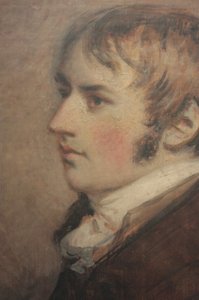
John Constable
1776 - 1837 , Reino Unido
Datos clave
- Artistas Influenciados: ['Escuela de Barbizon']
- Artistas Que Influyeron:
- Claude Lorrain
- Jacob van Ruisdael
- Fecha De Muerte: 1837
- Fecha De Nacimiento: 23 de junio de 1776
- Lugar De Nacimiento: East Bergholt, Reino Unido
- Movimiento Artístico: Romanticismo
- Nacionalidad: Británico
- Nombre Completo: John Constable
- Obras Notables:
- Netley Abbey
- The Judges Walk, Hampstead
- A View on the Stour
- The Hay Wain
- Salisbury Cathedral
Artículos relacionados
John Constable: Nature, Light & the Romantic Vision of Rural England
Explore the life & art of John Constable, the Romantic painter who revolutionized landscape with emotive scenes of rural England. Discover his techniques, legacy, and key works – perfect for collectors & enthusiasts.

John Constable: Las 25 Obras Maestras del Paisaje Inglés | OriginalUniqueArt
Descubre las 25 obras maestras de John Constable, el pintor romántico inglés que capturó la belleza del paisaje. Explora su técnica, historia y significado en OriginalUniqueArt.com. Reproducciones de arte de alta calidad para tu hogar.

Capturing the English Landscape: The Timeless Mastery and Romantic Legacy of John Constable
Explore the profound legacy of John Constable. Discover how his mastery of light, atmosphere, and the English landscape redefined Romanticism through timeless, museum-quality oil reproductions for discerning collectors.

Paisajes Románticos: 10 Obras Maestras que Definieron un Movimiento Artístico
Descubre los 10 paisajes románticos más influyentes de artistas como Caspar David Friedrich y Turner. Explora la belleza, el simbolismo y las técnicas del movimiento romántico. Reproducciones de arte exclusivas en OriginalUniqueArt.com.

John Singer Sargent: Las 25 Obras Maestras del Retrato y la Belle Époque | OriginalUniqueArt
Descubre las 25 obras maestras de John Singer Sargent, el maestro del retrato y la Belle Époque. Explora su técnica impresionista, historias fascinantes y encuentra reproducciones de arte exclusivas para decorar tu hogar con elegancia en OriginalUniqueArt.com.