Vista previa
 Compartir
 Compartir
 Ver detalles

 Descargar
 Ver similares
 Radiografía
 Presentación de diapositivas
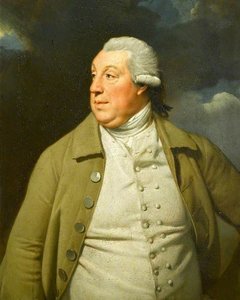
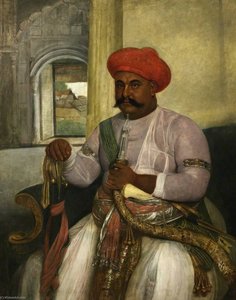
Self Portrait
 Acrylic On Canvas
- WallArt
- Neoclassical/Romantic
 1805
1805- 19th Century
 33.0 x 31.0 cm
 Biblioteca Británica
 Leer más
Reproducción al óleo hecha a mano
Óleo sobre lienzo pintado a mano en el tamaño y marco de su elección, realizado por encargo por nuestros artistas. ( Pedir impresión Comprar descarga)




P118B $10

P118H $10

P118W $10

P438Z $10

P508JH $12

P508YH $12

P805H $10

P805Z $10

P919BZ $10

P919G $10

P919XJ $10

P959ZH $10

P968JZ $12

W106C $8

W218G $10

W218JH $8

W218Y $10

W307PJ $10

W316G $10

W316PJ $8

W316Y $10

W398PJ $8

W4111J $10

W500HY $15

W500JH $15

W692G $12

W849H $8

W940BG $15

W953PJ $8




Elija entre nuestros tamaños predefinidos que respetan las proporciones originales de la obra.

Puede ingresar sus propias dimensiones para adaptarse a un marco o espacio específico. Si el tamaño seleccionado no coincide con las proporciones de la imagen original, recortaremos la obra o extenderemos la pintura con elementos adicionales pintados a mano. Se le enviará una maqueta digital para su aprobación antes de comenzar la producción.
Tenga en cuenta que la vista previa en pantalla no refleja el recorte o la extensión reales. Solo la maqueta mostrará con precisión la composición final.
Si bien existen tamaños personalizados, recomendamos seleccionar una dimensión de la lista predefinida para preservar las proporciones originales.
Tras realizar el pedido, el equipo de OriginalUniqueArt.com enviará un correo electrónico al cliente para solicitar instrucciones y proporcionarle una vista previa del boceto.
Envío a todo el mundo () en 3-4 semanas en lugar de las 5 semanas estándar. (19 agosto). Sin comprometer la calidad.

Envío exprés gratuito a todo el mundo

Lienzo de lino de alta calidad

Seguro de envío completo

Garantía de reembolso de aranceles aduaneros

Garantía de fidelidad cromática exacta

Política de devolución de 60 días (solo por defectos)

Garantía de devolución del 100% del dinero

Oferta por volumen
 La opción de vidrio solo está disponible en tamaños inferiores a 110 cm.

Self Portrait
Técnica de reproducción
Tamaño de la reproducción
-


Precio total
$ 300
Descripción de la obra
A Window into the Soul: Johann Zoffany’s “Self Portrait as David with the Head of Goliath”
Johann Zoffany's "Self Portrait as David with the Head of Goliath," painted in 1805, is far more than a simple depiction of an artist contemplating his own likeness. It’s a meticulously constructed tableau vivant—a staged scene brimming with classical allusion, theatricality, and a subtle, almost unsettling, exploration of identity and artistic ambition. This remarkable work, housed within the Google Art Project, offers a captivating glimpse into the mind of a master portraitist navigating the complex social landscape of 18th-century England.
Zoffany’s genius lay in his ability to seamlessly blend historical references with contemporary life. The painting immediately draws the eye to the central figure, a man strikingly resembling Zoffany himself, posed dramatically as David, victorious over Goliath. However, this isn't a straightforward homage to Michelangelo’s iconic sculpture; rather, it’s a carefully orchestrated layering of symbolism. The head of Goliath, prominently displayed on a table beside him, is not merely a prop but a deliberate reference to the biblical narrative—a potent emblem of triumph and artistic skill. The inclusion of this severed head speaks volumes about Zoffany's own aspirations: he sought recognition as a master craftsman, capable of capturing both the physical likeness and the spirit of his subjects.
The Stage is Set: Context and Composition
Beyond the central figure, the composition unfolds like a miniature theatrical scene. Two statues—one depicting Venus and the other Diana—stand sentinel on either side, adding an element of classical grace and subtly elevating the entire arrangement. These figures, reminiscent of Roman sculptures, serve as silent witnesses to Zoffany’s self-portrait, grounding the scene in antiquity while simultaneously suggesting a dialogue between past and present. The carefully chosen setting – a richly furnished room with a vibrant tapestry and a collection of intriguing objects—further enhances this sense of layered meaning. The inclusion of a violoncello, a symbol of musical refinement and intellectualism, hints at Zoffany’s own appreciation for the arts and his desire to be associated with the elite circles of London society.
Zoffany's meticulous attention to detail is evident in every aspect of the painting. The lighting, expertly rendered, creates a sense of depth and drama, drawing the viewer into the scene. The textures—the velvet upholstery, the polished wood of the furniture, the rough surface of the stone statues—are all depicted with remarkable realism. This commitment to accuracy reflects Zoffany’s training as a decorative painter and his understanding of how to create convincing illusions of space and form.
A Reflection on Identity: The Artist's Gaze
Perhaps the most compelling aspect of “Self Portrait as David with the Head of Goliath” is its subtle exploration of identity. Zoffany isn’t simply portraying himself; he’s presenting a carefully constructed image of himself—an artist, a scholar, and a man of refined taste. The direct gaze of his self-portrait invites the viewer to engage in a silent dialogue, questioning the nature of representation and the relationship between art and reality. The inclusion of the severed head of Goliath can be interpreted as a symbolic challenge – a reminder that artistic success often requires confronting difficult truths and overcoming formidable obstacles.
Furthermore, the painting’s creation occurred during a period of significant social and political change in England. The rise of the middle class, the burgeoning interest in classical art and literature, and the expansion of the British Empire all contributed to a climate of intellectual ferment. Zoffany's work reflects these shifting values, capturing the spirit of an era defined by ambition, innovation, and a fascination with the past.
Collecting the Echoes: Reproduction and Legacy
Reproductions of “Self Portrait as David with the Head of Goliath” offer a remarkable opportunity to experience the richness and complexity of Zoffany’s masterpiece. Whether displayed in a grand salon or a smaller study, this painting continues to captivate viewers with its intricate details, evocative symbolism, and profound insights into the human condition. It serves as a testament to the enduring power of art to illuminate our understanding of ourselves and the world around us.
Biografía del artista
Johann Zoffany: Vida y Legado
Primeros Años y Formación
Johann Zoffany, nacido Johannes Josephus Zaufallij en 1733 en Freiburg, Alemania, fue un pintor que alcanzó renombre principalmente en Inglaterra e Italia. Los detalles de su infancia temprana son escasos, pero se sabe que recibió formación artística desde una edad temprana. Inicialmente, estuvo aprendiz con un escultor, posiblemente Melchior Paulus en Ellwangen, antes de estudiar con Martin Speer en Regensburg. Este período fundamental sentó las bases para su futura carrera.
Viaje a Italia y Inglaterra
En 1750, Zoffany viajó a Roma, entrando al estudio de Agostino Masucci donde perfeccionó sus habilidades dentro de la tradición artística italiana. Posteriormente, se mudó a Inglaterra en 1760, apoyándose inicialmente en la creación de diseños decorativos para relojes fabricados por Stephen Rimbault. Este período marcó un punto de inflexión ya que comenzó a establecer conexiones y ganar reconocimiento en el ambiente artístico de Londres.
Patrocinio Real y Desarrollo Artístico
Zoffany rápidamente atrajo la atención del Rey Jorge III y la Reina Carlota, convirtiéndose en un retratista favorito de la familia real. Su habilidad para capturar momentos informales – como La Reina Carlota y sus dos hijos mayores (1765) – lo distinguió de los pintores de corte más formales. También era popular con la familia imperial austríaca y recibió el título de barón del Sacro Imperio Romano Germánico en 1776 por la Emperatriz María Teresa.
El Maestro de las ‘Conversaciones’
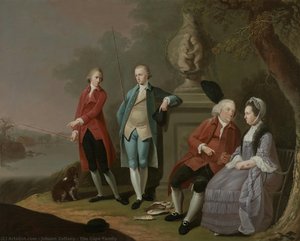
Zoffany se hizo famoso por sus “conversaciones”, o *conversazioni* – retratos informales de grupos que representan reuniones sociales. Destacó en la captura de las personalidades e interacciones dentro de estos escenarios, a menudo presentando figuras destacadas de la sociedad, el teatro y la literatura. Sus obras como La Familia Cope (1775) ejemplifican este estilo, ofreciendo vislumbres de la vida de sus mecenas.
Logros Importantes y Obras Notables
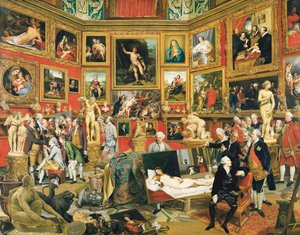
- Tribuna de la Uffizi (1772-1778): Tal vez su obra más famosa, una representación meticulosamente detallada de la Galería Uffizi en Florencia.
- Dr William Hunter Enseñando Anatomía en la Academia Real (1779): Una fascinante representación de la educación médica e investigación científica.
- Jorge III (1771): Un retrato regio que muestra el poder y la elegancia del Rey.
- El Partido de Pollos del Coronel Mordaunt (1784-1786): Una representación vibrante de la vida colonial en la India, capturando un evento cultural único.
Años en la India y Vida Tardía
Desde 1783 hasta 1789, Zoffany residió en la India, donde pintó retratos de figuras prominentes como Warren Hastings y Asaf-ud-Daula. Sus experiencias allí influyeron en su estilo artístico y tema. Una historia notable de este período involucra un naufragio frente a las islas Andamanitas, donde los supervivientes recurrieron a medidas extremas para sobrevivir.
Influencias y Legado
La obra de Zoffany refleja influencias tanto de la precisión alemana como del arte italiano. Se vio influenciado por artistas como Agostino Masucci y se inspiró en la tradición barroca. Su estilo, a su vez, influyó a los contemporáneos y a los artistas posteriores interesados en el retrato y el comentario social. Puenteó tradiciones artísticas e hizo un impacto duradero en el arte del siglo XVIII.
Significado Histórico
Las pinturas de Johann Zoffany proporcionan valiosas perspectivas sobre las costumbres sociales, la vida intelectual y los valores culturales de su tiempo. Sus “conversaciones” ofrecen retratos íntimos de individuos destacados y su mundo, mientras que sus representaciones de la India contribuyen a nuestra comprensión de la historia colonial. Sigue siendo una figura significativa en la historia del arte, celebrado por su habilidad técnica, observaciones perspicaces y visión artística única.

johann zoffany
1733 - 1810 , Alemania
Datos clave
- Artistic Movement Or Style: Neoclassicismo
- Artists Who Influenced This Artist:
- Agostino Masucci
- Martin Speer
- Date Of Birth: 1733
- Full Name: Johann Zoffany
- Nationality: Alemania
- Notable Artworks:
- Tribuna de la Uffizi
- Dr William Hunter Enseñando Anatomía en la Academia Real
- Jorge III
- El Partido de Pollos del Coronel Mordaunt
- Place Of Birth: Frankfurt, Alemania
Artículos relacionados
Los 10 Maestros del Neoclasicismo: Obras que Definieron una Era |
Descubre los 10 imprescindibles del Neoclasicismo con . Obras de David, Ingres y Canova que marcaron una era. Historia, técnica y significado de cada pieza. Encuentra reproducciones de arte de museo en
El Legado Perenne del Clasicismo: Principios Fundamentales, Evolución e Influencia en el Arte Occidental
Descubre la historia del arte clásico occidental: desde sus orígenes en Grecia y Roma hasta su influencia en el Renacimiento y las corrientes contemporáneas. Análisis experto, artistas clave y obras maestras imperdibles.
Johann Zoffany: Capturing Georgian Society with Brushstrokes of Cosmopolitan Flair
Explore the captivating world of Johann Zoffany, master portraitist of Georgian society. Discover his unique 'conversation pieces,' imperial commissions & lasting legacy. A guide for discerning collectors.
Reflecting the Self: A History of Portraiture & Psychological Insight
Explore the fascinating history of self-portraiture from Renaissance masters like Dürer & Rembrandt to modern interpretations. Discover the psychological insights and artistic techniques behind these iconic works. Expert analysis for art enthusiasts.
Resonancia Atemporal: Explorando el Vibe Clásico en el Arte – Un Análisis Histórico y Estético
Explora la atemporal belleza del arte clásico y neoclásico con nuestro análisis histórico y estético. Descubre cómo integrar estos estilos en tu hogar con OriginalUniqueArt.com.