Vista previa
 Compartir
 Compartir
 Ver detalles
 Guide
Guide

 Descargar
 Ver artículos similares
 Radiografía
 Presentación de diapositivas
 Estadísticas
Serie Barcelona XLVII


 Leer más
Giclée / Impresión de arte
Impresiones giclée o en lienzo de calidad de museo con producción rápida y opciones de acabado flexibles. ( Encargar reproducción pintada a mano Ver versión en imagen digital)




P118B $10

P118H $10

P118W $10

P438Z $10

P508JH $12

P508YH $12

P805H $10

P805Z $10

P919BZ $10

P919G $10

P919XJ $10

P959ZH $10

P968JZ $12

W106C $8

W218G $10

W218JH $8

W218Y $10

W307PJ $10

W316G $10

W316PJ $8

W316Y $10

W398PJ $8

W4111J $10

W500HY $15

W500JH $15

W692G $12

W849H $8

W940BG $15

W953PJ $8




Elija entre nuestros tamaños predefinidos que respetan las proporciones originales de la obra.

Puede introducir sus propias dimensiones para adaptarse a un marco o espacio específico. Si el tamaño seleccionado no coincide con las proporciones de la imagen original, recortaremos la obra de arte o extenderemos la imagen con un borde con efecto espejo o de color sólido. Se enviará una maqueta digital para su aprobación antes de que comience la producción.
Tenga en cuenta que la vista previa en pantalla no refleja el recorte o la extensión real. Solo la maqueta mostrará con precisión la composición final.
Aunque existen tamaños personalizados, recomendamos seleccionar una dimensión de la lista predefinida para preservar las proporciones originales.
Envío a todo el mundo () en 2 semanas en lugar de las 4/5 semanas estándar. (20 septiembre)

Envío exprés gratuito a todo el mundo

Lienzo de lino de alta calidad

Seguro de envío completo

Garantía de reembolso de impuestos aduaneros

Garantía de fidelidad cromática exacta

Política de devolución de 100 días (solo por defectos)

Garantía de devolución del 100% del dinero

Oferta por volumen
 La opción de vidrio solo está disponible en tamaños inferiores a 110 cm.

Serie Barcelona XLVII
Giclée / Impresión de arte
Tamaño de la reproducción
-


Precio total
$ 80
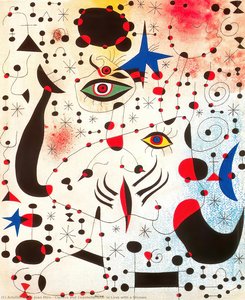
Barcelona Series XLVII: A Surrealist Symphony of Catalan Identity
Joan Miró’s “Barcelona Series XLVII” isn't merely a painting; it’s an immersion into the vibrant, dreamlike landscape of the artist’s soul. Created in 1963, this lithograph captures a potent distillation of Miró’s lifelong fascination with his native Catalonia – its rugged beauty, its ancient traditions, and the deeply rooted sense of identity that pulsed through his artistic vision. The work immediately draws the eye with its bold simplicity: a stark white background punctuated by a constellation of black ink forms, creating an almost unsettling yet undeniably captivating visual experience.
The composition is deliberately loose and organic, eschewing traditional perspective in favor of a dynamic interplay of shapes and lines. Miró’s signature biomorphic figures – simplified humanoids, animalistic forms, and abstract symbols – float across the canvas with a playful energy. These aren't precise representations; rather, they are evocative fragments, hinting at memories, emotions, and the collective unconscious. The recurring motif of eyes, rendered in varying sizes and perspectives, is particularly striking, suggesting both observation and introspection—a constant questioning of reality and perception.
The Alchemy of Lithography: Technique and Texture
“Barcelona Series XLVII” exemplifies Miró’s masterful command of lithographic technique. The grainy texture inherent to the medium – a result of the stone's surface and the ink's interaction – lends the work a tactile quality, inviting the viewer to almost reach out and touch its surfaces. The careful layering of inks creates subtle tonal variations, adding depth and richness to the monochromatic palette. Miró’s use of broken lines and overlapping forms is particularly effective in conveying movement and suggesting multiple layers of meaning. The process itself—the meticulous grinding of the stone, the delicate application of ink, and the patient transfer onto paper—reflects a deep respect for craftsmanship and a deliberate rejection of purely mechanical reproduction.
Decoding Catalan Symbolism: A Journey into the Artist’s Psyche
To truly appreciate “Barcelona Series XLVII,” one must delve into the rich symbolism woven throughout Miró's oeuvre. Catalonia, with its unique history and fiercely independent spirit, served as a constant source of inspiration for the artist. The work is replete with references to Catalan folklore, mythology, and landscape – from stylized representations of the Pyrenees mountains to echoes of traditional crafts and rural life. The recurring imagery—eyes, hands, and geometric shapes—are not merely decorative; they are potent symbols laden with personal significance for Miró, representing themes of memory, creation, and the human condition. The painting can be interpreted as a meditation on Catalan identity, a celebration of its heritage, and an exploration of the artist’s own complex relationship to his homeland.
A Legacy of Surrealism: Echoes of Dreams and Intuition
“Barcelona Series XLVII” firmly places Miró within the lineage of Surrealist art. Like his fellow surrealists, he sought to tap into the subconscious mind, rejecting rational thought in favor of intuition and dream imagery. However, Miró’s approach was uniquely personal—infused with a distinctly Catalan sensibility. His work is characterized by its playful ambiguity, its rejection of conventional artistic norms, and its profound emotional resonance. Miró famously declared his intention to “assassinate painting,” advocating for a more direct and immediate expression of feeling. This spirit of rebellion and innovation continues to resonate today, cementing Miró’s legacy as one of the most influential artists of the 20th century.
Collecting the Essence: Reproductions and Beyond
Reproductions of “Barcelona Series XLVII” offer a remarkable opportunity to bring this captivating artwork into your home or office. The meticulous detail captured in the lithograph allows you to appreciate Miró’s masterful technique and the depth of his symbolic language. Whether displayed as a statement piece in a contemporary setting or incorporated into a more traditional interior, this work evokes a sense of wonder, mystery, and the enduring power of artistic vision. Consider it not just a decoration, but a portal into the mind of one of art’s most enigmatic and beloved figures.
Biografía del artista
**vida temprana y carrera**
joan miró, un renombrado pintor, escultor y ceramista español, nació el 20 de abril de 1893 en Barcelona, España. Su familia, de raíces judías (marrano o converso), tuvo una influencia significativa en su vida temprana. El padre de Miró, Miquel Miró Adzerias, era orfebre y relojero, lo que pudo haber inspirado el interés del artista por los detalles intrincados.**desarrollo artístico**
Miró comenzó clases de dibujo a los siete años en una escuela privada en Barcelona. Posteriormente, se matriculó en la Academia de Bellas Artes La Llotja, a pesar de la desaprobación de su padre. Esto marcó el comienzo del viaje artístico de Miró, que eventualmente lo llevaría a convertirse en pionero del surrealismo y el arte abstracto.**obras notables y colaboraciones**
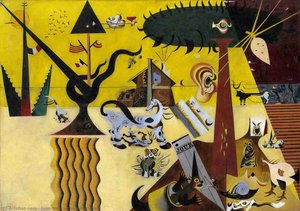
* la granja (1922), una pintura que muestra la transición de Miró a un estilo más individual, con cualidades nacionalistas. * Colaboración con Max Ernst en diseños para el ballet de Sergei Diaghilev en 1926, pionero en la técnica del grattage. * los interiores holandeses (1928), una serie de pinturas inspiradas en Hendrik Martenszoon Sorsh y Jan Steen, que muestra el estilo único de Miró.**museos y legado**
* La Fundación Joan Miró en Barcelona, establecida en 1975, dedicada a mostrar las obras de Miró. * La Fundación Pilar i Joan Miró en Palma de Mallorca, establecida en 1981, que consolida aún más el legado de Miró.**obras clave y su significado**
- pintura (1933), una pintura al óleo abstracta, ejemplificando la visión surrealista de Miró.
- pintura 11, otra obra notable y abstracta, que muestra el estilo único de Miró.
- la mazorca (37 x 46 cm), una obra surrealista, que presenta detalles intrincados.
- el nacimiento del día, una obra de arte abstracta, que consolida aún más las contribuciones de Miró al arte abstracto.
**conclusión**
El legado de Joan Miró como pionero del surrealismo y el arte abstracto es innegable. Sus obras, exhibidas en varios museos, incluida la Fundación Joan Miró, continúan inspirando a artistas y entusiastas del arte por igual. Para obtener más información sobre las obras de Miró, visite [https://OriginalUniqueArt.com/@/joan-miro](https://OriginalUniqueArt.com/@/joan-miro) o explore sus notables obras en [https://OriginalUniqueArt.com/@@/8ewky5-joan-miro-painting](https://OriginalUniqueArt.com/@@/8ewky5-joan-miro-painting).- ver más obras de Joan Miró en OriginalUniqueArt.com
- descubra el museo Fundación Joan Miró en Barcelona, España
- explore la biografía del artista y sus obras notables en [https://en.wikipedia.org/wiki/joan_mir%c3%b3](https://en.wikipedia.org/wiki/joan_mir%c3%b3)
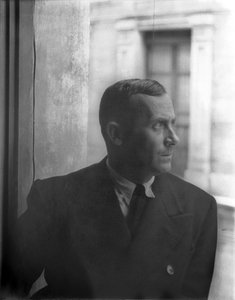
Joan Miró
1893 - 1983 , España
Datos clave
- Artistas Que Influyeron:
- Vincent van Gogh
- Paul Cézanne
- Estilo Artístico: Surrealismo, Arte Abstracto
- Fecha De Muerte: 1983
- Fecha De Nacimiento: 20 de abril de 1893
- Lugar De Nacimiento: Barcelona, España
- Nacionalidad: Española
- Nombre Completo: Joan Miró i Ferrà
- Obras Notables:
- La Granja
- Interiores Holandeses
- Pintura (1933)
- El Nacimiento del Mundo
Artículos relacionados
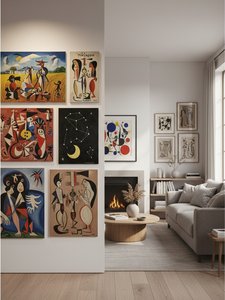
Joan Miró: Las 25 Obras Maestras del Genio Catalán | Arte y Decoración
Descubre las 25 obras maestras de Joan Miró, el genio del surrealismo catalán. Explora su arte abstracto, colores vibrantes y la historia detrás de cada cuadro. Reproducciones de alta calidad en OriginalUniqueArt.com para transformar tu hogar con arte original.
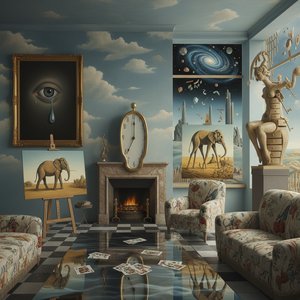
Surrealismo: 10 Obras Maestras que Transformaron el Arte y la Decoración
Descubre las 10 obras maestras del Surrealismo con Dalí, Magritte y Miró. Explora la historia, el simbolismo y la técnica de estos íconos del arte moderno. Encuentra reproducciones de alta calidad para tu hogar en .
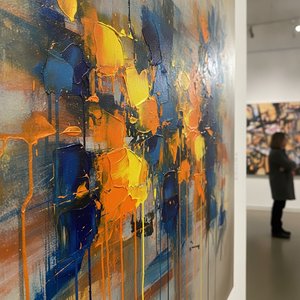
Beyond the Lines: Mastering the High-Impact World of Contemporary Abstraction
Master the high-impact world of contemporary abstraction. Discover how bold colors, textures, and modern movements like Abstract Expressionism can transform your space with premium, high-energy art curated for the design-conscious professional.

Abstracción Geométrica: 10 Obras Maestras que Transformaron el Arte Moderno | OriginalUniqueArt
Descubre las 10 obras maestras de la abstracción geométrica que revolucionaron el arte moderno. Explora a Mondrian, Malevich y Kandinsky en OriginalUniqueArt.com. Reproducciones de alta calidad para tu hogar.

Expresionismo Abstracto: 10 Obras Maestras que Transformaron el Arte |
Descubre las 10 obras maestras del Expresionismo Abstracto: Pollock, Rothko y más. Explora la historia, técnica y significado de estos lienzos icónicos. Reproducciones de arte exclusivas en .