

 Ver en contexto
 Enviar
 Compartir
 Detalles

 Descargar
 Similares
 Radiografía
 Presentación de diapositivas
Noel in the Kitchen


 Ver más
Giclée / Impresión de arte
Impresiones giclée o en lienzo de calidad de museo con producción rápida y opciones de acabado flexibles. ( Comprar pintura hecha a mano Comprar imagen)




P118B $10

P118H $10

P118W $10

P438Z $10

P508JH $12

P508YH $12

P805H $10

P805Z $10

P919BZ $10

P919G $10

P919XJ $10

P959ZH $10

P968JZ $12

W106C $8

W218G $10

W218JH $8

W218Y $10

W307PJ $10

W316G $10

W316PJ $8

W316Y $10

W398PJ $8

W4111J $10

W500HY $15

W500JH $15

W692G $12

W849H $8

W940BG $15

W953PJ $8




Elija entre nuestros tamaños predefinidos que respetan las proporciones originales de la obra.

Puede introducir sus propias dimensiones para adaptarse a un marco o espacio específico. Si el tamaño seleccionado no coincide con las proporciones de la imagen original, recortaremos la obra de arte o extenderemos la imagen con un borde con efecto espejo o de color sólido. Se enviará una maqueta digital para su aprobación antes de que comience la producción.
Tenga en cuenta que la vista previa en pantalla no refleja el recorte o la extensión real. Solo la maqueta mostrará con precisión la composición final.
Aunque existen tamaños personalizados, recomendamos seleccionar una dimensión de la lista predefinida para preservar las proporciones originales.
Envío a todo el mundo () en 2 semanas en lugar de las 4/5 semanas estándar. (30 agosto)

Envío exprés gratuito a todo el mundo

Lienzo de lino de alta calidad

Seguro de envío total

Garantía de reembolso de impuestos aduaneros

Garantía de fidelidad cromática exacta

Política de devolución de 60 días (solo por defectos)

Garantía de devolución del 100% del dinero

Descuento por cantidad
 La opción de vidrio solo está disponible en tamaños inferiores a 110 cm.

Noel in the Kitchen
Giclée / Impresión de arte
Dimensiones de la reproducción
-


Precio total final
$ 80
A Domestic Symphony in Color: Joan Brown’s *Noel in the Kitchen*
Joan Brown's 1964 painting, *Noel in the Kitchen*, isn’t merely a snapshot of a domestic scene; it’s a vibrant distillation of motherhood, childhood, and the quiet rhythms of everyday life. Emerging from the heart of the Bay Area Figurative movement, Brown masterfully captures a moment of intimate connection within her San Francisco home, transforming an ordinary kitchen into a world brimming with warmth, color, and subtle symbolism. The painting immediately draws the eye with its bold palette – primary hues of red, yellow, and blue dominate, creating a sense of energetic playfulness that contrasts beautifully with the grounded subject matter.
At the center of the composition is Noel, Brown’s toddler son, positioned amidst a delightful chaos of domestic objects. He reaches towards a stack of dirty dishes in the sink, his small hand outstretched as if eager to participate in the adult world. Flanking him are two loyal dogs – a golden retriever and a terrier – their profiles rendered with affectionate detail, suggesting a deep bond within the family. The arrangement isn’t haphazard; it's carefully orchestrated, reflecting Brown’s meticulous attention to detail and her ability to imbue even the most commonplace scenes with profound meaning.
The Language of Abstraction: Technique and Style
Brown’s technique is a fascinating blend of abstraction and figuration. While the figures – Noel, the dogs, and the implied adult – are clearly recognizable, they're rendered with a loose, expressive brushstroke that prioritizes color and form over photographic realism. Thick impasto layers of paint create a tactile surface, inviting the viewer to almost feel the warmth radiating from the scene. The use of polka dots, repeated throughout the canvas, adds an element of playful abstraction, disrupting the sense of stillness and suggesting the dynamic energy of childhood.
Influenced by the Abstract Expressionists like Willem de Kooning and Jackson Pollock, Brown embraced a gestural approach to painting, allowing her emotions and experiences to flow directly onto the canvas. However, unlike the purely abstract works of these artists, *Noel in the Kitchen* retains a strong connection to the tangible world – a testament to Brown’s commitment to portraying personal narratives through recognizable imagery.
Roots in the Bay Area Figurative Movement
*Noel in the Kitchen* is deeply rooted in the context of the Bay Area Figurative movement, which flourished in California during the 1950s and 60s. This group of artists sought to break away from the dominant trends of Abstract Expressionism and explore themes related to American life – family, community, and the landscape. Brown’s work exemplifies this ethos through its focus on domestic scenes and autobiographical subjects. She was particularly influenced by Elmer Bischoff, a key figure in the movement, who encouraged her to embrace bold colors and expressive brushwork.
Furthermore, *Noel in the Kitchen* reflects Brown's own personal experiences as a mother and artist. The painting is often interpreted as a meditation on the joys and challenges of raising a child, capturing the messy beauty of everyday family life. It’s a poignant reminder that art can be found not just in grand gestures but also in the quiet moments shared within the walls of our homes.
Symbolism and Emotional Resonance
Beyond its surface appearance, *Noel in the Kitchen* is rich in symbolism. The stack of dirty dishes represents the mundane tasks of domestic life, while Noel’s outstretched hand symbolizes his desire to connect with the adult world. The dogs embody loyalty and companionship, reinforcing the sense of family unity. The bright colors evoke feelings of warmth, joy, and optimism – a celebration of the simple pleasures of childhood.
Ultimately, *Noel in the Kitchen* is a deeply moving work that speaks to the universal experience of motherhood and the enduring power of family bonds. It’s a testament to Joan Brown's artistic vision and her ability to transform ordinary moments into extraordinary works of art. The painting continues to resonate with viewers today, offering a glimpse into a world filled with love, laughter, and the quiet beauty of everyday life.
Biografía del artista
Joan Brown: Una Vida en Color y Autodescubrimiento
- Nacida: San Francisco, California (19 de febrero de 1938)
- Fallecida: Puttaparthi, India (26 de octubre de 1990)
Joan Brown fue una pintora figurativa estadounidense clave asociada con el Movimiento Figurativo del Área de la Bahía. Su carrera abarcó más de tres décadas, marcada por cambios estilísticos y una profunda exploración de temas personales, espiritualidad e influencias culturales.
Primeros Años y Educación
- Infancia Inestable: La primera infancia de Brown se caracterizó por la inestabilidad familiar, incluyendo un padre alcohólico y una madre con aspiraciones profesionales antes que familiares. Esto contribuyó a un deseo de independencia y autoexpresión.
- Educación Católica: Asistió a escuelas católicas en San Francisco, lo que le inculcó un sentido de rebelión contra el dogma religioso.
- California School of Fine Arts (CSFA): Brown estudió en CSFA (ahora San Francisco Art Institute), obteniendo tanto un BFA (1959) como un MFA (1960).
- Influencia de Elmer Bischoff: Un mentor crucial fue Elmer Bischoff, quien la animó a pintar desde la vida y a abrazar las experiencias personales. Su guía fomentó el desarrollo artístico de Brown.
Desarrollo Artístico y Estilo
- Primer Expresionismo Abstracto: Inicialmente, Brown trabajó en el estilo del expresionismo abstracto, influenciada por las tendencias contemporáneas.
- Transición a la Pintura Figurativa: A partir de 1960, comenzó a transitar hacia imágenes figurativas, caracterizadas por colores vibrantes, iluminación dramática y pinceladas enérgicas. Sus pinturas se volvieron cada vez más autobiográficas, reflejando eventos y relaciones en su vida.
- Conexiones con el Arte Funk: Brown estuvo asociada con el movimiento de arte Funk, conocido por su enfoque lúdico e irreverente a la creación artística.
- Autorretrato y Simbolismo: A mediados de la década de 1960, cambió su enfoque hacia el autorretrato, explorando su identidad y su mundo interior a través de representaciones directas y a menudo confrontacionales. Su obra incorporaba símbolos personales y referencias a culturas antiguas.
- Escultura y Mosaico: Más adelante en su carrera, Brown experimentó con la escultura y los mosaicos, ampliando el alcance de su práctica artística.
Temas Principales e Influencias
- Autobiografía: Un tema central en la obra de Brown fue la autobiografía, utilizando la pintura como medio para explorar experiencias personales, relaciones y emociones.
- Espiritualidad: Sus obras posteriores reflejaron un creciente interés por la espiritualidad y las culturas antiguas, particularmente el arte egipcio.
- Familia y Relaciones: Los retratos de su hijo, Noel Elmer Neri, y las representaciones de relaciones significativas fueron motivos recurrentes.
- Influencias: Brown se inspiró en Rembrandt, Goya, Velázquez, Peter Voulkos, Frank Lobdell y los pintores figurativos del Área de la Bahía.
Legado y Significado Histórico
- Movimiento Figurativo del Área de la Bahía: Joan Brown fue una figura importante en la segunda generación del movimiento figurativo del Área de la Bahía, contribuyendo a su prominencia como centro artístico.
- Voz Artística Única: Desarrolló un estilo distintivo caracterizado por colores vibrantes, simbolismo personal y una voluntad de explorar temas desafiantes.
- Final Trágico: La vida de Brown terminó trágicamente en 1990 cuando el techo de un templo en India colapsó mientras instalaba una escultura de mosaico.
- Redescubrimiento y Reconocimiento: Las exposiciones recientes han atraído una nueva atención a su obra, consolidando su lugar como artista estadounidense importante. Su exploración del autorretrato, la autobiografía y la espiritualidad continúa resonando con el público contemporáneo.
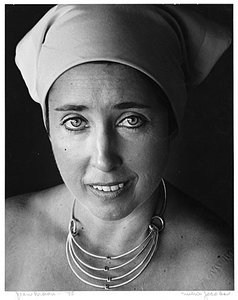
Joan Brown
1938 - 1990 , Estados Unidos de América
Datos clave
- Artistas Que Influyeron:
- Elmer Bischoff
- Rembrandt
- Francisco Goya
- Diego Velázquez
- Fecha De Fallecimiento: 26 de octubre de 1990
- Fecha De Nacimiento: 19 de febrero de 1938
- Lugar De Nacimiento: San Francisco, EE. UU.
- Movimiento Artístico: Figurativo de la Bahía, Funk Art
- Nacionalidad: Estadounidense
- Nombre Completo: Joan Brown
- Obras Notables:
- Retrato de bob para bingo
- El cielo explotó en Salinas
- Primer navidad de Noel
- Smoker
- Luxury Liner
- Modelo con gatos
- Tazón verde
Artículos relacionados
Joan Miró: Las 25 Obras Maestras del Genio Catalán | Arte y Decoración
Descubre las 25 obras maestras de Joan Miró, el genio del surrealismo catalán. Explora su arte abstracto, colores vibrantes y la historia detrás de cada cuadro. Reproducciones de alta calidad en OriginalUniqueArt.com para transformar tu hogar con arte original.
Las 10 Obras Maestras Marrones Rosados: Belleza Atemporal para tu Hogar |
Descubre las 10 pinturas marrones rosados más icónicas de la historia del arte. Explora el Renacimiento, Barroco e Impresionismo con obras maestras llenas de calidez y significado. Reproducciones de alta calidad en .
Los 10 Óleos Más Famosos en Tonos Marrones Arenosos | Arte y Decoración
Descubre los 10 óleos más emblemáticos en tonos marrones arenosos. Explora la historia, técnica y belleza de artistas como Rembrandt y Caravaggio. Encuentra reproducciones de arte exclusivas para decorar tu hogar con elegancia en OriginalUniqueArt.com
John George Brown: Capturing American Life & Sentiment in 19th-Century Genre Painting
Explore the captivating genre paintings of John George Brown, celebrated for his realistic depictions of 19th-century American life. Discover his legacy & find museum-quality reproductions at OriginalUniqueArt.
Los 10 Cuadros Más Famosos en Tonos 'Hongo': Arte, Historia y Decoración
Descubre los 10 cuadros más emblemáticos en tonos tierra y ocres. Explora la historia, artistas como Monet y Van Gogh, e inspírate para decorar con arte atemporal. Reproducciones de museo en .

