

 Ver en contexto
 Enviar
 Compartir
 Detalles

 Descargar
 Similares
 Radiografía
 Presentación de diapositivas
 Estadísticas
Lot and his Daughters
 Oil
Oil- WallArt
- Dutch Mannerism
 1600
1600- Early Modern
 209.0 x 166.0 cm
 Museo del Hermitage
 Ver más
Reproducción al óleo hecha a mano
Óleo sobre lienzo pintado a mano en el tamaño y marco de su elección, realizado por encargo por nuestros artistas. ( Cambiar a Impresión Cambiar a imagen digital)




P118B $10

P118H $10

P118W $10

P438Z $10

P508JH $12

P508YH $12

P805H $10

P805Z $10

P919BZ $10

P919G $10

P919XJ $10

P959ZH $10

P968JZ $12

W106C $8

W218G $10

W218JH $8

W218Y $10

W307PJ $10

W316G $10

W316PJ $8

W316Y $10

W398PJ $8

W4111J $10

W500HY $15

W500JH $15

W692G $12

W849H $8

W940BG $15

W953PJ $8




Elija entre nuestros tamaños predefinidos que respetan las proporciones originales de la obra.

Puede ingresar sus propias dimensiones para adaptarse a un marco o espacio específico. Si el tamaño seleccionado no coincide con las proporciones de la imagen original, recortaremos la obra o extenderemos la pintura con elementos adicionales pintados a mano. Se le enviará una maqueta digital para su aprobación antes de comenzar la producción.
Tenga en cuenta que la vista previa en pantalla no refleja el recorte o la extensión reales. Solo la maqueta mostrará con precisión la composición final.
Si bien existen tamaños personalizados, recomendamos seleccionar una dimensión de la lista predefinida para preservar las proporciones originales.
Tras realizar el pedido, el equipo de OriginalUniqueArt.com enviará un correo electrónico al cliente para solicitar instrucciones y proporcionarle una vista previa del boceto.
Envío a todo el mundo () en 3-4 semanas en lugar de las 5 semanas estándar. (13 septiembre). Sin comprometer la calidad.

Envío exprés gratuito a todo el mundo

Lienzo de lino de alta calidad

Seguro de envío total

Garantía de reembolso de impuestos aduaneros

Garantía de fidelidad cromática exacta

Política de devolución de 100 días (solo por defectos)

Garantía de devolución del 100% del dinero

Descuento por cantidad
 La opción de vidrio solo está disponible en tamaños inferiores a 110 cm.

Lot and his Daughters
Técnica de reproducción
Dimensiones de la reproducción
-


Precio total final
$ 300
A Masterpiece of Mannerist Elegance
In the captivating realm of Dutch Mannerism, few works possess the intricate charm and narrative depth found in Joachim Anthonisz Wtewael’s Lot and his Daughters. Created around 1600, this painting serves as a breathtaking window into a period where art moved away from strict naturalism toward a more stylized, sophisticated, and elongated aesthetic. The scene captures a profound biblical moment with an unexpected touch of domestic intimacy, inviting the viewer to linger over its polished surfaces and complex compositions. Wtewael, a master known for his ability to blend religious gravity with exquisite decorative detail, presents a tableau that is as much about the beauty of the human form as it is about the weight of the story being told.
The composition draws the eye through a carefully orchestrated arrangement of figures and objects. At its heart, we find three individuals—two women and one man—engaged in a moment that feels simultaneously monumental and quiet. The woman on the left, cradling ripe fruit, acts as a focal point of vitality, her presence anchored by the abundance of apples scattered throughout the scene. These fruits are not merely decorative; they serve as symbols of fertility and the earthly temptations inherent in the biblical narrative. As the eye wanders across the canvas, it encounters carefully placed bowls and a delicate vase in the background, elements that add layers of texture and depth to the setting, creating a sense of a lived-in, opulent world.
Technique and the Art of Detail
What distinguishes Wtewael’s work for collectors and connoisseurs is his remarkable technical precision. His style, rooted in the Haarlem Mannerist tradition, emphasizes fluid lines, elongated limbs, and a luminous quality that makes the skin of his subjects appear almost porcelain-like. In Lot and his Daughters, this technique is utilized to create a sense of heightened reality. The way light dances off the scattered apples and reflects within the glazed surfaces of the bowls demonstrates a virtuosity that was highly prized in the late 16th and early 17th centuries. For those seeking a reproduction to anchor a room, this painting offers a rich tapestry of color and light that can transform a space with its classical sophistication.
Beyond the mere depiction of figures, the artist employs a sophisticated use of color to guide the emotional journey of the viewer. The interplay between the warm tones of the fruit and the cooler, more muted shadows creates a rhythmic balance that prevents the eye from resting too long in one place. This constant movement is essential to the Mannerist experience, ensuring that the painting remains dynamic and engaging. For interior designers, this piece offers a unique opportunity to introduce a sense of historical grandeur and intellectual depth, providing a conversation piece that bridges the gap between ancient scripture and classical European elegance.
A Timeless Legacy for the Modern Collector
To possess a reproduction of such a significant work is to hold a fragment of the Dutch Golden Age. Wtewael’s ability to resist the encroaching tide of naturalism allowed him to create worlds that felt more poetic and idealized than reality itself. This painting does not merely document a story; it evokes an atmosphere of quiet tension and bountiful grace. The emotional impact lies in this duality—the tension of the biblical drama set against the serene, almost pastoral beauty of the figures' interaction.
Whether displayed in a curated gallery setting or as a centerpiece in a luxurious private study, Lot and his Daughters continues to inspire awe. It remains a testament to an era when painters were not just observers of life, but architects of extraordinary, stylized universes. For the discerning collector, this artwork represents an investment in beauty, history, and the enduring power of the human imagination.
Biografía del artista
El pulido perdurable de un maestro manierista
Joachim Anthonisz Wtewael, un nombre pronunciado con reverencia entre los conocedores de la Edad de Oro holandesa, sigue siendo una figura cautivadora cuya obra desafía cualquier categorización sencilla. Nacido en 1566 y fallecido en 1638, su vida fue tan polifacética como sus lienzos. Si bien su genio artístico brilló con intensidad, es igualmente notable que también fue un exitoso comerciante de lino y un activo concejal de Utrecht. Esta existencia dual —el artesano meticuloso junto al pilar de la sociedad civil— sugiere a un hombre cuya vida exigía tanto perspicacia mundana como un profundo enfoque creativo. El estilo distintivo de Wtewacio, sin embargo, poseía una consistencia notable; permaneció en gran medida inalterado por las sweeping corrientes naturalistas que estaban remodelando el arte en toda Europa durante su vida.
Un viaje a través del estilo y la influencia
La formación temprana de Wtewael lo arraigó profundamente en el sofisticado vocabulario del manierismo de Haarlem de finales del siglo XVI. Su vida profesional inicial lo vio trabajando como vidriero y grabador en el taller de su padre, un aprendizaje que sin duda perfeccionó su mano para el detalle intrincado. Un período crucial llegó cuando emprendió viajes por Italia y Francia a partir de 1586. Estas estancias fueron fundamentales, exponiéndolo a las ricas corrientes artísticas de la Segunda Escuela de Fontainebleau. Sin embargo, a pesar de estas influencias, Wtewael poseía una brújula interna única. Su obra se caracteriza por figuras magistralmente dibujadas, que poseen un pulido casi de porcelana, a menudo dispuestas en poses que se sienten maravillosamente caprichosas y dramáticamente cargadas.
Profundidad temática: el mito se encuentra con la devoción
El conjunto de su obra superviviente —que comprende alrededor de cien pinturas, junto con numerosos dibujos y diseños de vitrales— revela una fascinante dualidad temática. Se sentía igualmente cómodo representando profundas narrativas religiosas que celebrando el exuberante drama de la mitología clásica. Consideremos obras como la Adoración de los Pastores yuxtapuesta con Venus y Marte sorprendidos por Vulcano. Estas piezas muestran su notable capacidad para entrelazar temas sagrados convencionales con el saber pagano, impregnando a menudo ambos reinos con un palpable, y a veces fuerte, trasfondo erótico que atrae al espectador hacia su abrazo narrativo. Su atención al detalle es asombrosa; en obras como Perseo y Andrómeda, albergada notablemente en el museo Mauritshuis en Utrecht, se puede rastrear su habilidad inigualable.
Significado histórico y legado
Lo que hace que la contribución de Wtewael sea tan significativa es precisamente esa resistencia al cambio. Mientras el naturalismo atraía a los artistas hacia un mayor realismo, Wtewael se mantuvo firme en una estética pulida e idealizada, creando un cuerpo de trabajo que se siente tanto históricamente situado como eternamente vibrante. Sus pinturas de gabinete, ejecutadas sobre planchas de cobre, son particularmente distintivas y numerosas, ofreciendo vislumbres íntimos de su proceso artístico. Aunque la última década de su vida lo vio retirarse de la pintura —un período posiblemente marcado por el dolor personal tras el fallecimiento de su esposa—, el impacto de su visión perdura. Le regaló a la historia del arte un estilo que permanece siendo, a la vez, altamente refinado y maravillosamente impredecible.

Joachim Anthonisz Wtewael
1566 - 1638 , Países Bajos
Datos clave
- Artistic Movement Or Style: Manierismo
- Artists Who Influenced This Artist: ['Segunda escuela de Fontainebleau']
- Date Of Birth: 1566
- Date Of Death: 1638
- Full Name: Joachim Anthonisz Wtewael
- Nationality: Neerlandés
- Notable Artworks:
- Adoración de los pastores
- Venus y Marte sorprendidos por Vulcano
Artículos relacionados

Mastering Light & Shadow: A Journey Through the Dutch Golden Age's Luminous Legacy
Embark on a cultural journey through the Dutch Golden Age. Explore the masterful interplay of light and shadow in 17th-century masterpieces, from Rembrandt to Vermeer, and discover how this era of profound realism continues to inspire fine art collectors today.

Los 10 Maestros del Siglo de Oro Holandés: Arte, Historia y Decoración Exclusiva
Descubre los 10 imprescindibles del Siglo de Oro Holandés: Rembrandt, Vermeer y más. Explora la historia, técnica y belleza de estos lienzos clásicos. Encuentra reproducciones de arte exclusivas para decorar tu hogar en .
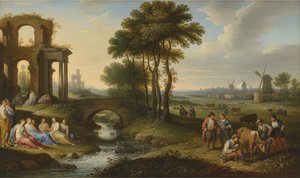
Cornelis van Poelenburch: Bridging Mannerism & the Dutch Baroque Landscape
Discover Cornelis van Poelenburch, a pivotal Dutch Baroque landscape painter bridging Mannerism & Italianate styles. Explore his life, key works, and lasting influence on 17th-century art with OriginalUniqueArt.

Reflejos de una Época Dorada: La Pintura Barroca Holandesa y la Innovación Cultural
Descubra la riqueza y el detalle de la pintura barroca holandesa del Siglo de Oro. Explore las obras maestras de Rembrandt, Vermeer y otros artistas clave. Análisis experto e historia cultural.

Golden Light & Dutch Skies: The Timeless Magic of Dutch Golden Age Landscapes
Discover the breathtaking beauty of Dutch Golden Age landscapes. Explore the mastery of light, chiaroscuro, and 17th-century realism through an expert art history lens, celebrating the enduring legacy of the Dutch Masters for discerning collectors and art lovers.