

 Vista previa
 Compartir
 Compartir
 Ver detalles

 Descargar
 Ver similares
 Radiografía
 Presentación de diapositivas
La Tentación de San Antonio


 Leer más
Giclée / Impresión de arte
Impresiones giclée o en lienzo de calidad de museo con producción rápida y opciones de acabado flexibles. ( Encargar reproducción pintada a mano Comprar descarga)




P118B $10

P118H $10

P118W $10

P438Z $10

P508JH $12

P508YH $12

P805H $10

P805Z $10

P919BZ $10

P919G $10

P919XJ $10

P959ZH $10

P968JZ $12

W106C $8

W218G $10

W218JH $8

W218Y $10

W307PJ $10

W316G $10

W316PJ $8

W316Y $10

W398PJ $8

W4111J $10

W500HY $15

W500JH $15

W692G $12

W849H $8

W940BG $15

W953PJ $8




Elija entre nuestros tamaños predefinidos que respetan las proporciones originales de la obra.

Puede introducir sus propias dimensiones para adaptarse a un marco o espacio específico. Si el tamaño seleccionado no coincide con las proporciones de la imagen original, recortaremos la obra de arte o extenderemos la imagen con un borde con efecto espejo o de color sólido. Se enviará una maqueta digital para su aprobación antes de que comience la producción.
Tenga en cuenta que la vista previa en pantalla no refleja el recorte o la extensión real. Solo la maqueta mostrará con precisión la composición final.
Aunque existen tamaños personalizados, recomendamos seleccionar una dimensión de la lista predefinida para preservar las proporciones originales.
Envío a todo el mundo () en 2 semanas en lugar de las 4/5 semanas estándar. (22 agosto)

Envío exprés gratuito a todo el mundo

Lienzo de lino de alta calidad

Seguro de envío completo

Garantía de reembolso de aranceles aduaneros

Garantía de fidelidad cromática exacta

Política de devolución de 60 días (solo por defectos)

Garantía de devolución del 100% del dinero

Oferta por volumen
 La opción de vidrio solo está disponible en tamaños inferiores a 110 cm.

La Tentación de San Antonio
Giclée / Impresión de arte
Tamaño de la reproducción
-


Precio total
$ 80
Descripción de la pieza
The Temptation of St. Anthony
Hieronymus Bosch’s *Temptation of St. Anthony* stands as an unparalleled testament to the Northern Renaissance artistic vision, captivating viewers with its unsettling beauty and profound exploration of moral struggle. Executed around 1501, this panel painting resides within the Museo Nacional de Arte Antiga in Lisbon, Portugal—a location that underscores its significance as a cornerstone of European art history. Unlike Bosch’s monumental *Triptych of Garden of Earthly Delights*, which bursts with fantastical imagery and vibrant color palettes, *The Temptation of St. Anthony* adopts a more restrained aesthetic, prioritizing psychological depth over visual spectacle. Yet, within this seeming simplicity lies an astonishing complexity—a meticulously crafted narrative brimming with symbolism that continues to intrigue scholars and artists alike.Composition and Symbolism: A Landscape of Anxiety
Bosch’s genius resides in his ability to transform the commonplace into the extraordinary. The painting depicts Saint Anthony alone amidst a desolate landscape, dominated by a towering hollow tree trunk—a motif recurrent throughout Bosch's oeuvre—that serves as both refuge and prison for the ascetic monk. Scattered across this barren terrain are figures engaged in various activities: a man in a boat with birds circling overhead, symbolizing distraction and temptation; another person holding a baby, representing innocence threatened by evil; and others perched atop horses, donkeys, and chairs – emblems of earthly desires vying for Anthony’s attention. The pervasive presence of birds—particularly those perched on branches—amplifies the sense of unease and disorientation, mirroring Saint Anthony's internal turmoil. Bosch employs a masterful technique of chiaroscuro—the dramatic interplay between light and shadow—to heighten the psychological tension, emphasizing the saint’s isolation and vulnerability against the encroaching forces of temptation. The central element is undeniably the devil with mallet, who relentlessly pursues the pig – representing pureness – attempting to inflict harm upon it. This depiction isn't merely grotesque; it embodies Bosch’s conviction that evil manifests itself subtly, disguised as alluring appearances.Artist and Style: Northern Renaissance Mastery
Hieronymus Bosch (1450-1516) was a singular figure in the Northern Renaissance movement, distinguished by his distinctive style characterized by meticulous detail, hallucinatory imagery, and profound moral contemplation. Like his fellow artists—Jan Mandijn and Joachim Patinir—Bosch honed his craft on oak panels using oil paint—a medium that allowed for unparalleled precision and luminosity. His works transcend mere representation; they aim to provoke reflection on the human condition, confronting viewers with disturbing visions of sin and redemption. Bosch’s influence extends far beyond his own lifetime, shaping subsequent artistic trends and inspiring generations of artists who sought to capture the unsettling beauty of the subconscious mind. Consider *The Triptych of Garden of Earthly Delights*, where Bosch's fantastical vision reaches its zenith—a dazzling display of color and symbolism that continues to fascinate audiences worldwide. To delve deeper into Bosch’s artistic legacy, explore reproductions at OriginalUniqueArt!Historical Context: Medieval Morality Revisited
The *Temptation of St. Anthony* reflects the anxieties of its time—the burgeoning humanist spirit grappling with theological dogma and confronting the pervasive influence of demonic forces. As a cornerstone of medieval iconography, it embodies the Christian tradition’s preoccupation with asceticism and spiritual warfare. Bosch's depiction aligns perfectly with the broader artistic currents of the period, demonstrating an acute awareness of psychological complexities and capturing the essence of existential dread—a characteristic that distinguishes him from many of his contemporaries. The Museo Nacional de Arte Antiga houses a remarkable collection of European paintings, including masterpieces by Luis Alvarez Catala—a testament to Portugal’s rich artistic heritage. Admire Bosch's profound artistry alongside other luminaries of the Renaissance!The *Temptation of St. Anthony* remains an enduring symbol of spiritual struggle and moral fortitude—a masterpiece that exemplifies the unparalleled skill and vision of Hieronymus Bosch. To own a handmade oil painting reproduction of this work, visit OriginalUniqueArt and explore our curated collection of Bosch paintings.
Biografía del artista
vida y carrera
Hieronymus Bosch, un pintor holandés/niederlandés destacado de Brabante, nació alrededor de 1450 en ‘s-Hertogenbosch, Países Bajos. Su vida permanece envuelta en misterio, con solo unos pocos registros de su existencia. A pesar de la falta de información biográfica, el arte de Bosch ha tenido un impacto profundo en el arte europeo del norte, particularmente en el siglo XVI.estilo artístico e influencias
El estilo único de Bosch, caracterizado por **representaciones surrealistas e imaginativas de temas religiosos**, ha sido ampliamente influyente. Sus pinturas al óleo sobre madera, a menudo que presentan **visiones inquietantes y de pesadilla del infierno**, han sido objeto de numerosas interpretaciones. El Triptico del Juicio Final (c. 1480-1490) y el Jardín de las Delicias (c. 1490-1510) son dos de sus obras más celebradas, que muestran su maestría en el medio.obras notables y colecciones
* Ascenso de los Benditos (renacimiento del norte, óleo sobre tabla): un ejemplo raro del trabajo de Bosch, que presenta una escena onírica y otrosa. * Epifanía (c. 1495, Museo Prado, Madrid): Un triptico que demuestra el uso innovador de óleo sobre madera por parte de Bosch. * Cabeza de un Halbedero (Museo Prado, Madrid): Un buen ejemplo de la pintura al óleo de retrato de Bosch, que muestra su atención al detalle.museos y colecciones que exhiben el trabajo de Bosch
* El Museo Prado, Madrid: Hogar de algunas de las obras más famosas de Bosch, incluyendo la Epifanía y el Triptico del Juicio Final. * El Museo de Arte de Filadelfia, Filadelfia: Presenta una versión de la Epifanía, ofreciendo una perspectiva única sobre el estilo artístico de Bosch.- Explore más obras de Hieronymus Bosch en https://OriginalUniqueArt.com/@/hieronymus-bosch
- Descubra el movimiento del arte flamenco temprano y sus figuras clave, incluyendo a Jan van Eyck y Pieter Bruegel el Viejo, en https://OriginalUniqueArt.com/@@/a@d3cpaf-the-erly-netherlandish-art-movement
- Aprenda más sobre la vida y obra de Pieter Bruegel el Viejo en https://en.wikipedia.org/wiki/pieter_bruegel_the_elder
legado
El estilo enigmático de Hieronymus Bosch ha cautivado a los entusiastas del arte durante siglos, y su influencia aún se puede ver en la obra de numerosos artistas. Su combinación única de **surrealismo e ideas profundas sobre la condición humana** ha solidificado su lugar como maestro de la pintura flamenco.
Jerónimo Bosch
1450 - 1516 , Países Bajos
Datos clave
- Artistas Influenciados: ['Pieter Bruegel el Viejo']
- Fecha De Muerte: 1516
- Fecha De Nacimiento: c. 1450
- Lugar De Nacimiento: 's-Hertogenbosch, Países Bajos
- Movimiento Artístico: Primitivos Flamencos
- Nacionalidad: Holandés
- Nombre Completo: Jerónimo Bosch
- Obras Notables:
- El Jardín de las Delicias
- Tríptico del Juicio Final
- Ascenso de los Benditos
- Epifanía
Artículos relacionados
Hieronymus Bosch: Las 25 Obras Maestras del Genio Medieval | Arte y Decoración
Descubre las 25 obras maestras de Hieronymus Bosch, el enigmático pintor medieval. Explora 'El Jardín de las Delicias' y su simbolismo único. Reproducciones de arte de alta calidad para tu hogar en OriginalUniqueArt.com.
Hieronymus Bosch: Decoding the Visions of a Netherlandish Master
Explore the captivating world of Hieronymus Bosch! Delve into the symbolism, religious context, and artistic innovation of this Netherlandish master with OriginalUniqueArt's expert analysis. Discover his iconic paintings & lasting influence.
Las 25 Obras Maestras del Prado: Arte Español e Inspiración para tu Hogar
Descubre las 25 obras maestras del Museo del Prado: Velázquez, Goya, El Greco y más. Explora la historia, técnica y belleza de cada cuadro español. Encuentra reproducciones de arte exclusivas e inspira tu hogar con OriginalUniqueArt.com.
Las 25 Obras Maestras del Staatliche Museen Berlin: Arte, Historia y Decoración Exclusiva
Descubre las 25 obras maestras del Staatliche Museen Berlín. Explora la historia, el arte alemán y artistas como Nefertiti o Schinkel. Reproducciones de alta calidad para decorar tu hogar con elegancia. ¡Encuentra tu inspiración en OriginalUniqueArt.com!
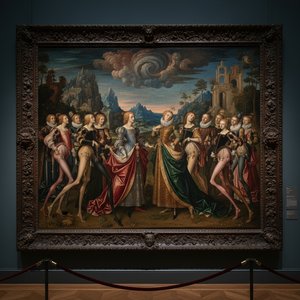
Northern Mannerism: The Dramatic Evolution of Renaissance Art and the Mastery of Elegant Distortion
Explore the dramatic evolution of Northern Mannerism. Discover how masters like Bosch and Grünewald transitioned from Renaissance harmony to profound, elegant distortion through an expert analysis of symbolism, emotional intensity, and artistic innovation.



