Cambiar a impresiones
 Ver más







































 Para obras de arte o reproducciones que midan más de 105 cm (aproximadamente 41 pulgadas) en cualquiera de sus lados, el marco se enviará como un kit desmontado. Este método garantiza una entrega segura y evita daños durante el transporte.


Hieronymus Bosch: A Visionary Landscape of Sin and Salvation
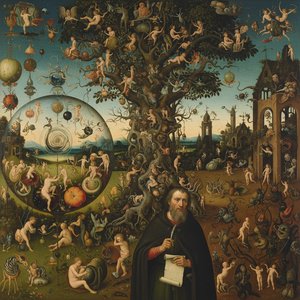
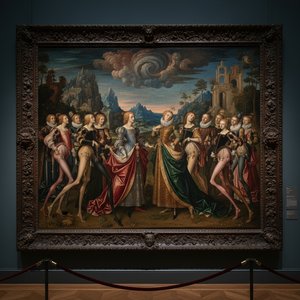
Bosch’s *The Seven Deadly Sins and the Four Last Things*, completed around 1500, stands as one of the most arresting achievements of Early Netherlandish painting—a testament to his unparalleled ability to distill complex theological concepts into a visually unforgettable experience. More than just an illustration of moral precepts, it's a sprawling panorama that invites prolonged contemplation, immersing the viewer in a world populated by grotesque figures and unsettling imagery, reflecting anxieties about mortality and divine judgment prevalent during the Renaissance. Its sheer scale—measuring approximately 180 x 240 cm—commands attention and compels us to confront the darker facets of human nature alongside glimpses of transcendent hope.Decoding Bosch’s Symbolic Language
Bosch eschewed strict realism, prioritizing imaginative compositions and symbolic representations that transcend mere didacticism. The painting isn't organized around a straightforward depiction of each sin; rather, it presents them interwoven with scenes representing the inevitability of death and judgment—a deliberate strategy designed to provoke introspection. Observe the meticulously crafted Wheel of Fortune dominating the central panel, symbolizing the cyclical nature of life and fate. Each Deadly Sin is portrayed in bizarre and grotesque forms: Pride manifests as a colossal figure perched atop a tower; Gluttony embodies excess and indulgence; Lust depicts sensual abandon; Envy consumes its victim; Greed clutches at riches with avaricious hands; Wrath unleashes destructive fury; Sloth represents inertia and decay. These aren’t merely warnings against wrongdoing; they are explorations of the psychological roots of human failings—a profound insight into the human condition that distinguishes Bosch from his contemporaries.Technique and Historical Context
Bosch's mastery of oil paint on oak panels is remarkable for its meticulous detail and vibrant color palette, achieved through multiple layers of pigment applied with painstaking precision. He possessed an extraordinary talent for rendering textures—from the smooth skin of figures to the rough bark of trees—creating a palpable sense of reality within his fantastical scenes. Influenced by Jan van Eyck and Rogier van der Weyden, Bosch nevertheless rejected their stylistic conventions, forging his own distinctive path. The painting emerged during a period marked by religious upheaval and intellectual ferment—the Reformation was gaining momentum across Europe, challenging papal authority and fostering debates about faith and morality. *The Seven Deadly Sins* reflects these anxieties, serving as both a cautionary tale against earthly temptations and a reminder of the importance of spiritual vigilance.An Enduring Emotional Resonance
Even centuries after its creation, *The Seven Deadly Sins and the Four Last Things* retains an undeniable emotional power—a disconcerting blend of terror and fascination that continues to captivate viewers today. Bosch doesn’t shy away from depicting the darker aspects of human psychology, forcing us to confront our own vulnerabilities and moral compass within the grand narrative of existence. Yet amidst the pervasive gloom, there is a subtle glimmer of redemption—embodied in Christ, depicted as “The Man of Sorrows,” whose wounds symbolize sacrifice and divine compassion. The painting’s circular composition reinforces this cyclical motif, suggesting that earthly suffering ultimately leads to spiritual transcendence. Owning a hand-painted reproduction allows one to engage with this monumental masterpiece on a deeply personal level, fostering contemplation and offering a timeless reflection on the human experience—a visual embodiment of Bosch's enduring legacy as one of art history’s most visionary artists.Size: Unknown
Date: Unknown
Preguntas y respuestas
¿Dónde puedo descargar "La Mesa de los Pecados Capitales" de Jerónimo Bosch?
Puede descargar la imagen de "La Mesa de los Pecados Capitales" de Jerónimo Bosch en la página de Descargar imagen digital de la obra: descarga de una imagen digital en alta resolución.
¿Qué atmósfera aportaría una reproducción de "La Mesa de los Pecados Capitales" de Jerónimo Bosch a una habitación?
La atmósfera Dramático de "La Mesa de los Pecados Capitales" de Jerónimo Bosch armoniza perfectamente con su espacio recomendado: un Salón principal.
¿Qué color predomina en "La Mesa de los Pecados Capitales"?
El Gris masilla (#eddcb4) es el color predominante de "La Mesa de los Pecados Capitales" de Jerónimo Bosch.
 Ver en contexto
 Enviar
 Compartir
 Detalles
 Guía
Guía

 Descargar
 Similares
 Radiografía
 Presentación de diapositivas
 Preguntas y respuestas
 Estadísticas