

 Vista previa
 Compartir
 Compartir
 Ver detalles
 Guía
Guía

 Descargar
 Ver artículos similares
 Radiografía
 Presentación de diapositivas
 Estadísticas
El Juicio Final


 Leer más
Reproducción al óleo hecha a mano
Óleo sobre lienzo pintado a mano en el tamaño y marco de su elección, realizado por encargo por nuestros artistas. ( Cambiar a formato impreso Ver versión en imagen digital)




P118B €10

P118H €10

P118W €10

P438Z €10

P508JH €12

P508YH €12

P805H €10

P805Z €10

P919BZ €10

P919G €10

P919XJ €10

P959ZH €10

P968JZ €12

W106C €8

W218G €10

W218JH €8

W218Y €10

W307PJ €10

W316G €10

W316PJ €8

W316Y €10

W398PJ €8

W4111J €10

W500HY €15

W500JH €15

W692G €12

W849H €8

W940BG €15

W953PJ €8




Elija entre nuestros tamaños predefinidos que respetan las proporciones originales de la obra.

Escriba el ancho y el alto que necesite para adaptarse a su marco o a su pared. Al ser una obra pintada a mano, para un tamaño con una forma distinta, el artista puede pintar un poco más alrededor de la imagen o recortar un poco; usted elige. Le enviaremos una maqueta digital para su aprobación antes de comenzar la pintura. La imagen que se muestra en esta página no refleja el resultado real; solo la maqueta lo hace.
Tras realizar el pedido, el equipo de OriginalUniqueArt.com enviará un correo electrónico al cliente para solicitar instrucciones y proporcionarle una vista previa del boceto.
Envío a todo el mundo () en 3-4 semanas en lugar de las 5 semanas estándar. (16 octubre). Sin comprometer la calidad.

Envío exprés gratuito a todo el mundo

Lienzo de lino de alta calidad

Seguro de envío completo

Garantía de reembolso de impuestos aduaneros

Garantía de fidelidad cromática exacta

Política de devolución de 100 días (solo por defectos)

Garantía de devolución del 100% del dinero

Oferta por volumen
 La opción de vidrio solo está disponible en tamaños inferiores a 110 cm.

El Juicio Final
Técnica de reproducción
Tamaño de la reproducción
-


Precio total
€ 261
A Glimpse into Bosch’s Inferno: Decoding *The Last Judgement (detail)*
Hieronymus Bosch's *Triptych of the Last Judgement*, completed around 1480-1500, remains one of art history’s most unsettling and enduring masterpieces. More than just a depiction of divine retribution, it’s an intensely personal allegory—a chilling exploration of sin, morality, and God's justice rendered with an imagination that continues to captivate audiences centuries later. This particular detail focuses on the central panel, capturing the horrifying spectacle of Hell itself.Subject & Narrative
The scene plunges us directly into a realm of torment unlike any found in traditional religious iconography. Bosch eschews grand theological narratives, prioritizing instead a visceral portrayal of individual suffering. We witness a chaotic assembly of figures undergoing punishments uniquely tailored to their earthly failings—a deliberate rejection of idealized representations of paradise and damnation. Instruments of torture aren’t merely tools inflicting pain; they embody the sins they represent, transforming into grotesque extensions of human transgression. Bosch's fascination with inventive methods of torment transcends simple fire and brimstone, incorporating fantastical creatures – demons, devils, and monstrous hybrids – alongside disturbing machinery that underscores the absurdity of earthly desires. The artist deliberately avoids grand theological pronouncements, instead presenting a portrait of humanity consumed by fear and despair.Style & Technique: A Masterclass in Northern Renaissance Surrealism
Bosch’s style defies easy categorization, anticipating elements of Surrealism decades before its formal emergence. Rooted in Late Gothic traditions of the Netherlands, it nevertheless possesses an otherworldly quality that distinguishes it from contemporary artistic styles. Bosch's meticulous oil painting technique on wooden panel achieves astonishing levels of detail—a testament to his mastery of pigment and texture. Note the striking contrast between luminous surfaces highlighting areas of focus and rough *impasto* strokes creating a palpable sense of chaotic energy within the darker recesses of Hell. The flattened perspective contributes to the claustrophobic atmosphere, trapping the viewer alongside the tormented souls depicted. Bosch’s use of color is equally deliberate: muted hues dominate the scene, punctuated by flashes of vibrant reds and yellows—colors associated with passion, violence, and divine wrath.Symbolism & Iconography: A Moral Compass
Every element in Bosch's work is laden with symbolism reflecting the anxieties of his time – a period marked by religious fervor, folklore, and societal upheaval. The grotesque figures—often hybrids of human and animal forms—represent the bestial nature of sin and the degradation of humanity. Instruments of torture aren’t merely instruments inflicting pain; they embody the sins they represent, transforming into grotesque extensions of human transgression. Consider the recurring motifs: musical instruments repurposed as tortures symbolizing indulgence; fantastical animals representing primal instincts; and bizarre architectural structures reflecting distorted perceptions of reality. Bosch's meticulous attention to detail extends beyond mere visual representation—he incorporates proverbs and religious beliefs prevalent in his era, offering a window into the moral landscape of fifteenth-century Brabant. Decoding these symbols unlocks deeper meanings about human nature and divine judgment.Historical Context & Artistic Legacy
Hieronymus Bosch lived during a transformative period in European history—the dawn of the Renaissance alongside the continuing influence of medieval dogma. His art reflects the anxieties surrounding mortality, sin, and faith—concerns that resonated deeply with his contemporaries. Bosch’s unparalleled stylistic innovation profoundly impacted subsequent generations of artists—particularly Pieter Bruegel the Elder—who embraced his visionary approach to depicting human experience. He stands as a powerful reminder of art's capacity to confront uncomfortable truths—a testament to its enduring relevance across centuries and cultures. His influence can be seen in contemporary explorations of fantasy, horror, and psychological complexity, cementing his place as one of the most influential figures in Northern Renaissance art.- Ideal for: Collectors of Northern Renaissance art, those interested in symbolism and allegory, designers seeking impactful statement pieces.
- Mood: Dramatic, unsettling, thought-provoking, gothic.
- Pairing Suggestions: Contemporary furniture with dark hues, minimalist spaces emphasizing textural contrasts, gallery walls incorporating thematic connections to morality and apocalypse.
Preguntas y respuestas
¿Cómo se relacionan los colores de "El Juicio Final" de Jerónimo Bosch con su emoción?
"El Juicio Final" de Jerónimo Bosch combina una paleta de Tonos tierra con un tono Solemne.
¿En qué periodo se realizó "El Juicio Final" de Jerónimo Bosch?
"El Juicio Final" de Jerónimo Bosch pertenece al periodo Renacimiento. Este periodo proporciona el contexto histórico de la obra.
¿Qué origen nacional sustenta el Northern Renaissance Surrealism de "El Juicio Final"?
La obra de Northern Renaissance Surrealism "El Juicio Final" fue realizada por un artista nacido en Países Bajos.
Biografía del artista
vida y carrera
Hieronymus Bosch, un pintor holandés/niederlandés destacado de Brabante, nació alrededor de 1450 en ‘s-Hertogenbosch, Países Bajos. Su vida permanece envuelta en misterio, con solo unos pocos registros de su existencia. A pesar de la falta de información biográfica, el arte de Bosch ha tenido un impacto profundo en el arte europeo del norte, particularmente en el siglo XVI.estilo artístico e influencias
El estilo único de Bosch, caracterizado por **representaciones surrealistas e imaginativas de temas religiosos**, ha sido ampliamente influyente. Sus pinturas al óleo sobre madera, a menudo que presentan **visiones inquietantes y de pesadilla del infierno**, han sido objeto de numerosas interpretaciones. El Triptico del Juicio Final (c. 1480-1490) y el Jardín de las Delicias (c. 1490-1510) son dos de sus obras más celebradas, que muestran su maestría en el medio.obras notables y colecciones
* Ascenso de los Benditos (renacimiento del norte, óleo sobre tabla): un ejemplo raro del trabajo de Bosch, que presenta una escena onírica y otrosa. * Epifanía (c. 1495, Museo Prado, Madrid): Un triptico que demuestra el uso innovador de óleo sobre madera por parte de Bosch. * Cabeza de un Halbedero (Museo Prado, Madrid): Un buen ejemplo de la pintura al óleo de retrato de Bosch, que muestra su atención al detalle.museos y colecciones que exhiben el trabajo de Bosch
* El Museo Prado, Madrid: Hogar de algunas de las obras más famosas de Bosch, incluyendo la Epifanía y el Triptico del Juicio Final. * El Museo de Arte de Filadelfia, Filadelfia: Presenta una versión de la Epifanía, ofreciendo una perspectiva única sobre el estilo artístico de Bosch.- Explore más obras de Hieronymus Bosch en https://OriginalUniqueArt.com/@/hieronymus-bosch
- Descubra el movimiento del arte flamenco temprano y sus figuras clave, incluyendo a Jan van Eyck y Pieter Bruegel el Viejo, en https://OriginalUniqueArt.com/@@/a@d3cpaf-the-erly-netherlandish-art-movement
- Aprenda más sobre la vida y obra de Pieter Bruegel el Viejo en https://en.wikipedia.org/wiki/pieter_bruegel_the_elder
legado
El estilo enigmático de Hieronymus Bosch ha cautivado a los entusiastas del arte durante siglos, y su influencia aún se puede ver en la obra de numerosos artistas. Su combinación única de **surrealismo e ideas profundas sobre la condición humana** ha solidificado su lugar como maestro de la pintura flamenco.
Jerónimo Bosch
1450 - 1516 , Países Bajos
Datos clave
- Artistas Influenciados: ['Pieter Bruegel el Viejo']
- Fecha De Muerte: 1516
- Fecha De Nacimiento: c. 1450
- Lugar De Nacimiento: 's-Hertogenbosch, Países Bajos
- Movimiento Artístico: Primitivos Flamencos
- Nacionalidad: Holandés
- Nombre Completo: Jerónimo Bosch
- Obras Notables:
- El Jardín de las Delicias
- Tríptico del Juicio Final
- Ascenso de los Benditos
- Epifanía
Artículos relacionados
Hieronymus Bosch: Las 25 Obras Maestras del Genio Medieval | Arte y Decoración
Descubre las 25 obras maestras de Hieronymus Bosch, el enigmático pintor medieval. Explora 'El Jardín de las Delicias' y su simbolismo único. Reproducciones de arte de alta calidad para tu hogar en OriginalUniqueArt.com.
Los 10 Maestros del Surrealismo: Obras que Revolucionaron el Arte y la Decoración
Descubre los 10 lienzos surrealistas más influyentes de artistas como Dalí y Magritte. Explora la historia, el simbolismo y las técnicas del movimiento surrealista. Encuentra reproducciones de arte de museo en OriginalUniqueArt.com.
Surrealist Dreamscapes: A Curated Journey Through the Subconscious Majesty of Surrealism
Embark on a sophisticated journey through Surrealist dreamscapes. Explore the profound symbolism of masters like Dalí and discover how to curate breathtaking, museum-quality surrealist art for your private collection with expert guidance.
Las 25 Obras Maestras del Prado: Arte Español e Inspiración para tu Hogar
Descubre las 25 obras maestras del Museo del Prado: Velázquez, Goya, El Greco y más. Explora la historia, técnica y belleza de cada cuadro español. Encuentra reproducciones de arte exclusivas e inspira tu hogar con OriginalUniqueArt.com.
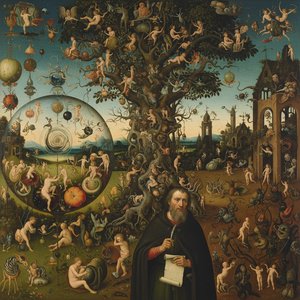
Hieronymus Bosch: Decoding the Visions of a Netherlandish Master
Explore the captivating world of Hieronymus Bosch! Delve into the symbolism, religious context, and artistic innovation of this Netherlandish master with OriginalUniqueArt's expert analysis. Discover his iconic paintings & lasting influence.


