Ver en contexto
 Enviar
 Compartir
 Detalles
 Guía
Guía

 Descargar
 Similares
 Radiografía
 Presentación de diapositivas
 Q&A
Q&A Estadísticas
Baluba


 Ver más
La obra de arte que se muestra en esta página está protegida por las leyes de propiedad intelectual, lo que significa que no podemos crear ni vender legalmente una reproducción idéntica. Esta protección se hace cumplir en virtud de acuerdos internacionales como el Convenio de Berna y por las leyes nacionales, incluidas aquellas establecidas por el Ley de derechos de autor de los EE. UU. - Título 17.
Este método cumple plenamente con las normativas de derechos de autor, ya que no implica la copia ni la duplicación de la obra protegida. En su lugar, se trata de una reinterpretación creativa: una nueva pintura influenciada por la original, pero que no es idéntica a ella.
Giclée / Impresión de arte
Impresiones giclée o en lienzo de calidad de museo con producción rápida y opciones de acabado flexibles. ( Comprar pintura hecha a mano Cambiar a imagen digital)




































Elija entre nuestros tamaños predefinidos que respetan las proporciones originales de la obra.

Introduzca el ancho y el alto que necesite para adaptarse a su marco o pared. Una impresión solo puede recortarse, nunca hacerse más grande que la imagen original, por lo que un tamaño con una forma distinta perderá parte de la obra. Le enviaremos una maqueta digital para su aprobación antes de realizar cualquier impresión. La imagen que se muestra en esta página no refleja el recorte real; solo la maqueta lo hace.
Envío a todo el mundo () en 2 semanas en lugar de las 4/5 semanas estándar. (30 octubre)

Envío exprés gratuito a todo el mundo

Lienzo de lino de alta calidad

Seguro de envío total

Garantía de reembolso de aranceles aduaneros

Garantía de fidelidad cromática exacta

Política de devolución de 100 días (solo por defectos)

Garantía de devolución del 100% del dinero

Descuento por cantidad
 La opción de vidrio solo está disponible en tamaños inferiores a 110 cm.

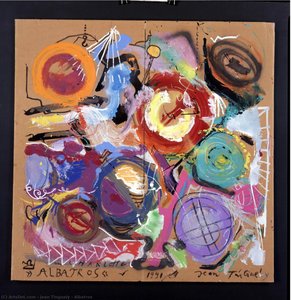
Baluba
Giclée / Impresión de arte
Dimensiones de la reproducción
-


Precio total final
€ 71
Biografía del artista
Jean Tinguely: Una Sinfonía de Destrucción y Deleite
Jean Tinguely (1925-1991) se erige como una figura singular en la escultura del siglo XX, reconocido por su audaz exploración del arte cinético, un movimiento profundamente arraigado en el espíritu rebelde del dadaísmo. Más allá de la simple creación de máquinas, Tinguely diseñó performances de desintegración, transformando fragmentos de metal en danzas hipnóticas de colapso que, simultáneamente, se burlaban del exceso industrial y celebraban la belleza inherente de la decadencia. Nacido en Friburgo, Suiza, poseía una fascinación temprana por la escultura, alimentada por encuentros formativos con artistas como Kurt Schwitters y Julia Ris en la Allgemeine Gewerbeschule de Basilea. Estas influencias inculcaron en él la convicción de que el arte debía desafiar las convenciones y provocar la contemplación, una filosofía que impregnaría toda su obra.- Primeros años e influencias: El viaje artístico de Tinguely comenzó en Basilea, donde perfeccionó sus habilidades bajo la tutela de Julia Ris, absorbiendo el ethos del dadaísmo —específamente el Merzbau de Schwitters—, que defendía el azar y la improvisación como herramientas para la expresión artística. Este entendimiento fundacional resultaría crucial para su posterior desarrollo como escultor cinético.
- La vanguardia parisina y el Nuevo Realismo: Al trasladarse a París en 1952 junto a Eva Aeppli, Tinguely se sumergió en la vibrante escena de la vanguardia parisina. Unió fuerzas con colegas artistas como René Lalique e Yves Klein, contribuyendo a los debates en torno al Nuevo Realismo, un movimiento que buscaba rechazar la representación ilusionista y abrazar la materialidad como medio primordial de comunicación artística.
El nacimiento de las Métamatics: El legado del Dadaísmo revisitado
El enfoque revolucionario de Tinguely hacia la escultura surgió de su compromiso inquebrantable con los principios dadaístas. Al rechazar las técnicas escultóricas tradicionales, adoptó el uso de chatarra —piezas de bicicleta, resortes, cables y otros materiales desechados— para construir máquinas que desafiaban la gravedad y el movimiento. Estas «Métamatics», como Tinguely las denominó, no eran meros objetos decorativos; eran provocaciones deliberadas diseñadas para desmantelar nociones preconcebidas sobre la escultura y el arte mismo. Al igual que los artistas dadaístas que le precedieron, incorporó intencionadamente elementos de azar y espontaneidad en su proceso creativo, reflejando la energía caótica de la época. La naturaleza autodestructiva de estas máquinas no era simplemente un gesto estético: representaba una crítica a la obsesión social con la producción y el consumo.- Homenaje a Nueva York (1960): Quizás la obra más icónica de Tinguely, «Homage to New York», ejemplifica su visión artística. El colapso parcial de la escultura durante su presentación en el MoMA subrayó la creencia del artista de que el arte debe confrontar la realidad de frente y reconocer su propia impermanencia.
- Estudio para un fin del mundo n.º 2 (1962): Esta instalación monumental, detonada en el desierto de Nevada ante una audiencia cautivada, consolidó la reputación de Tinguely como un innovador audaz y cimentó su lugar en la historia del arte de acción o performance.
Colaboraciones y alianzas artísticas
El espíritu artístico de Tinguely floreció a través de fructíferas colaboraciones con otros creadores. Notablemente, se asoció con Eva Aeppli para crear «The Hon – En Katedral», una impactante escultura arquitectónica que combinaba elementos orgánicos y mecánicos, testimonio de su capacidad para sintetizar influencias dispares en declaraciones artísticas cohesivas. Además, su matrimonio con Niki de Saint Phalle dio lugar a proyectos extraordinarios como «Le Cyclop», donde exploraron temas de mitología y simbolismo a través de esculturas monumentales que expandieron los límites de la expresión artística.Legado y reconocimiento
La influencia de Jean Tinguely se extiende mucho más allá de su propia vida. Su uso pionero de la escultura cinética estableció un nuevo paradigma para el arte escultórico, inspirando a generaciones de artistas a abrazar la experimentación y a desafiar las nociones convencionales de forma y función. Reconocido internacionalmente como uno de los escultores más destacados de su era, Tinguely continúa cautivando al público con sus máquinas fascinantes —objetos que encarnan tanto la destrucción como el deleite—, recordándonos que la belleza puede hallarse incluso en la desintegración y que el arte debe provocar una profunda reflexión sobre nuestra relación con la tecnología y la sociedad. Su legado perdurable reside no solo en sus extraordinarias esculturas, sino también en el espíritu de innovación rebelde que define su visión artística.
Jean Tinguely
1925 - 1991 , Suiza
Datos clave
- Artistic Movement Or Style: Arte Cinético / Dadaísmo / Nuevo Realismo
- Artists Or Movements Influenced By This Artist: ['Niki de Saint Phalle']
- Artists Who Influenced This Artist:
- Kurt Schwitters
- Dadaístas
- Date Of Birth: 22 mayo 1925
- Date Of Death: 30 agosto 1991
- Full Name: Jean Tinguely
- Nationality: Suizo
- Notable Artworks:
- Santana
- La Cascade
- Métamatics No. 4
- Place Of Birth: Friburgo, Suiza