Vista previa
 Compartir
 Compartir
 Ver detalles

 Descargar
 Ver similares
 Radiografía
 Presentación de diapositivas
Self-Portrait


 Leer más
Giclée / Impresión de arte
Impresiones giclée o en lienzo de calidad de museo con producción rápida y opciones de acabado flexibles. ( Encargar reproducción pintada a mano Comprar descarga)




P118B $10

P118H $10

P118W $10

P438Z $10

P508JH $12

P508YH $12

P805H $10

P805Z $10

P919BZ $10

P919G $10

P919XJ $10

P959ZH $10

P968JZ $12

W106C $8

W218G $10

W218JH $8

W218Y $10

W307PJ $10

W316G $10

W316PJ $8

W316Y $10

W398PJ $8

W4111J $10

W500HY $15

W500JH $15

W692G $12

W849H $8

W940BG $15

W953PJ $8




Elija entre nuestros tamaños predefinidos que respetan las proporciones originales de la obra.

Puede introducir sus propias dimensiones para adaptarse a un marco o espacio específico. Si el tamaño seleccionado no coincide con las proporciones de la imagen original, recortaremos la obra de arte o extenderemos la imagen con un borde con efecto espejo o de color sólido. Se enviará una maqueta digital para su aprobación antes de que comience la producción.
Tenga en cuenta que la vista previa en pantalla no refleja el recorte o la extensión real. Solo la maqueta mostrará con precisión la composición final.
Aunque existen tamaños personalizados, recomendamos seleccionar una dimensión de la lista predefinida para preservar las proporciones originales.
Envío a todo el mundo () en 2 semanas en lugar de las 4/5 semanas estándar. (21 agosto)

Envío exprés gratuito a todo el mundo

Lienzo de lino de alta calidad

Seguro de envío completo

Garantía de reembolso de aranceles aduaneros

Garantía de fidelidad cromática exacta

Política de devolución de 60 días (solo por defectos)

Garantía de devolución del 100% del dinero

Oferta por volumen
 La opción de vidrio solo está disponible en tamaños inferiores a 110 cm.

Self-Portrait
Giclée / Impresión de arte
Tamaño de la reproducción
-


Precio total
$ 80
Descripción de la pieza
The Genesis of a Visionary: Millet's Early Years and Artistic Roots
Jean-François Millet, born in Gruchy, Normandy, in 1814, wasn’t destined for the hallowed halls of artistic academies. Instead, his formative years were inextricably linked to the rhythms of rural life – a landscape he would later translate onto canvas with unparalleled honesty and depth. His family, farmers themselves, instilled within him not just practical skills but also an intimate understanding of the land, its people, and their arduous existence. This grounding in the soil wasn’t merely a backdrop; it became the very foundation of his artistic vision, informing his meticulous observation and profound empathy for those who toiled beneath the sun. Early education was supplemented by the tangible lessons of farm work – sowing seeds, reaping harvests, and enduring the physical demands of rural labor—experiences that would later infuse his paintings with an authentic resonance rarely found in contemporary art.
Millet’s initial exposure to artistic pursuits began through the guidance of local priests who recognized his intellectual curiosity. However, the realities of family life quickly intervened, demanding he contribute to the farm's operations alongside his formal studies. This dual existence—balancing academic learning with the practicalities of rural life—shaped his perspective and instilled a deep respect for the dignity of manual labor, themes that would repeatedly surface in his celebrated works.
A Portrait of Purpose: Deconstructing Millet’s Self-Portrait
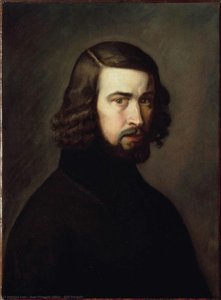
Millet's 1841 self-portrait offers an intimate glimpse into the mind and spirit of a burgeoning artist. Painted during a period of significant transition in his career, it transcends a simple likeness to become a carefully constructed statement about artistic ambition and personal reflection. The composition is strikingly direct; Millet confronts the viewer with unwavering gaze, projecting an aura of control and self-assurance—a deliberate choice that speaks volumes about his evolving confidence as an artist.
The attire – a dark suit and tie, indicative of a burgeoning bourgeois identity – subtly contrasts with the rough texture of his beard and mustache. The visible white shirt beneath the jacket hints at a desire to maintain standards of formality while simultaneously acknowledging his roots. This juxtaposition suggests a negotiation between tradition and modernity, reflecting Millet’s own journey as he navigated the changing landscape of 19th-century France. The painting isn't merely a depiction of a man; it’s an exploration of identity—the artist grappling with his place in the world and asserting his artistic voice.
Realism and the Dignity of Labor: Millet’s Artistic Philosophy
Millet’s self-portrait is a pivotal work within the Realist movement, a reaction against the idealized forms and mythological subjects prevalent in earlier art. He sought to capture the everyday lives of ordinary people—particularly rural laborers—with unflinching honesty and without romanticizing their struggles. This commitment to realism extended beyond mere representation; Millet aimed to convey the dignity inherent in manual labor, portraying his subjects with respect and empathy.
The painting’s stark black-and-white palette further emphasizes this sense of austerity and directness. It mirrors the somber tones often found in Millet's later works depicting peasant life—fields of wheat, harvests, and scenes of rural toil. The lack of embellishment forces the viewer to confront the subject directly, fostering a connection rooted in shared humanity.
A Reproduction for Reflection: Bringing Millet’s Vision Home
OriginalUniqueArt offers meticulously crafted hand-painted reproductions of Jean-François Millet's Self-Portrait, allowing you to bring this powerful work into your own space. Each reproduction is created by skilled artists who understand the nuances of Millet’s technique and his artistic philosophy. The result is a faithful representation that captures not only the visual details but also the emotional depth and intellectual complexity of the original painting.
More than just a decorative piece, a OriginalUniqueArt reproduction of Millet's Self-Portrait serves as a poignant reminder of the dignity of labor, the challenges faced by rural communities, and the enduring power of art to illuminate the human condition. It’s an investment in beauty, history, and a profound connection to one of France’s most significant artistic voices.
Biografía del artista
vida temprana y educación
jean-françois millet, nacido el 4 de octubre de 1814 en Normandía, Francia, emergió como una figura clave en la escuela de Barbizon y un defensor del movimiento artístico realista. Criado en una comunidad agrícola, la vida temprana de Millet estuvo impregnada de experiencias rurales, lo que influyó profundamente en sus temas artísticos.trayectoria artística
La formación artística formal de Millet comenzó en 1833 bajo la tutela del pintor de retratos Bon du Mouchel en Cherbourg. Posteriormente estudió con Théophile Langlois de Chèvreville, un estudiante del barón Gros. Apoyado por una beca, se trasladó a París en 1837 para asistir a la École des Beaux-Arts y estudió bajo Paul Delaroche. Sin embargo, su viaje no estuvo exento de contratiempos; en 1839, perdió su beca y fue rechazado por el salón.obras notables y movimiento realista
La trayectoria artística de Millet refleja su profunda conexión con sus raíces rurales y su dedicación a retratar la vida de los campesinos con dignidad y realismo. Algunas de sus obras notables incluyen:- Los recogedores (1855), una representación conmovedora de campesinos, que muestra la maestría de Millet en el realismo.
- El ángelus (1850-1861), una serie de pinturas que destacan las luchas diarias de la vida rural.
- El siembrador (1850), una representación icónica de las dificultades que enfrentan los agricultores, ahora ubicada en el Musée d'Orsay en París.
legado e influencia
El legado de Millet como fundador de la escuela de Barbizon lo marca como una figura fundamental en la transición hacia el realismo en el arte. Su influencia se puede ver en las obras de artistas posteriores, incluyendo Correa Benito Rebolledo, quien continuó ampliando los límites del realismo. Explore más sobre las obras de Millet y el movimiento realista en OriginalUniqueArt: Jean François Millet el mayor | OriginalUniqueArt El nuevo realismo artístico | OriginalUniqueArt
Jean-François Millet
1814 - 1875 , Francia
Datos clave
- Artistas Influenciados: ['Correa Benito Rebolledo']
- Artistas Que Influyeron:
- Bon du Mouchel
- Théophile Langlois
- Paul Delaroche
- Fecha De Muerte: 1875
- Fecha De Nacimiento: 4 de octubre de 1814
- Lugar De Nacimiento: Gruchy, Francia
- Movimiento Artístico: Realismo, Escuela de Barbizon
- Nacionalidad: Francés
- Nombre Completo: Jean-François Millet
- Obras Notables:
- Los segadores
- El ángelus
- El sembrador
Artículos relacionados

Jean-François Millet: Realism, Rural Life & the Poetic Depiction of Labor
Explore the life & work of Jean-François Millet, a founder of Realism. Discover his poignant depictions of rural France, iconic paintings like 'The Angelus,' and lasting influence on art history. Learn more at OriginalUniqueArt.

Romantic Realism's Finest: 10 Masterpieces for Your Home | OriginalUniqueArt
Explore 10 defining masterpieces of Romantic Realism! Discover Courbet, Millet & Daumier's powerful paintings—capturing emotion and social realities. Find museum-quality reproductions for your home at OriginalUniqueArt.com.

Echoes of Rural Life: Art's Enduring Representations of the Countryside
Explore the rich history of rural life in art! Discover masterpieces from Millet to Mauve & beyond. Learn about Realism, Barbizon School & find inspiration for your home with OriginalUniqueArt.
The Poetic Truth of Observation: Exploring 19th-Century Realism in Painting
Explore the captivating world of 19th-century Realism! Discover key artists like Courbet & Millet, masterpieces, and the powerful social commentary behind this influential art movement. Expert insights at OriginalUniqueArt.
The Evocative Embrace of Reality: Exploring Romantic Realism in 19th-Century Painting
Explore the captivating world of Romantic Realism! Discover key artists like Courbet & Millet, masterpieces, and the social context behind this influential art movement. Expert insights for collectors at OriginalUniqueArt.