
 Vista previa
 Compartir
 Compartir
 Ver detalles

 Descargar
 Ver similares
 Radiografía
 Presentación de diapositivas
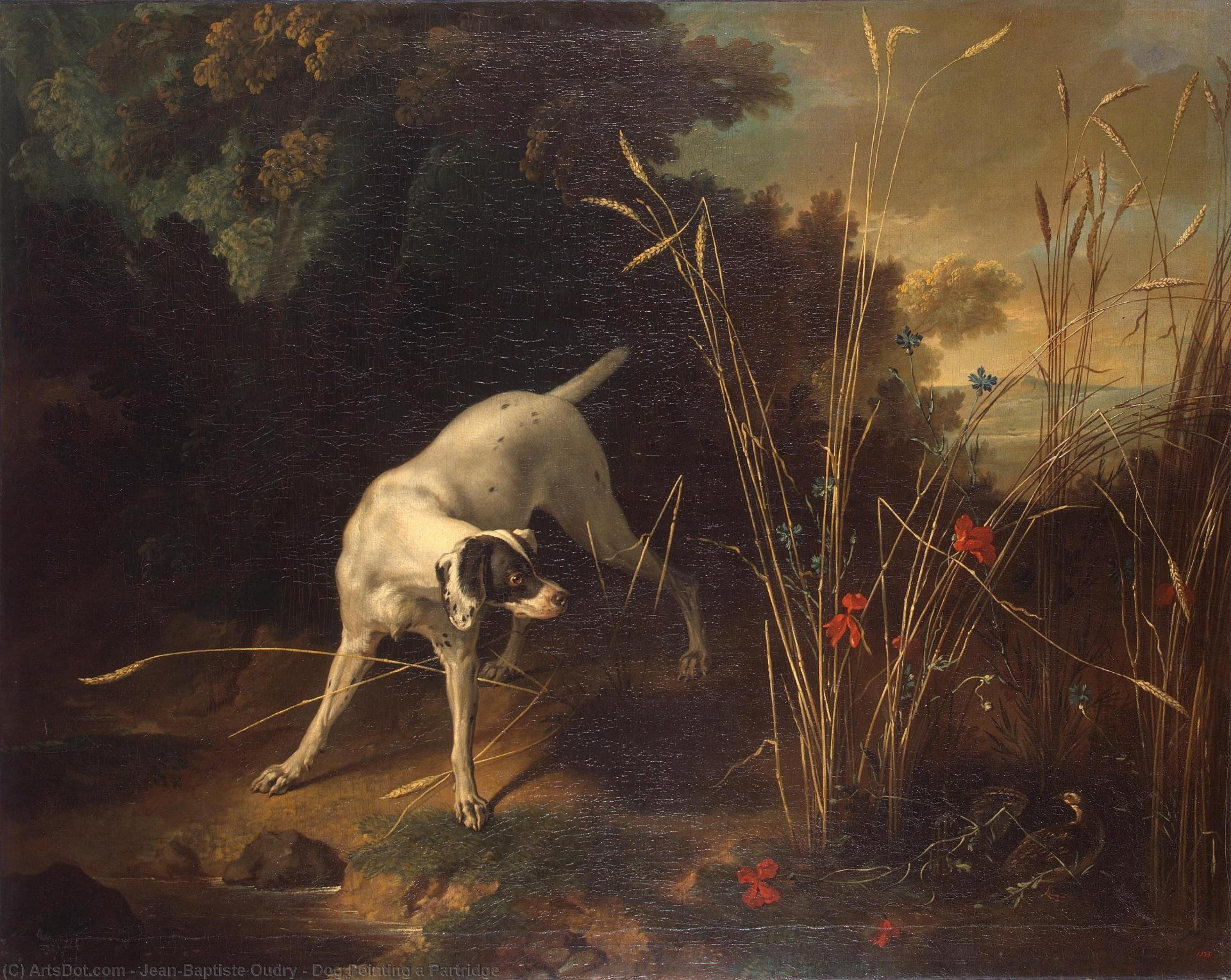
Dog Pointing a Partridge
 Acrylic On Canvas
- WallArt
- Rococo
 1725
1725 129.0 x 162.0 cm
 Museo del Hermitage
 Leer más
Giclée / Impresión de arte
Impresiones giclée o en lienzo de calidad de museo con producción rápida y opciones de acabado flexibles. ( Encargar reproducción pintada a mano Comprar descarga)




P118B $10

P118H $10

P118W $10

P438Z $10

P508JH $12

P508YH $12

P805H $10

P805Z $10

P919BZ $10

P919G $10

P919XJ $10

P959ZH $10

P968JZ $12

W106C $8

W218G $10

W218JH $8

W218Y $10

W307PJ $10

W316G $10

W316PJ $8

W316Y $10

W398PJ $8

W4111J $10

W500HY $15

W500JH $15

W692G $12

W849H $8

W940BG $15

W953PJ $8




Elija entre nuestros tamaños predefinidos que respetan las proporciones originales de la obra.

Puede introducir sus propias dimensiones para adaptarse a un marco o espacio específico. Si el tamaño seleccionado no coincide con las proporciones de la imagen original, recortaremos la obra de arte o extenderemos la imagen con un borde con efecto espejo o de color sólido. Se enviará una maqueta digital para su aprobación antes de que comience la producción.
Tenga en cuenta que la vista previa en pantalla no refleja el recorte o la extensión real. Solo la maqueta mostrará con precisión la composición final.
Aunque existen tamaños personalizados, recomendamos seleccionar una dimensión de la lista predefinida para preservar las proporciones originales.
Envío a todo el mundo () en 2 semanas en lugar de las 4/5 semanas estándar. (16 agosto)

Envío exprés gratuito a todo el mundo

Lienzo de lino de alta calidad

Seguro de envío completo

Garantía de reembolso de aranceles aduaneros

Garantía de fidelidad cromática exacta

Política de devolución de 60 días (solo por defectos)

Garantía de devolución del 100% del dinero

Oferta por volumen
 La opción de vidrio solo está disponible en tamaños inferiores a 110 cm.

Dog Pointing a Partridge
Giclée / Impresión de arte
Tamaño de la reproducción
-


Precio total
$ 80
Descripción de la pieza
A Moment of Focused Grace: Oudry’s “Dog Pointing a Partridge”
Jean-Baptiste Oudry's "Dog Pointing a Partridge," painted in 1725, isn’t merely a depiction of a hunt; it’s a distillation of the Rococo spirit – an elegant tableau capturing a fleeting moment of intense concentration and the harmonious relationship between man and animal. The painting immediately draws the eye to the dog, a magnificent specimen of the Pointer breed, utterly absorbed in its task. Its head is lowered, tail held high in anticipation, and posture radiating unwavering focus. This isn’t a clumsy or frantic pursuit; it's a controlled, almost meditative state, suggesting an innate understanding of scent and instinct. The Partridge, perched delicately amongst the grasses, becomes a secondary subject, almost a reward for this dedicated vigilance.
The Rococo Palette and Precise Observation
Oudry’s mastery lies in his meticulous observation and the skillful application of Rococo techniques. The painting is rendered in a remarkably detailed black and white, emphasizing form and texture rather than relying on vibrant color. This monochrome palette was common for hunting scenes at the time, allowing Oudry to concentrate on capturing the nuances of light and shadow – the way it falls across the dog’s fur, the delicate details of the bird's plumage, and the undulating surface of the grass. The brushstrokes are smooth and refined, contributing to a sense of serenity and control. Notice how he uses subtle gradations of tone to create depth and volume, particularly in the dog’s musculature and the surrounding foliage. The composition itself is carefully balanced, with the elements arranged to guide the viewer's eye through the scene – from the rock at the foreground, up to the bird and then back down to the dog.
- Technique: Oil on canvas, demonstrating Oudry’s command of chiaroscuro (light and shadow).
- Composition: Balanced arrangement drawing the eye through the scene.
- Brushwork: Smooth, refined strokes contributing to a sense of serenity.
A Royal Pursuit and Aristocratic Leisure
“Dog Pointing a Partridge” reflects the aristocratic pursuits of 18th-century France, specifically the royal hunt. These scenes weren’t simply records of hunting expeditions; they were carefully constructed displays of wealth, skill, and social status. Oudry was commissioned by figures like Noël-Antoine de Mérou, director of the Royal Beauvais Tapestry Manufactory, to create designs for tapestries depicting similar hunts – a testament to their popularity and importance within courtly life. The painting embodies the Rococo fascination with leisure, elegance, and the idealized depiction of aristocratic pursuits. The dog’s posture speaks volumes about the values of the time: loyalty, discipline, and an appreciation for the natural world—all carefully curated and presented for a discerning audience.
Symbolism and Emotional Resonance
Beyond its technical brilliance, the painting holds symbolic weight. The dog represents not just a hunting tool but also a companion – a loyal friend engaged in a shared activity. The Partridge, often associated with fertility and renewal, adds another layer of meaning to the scene. The overall effect is one of quiet grace and focused intensity. It’s a moment frozen in time, capturing the beauty of nature and the harmonious relationship between man and animal—a timeless image that continues to resonate with viewers today. Reproductions allow us to appreciate Oudry's skill and bring this elegant scene into our own homes, offering a glimpse into the refined world of 18th-century French aristocracy.
Biografía del artista
Jean-Baptiste Oudry: Una Vida en el Arte
Primeros Años y Formación
- Nacimiento: 17 de marzo de 1686, en París, Francia.
- Oudry provino de una familia profundamente ligada al arte; su padre, Jacques Oudry, era pintor y marchante de arte. Su madre, Nicole Papillon, tenía vínculos con el reconocido grabador Jean-Baptiste-Michel Papillon.
- Inició su formación en la Académie de Saint-Luc, bajo la tutela de Nicolas de Largillière entre 1707 y 1712. Este periodo fundacional fue crucial para moldear sus primeras habilidades en el retrato y la observación minuciosa.
- Su ascenso fue meteórico, convirtiéndose en profesor asistente en la Académie de Saint-Luc en 1714 y alcanzando la categoría de profesor titular para el año 1717.
Desarrollo Artístico y Estilo
- Aunque inicialmente se centró en el retrato, Oudry expandió gradualmente su repertorio para incluir naturalezas muertas, con un énfasis especial en frutas y animales, así como temas religiosos.
- Su estilo evolucionó hacia el Rococó, un movimiento caracterizado por la elegancia, el naturalismo y una representación lúdica de la vida aristocrática y el ocio.
- La atención meticulosa al detalle y su asombrosa capacidad para capturar las texturas y las características singulares de los animales se convirtieron en los sellos distintivos de su obra.
- Demostró una maestría absoluta tanto en la pintura como en el diseño, transitando con fluidez entre la creación de lienzos y la elaboración de tapices.
Grandes Logros y Obras Notables
- Los Diversiones Pastorales (Les Amusements Champêtres): Una serie de tapices diseñados para la Real Manufactura de Tapices de Beauvais, que exhiben escenas idílicas de la vida rural y la caza.
- Luis XV cazando un ciervo en el bosque de Saint-Germain (1730): Esta pintura consolidó la reputación de Oudry como el pintor oficial de la caza real. La obra ejemplifica su destreza para retratar tanto la grandeza de la cacería como la belleza del entorno natural.
- Cacerías Reales de Luis XV (Chasses Royales Gobelins): Una serie de diseños para tapices destinados a la Manufactura de Gobelins, lo que reafirmó su prominencia como diseñador de tapices.
- Numerosos retratos de piezas de caza encargados por el propio Rey Luis XV, los cuales demuestran su pericia en la anatomía animal y la composición de naturalezas muertas.
Influencias y Legado
- Influenciado por: Nicolas de Largillière desempeñó un papel crucial en el desarrollo artístico temprano de Oudry, proporcionándole una formación fundamental en técnica y retrato.
- La obra de Oudry influyó en las generaciones posteriores de pintores de animales y diseñadores de tapices. Su estilo naturalista y su precisión establecieron un nuevo estándar para la representación de la vida silvestre.
- Contribuyó significativamente a las artes decorativas de la corte francesa, creando tapices lujosos que adornaron las residencias reales.
Significado Histórico
- La obra de Oudry ofrece una visión invaluable de la vida aristocrática del siglo XVIII y de la importancia de la caza como pasatiempo para la nobleza francesa.
- Sus tapices son considerados obras maestras del arte decorativo francés, mostrando la destreza técnica y la creatividad artística de la época.
- Fue nombrado para ocupar cargos prestigiosos dentro de la Académie Royale de Peinture et de Sculpture, lo que demuestra su reconocimiento como un artista líder de su tiempo.
- Fallecimiento: 30 de abril de 1755, dejando tras de sí un legado de pinturas y tapices exquisitos que continúan siendo admirados en la actualidad.

Jean-Baptiste Oudry
1686 - 1755 , Francia
Datos clave
- Artistic Movement Or Style: Rococo
- Artists Who Influenced This Artist: Nicolas de Largillière
- Date Of Birth: 17 March 1686
- Full Name: Jean-Baptiste Oudry
- Nationality: French
- Notable Artworks:
- The Pastoral Amusements
- Louis XV hunting a deer in the forest of Saint-Germain
- Place Of Birth: Paris, France
Artículos relacionados
Animalia: Explorando la Presencia Duradera de los Animales en el Arte y el Diseño de Interiores
Descubre la fascinante historia de los animales en el arte y cómo inspirar tu hogar con su simbolismo. Expertos en reproducciones y asesoramiento artístico.
Jean-Baptiste Oudry: Rococo Painter of Aristocratic Life & Naturalistic Detail
Explore the exquisite Rococo paintings of Jean-Baptiste Oudry (1686-1755). Discover his mastery of animal depictions, royal commissions, and tapestry designs. A deep dive into 18th-century French artistry.

Rococó: 10 Obras Maestras que Definieron una Época | Arte y Decoración en
Descubre las 10 obras maestras del Rococó que marcaron una época. Explora la elegancia de Fragonard, Boucher y Watteau en . Reproducciones de arte de calidad museo para decorar tu hogar con estilo.
The Pursuit of Power & Prestige: Hunting Scenes in Western Art
Explore the rich history of hunting scenes in Western art, from royal pursuits to powerful allegories. Discover masterpieces & expert insights for discerning collectors. OriginalUniqueArt offers museum-quality reproductions.
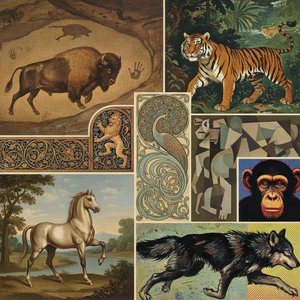
Beastly Brushstrokes: A Historical Journey Through Animal Painting & Aesthetic Movements
Explore the rich history of animal painting across cultures & movements. Discover iconic artists, symbolism, collecting trends & expert art consultation at OriginalUniqueArt.com.



