

 Vista previa
 Compartir
 Compartir
 Ver detalles

 Descargar
 Ver artículos similares
 Radiografía
 Presentación de diapositivas
 Estadísticas
Fruit and Flowers
 Oil On Canvas
- WallArt
- Baroque Still Life
 75.0 x 122.0 cm
 Museo del Hermitage
 Leer más
Giclée / Impresión de arte
Impresiones giclée o en lienzo de calidad de museo con producción rápida y opciones de acabado flexibles. ( Encargar reproducción pintada a mano Ver versión en imagen digital)




P118B $10

P118H $10

P118W $10

P438Z $10

P508JH $12

P508YH $12

P805H $10

P805Z $10

P919BZ $10

P919G $10

P919XJ $10

P959ZH $10

P968JZ $12

W106C $8

W218G $10

W218JH $8

W218Y $10

W307PJ $10

W316G $10

W316PJ $8

W316Y $10

W398PJ $8

W4111J $10

W500HY $15

W500JH $15

W692G $12

W849H $8

W940BG $15

W953PJ $8




Elija entre nuestros tamaños predefinidos que respetan las proporciones originales de la obra.

Puede introducir sus propias dimensiones para adaptarse a un marco o espacio específico. Si el tamaño seleccionado no coincide con las proporciones de la imagen original, recortaremos la obra de arte o extenderemos la imagen con un borde con efecto espejo o de color sólido. Se enviará una maqueta digital para su aprobación antes de que comience la producción.
Tenga en cuenta que la vista previa en pantalla no refleja el recorte o la extensión real. Solo la maqueta mostrará con precisión la composición final.
Aunque existen tamaños personalizados, recomendamos seleccionar una dimensión de la lista predefinida para preservar las proporciones originales.
Envío a todo el mundo () en 2 semanas en lugar de las 4/5 semanas estándar. (17 septiembre)

Envío exprés gratuito a todo el mundo

Lienzo de lino de alta calidad

Seguro de envío completo

Garantía de reembolso de impuestos aduaneros

Garantía de fidelidad cromática exacta

Política de devolución de 100 días (solo por defectos)

Garantía de devolución del 100% del dinero

Oferta por volumen
 La opción de vidrio solo está disponible en tamaños inferiores a 110 cm.

Fruit and Flowers
Giclée / Impresión de arte
Tamaño de la reproducción
-


Precio total
$ 80
A Symphony in Bloom: Jean-Baptiste Monnoyer’s “Fruit and Flowers”
Jean-Baptiste Monnoyer's "Fruit and Flowers," a captivating still life painted circa 1670, transcends the simple depiction of botanical subjects. It is a masterful exercise in Baroque elegance, a testament to the artist’s profound understanding of light, texture, and the subtle interplay between form and color. Housed within the esteemed Hermitage Museum in St. Petersburg, this piece offers a glimpse into the refined world of aristocratic interiors during the late 17th century – a time when opulent decoration served as both a reflection of wealth and a celebration of nature’s bounty.
The painting immediately draws the eye to the vibrant arrangement of citrus fruits—oranges, likely mandarins—nestled amongst an array of exquisitely rendered flowers. These aren't merely botanical specimens; they are presented with a deliberate theatricality, as if arranged for a discerning patron’s gaze. The artist employs a meticulous technique, evident in the delicate veins of the leaves, the subtle variations in skin texture on the fruit, and the velvety petals of the blooms. Monnoyer’s brushwork is remarkably controlled, creating an illusion of depth and volume that invites the viewer to almost reach out and touch the scene.
The Baroque Embrace: Light, Shadow, and Drama
Monnoyer was a key figure in the transition from the Mannerist style to the full flowering of the Baroque. His work is characterized by an intense use of chiaroscuro – the dramatic contrast between light and shadow – a technique borrowed heavily from Caravaggio. Notice how the light source, seemingly originating from above and slightly to the left, illuminates the central fruits while casting deep shadows that define their form and create a sense of three-dimensionality. This masterful manipulation of light isn’t merely aesthetic; it imbues the scene with a palpable drama, suggesting a fleeting moment captured in time.
The dark background, painted with broad strokes, serves to heighten the brilliance of the foreground elements, further emphasizing their beauty and richness. The use of deep reds, pinks, and yellows within the flowers and fruits creates a harmonious yet dynamic color palette—a hallmark of Baroque art. Monnoyer’s ability to capture the subtle nuances of color is truly remarkable, demonstrating his keen eye for detail and his mastery of oil painting techniques.
Symbolism and Aristocratic Taste
Still lifes during this period were far more than decorative exercises; they were laden with symbolic meaning. The abundance of fruit and flowers represented prosperity, fertility, and the pleasures of life – themes particularly resonant within aristocratic circles. Oranges, in particular, were a luxury item imported from the East, signifying wealth and sophistication. The inclusion of specific flower types—roses for love, lilies for purity—would have further enhanced the painting’s symbolic resonance for its intended audience.
Furthermore, Monnoyer's work reflects the prevailing taste for decorative arts within French aristocratic interiors. He was a highly sought-after painter by Charles Le Brun, the leading decorator of the era, and his commissions frequently involved creating elaborate panels and murals for grand residences. “Fruit and Flowers” exemplifies this trend—a carefully curated composition designed to elevate the beauty and grandeur of its surroundings.
A Timeless Masterpiece: Reproduction and Legacy
Today, "Fruit and Flowers" stands as a testament to Monnoyer’s artistic genius and his pivotal role in shaping the Baroque aesthetic. OriginalUniqueArt offers meticulously crafted hand-painted reproductions that faithfully capture the essence of this iconic masterpiece. These high-quality reproductions allow art lovers worldwide to experience the beauty and drama of Monnoyer's work in their own homes, bringing a touch of timeless elegance to any space.
Whether you’re an avid collector, an interior designer seeking inspiration, or simply someone who appreciates exquisite artistry, OriginalUniqueArt’s reproduction of “Fruit and Flowers” is a captivating addition to your collection. It's more than just a painting; it’s a window into the opulent world of 17th-century France – a world where beauty, symbolism, and artistic skill converged in perfect harmony.
Biografía del artista
Jean-Baptiste Monnoyer: Una Vida Dedicada a las Flores y los Tapices
- Nacido: Lille, Francia (1636)
- Fallecido: Londres, Inglaterra (1699)
Jean-Baptiste Monnoyer fue un pintor franco-flamenco reconocido por sus exquisitos bodegones florales y sus importantes contribuciones a las artes decorativas. Su carrera abarcó tanto Francia como Inglaterra, dejando una huella duradera en el diseño de tapices y la pintura de naturalezas muertas florales.
Primeros Años y Formación
Nacido en Lille en 1636, Monnoyer demostró talento artístico desde temprana edad. Se trasladó a París alrededor de 1650, donde comenzó su carrera trabajando en proyectos decorativos para el Hôtel Lambert. Esta exposición inicial a encargos cortesanos probablemente moldeó su estilo y temática futuros. Fue acogido bajo la tutela de Charles Le Brun, un artista destacado de la época, quien lo empleó en la decoración de varias residencias reales, incluyendo el Château de Marly y la residencia del Gran Delfín en el Château de Meudon. Estas experiencias le proporcionaron una formación invaluable y acceso a mecenas influyentes.
Desarrollo Artístico y Obras Principales
La especialidad artística de Monnoyer eran los bodegones florales, a menudo combinados con objets d'art. Se convirtió en miembro de la Académie Royale de Peinture et de Sculpture en 1665, consolidando su posición dentro del mundo artístico francés. Su trabajo en los talleres de tapices de Gobelins y Beauvais fue particularmente significativo. Creó cartones –diseños preliminares– para motivos de frutas y flores utilizados en tapices, demostrando una aguda comprensión tanto de la composición artística como de la producción industrial. Estas colaboraciones resultaron en lujosas suites como "El Emperador Chino", que mostraban su capacidad para traducir la belleza floral en obras decorativas a gran escala.
- Diseños para Tapices: Los diseños de Monnoyer para los talleres de Gobelins y Beauvais fueron muy solicitados, contribuyendo significativamente a la producción de tapices lujosos.
- Pinturas de Bodegón: Sus pinturas individuales de bodegones se caracterizan por colores vibrantes, detalles meticulosos y una sensación de abundancia opulenta.
- Grabados: *Le Livre de toutes sortes de fleurs d'après nature* (El Libro de Todas las Clases de Flores Según la Naturaleza) fue una publicación crucial que mostraba su precisión botánica e influía en los diseñadores decorativos durante décadas.
Carrera Posterior en Inglaterra
En 1690, Monnoyer se mudó a Londres por invitación de Ralph Montagu. Pasó casi una década creando más de cincuenta paneles de frutas y flores para chimeneas y puertas superiores, principalmente para Montagu House (más tarde conocida como el British Museum) y otras residencias prominentes como Boughton House en Northamptonshire. Este período marcó una fase significativa en su carrera, demostrando su adaptabilidad a los gustos ingleses al tiempo que mantenía su estilo distintivo.
Influencia y Legado
La influencia de Monnoyer se extendió más allá de su vida a través de sus grabados, que difundieron ampliamente sus diseños florales. Su trabajo influyó significativamente en las artes decorativas, inspirando a fabricantes de tapices y otros artesanos durante generaciones. Es recordado como un maestro del bodegón floral, un hábil diseñador para tapices y un artista que logró unir con éxito las tradiciones artísticas francesas e inglesas.

Jean-Baptiste Monnoyer
1636 - 1699 , Francia
Datos clave
- Artistas Que Influyeron:
- Davidsz de Heem
- Fyt
- Hieronymus Galle
- Fecha De Fallecimiento: 1699
- Fecha De Nacimiento: 1636
- Lugar De Nacimiento: Lille, Francia
- Movimiento Artístico: Barroco francés
- Nacionalidad: Franco-Flamenco
- Nombre Completo: Jean-Baptiste Monnoyer
- Obras Notables: ['Le Livre de toutes sortes de fleurs']
Artículos relacionados

Silent Narratives: Exploring the Enduring Appeal of Still Life Painting Across Centuries
Explore the rich history of still life painting with OriginalUniqueArt. Discover Dutch Masters, decode vanitas symbolism & learn about collecting timeless art. Expert insights and museum-quality reproductions.

The Bountiful Still Life: Symbolism & Artistic Representation of Fruit Across Art History
Explore the rich history of still life painting & the symbolism of fruit across art movements. Discover masterpieces from Caravaggio to Cézanne with OriginalUniqueArt – expert guidance & museum-quality reproductions.
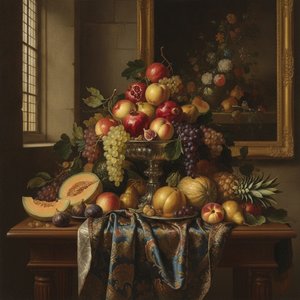
Nature's Bounty: The Art History of Fruit Arrangement Masterpieces and the Baroque Still Life Tradition
Explore the profound beauty of fruit arrangement masterpieces. From Dutch Golden Age opulence to Baroque chiaroscuro, discover the art history, symbolism, and timeless elegance of classical still life paintings for the discerning collector.

Blossoms of Time: A Historical & Aesthetic Exploration of Floral Painting Across Cultures
Explore the rich history of floral painting! Discover symbolism, techniques & masterpieces from Van Huysum to O'Keeffe. Expert insights for art lovers & collectors at OriginalUniqueArt.
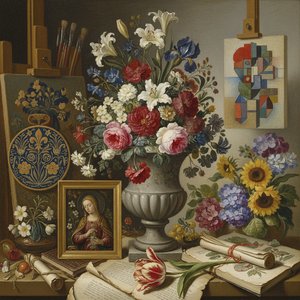
Blossoming Symbolism: A Historical Journey Through Flowers in Western Painting
Explore the rich history of flower symbolism in Western painting! Discover how artists from the Renaissance to Modernism used blossoms to convey meaning, emotion & beauty. Learn about iconic artworks and movements.
