- Inicio

- Impresión en lienzo
- Janko Alexy
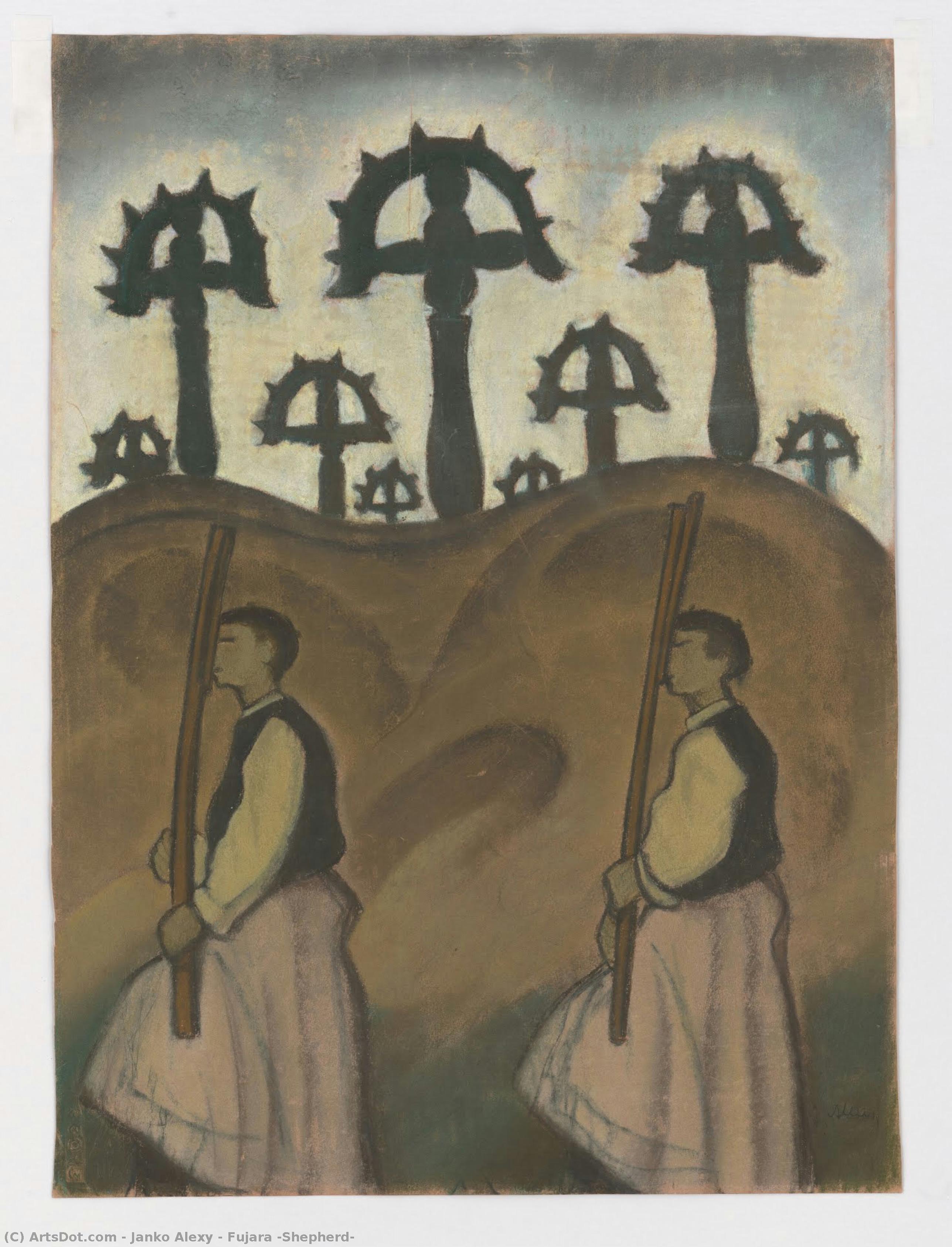
- Fujara (Shepherd
 Preview
 Encargar reproducción Comprar imagen en alta resolución
 Enviar
 Compartir
 Detalles
 Añadir a favoritos

 Descargar
 Similares
 Radiografía
 Presentación de diapositivas
Fujara (Shepherd
 43.0 x 58.0 cm
 Galería Nacional Eslovaca
 Ver más
Giclée / Impresión de arte
Impresión giclée o en lienzo de calidad de museo con producción rápida y opciones de acabado flexibles.




































Elija entre nuestros tamaños predefinidos que respetan las proporciones originales de la obra.

Puede introducir sus propias dimensiones para adaptarse a un marco o espacio específico. Si el tamaño seleccionado no coincide con las proporciones de la imagen original, recortaremos la obra de arte o extenderemos la imagen con un borde con efecto espejo o de color sólido. Se enviará una maqueta digital para su aprobación antes de que comience la producción.
Tenga en cuenta que la vista previa en pantalla no refleja el recorte o la extensión real. Solo la maqueta mostrará con precisión la composición final.
Aunque existen tamaños personalizados, recomendamos seleccionar una dimensión de la lista predefinida para preservar las proporciones originales.
Entrega mundial () en 2 semanas en lugar de las 4/5 semanas estándar. (25 julio)

Envío exprés gratuito a todo el mundo

Lienzo de lino de alta calidad

Seguro de envío total

Garantía de reembolso de impuestos aduaneros

Garantía de fidelidad de color

Política de devolución de 60 días (solo por defectos)

Garantía de devolución del 100% del dinero

Descuento por pedido múltiple
 La opción de vidrio solo está disponible en tamaños inferiores a 110 cm.

Fujara (Shepherd
Giclée / Impresión de arte
Tamaño de la reproducción
-


Precio total final
-
Descripción de la obra
Biografía del artista
Janko Alexy (1894–1970): A Pioneer of Slovak Modernism
Janko Alexy stands as a monumental figure in the genesis of Slovak art, recognized alongside Martin Benka and Ľudovít Fulla as one of the foundational voices shaping the nation’s artistic identity at the dawn of the twentieth century. Born in Liptovský Mikuláš, Slovakia, in 1894, Alexy embarked on a prolific creative journey that spanned painting, writing, and public engagement—activities inextricably linked to his unwavering commitment to portraying the soul of Slovak culture and landscape.Early Life and Artistic Formation
Alexy’s formative years were steeped in the traditions of Liptov, a region renowned for its folklore and rural heritage. This environment profoundly influenced his artistic sensibilities, fostering an early fascination with balladry, folk songs, and legends—themes that would permeate much of his oeuvre throughout his life. His formal education commenced at Prague’s Akademie Výtvarných Umění (Academy of Visual Arts), where he studied under luminaries like Vlaho Bukovac, Maximilian Pirner, and Max Švabinský – masters who instilled in him the principles of Impressionism and Secession, shaping his artistic vocabulary. These influences would prove crucial in establishing Alexy’s distinctive style. He was particularly captivated by the aesthetic ideals of Secession, which championed decorative art and explored innovative formal languages—a stylistic choice that reflected a broader desire to forge a new path for Slovak art.Painting Style and Technique: Pastel as Emblematic Medium
Alexy's artistic signature is indelibly marked by pastel—a medium he championed with unparalleled dedication and innovation. Unlike many of his contemporaries who favored oil paints, Alexy skillfully harnessed the expressive potential of pastel to capture the essence of Slovak rural life and urban vistas alike. His technique involved layering thin washes of pigment onto paper, achieving remarkable tonal subtlety and textural richness. This method allowed him to convey mood and emotion with breathtaking precision—a hallmark of his artistic vision. Notably, he excelled at depicting cityscapes, albeit imbued with an unexpected element of abstractionism; a stylistic choice that distinguished him from many other Slovak artists of the era. The artist’s pastel genre paintings are characterized by asymmetrical compositions, loose brushwork, vibrant color palettes, and masterful blending—elements that contribute to their lyrical quality and evocative power. He meticulously documented the landscapes and people he encountered during his travels across Slovakia – a practice that reflects a broader concern for preserving Slovak identity amidst rapid social change.Themes and Influences: Folklore, Landscape, and Bohemian Spirit
Alexy's artistic program wasn’t merely decorative; it was driven by a deep engagement with Slovak cultural heritage. He drew inspiration from folklore tales and legends, meticulously documenting the traditions of his region—a practice that reflects a broader concern for preserving Slovak identity amidst rapid social change. Simultaneously, he devoted considerable attention to Slovak landscape, capturing its grandeur and serenity with sensitivity and artistic skill. Furthermore, Alexy’s literary endeavors explored themes from the bohemian milieu of Bratislava and Prague, delving into autobiographical narratives that offered glimpses into his personal life and intellectual convictions. His work reflects a profound understanding of human experience—a characteristic that resonates across his diverse artistic mediums. He was influenced by artists such as Vlaho Bukovac, Maximilian Pirner, and Max Švabinský who championed Impressionism and Secession – movements that profoundly shaped the aesthetic landscape of Central Europe during his formative years.Notable Achievements and Legacy
Beyond his paintings and writings, Alexy’s contributions extended to architectural projects, notably the window-pane at Bratislava’s Pavol Országh Hviezdoslav Theatre – a testament to his versatility and collaborative spirit. He designed monumental decorative tapestries for Bratislava Castle—a project undertaken during a period of significant cultural revival—demonstrating his commitment to revitalizing Slovak artistic traditions. His influence on subsequent generations of Slovak artists is undeniable, cementing his place as one of the foremost figures in Slovak Modernism. Despite critiques suggesting that much of his oeuvre leans towards sentimental aesthetics and lacks intellectual depth (as noted by Ján Abelovský), Alexy remains universally recognized for his pioneering role in establishing Slovak art’s distinctive voice—a legacy that continues to inspire artists today.
Janko Alexy
1894 - 1970 , Eslovaquia
Datos clave
- Artistic Movement Or Style: Modern Slovak Art
- Artists Who Influenced This Artist:
- Vlaho Bukovac
- Maximilian Pirner
- Max Švabinský
- Date Of Birth: 1894
- Full Name: Janko Alexy
- Nationality: Slovak
- Notable Artworks: ['Woman of Kozárovce']
- Place Of Birth: Liptovsky Mikulas, Slovakia

