

 Vista previa
 Compartir
 Compartir
 Ver detalles
 Guía
Guía

 Descargar
 Ver artículos similares
 Radiografía
 Presentación de diapositivas
 Estadísticas
Still-Life
 Oil On Canvas
- WallArt
- Baroque
 86.0 x 68.0 cm
 Museo del Hermitage
 Leer más
Adquiera una imagen digital de alta resolución y optimizada, muy superior a la vista previa en línea.
Cada archivo es preparado meticulosamente por nuestros especialistas internos mediante el uso de herramientas avanzadas y un experto retoque manual. Nos aseguramos de que cada imagen posea una claridad excepcional, una precisión cromática impecable y un detalle minucioso.
El archivo final se entrega por correo electrónico en un plazo de 72 horas, optimizado para su uso inmediato en entornos profesionales, editoriales y de impresión. Esta es la misma calidad en la que confían los estudios de diseño, las editoriales y las galerías de primer nivel.
Imagen Digital
Descarga un archivo de alta resolución para exhibición personal, impresión y proyectos creativos. ( Cambiar a formato impreso Encargar reproducción pintada a mano)
Incluido en cada pedido de imágenes digitales
Entrega digital experta, garantizada.
Al elegir OriginalUniqueArt.com, no solo está adquiriendo una imagen; está recibiendo una obra de arte digital mejorada profesionalmente, elaborada con precisión y respaldada por una garantía de satisfacción. Esto es todo lo que incluye su pedido, automáticamente:

Entrega inmediata por email
Recibirá su archivo de imagen digital en alta resolución por correo electrónico en un plazo de 72 horas tras realizar su pedido, listo para su uso inmediato.

Archivo digital optimizado por IA
Su obra de arte se optimiza profesionalmente mediante herramientas avanzadas de IA y edición manual, garantizando el máximo detalle, claridad y precisión cromática.

Reenvío gratuito de por vida
¿Has borrado o perdido tu archivo por error? No te preocupes: te lo volveremos a enviar en cualquier momento, sin coste adicional.

Sin gastos de importación, siempre
Disfrute de su obra de arte al instante sin aduanas, aranceles ni gastos de envío; las descargas digitales siempre están libres de impuestos.

Garantía de precisión de color
Garantizamos que su imagen digital refleje los colores originales con la mayor fidelidad posible, mediante el uso de herramientas profesionales y gestión del color.

Garantía de satisfacción de 100 días
Si no está satisfecho con su imagen digital, la revisaremos o le reembolsaremos el 100% en un plazo de 100 días, sin preguntas.

100% Garantía de devolución de dinero
¿No está satisfecho? Obtenga un reembolso completo dentro de los 100 días posteriores a la recepción de su archivo digital, sin preguntas.

Descuentos por volumen
Compra 3 imágenes, ahorra 10% - Compra 5, ahorra 15% - Compra 10+, ahorra 20%. Ideal para proyectos creativos, galerías y agencias.
A Glimpse into Baroque Grandeur: Jan Weenix’s “Still Life with a Monkey”
Jan Weenix's "Still Life with a Monkey," painted around 1697, is more than just a depiction of fruit and game; it’s a meticulously crafted window into the opulent world of Dutch Golden Age society. This remarkable piece, currently housed within the Hermitage Museum in St. Petersburg, Russia, offers a captivating blend of realism, theatricality, and subtle symbolism that continues to intrigue viewers centuries after its creation. Weenix, trained by his father Jan Baptist Weenix – himself a master of animal and still life painting – inherited a legacy of artistic precision and an appreciation for the natural world, but he quickly established his own distinctive style characterized by dramatic lighting, rich textures, and a keen eye for detail.
The composition immediately draws the viewer’s attention to a striking monkey perched on a ledge within a richly appointed interior. This isn't merely a decorative element; the monkey is the focal point, radiating an almost mischievous energy as it holds an apple in its hand. Surrounding this central figure are an abundance of carefully arranged objects: luscious grapes spilling from a basket, a plump pear glistening with ripeness, and a selection of game birds – a pheasant, a partridge, and a dove – all rendered with astonishing realism. The background is equally elaborate, featuring a large bird being plucked by two smaller birds, creating a dynamic and slightly unsettling tableau. The entire scene unfolds against the backdrop of a grand room, hinting at wealth and status—a testament to Weenix’s ability to seamlessly integrate elements of both naturalism and interior design.
Technique and Materials: A Masterclass in Baroque Realism
Weenix's mastery lies not only in his subject matter but also in his technical execution. He employed the oil painting technique with exceptional skill, layering thin glazes to achieve a remarkable sense of depth and luminosity. Notice how he captures the textures of the fruit – the velvety skin of the pear, the plumpness of the grapes – using subtle variations in color and brushstroke. The lighting is dramatic and carefully considered, casting strong shadows that accentuate the forms and create a sense of three-dimensionality. The use of chiaroscuro—the contrast between light and dark—is particularly effective in highlighting the monkey’s posture and drawing attention to its expressive face.
Furthermore, Weenix's meticulous observation of nature is evident throughout the painting. He studied animal anatomy with a keen eye, capturing their movements and expressions with remarkable accuracy. The arrangement of the game birds suggests a successful hunt, reflecting the importance of hunting in Dutch society at the time. The inclusion of the monkey adds an element of surprise and intrigue, hinting at the exotic and worldly influences that were increasingly prevalent in the Netherlands during the 17th century.
Symbolism and Context: A Window into Dutch Society
Beyond its aesthetic beauty, “Still Life with a Monkey” is rich in symbolism. The monkey itself has been interpreted as representing various concepts – from folly and deception to the fleeting nature of pleasure. Its holding of the apple can be seen as an allusion to the biblical story of Adam and Eve, suggesting a cautionary tale about temptation and indulgence. The presence of the hunting scene reflects the importance of hunting in Dutch society, not just for sustenance but also as a demonstration of wealth and status. The grand interior setting underscores the prosperity and sophistication of the merchant class who commissioned such elaborate artworks.
Painted during the Baroque period, this work embodies many of the key characteristics of the style: dramatic lighting, rich colors, complex compositions, and an emphasis on realism. However, Weenix’s approach is distinct from that of other Baroque painters, particularly in his use of light and shadow to create a sense of depth and atmosphere. The painting also reflects the growing interest in natural history and scientific observation during this period, as artists sought to accurately depict the world around them.
A Timeless Masterpiece: Reproductions and Beyond
Today, “Still Life with a Monkey” remains one of Jan Weenix’s most celebrated works. Its captivating composition, masterful technique, and rich symbolism continue to resonate with viewers centuries after its creation. High-quality reproductions offer an accessible way to appreciate the beauty and complexity of this remarkable painting. Whether displayed in a grand salon or a cozy corner, a reproduction of “Still Life with a Monkey” can bring a touch of Baroque grandeur into any setting, serving as a reminder of the artistic brilliance of the Dutch Golden Age.
Biografía del artista
Jan Weenix: Vida y Legado
Jan Weenix (1641-1719) fue un destacado pintor barroco holandés, celebrado por sus ricos detalles en las representaciones de bodegones de caza, piezas de juego y paisajes. Su obra encarna el espíritu artístico de la Edad de Oro, mostrando tanto dominio técnico como una aguda observación del mundo natural.
Vida Temprana y Desarrollo Artístico
Nacido en Ámsterdam, Países Bajos, en 1641, Jan Weenix siguió los pasos de su padre como artista. Su padre, Jan Baptist Weenix, también era un pintor respetado que se especializaba en temas similares. Esta influencia familiar resultó crucial para el desarrollo artístico temprano de Jan. Inicialmente trabajó bajo la guía de su padre, aprendiendo las técnicas de la pintura de bodegones y la representación animal.
Influencias y Estilo Artístico
El estilo de Jan Weenix refleja las influencias de varios artistas clave de su tiempo. Su padre le inculcó un amor por el realismo detallado y las paletas de colores vibrantes. También fue influenciado por pintores como Hendrick Cornelisz Vroom, conocido por sus pinturas marinas, y posiblemente otros que se especializaban en obras animaleras como Melchior de Hondecoeter y Gillis Claesz d'Hondecoeter.
El estilo artístico de Weenix se caracteriza por:
- Renderizado preciso de las texturas – la piel, las plumas y la hoja son representadas con una precisión notable.
- Uso dramático de la luz y la sombra (claroscuro) para crear profundidad e interés visual.
- Una paleta de colores vibrantes que da vida a sus sujetos.
- Habilidad compositiva en la disposición de los elementos dentro del encuadre.
Obras Maestras y Logros
A lo largo de su carrera, Jan Weenix produjo un importante cuerpo de trabajo. Algunas de sus pinturas más notables incluyen:
- Caza y bodegón de frutas junto a un jarrón de jardín (1714) – Una composición compleja que muestra juego, fruta y elementos arquitectónicos.
- Bodegón con liebre y otros juegos (1697) – Demuestra su maestría en la representación de la anatomía y la textura animal.
- Mono sentado (antes de 1685) - Muestra su capacidad para capturar la personalidad en retratos de animales.
- El pavo real blanco – Una representación impactante de un majestuoso pájaro, que destaca la habilidad de Weenix con el color y el detalle.
También recibió encargos de importantes mecenas, incluyendo una invitación a la corte de Johann Wilhelm, Electror Palatino, donde trabajó junto a otros artistas renombrados.
Significado Histórico
Jan Weenix desempeñó un papel significativo en la popularización de los bodegones de caza y las pinturas de juego durante el período barroco. Sus obras fueron muy solicitadas por coleccionistas y contribuyeron al desarrollo de las tradiciones artísticas holandesas. Ayudó a elevar estos géneros más allá de la mera decoración, infundiéndoles un sentido de realismo, drama y belleza estética.
Su hija, Maria Weenix, continuó la tradición familiar como pintora floral habilidosa, consolidando aún más el nombre Weenix en los anales del arte holandés. El legado de Jan Weenix continúa inspirando a artistas y cautivando al público con sus magistrales representaciones del mundo natural.
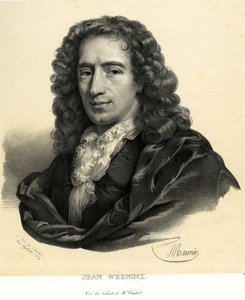
Jan Weenix
1641 - 1719 , Netherlands
Datos clave
- Artistic Movement Or Style: Dutch Baroque
- Artists Who Influenced This Artist:
- Jan Baptist Weenix
- Hendrick Vroom
- Date Of Birth: 1642
- Date Of Death: 1719
- Full Name: Jan Weenix
- Nationality: Dutch
- Notable Artworks:
- Hunting and Fruit Still Life
- Still Life with a Hare
- A Seated Monkey
- Place Of Birth: Amsterdam, Netherlands