
 Vista previa
 Compartir
 Compartir
 Ver detalles

 Descargar
 Ver similares
 Radiografía
 Presentación de diapositivas
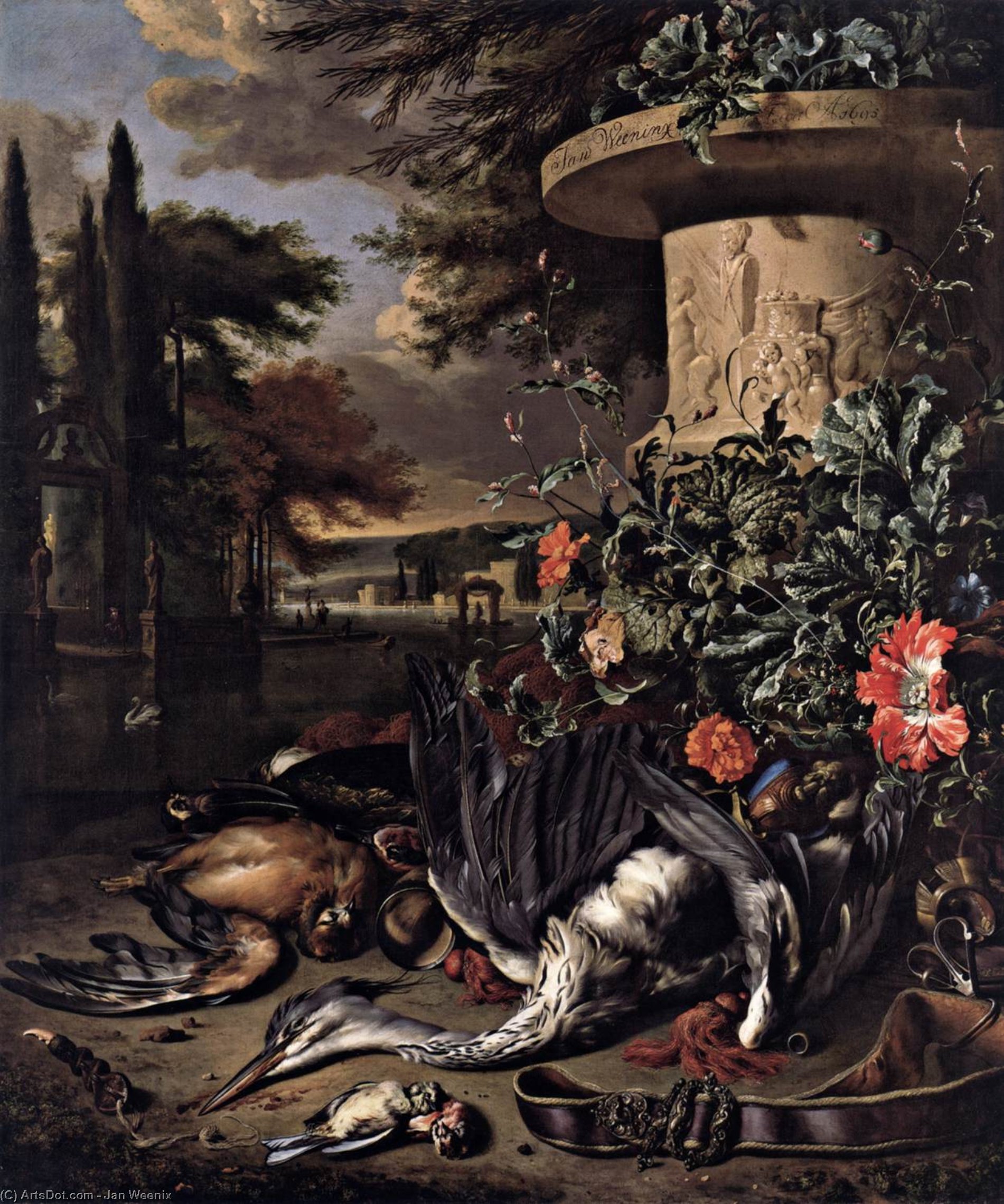
Gamepiece with a Dead Heron
 Acrylic On Canvas
- WallArt
- Dutch Golden Age
 1695
1695 134.0 x 111.0 cm
 Museo Metropolitano de Arte
 Leer más
Reproducción al óleo hecha a mano
Óleo sobre lienzo pintado a mano en el tamaño y marco de su elección, realizado por encargo por nuestros artistas. ( Pedir impresión Comprar descarga)




P118B $10

P118H $10

P118W $10

P438Z $10

P508JH $12

P508YH $12

P805H $10

P805Z $10

P919BZ $10

P919G $10

P919XJ $10

P959ZH $10

P968JZ $12

W106C $8

W218G $10

W218JH $8

W218Y $10

W307PJ $10

W316G $10

W316PJ $8

W316Y $10

W398PJ $8

W4111J $10

W500HY $15

W500JH $15

W692G $12

W849H $8

W940BG $15

W953PJ $8




Elija entre nuestros tamaños predefinidos que respetan las proporciones originales de la obra.

Puede ingresar sus propias dimensiones para adaptarse a un marco o espacio específico. Si el tamaño seleccionado no coincide con las proporciones de la imagen original, recortaremos la obra o extenderemos la pintura con elementos adicionales pintados a mano. Se le enviará una maqueta digital para su aprobación antes de comenzar la producción.
Tenga en cuenta que la vista previa en pantalla no refleja el recorte o la extensión reales. Solo la maqueta mostrará con precisión la composición final.
Si bien existen tamaños personalizados, recomendamos seleccionar una dimensión de la lista predefinida para preservar las proporciones originales.
Tras realizar el pedido, el equipo de OriginalUniqueArt.com enviará un correo electrónico al cliente para solicitar instrucciones y proporcionarle una vista previa del boceto.
Envío a todo el mundo () en 3-4 semanas en lugar de las 5 semanas estándar. (19 agosto). Sin comprometer la calidad.

Envío exprés gratuito a todo el mundo

Lienzo de lino de alta calidad

Seguro de envío completo

Garantía de reembolso de aranceles aduaneros

Garantía de fidelidad cromática exacta

Política de devolución de 60 días (solo por defectos)

Garantía de devolución del 100% del dinero

Oferta por volumen
 La opción de vidrio solo está disponible en tamaños inferiores a 110 cm.

Gamepiece with a Dead Heron
Técnica de reproducción
Tamaño de la reproducción
-


Precio total
$ 300
Descripción de la obra
A Study in Mortality and Courtly Grace: Jan Weenix’s “Gamepiece with a Dead Heron”
Jan Weenix's "Gamepiece with a Dead Heron," painted in 1695, is more than just a still life; it’s a meticulously crafted tableau of aristocratic leisure intertwined with the poignant beauty of death. This remarkable canvas, now housed within The Metropolitan Museum of Art, offers a captivating glimpse into the Dutch Golden Age, revealing not only the artist's exceptional technical skill but also his astute understanding of social dynamics and the evolving aesthetics of the time. The painting immediately draws the eye to its central subject: a heron lying prone on a bed of moss, its elegant neck outstretched in a gesture both vulnerable and dignified. Around it, a carefully arranged collection of game – rabbits, partridges, and other birds – contributes to the composition’s rich tapestry of textures and colors. Yet, it's not merely a display of hunting trophies; Weenix masterfully integrates these elements into a broader scene, suggesting a sophisticated courtly setting.The Anatomy of a Hunting Trophy: Technique and Detail
Weenix was renowned for his ability to render the textures of animal hides with astonishing realism – a skill honed through years of observation and practice. Notice the subtle variations in color and sheen across the heron’s feathers, meticulously captured with delicate brushstrokes. The artist's use of chiaroscuro—the dramatic interplay of light and shadow—further enhances the sense of depth and volume, imbuing each animal with a palpable presence. Beyond the individual animals, Weenix demonstrates an impressive command of composition, arranging the trophies in a way that feels both natural and deliberately staged. The inclusion of a large neoclassical urn, partially obscured by the fallen birds, adds a layer of formality to the scene, hinting at the wealth and status of its intended patron – likely a member of the European aristocracy. The painting’s palette is rich and earthy, dominated by browns, greens, and ochres, creating a sense of groundedness and realism that was characteristic of Dutch still life painting during this period.Symbolism and Social Commentary: Beyond the Hunt
While ostensibly depicting a successful hunt, “Gamepiece with a Dead Heron” carries deeper symbolic weight. The presence of dead animals speaks to the transient nature of beauty and the inevitability of death – a recurring theme in Dutch Golden Age art. However, Weenix doesn’t present this mortality as morbid; instead, he frames it within the context of aristocratic leisure, suggesting that even amidst the pursuit of pleasure, death is an unavoidable aspect of life. The inclusion of figures strolling in the background—likely members of the noble class—further reinforces this idea, implying a detachment from the realities of everyday existence. The urn itself can be interpreted as a symbol of wealth and status, while its partially obscured position suggests a subtle critique of excessive materialism. It’s a delicate balancing act – celebrating the opulence of the court while simultaneously acknowledging its inherent fragility.A Legacy of Dutch Realism: Jan Weenix and His Artistic Circle
Jan Weenix's work is inextricably linked to his father, Jan Baptist Weenix, with whom he shared a workshop and artistic vision. Both artists were masters of depicting hunting scenes and still lifes of game, but Jan Weenix developed a distinctive style characterized by greater detail, richer colors, and a more sophisticated understanding of composition. He was part of a vibrant artistic circle in Antwerp, alongside figures like Frans Snyders and Peter Paul Rubens, all of whom contributed to the flourishing of Flemish Baroque painting. His work reflects both the influence of his father’s legacy and his own innovative approach to rendering natural forms. The painting's provenance—having been seized by the Nazis during World War II and subsequently restituted to its rightful owner—adds another layer of historical significance, reminding us of the enduring power of art to transcend political boundaries. Today, reproductions of “Gamepiece with a Dead Heron” continue to captivate viewers, offering a timeless meditation on beauty, mortality, and the complexities of aristocratic life.Biografía del artista
Jan Weenix: Vida y Legado
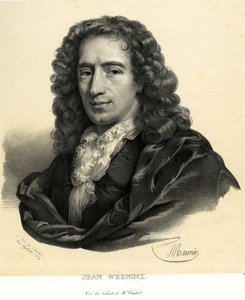
Jan Weenix (1641-1719) fue un destacado pintor barroco holandés, celebrado por sus ricos detalles en las representaciones de bodegones de caza, piezas de juego y paisajes. Su obra encarna el espíritu artístico de la Edad de Oro, mostrando tanto dominio técnico como una aguda observación del mundo natural.
Vida Temprana y Desarrollo Artístico
Nacido en Ámsterdam, Países Bajos, en 1641, Jan Weenix siguió los pasos de su padre como artista. Su padre, Jan Baptist Weenix, también era un pintor respetado que se especializaba en temas similares. Esta influencia familiar resultó crucial para el desarrollo artístico temprano de Jan. Inicialmente trabajó bajo la guía de su padre, aprendiendo las técnicas de la pintura de bodegones y la representación animal.
Influencias y Estilo Artístico
El estilo de Jan Weenix refleja las influencias de varios artistas clave de su tiempo. Su padre le inculcó un amor por el realismo detallado y las paletas de colores vibrantes. También fue influenciado por pintores como Hendrick Cornelisz Vroom, conocido por sus pinturas marinas, y posiblemente otros que se especializaban en obras animaleras como Melchior de Hondecoeter y Gillis Claesz d'Hondecoeter.
El estilo artístico de Weenix se caracteriza por:
- Renderizado preciso de las texturas – la piel, las plumas y la hoja son representadas con una precisión notable.
- Uso dramático de la luz y la sombra (claroscuro) para crear profundidad e interés visual.
- Una paleta de colores vibrantes que da vida a sus sujetos.
- Habilidad compositiva en la disposición de los elementos dentro del encuadre.
Obras Maestras y Logros
A lo largo de su carrera, Jan Weenix produjo un importante cuerpo de trabajo. Algunas de sus pinturas más notables incluyen:
- Caza y bodegón de frutas junto a un jarrón de jardín (1714) – Una composición compleja que muestra juego, fruta y elementos arquitectónicos.
- Bodegón con liebre y otros juegos (1697) – Demuestra su maestría en la representación de la anatomía y la textura animal.
- Mono sentado (antes de 1685) - Muestra su capacidad para capturar la personalidad en retratos de animales.
- El pavo real blanco – Una representación impactante de un majestuoso pájaro, que destaca la habilidad de Weenix con el color y el detalle.
También recibió encargos de importantes mecenas, incluyendo una invitación a la corte de Johann Wilhelm, Electror Palatino, donde trabajó junto a otros artistas renombrados.
Significado Histórico
Jan Weenix desempeñó un papel significativo en la popularización de los bodegones de caza y las pinturas de juego durante el período barroco. Sus obras fueron muy solicitadas por coleccionistas y contribuyeron al desarrollo de las tradiciones artísticas holandesas. Ayudó a elevar estos géneros más allá de la mera decoración, infundiéndoles un sentido de realismo, drama y belleza estética.
Su hija, Maria Weenix, continuó la tradición familiar como pintora floral habilidosa, consolidando aún más el nombre Weenix en los anales del arte holandés. El legado de Jan Weenix continúa inspirando a artistas y cautivando al público con sus magistrales representaciones del mundo natural.
Jan Weenix
1641 - 1719 , Netherlands
Datos clave
- Artistic Movement Or Style: Dutch Baroque
- Artists Who Influenced This Artist:
- Jan Baptist Weenix
- Hendrick Vroom
- Date Of Birth: 1642
- Date Of Death: 1719
- Full Name: Jan Weenix
- Nationality: Dutch
- Notable Artworks:
- Hunting and Fruit Still Life
- Still Life with a Hare
- A Seated Monkey
- Place Of Birth: Amsterdam, Netherlands
Artículos relacionados
Abraham Hendricksz van Beyeren: Pioneering Dutch Still Life & the Banquet Tradition
Explore the captivating world of Dutch Golden Age still life with Abraham van Beyeren. Discover his innovative techniques, symbolic banquet scenes & lasting influence on art history. Learn about collecting these masterpieces.

Jan Jansz Wijnants: A Study in Dutch Golden Age Still Life & Floral Transience
Explore the captivating world of Jan Wijnants and Dutch Golden Age still life painting. Discover symbolism, masterful techniques & lasting influence on floral art history. Learn more!
Jan Steen: A Master of Dutch Genre Painting & the Golden Age
Explore the life & art of Jan Steen, a leading Dutch Golden Age painter renowned for his humorous genre scenes & insightful social commentary. Discover his techniques, legacy, and collecting tips.

Silent Narratives: Exploring the Enduring Appeal of Still Life Painting Across Centuries
Explore the rich history of still life painting with OriginalUniqueArt. Discover Dutch Masters, decode vanitas symbolism & learn about collecting timeless art. Expert insights and museum-quality reproductions.

Los 10 Maestros del Siglo de Oro Holandés: Arte, Historia y Decoración Exclusiva
Descubre los 10 imprescindibles del Siglo de Oro Holandés: Rembrandt, Vermeer y más. Explora la historia, técnica y belleza de estos lienzos clásicos. Encuentra reproducciones de arte exclusivas para decorar tu hogar en .



