Ver en contexto
 Enviar
 Compartir
 Detalles
 Guía
Guía

 Descargar
 Similares
 Radiografía
 Presentación de diapositivas
 Preguntas y respuestas
 Estadísticas
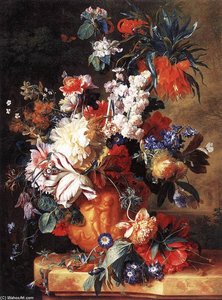
Flores y Frutas

- 80.0 x 61.0 cm


 Ver más
Giclée / Impresión de arte
Impresiones giclée o en lienzo de calidad de museo con producción rápida y opciones de acabado flexibles. ( Comprar pintura hecha a mano Cambiar a imagen digital)




P118B €10

P118H €10

P118W €10

P438Z €10

P508JH €12

P508YH €12

P805H €10

P805Z €10

P919BZ €10

P919G €10

P919XJ €10

P959ZH €10

P968JZ €12

W106C €8

W218G €10

W218JH €8

W218Y €10

W307PJ €10

W316G €10

W316PJ €8

W316Y €10

W398PJ €8

W4111J €10

W500HY €15

W500JH €15

W692G €12

W849H €8

W940BG €15

W953PJ €8




Elija entre nuestros tamaños predefinidos que respetan las proporciones originales de la obra.

Introduzca el ancho y el alto que necesite para adaptarse a su marco o pared. Una impresión solo puede recortarse, nunca hacerse más grande que la imagen original, por lo que un tamaño con una forma distinta perderá parte de la obra. Le enviaremos una maqueta digital para su aprobación antes de realizar cualquier impresión. La imagen que se muestra en esta página no refleja el recorte real; solo la maqueta lo hace.
Envío a todo el mundo () en 2 semanas en lugar de las 4/5 semanas estándar. (4 noviembre)

Envío exprés gratuito a todo el mundo

Lienzo de lino de alta calidad

Seguro de envío total

Garantía de reembolso de aranceles aduaneros

Garantía de fidelidad cromática exacta

Política de devolución de 100 días (solo por defectos)

Garantía de devolución del 100% del dinero

Descuento por cantidad
 La opción de vidrio solo está disponible en tamaños inferiores a 110 cm.

Flores y Frutas
Giclée / Impresión de arte
Dimensiones de la reproducción
-


Precio total final
€ 72
Una sinfonía de color y textura: El florecimiento eterno de Jan van Huysum
En la silenciosa grandeza del Rijksmuseum de Ámsterdam, existe una ventana a un mundo de primavera perpetua, una obra maestra que trasciende los límites del tiempo y la decadencia. “Flores y Frutas” de Jan van Huysum, completada en 1723, es mucho más que un simple arreglo de especímenes botánicos; es un triunfo asombroso del Barroco holandés. Contemplar este lienzo es adentrarse en un reino donde la belleza efímera de la naturaleza se captura con una precisión tan profunda que casi se puede sentir la humedad fresca sobre un pétalo o el aroma dulce y pesado de la fruta madura. Esta obra se erige como un ejemplo quintesencial de una era definida por la opulencia, donde el dominio de la luz y la sombra servía para celebrar tanto la abundancia del mundo natural como la inigualable habilidad técnica del artista.
Nacido en un linaje de excelencia artística en Ámsterdam, Jan van Huysum estaba destinado a convertirse en la voz preeminente del bodegón floral. Hijo de Justus van Huysum el Viejo, su propio ADN estaba impregnado de las tradiciones de la Edad de Oro holandesa. Sin embargo, Jan no se limitó a replicar las obras de sus predecesores; revolucionó el género. Mientras que los maestros anteriores solían presentar arreglos estáticos y formales, Van Huysum introdujo un sentido de movimiento dinámico y espontaneidad orgánica. En “Flores y Frutas”, la composición respira vida. Las uvas parecen agruparse con un peso pesado y suculento, mientras que las manzanas se encuentran dispersas con una casualidad calculada que sugiere un momento congelado en el tiempo. Este sentido del ilusionismo —el arte de engañar al ojo— es lo que eleva esta pieza de un simple estudio a una profunda experiencia sensorial.
La alquimia de la luz y las veladuras
La brillantez técnica requerida para lograr tal luminosidad es nada menos que milagrosa. Van Huysum empleó un método minucioso de superponer finas y translúcidas veladuras sobre múltiples capas base, una técnica que permitía a la luz penetrar las capas de pintura y reflejarse desde el interior, creando un resplandor interno. Este proceso meticuloso le permitió representar las diversas texturas que se encuentran en la naturaleza con una exactitud sorprendente: la suavidad aterciopelada de un pétalo de rosa, el brillo suave y reflectante de un melocotón maduro y la claridad cristalina de una sola gota de rocío aferrada a una hoja. Para el coleccionista exigente o el diseñador de interiores, estos detalles ofrecen una profundidad palpable; la pintura no se limita a reposar sobre una pared, sino que interactúa con la luz ambiental de una habitación, cambiando su carácter a medida que avanza el día.
Más allá de la ejecución técnica, subyace una capa más profunda de resonancia simbólica. En el siglo XVIII, tales bodegones eran a menudo meditaciones sobre el concepto de vanitas: la naturaleza fugaz de la vida y la inevitabilidad del cambio. Sin embargo, el enfoque de Van Huysum se inclina más hacia una celebración de la abundancia y el orden divino de la creación. La exuberancia de la fruta y la vibrante vitalidad de las flores sirven como testimonio de la riqueza de la vida. Para quienes buscan infundir un espacio con elegancia y un sentido de prosperidad atemporal, esta obra proporciona un ancla de sofisticación. Una reproducción de alta calidad de esta obra maestra aporta no solo color, sino una historia de excelencia holandesa y un profundo aprecio por los momentos delicados y fugaces que definen nuestra existencia.
Preguntas y respuestas
¿Cuándo y con qué técnica se realizó "Flores y Frutas"?
"Flores y Frutas" fue realizada en 1723, en Óleo sobre tabla.
¿Qué sentimiento transmite "Flores y Frutas" de Jan Van Huysum dentro de Edad de Oro neerlandesa?
"Flores y Frutas" transmite un tono emocional Calma dentro del movimiento Edad de Oro neerlandesa.
¿Para qué se recomienda una reproducción de "Flores y Frutas" de Jan Van Huysum?
El uso sugerido para "Flores y Frutas" de Jan Van Huysum es Acento cromático. También puede utilizarse con otros fines.
Biografía del artista
Jan van Huysum (1682–1749): A Master of Floral Illusion
Jan van Huysum, a name synonymous with the exquisite flower paintings of the Dutch Golden Age, was born in Amsterdam on April 15, 1682. He wasn’t simply a painter of blooms; he was a master of illusion, capable of rendering petals and droplets with such breathtaking realism that viewers felt they could almost inhale their fragrance. Born into an artistic family—his father, Justus van Huysum the Elder, was also a respected flower painter, and his brothers Jacob and Michiel followed suit—Jan’s path seemed predetermined. However, he wasn't immediately drawn to floral subjects. Early in his career, he experimented with landscapes, described as “conventional and arcadian,” but it was within the delicate world of still life that his true genius blossomed.
The foundation of Van Huysum’s artistic education was laid by his father, a formative experience that instilled in him not only technical skill but also an understanding of the art market. Amsterdam during this period thrived as a center for commerce and culture, fostering a demand for luxurious and decorative paintings like those depicting lavish floral arrangements. This environment shaped Van Huysum’s approach; he wasn’t merely replicating nature, but crafting idealized visions of beauty intended to delight and impress. His earliest dated work is completed in 1717 and now residing in the Louvre, already revealing a remarkable maturity and attention to detail, hinting at the mastery that was to come.
The Art of Detail: Technique and Style
What truly sets Van Huysum apart is his unparalleled technique. He employed smooth, glossy brushstrokes, building up layers of paint to create an almost enamel-like surface that enhanced the richness and vibrancy of his colors. But it wasn’t just about color; it was about light—the way it played across petals, illuminated water droplets clinging to leaves, and created a sense of depth and volume. He possessed an extraordinary eye for detail, meticulously capturing the textures of every flower, fruit, and leaf with astonishing precision. Stories circulated that he could paint details like ants and dew drops so realistically they were visible without magnification—a testament to his dedication and skill.
His compositions are characterized by a refined elegance and balance. Unlike some of his contemporaries who favored crowded, overflowing arrangements, he consistently avoided imbalance or over-composition. His later works became more elaborate, certainly, but always maintained a sense of harmony and grace. He often incorporated elements of fantasy into his work, particularly in his landscapes which featured imaginary scenes with classical architectural details and motionless trees. These weren’t attempts at topographical accuracy, but rather evocative settings designed to showcase the beauty of the flowers they contained.
A Flourishing Reputation: Major Works and Legacy
Throughout his lifetime, Jan van Huysum enjoyed considerable acclaim and financial success. His paintings were highly sought after by collectors, and he commanded high prices for his work. Today, his masterpieces can be found in prestigious museums around the world, including the Louvre in Paris, the National Gallery in London, and collections in Berlin and Amsterdam. Among his most celebrated works are Terracotta Vase with Flowers and Fruits, a stunning display of color and texture; Flowers and Fruits, showcasing his mastery of composition; and Bouquet of Flowers in an Urn, a testament to his ability to capture the ephemeral beauty of nature.
Van Huysum’s influence extended beyond his own time, inspiring generations of artists. Painters like Jan van Os and Johannes de Bosch clearly demonstrate his impact on subsequent floral still life traditions. He represents the pinnacle of Dutch Golden Age flower painting, a period defined by its meticulous observation of nature and its celebration of beauty. His legacy isn't simply about the numerous paintings he created, but also about the enduring appeal of his style—a style that continues to inspire artists and captivate audiences today. His work remains a powerful reminder of the artistry and skill required to transform fleeting moments of natural beauty into timeless works of art.
Family Connections & Artistic Lineage
- Justus van Huysum the Elder (1659–1716): Jan’s father, a prolific painter of flower pieces and decorative schemes.
- Jacob van Huysum (1688–1740): Jan's brother, also a notable artist specializing in botanical illustrations.
- Justus van Huysum the Younger (1685-1707): Another of Jan’s brothers who pursued painting but died young.
- Michiel van Huysum (1703–1777): A half-brother, also a flower painter.
- Francina Margaretha van Huysum: Jan’s daughter, who assisted him in his work and was herself a skilled flower painter.
The Van Huysum family represents a remarkable artistic lineage, contributing significantly to the rich tapestry of Dutch Golden Age painting. Jan, however, stands out as the most celebrated member, leaving an indelible mark on the history of art with his exquisite and enduring floral masterpieces.

Jan Van Huysum
1682 - 1749 , Países Bajos
Datos clave
- Artistic Movement Or Style: Dutch Golden Age, Still life
- Artists Or Movements Influenced By This Artist: ['Justus van Huysum']
- Artists Who Influenced This Artist:
- Jan van Os
- Johannes de Bosch
- Date Of Birth: April 15, 1682
- Date Of Death: February 8, 1749
- Full Name: Jan van Huysum
- Nationality: Dutch
- Notable Artworks:
- Terracotta Vase with Flowers
- Flowers and Fruits
- Bouquet of Flowers in an Urn
- Place Of Birth: Amsterdam, Netherlands
Artículos relacionados
Jan van Kessel the Elder: A Baroque Master of Floral Still Life & Miniature Portraiture
Discover the exquisite detail of Jan van Kessel the Elder's Baroque floral still lifes & captivating miniatures. Explore his artistic legacy, scientific precision, and lasting influence on 17th-century Flemish painting.

Los 10 Maestros del Barroco Holandés: Obras que Definen una Época | OriginalUniqueArt
Descubre los 10 imprescindibles del Barroco holandés: Rembrandt, Vermeer y más. Explora la historia, técnica y belleza de estas obras maestras. Reproducciones de arte en OriginalUniqueArt.com para decorar tu hogar con elegancia.

Luz y Sombra: Las 25 Mejores Obras Maestras de Rembrandt van Rijn
Explora las 25 obras maestras de Rembrandt y su claroscuro. Encuentra reproducciones de museo en OriginalUniqueArt.com.
Abraham Hendricksz van Beyeren: Pioneering Dutch Still Life & the Banquet Tradition
Explore the captivating world of Dutch Golden Age still life with Abraham van Beyeren. Discover his innovative techniques, symbolic banquet scenes & lasting influence on art history. Learn about collecting these masterpieces.

Jan van Goyen: Master of Dutch Landscape & Atmospheric Perspective
Discover Jan van Goyen, the master of Dutch landscape painting. Explore his subtle technique, atmospheric realism & lasting influence on art history. Learn about this 17th-century pioneer at OriginalUniqueArt.