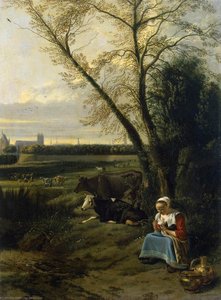
 Vista previa
 Compartir
 Compartir
 Ver detalles

 Descargar
 Ver similares
 Radiografía
 Presentación de diapositivas
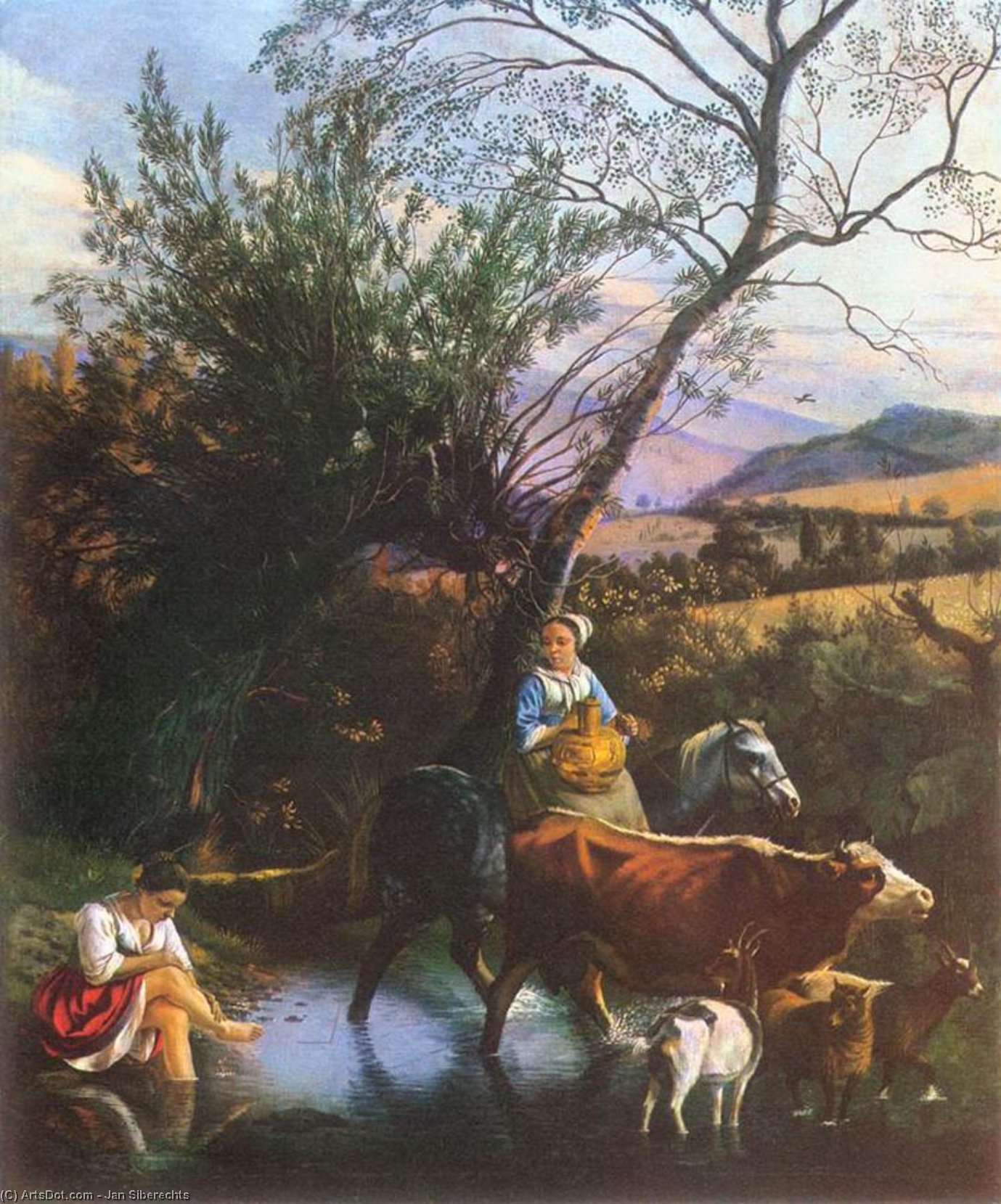
The Ford
 Oil On Canvas
- WallArt
- Romanticism
 1672
1672 71.0 x 59.0 cm
 Museo de las Artes de Budapest
 Leer más
Giclée / Impresión de arte
Impresiones giclée o en lienzo de calidad de museo con producción rápida y opciones de acabado flexibles. ( Comprar pintura hecha a mano Comprar imagen)




P118B $10

P118H $10

P118W $10

P438Z $10

P508JH $12

P508YH $12

P805H $10

P805Z $10

P919BZ $10

P919G $10

P919XJ $10

P959ZH $10

P968JZ $12

W106C $8

W218G $10

W218JH $8

W218Y $10

W307PJ $10

W316G $10

W316PJ $8

W316Y $10

W398PJ $8

W4111J $10

W500HY $15

W500JH $15

W692G $12

W849H $8

W940BG $15

W953PJ $8




Elija entre nuestros tamaños predefinidos que respetan las proporciones originales de la obra.

Puede introducir sus propias dimensiones para adaptarse a un marco o espacio específico. Si el tamaño seleccionado no coincide con las proporciones de la imagen original, recortaremos la obra de arte o extenderemos la imagen con un borde con efecto espejo o de color sólido. Se enviará una maqueta digital para su aprobación antes de que comience la producción.
Tenga en cuenta que la vista previa en pantalla no refleja el recorte o la extensión real. Solo la maqueta mostrará con precisión la composición final.
Aunque existen tamaños personalizados, recomendamos seleccionar una dimensión de la lista predefinida para preservar las proporciones originales.
Envío a todo el mundo () en 2 semanas en lugar de las 4/5 semanas estándar. (12 agosto)

Envío exprés gratuito a todo el mundo

Lienzo de lino de alta calidad

Seguro de envío completo

Garantía de reembolso de aranceles aduaneros

Garantía de fidelidad cromática exacta

Política de devolución de 60 días (solo por defectos)

Garantía de devolución del 100% del dinero

Oferta por volumen
 La opción de vidrio solo está disponible en tamaños inferiores a 110 cm.

The Ford
Giclée / Impresión de arte
Tamaño de la reproducción
-


Precio total
$ 80
Descripción de la pieza
Jan Siberechts’ “The Ford”: A Pastoral Vision of Elizabethan England
Jan Siberechts' "The Ford" (1672) stands as a testament to the burgeoning landscape tradition in England during the reign of Charles II, skillfully blending Flemish artistic sensibilities with an idealized depiction of rural tranquility. Painted in Antwerp, Belgium, this oil on canvas masterpiece captures a serene scene of pastoral life—a woman carrying water alongside livestock – cows, horses and a goat – nestled within rolling hills leading to distant mountains under a cloudy sky. The artwork’s enduring appeal lies not only in its exquisite detail but also in its profound symbolic resonance, reflecting the Romantic movement's fascination with nature as a source of spiritual contemplation.- Style & Technique: Siberechts employed a characteristic Flemish style—broad brushstrokes layered to build up rich textures and create an atmospheric haze—a technique that prioritizes capturing the essence of light and shadow rather than precise topographical accuracy. The meticulous rendering of foliage, livestock, and figures demonstrates mastery of chiaroscuro, enhancing the painting’s dramatic effect.
- Historical Context: Commissioned during Charles II's Restoration, “The Ford” embodies the revival of classical ideals following Puritan rule. Landscape painting gained prominence as a genre reflecting humanist values—harmony with nature and contemplation of beauty—a deliberate contrast to the austere moralizing tendencies of earlier Protestant art.
- Composition & Perspective: The horizontal lines dominating the hillside emphasize the expansive landscape, while vertical elements – notably the trees – contribute to depth perception. Siberechts skillfully utilizes atmospheric perspective, subtly diminishing colors and details in the background mountains to convey a sense of distance and grandeur.
- Materials: Traditional oil paints on canvas ensured durability and luminosity, preserving Siberechts’ vision for centuries to come.
Biografía del artista
Jan Siberechts: Un Pintor Flamenco en Inglaterra
Primeros Años y Formación (1627-1670)
- Nacido: Amberes, Bélgica, 1627
- Hijo de un escultor, Jan Siberechts.
- Se formó en Amberes con su padre.
- Se convirtió en maestro de la Guild of Saint Luke en 1648.
- Posible visita a Italia a finales de los años 1640 o principios de los 1650 – influencia en sus primeras obras.
- Se casó con Maria-Anna Croes en Amberes en 1652.
- Su estilo temprano estuvo influenciado por pintores paisajistas italianizantes holandeses como Nicolaes Berchem y Karel Dujardin.
Desarrollo de un Estilo Personal y Traslado a Inglaterra (1660s - 1672)
- Desarrolló un estilo personal distintivo en la década de 1660, enfatizando el campo flamenco y la vida rural.
- Introdujo figuras – robustas mujeres del campo vestidas con colores brillantes – en paisajes, creando efectos visuales con reflejos de agua.
- Pintó escenas de granjas que recuerdan a David Teniers el Joven.
- Obtuvo reconocimiento cuando George Villiers, 2º Duque de Buckingham, quedó impresionado por su trabajo durante una visita a Amberes en 1670.
- Fue invitado a Inglaterra por el Duque de Buckingham alrededor de 1672.
Vida y Obra en Inglaterra (1672-1703)
- Pasó sus primeros años (1672-1675) decorando Cliveden House para el Duque de Buckingham.
- Viajó extensamente por toda Inglaterra, realizando numerosos encargos para clientes aristocráticos.
- Vivió en Londres; sus hijas trabajaron como encajereras para la Reina.
- Pintó escenas de caza – ejemplos tempranos de retratos de casas señoriales en Inglaterra. Estas presentaban cazadores y jinetes en primer plano con una vista naturalista de la casa señorial en un paisaje brumoso, a menudo utilizando una perspectiva de pájaro.
- Fue comisionado para pintar la finca de Belsize de John Coggs en 1696 (ahora en la Tate Gallery).
- Murió en Londres en 1703.
Significado Artístico y Legado
- Considerado un pionero de la pintura paisajística inglesa – a menudo se le denomina el "padre del paisaje británico".
- Sus vistas topográficas que documentan las propiedades de la nobleza británica influyeron en generaciones posteriores de pintores flamencos que trabajaron en Inglaterra (Peter Tillemans, Pieter Andreas Rijsbrack, Hendrik Frans de Cort).
- Aproximadamente 100 obras se han conservado.
- Influenciado por las tradiciones holandesas e italianizantes, pero desarrolló un estilo único caracterizado por colores vibrantes, figuras detalladas y paisajes atmosféricos.
- John Wootton fue uno de sus alumnos.
Características Clave de su Obra
- Primeras Obras: Influenciado por Nicolaes Berchem y Karel Dujardin con elementos italianizantes.
- Carrera Media (1660s): Énfasis en el campo flamenco, figuras robustas con ropa brillante, jugando con reflejos de agua.
- Obras Posteriores (Inglaterra): Temas universales, árboles poderosos, luz suave, menos énfasis en las figuras, primer plano más oscuro para resaltar la vista de fondo.
- Escenas de Caza: Composición estandarizada – cazadores/jinetes en primer plano, casa señorial en un paisaje brumoso, vista de pájaro.

Jan Siberechts
1627 - 1703 , Bélgica
Datos clave
- Artistas Que Influyeron:
- Nicolaes Berchem
- Karel Dujardin
- Fecha De Fallecimiento: 1703
- Fecha De Nacimiento: 1627
- Influenció A:
- John Wootton
- Pintura del paisaje británico
- Lugar De Nacimiento: Amberes, Bélgica
- Movimiento Artístico: Barroco
- Nacionalidad: Flamenco
- Nombre Completo: Jan Siberechts
- Obras Notables:
- El Ford
- PAYSAGE AVEC FIGURES
- La Apuesta
- Una Vista de Longleat
Artículos relacionados

Jan van Goyen: Master of Dutch Landscape & Atmospheric Perspective
Discover Jan van Goyen, the master of Dutch landscape painting. Explore his subtle technique, atmospheric realism & lasting influence on art history. Learn about this 17th-century pioneer at OriginalUniqueArt.

Golden Light & Dutch Skies: The Timeless Magic of Dutch Golden Age Landscapes
Discover the breathtaking beauty of Dutch Golden Age landscapes. Explore the mastery of light, chiaroscuro, and 17th-century realism through an expert art history lens, celebrating the enduring legacy of the Dutch Masters for discerning collectors and art lovers.

Golden Light & Dutch Skies: Bringing the Magic of Dutch Golden Age Landscapes into Your Home
Transform your home with the breathtaking light of Dutch Golden Age landscapes. Discover how hand-painted oil reproductions of masterworks like Ruisdael and Vermeer bring timeless elegance, atmosphere, and soulful texture to modern interiors. Elevate your space with museum-quality art.

John Constable: Las 25 Obras Maestras del Paisaje Inglés | OriginalUniqueArt
Descubre las 25 obras maestras de John Constable, el pintor romántico inglés que capturó la belleza del paisaje. Explora su técnica, historia y significado en OriginalUniqueArt.com. Reproducciones de arte de alta calidad para tu hogar.
Los 10 Paisajes Más Icónicos de la Historia del Arte | OriginalUniqueArt
Descubre los 10 paisajes más emblemáticos de la historia del arte, desde Monet a Van Gogh. Explora su significado, técnica y belleza atemporal. Encuentra reproducciones de alta calidad e inspira tu hogar con OriginalUniqueArt.com.