
 Vista previa
 Compartir
 Compartir
 Ver detalles

 Descargar
 Ver similares
 Radiografía
 Presentación de diapositivas
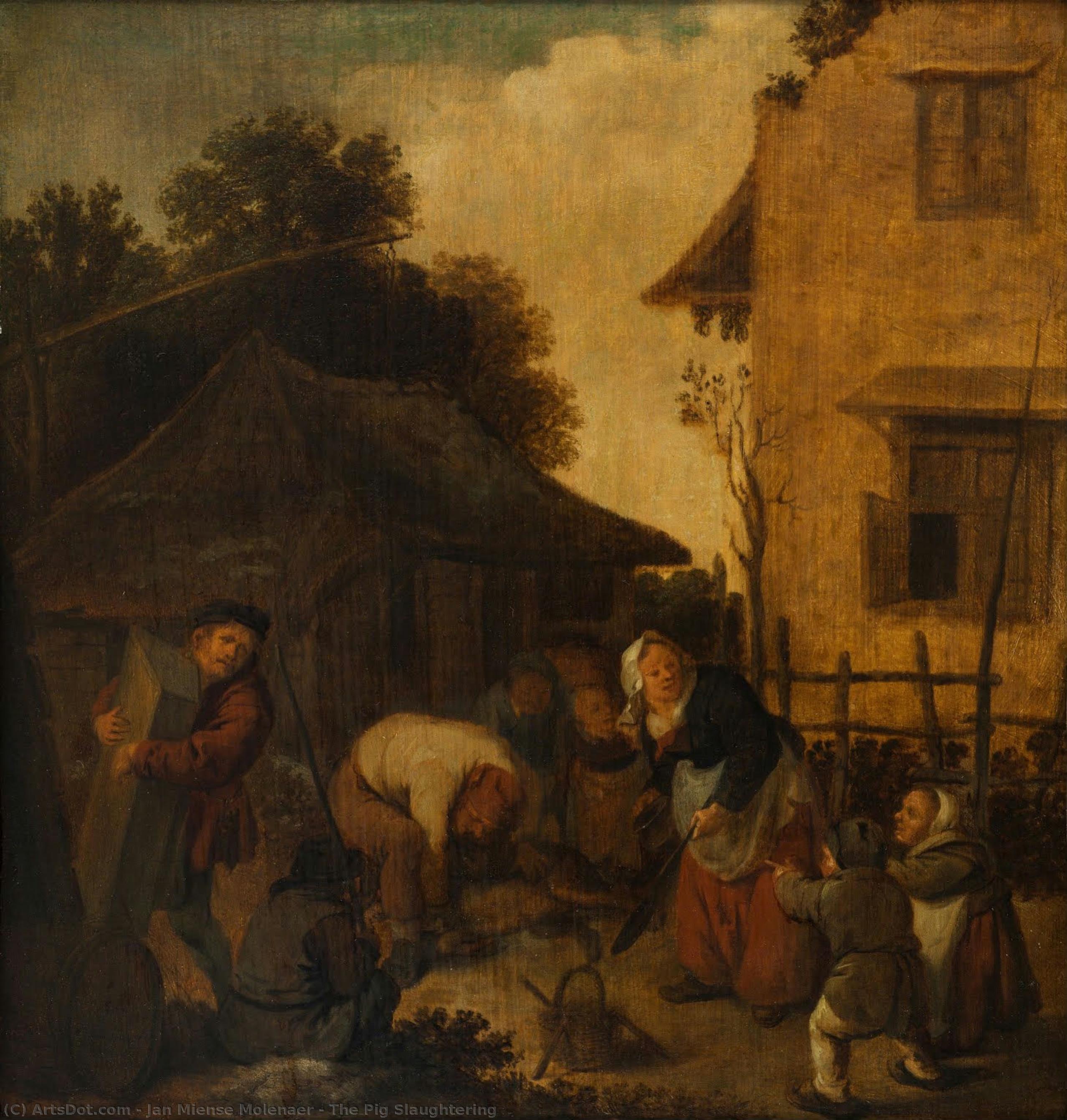
The Pig Slaughtering
 Oil
Oil- WallArt
- Dutch Golden Age
 Early Modern
 30.0 x 28.0 cm
 Leer más
Giclée / Impresión de arte
Impresiones giclée o en lienzo de calidad de museo con producción rápida y opciones de acabado flexibles. ( Encargar reproducción pintada a mano Comprar descarga)




P118B $10

P118H $10

P118W $10

P438Z $10

P508JH $12

P508YH $12

P805H $10

P805Z $10

P919BZ $10

P919G $10

P919XJ $10

P959ZH $10

P968JZ $12

W106C $8

W218G $10

W218JH $8

W218Y $10

W307PJ $10

W316G $10

W316PJ $8

W316Y $10

W398PJ $8

W4111J $10

W500HY $15

W500JH $15

W692G $12

W849H $8

W940BG $15

W953PJ $8




Elija entre nuestros tamaños predefinidos que respetan las proporciones originales de la obra.

Puede introducir sus propias dimensiones para adaptarse a un marco o espacio específico. Si el tamaño seleccionado no coincide con las proporciones de la imagen original, recortaremos la obra de arte o extenderemos la imagen con un borde con efecto espejo o de color sólido. Se enviará una maqueta digital para su aprobación antes de que comience la producción.
Tenga en cuenta que la vista previa en pantalla no refleja el recorte o la extensión real. Solo la maqueta mostrará con precisión la composición final.
Aunque existen tamaños personalizados, recomendamos seleccionar una dimensión de la lista predefinida para preservar las proporciones originales.
Envío a todo el mundo () en 2 semanas en lugar de las 4/5 semanas estándar. (19 agosto)

Envío exprés gratuito a todo el mundo

Lienzo de lino de alta calidad

Seguro de envío completo

Garantía de reembolso de aranceles aduaneros

Garantía de fidelidad cromática exacta

Política de devolución de 60 días (solo por defectos)

Garantía de devolución del 100% del dinero

Oferta por volumen
 La opción de vidrio solo está disponible en tamaños inferiores a 110 cm.

The Pig Slaughtering
Giclée / Impresión de arte
Tamaño de la reproducción
-


Precio total
$ 80
Descripción de la pieza
A Visceral Glimpse into Dutch Rural Life
In the heart of a rustic backyard, amidst the raw and unvarnished reality of 17th-century peasant life, Jan Miense Molenaer captures a moment of profound intensity. The Pig Slaughtering is not merely a depiction of a chore; it is a theatrical tableau of survival and communal effort. The canvas vibrates with the energy of a tumultuous scene where the boundaries between life and death, labor and ritual, blur into a single, focused event. At the center of this drama, a peasant clad in a stark white shirt and a striking red hat performs the grim necessity of the task, his movements precise as he stabs the pig. Nearby, his wife stands in a state of watchful anticipation, her role just as vital as she prepares to collect the lifeblood that will sustain them through the leaner months ahead. The composition draws the eye through a crowd of nine figures, some kneeling in the dirt and others peering from the periphery, creating a sense of being an uninvited guest at a private, essential ceremony of the hearth.
The mastery of Molenaer lies in his ability to elevate the mundane into the monumental. While the subject matter is grounded in the gritty textures of rural existence, his technique breathes a sophisticated life into every fold of fabric and every shadow cast upon the earth. His brushwork, reminiscent of the spontaneous gestures found in the works of Frans Hals, lends a sense of immediacy to the figures, making their movements feel caught in mid-motion. There is an atmospheric depth to the scene that suggests a world far larger than the frame—a world where the air is heavy with the scent of the outdoors and the weight of seasonal preparation. For the discerning collector or interior designer, this piece offers more than just visual interest; it provides a window into a lost era of tactile reality, making it an exquisite focal point for spaces that value character, history, and narrative depth.
The Hidden Language of Virtue and Wisdom
Beyond the surface-level grit of the slaughter, Molenaer weaves a complex tapestry of moral symbolism that would have been deeply resonant to his contemporary audience. In the Dutch Golden Age, such scenes were rarely just about the task at hand; they were often allegorical reflections of character. The act of slaughtering and curing meat for the winter was a profound symbol of wisdom and sensibility. To prepare for the scarcity of winter was to demonstrate foresight, prudence, and the virtuous management of resources. This tradition of finding moral dogmas within everyday labor can be traced back to the legendary etchings of Pieter Brueghel the Elder, where the seasonal rhythms of life served as metaphors for Christian virtues. When viewing this painting, one is invited to look past the blood and the toil to see the underlying celebration of a disciplined, prepared, and communal way of life.
This layer of meaning transforms the artwork from a simple genre scene into a profound meditation on human resilience. The emotional impact of the piece stems from this tension between the visceral violence of the moment and the quiet, noble intention behind it. It is a painting that rewards deep contemplation, offering layers of insight for those who seek art with intellectual substance. Whether displayed in a curated gallery setting or as a centerpiece in a sophisticated home, The Pig Slaughtering serves as a powerful reminder of the dignity found in labor and the enduring strength of the human spirit in the face of nature's cycles.
Biografía del artista
El Mundo Íntimo de un Maestro Holandés
jan miense molenaer, un nombre susurrado entre los maestros del Siglo de Oro holandés, evoca imágenes de calidez doméstica e interacción humana vibrante. Nacido en Haarlem en 1610, su vida se desplegó sobre el rico tapiz de la sociedad holandesa del siglo XVII. Molenaer no fue meramente un cronista de escenas; fue un observador que poseía una habilidad asombrosa para capturar los momentos fugaces de la existencia cotidiana. Su trayectoria artística lo llevó a desarrollar un estilo que inicialmente hacía eco del brillo temprano de Frans Hals, sugiriendo un dominio en la captura del gesto espontáneo. Sin embargo, a medida que su carrera maduró, su mano comenzó a asentarse en un diálogo más matizado con la profundidad atmosférica característica de Adriaen van Ostade.
Un Pintor de Género y Espíritu
Su genio encontró su expresión más elocuente en la escena del género: la representación de la vida ordinaria elevada a arte sublime. Los lienzos de Molenaer están impregnados de un palpable sentido de intimidad; uno siente como si el aire mismo dentro de la pintura fuera cálido y perfumado con música o risas compartidas. Ya sea retratando músicos reunidos para una actuación animada, como se ve en obras como Los Músicos, o capturando la tranquila comunión de la vida familiar, sus sujetos poseen una vitalidad innegable. Estas escenas están marcadas por un realismo detallado que rehúsa la idealización, anclando al espectador firmemente en el mundo tangible de Haarlem. Además, su asociación con Judith Leyster, quien compartió su espacio de estudio y era ella misma una célebre pintora de género y retratista, habla de un vibrante círculo artístico donde el talento floreció a través de la colaboración.
Técnica e Influencia Duradera
La destreza técnica de Molenaer residía en su manejo magistral del color y la composición. Construía escenas no solo con pintura, sino con resonancia emocional, creando composiciones que se sienten a la vez estructuradas y absolutamente espontáneas. Su capacidad para imbuir momentos domésticos sencillos de tal profundidad es notable. Aunque algunos de sus temas tocan narrativas bíblicas, lo que define su atractivo perdurable es la celebración de la conexión humana: el ritmo compartido de la música o el gesto capturado en una pieza como La Main Chaude (Handjeklap). Los ecos de su técnica resuenan fuertemente a través de generaciones posteriores; artistas como Jan Steen y Gerard ter Borch absorbieron claramente lecciones del matizado enfoque de Molenaer sobre la luz y la psicología humana, cimentando su lugar como una figura fundamental cuyo estilo ayudó a definir el cenit de la pintura holandesa.
Un Legado Grabado en Lienzo
Las obras atribuidas a jan miense molenaer continúan atrayendo admiradores a través de los continentes. Desde las prestigiosas colecciones alojadas en la Galería Real Mauritshuis hasta el Rijksmuseum, sus pinturas sirven como vívidos portales hacia una era pasada. Nos invitan no solo a mirar arte, sino a participar en él: a escuchar la música, a sentir la calidez de la reunión. Su legado es el de una profunda observación: demostrar que el arte más monumental a menudo se puede encontrar dentro de la delicada belleza de un momento ordinario.
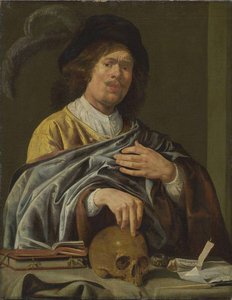
Jan Miense Molenaer
1610 - 1668 , Países Bajos
Datos clave
- Artistic Movement Or Style: Pintura de la Edad de Oro holandesa
- Artists Or Movements Influenced By This Artist:
- Jan Steen
- Gerard ter Borch
- Artists Who Influenced This Artist:
- Frans Hals
- Adriaen van Ostade
- Date Of Birth: 1610
- Date Of Death: 1668
- Full Name: Jan Miense Molenaer
- Nationality: Holandés
- Notable Artworks:
- Los fabricantes de música
- El dúo
- Familia tocando música
- La Main Chaude
- Place Of Birth: Haarlem, Países Bajos
Artículos relacionados

Golden Light & Dutch Skies: The Timeless Magic of Dutch Golden Age Landscapes
Discover the breathtaking beauty of Dutch Golden Age landscapes. Explore the mastery of light, chiaroscuro, and 17th-century realism through an expert art history lens, celebrating the enduring legacy of the Dutch Masters for discerning collectors and art lovers.

Los 10 Maestros del Siglo de Oro Holandés: Arte, Historia y Decoración Exclusiva
Descubre los 10 imprescindibles del Siglo de Oro Holandés: Rembrandt, Vermeer y más. Explora la historia, técnica y belleza de estos lienzos clásicos. Encuentra reproducciones de arte exclusivas para decorar tu hogar en .
Jan Steen: A Master of Dutch Genre Painting & the Golden Age
Explore the life & art of Jan Steen, a leading Dutch Golden Age painter renowned for his humorous genre scenes & insightful social commentary. Discover his techniques, legacy, and collecting tips.

Reflejos de una Época Dorada: La Pintura Barroca Holandesa y la Innovación Cultural
Descubra la riqueza y el detalle de la pintura barroca holandesa del Siglo de Oro. Explore las obras maestras de Rembrandt, Vermeer y otros artistas clave. Análisis experto e historia cultural.

Mastering Light & Shadow: A Journey Through the Dutch Golden Age's Luminous Legacy
Embark on a cultural journey through the Dutch Golden Age. Explore the masterful interplay of light and shadow in 17th-century masterpieces, from Rembrandt to Vermeer, and discover how this era of profound realism continues to inspire fine art collectors today.

