Vista previa
 Compartir
 Compartir
 Ver detalles
 Guía
Guía

 Descargar
 Ver artículos similares
 Radiografía
 Presentación de diapositivas
 Estadísticas
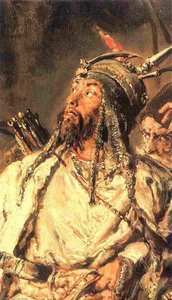
Self-portrait
 Oil On Canvas
- WallArt
- Romanticism
 1892
1892- 19th Century
 160.0 x 110.0 cm
 Leer más
Reproducción al óleo hecha a mano
Óleo sobre lienzo pintado a mano en el tamaño y marco de su elección, realizado por encargo por nuestros artistas. ( Cambiar a formato impreso Ver versión en imagen digital)




P118B €10

P118H €10

P118W €10

P438Z €10

P508JH €12

P508YH €12

P805H €10

P805Z €10

P919BZ €10

P919G €10

P919XJ €10

P959ZH €10

P968JZ €12

W106C €8

W218G €10

W218JH €8

W218Y €10

W307PJ €10

W316G €10

W316PJ €8

W316Y €10

W398PJ €8

W4111J €10

W500HY €15

W500JH €15

W692G €12

W849H €8

W940BG €15

W953PJ €8




Elija entre nuestros tamaños predefinidos que respetan las proporciones originales de la obra.

Escriba el ancho y el alto que necesite para adaptarse a su marco o a su pared. Al ser una obra pintada a mano, para un tamaño con una forma distinta, el artista puede pintar un poco más alrededor de la imagen o recortar un poco; usted elige. Le enviaremos una maqueta digital para su aprobación antes de comenzar la pintura. La imagen que se muestra en esta página no refleja el resultado real; solo la maqueta lo hace.
Tras realizar el pedido, el equipo de OriginalUniqueArt.com enviará un correo electrónico al cliente para solicitar instrucciones y proporcionarle una vista previa del boceto.
Envío a todo el mundo () en 3-4 semanas en lugar de las 5 semanas estándar. (25 octubre). Sin comprometer la calidad.

Envío exprés gratuito a todo el mundo

Lienzo de lino de alta calidad

Seguro de envío completo

Garantía de reembolso de impuestos aduaneros

Garantía de fidelidad cromática exacta

Política de devolución de 100 días (solo por defectos)

Garantía de devolución del 100% del dinero

Oferta por volumen
 La opción de vidrio solo está disponible en tamaños inferiores a 110 cm.

Self-portrait
Técnica de reproducción
Tamaño de la reproducción
-


Precio total
€ 263
An Intimate Encounter with a Master
In the vast canon of nineteenth-century European art, few figures loom as large in the national consciousness of Poland as Jan Matejko. While he is most celebrated for his monumental, sweeping historical canvases that capture the epic triumphs and tragedies of the Polish spirit, his Self-portrait of 1892 offers a profound departure from the grandiosity of the battlefield. This intimate oil on canvas invites us into the private sanctuary of the artist’s mind, presenting a moment of quietude that stands in stark contrast to the turbulent political histories he so famously documented. Here, the brushwork does not strive for the chaotic energy of war, but rather settles into a contemplative stillness, capturing an older, wiser gentleman lost in the depths of his own thoughts.
The composition is masterfully structured to evoke a sense of psychological depth. Seated in a rich, red chair that anchors the lower portion of the frame, Matejko presents himself with arms crossed—a posture that suggests both a defensive enclosure and a profound state of introspection. The artist’s face, framed by a dignified beard, becomes the emotional epicenter of the work. Through a sophisticated interplay of light and shadow, the painter utilizes the hallmarks of Romanticism to breathe life into the scene; the warm, enveloping tones of his attire and the velvet textures of the chair are set against a more muted, cooler background, creating a chiaroscical effect that pulls the viewer toward his gaze. This technique does more than just define form; it creates an atmosphere of heavy, thoughtful silence.
Symbolism and the Weight of Legacy
Beyond the mere depiction of a man in a room, every element within this self-portrait serves as a subtle nod to the intellectual life of the creator. The presence of books, strategically placed within the composition, speaks to the scholarly rigor and the historical weight that Matejko carried throughout his career. These objects are not merely props but symbols of the knowledge and the heavy burden of history that informed his every stroke. For the collector or the interior designer, this painting offers a sophisticated narrative of wisdom and permanence. It is a piece that does not demand attention through loud colors, but commands respect through its quiet authority and the palpable sense of dignity it radiates.
For those looking to integrate such a masterpiece into a curated space, the Self-portrait acts as a soulful anchor. Whether placed in a private library, a formal study, or an elegant living area, the painting brings with it a legacy of European Romanticism. The deep reds and earthy tones provide a luxurious warmth that complements classical decor, while the subject matter provides a conversation piece regarding the nature of identity and the artist's role in society. Owning a high-quality reproduction of this work is an opportunity to possess a fragment of history—a window into the soul of a man who spent his life painting the destiny of a nation.
Preguntas y respuestas
¿Es "Self-portrait" de Jan Matejko de dominio público y por qué?
El estado de los derechos de autor de "Self-portrait" - en el dominio público: sus derechos de autor han expirado - se deriva del fallecimiento del artista en 1893.
¿Dónde puedo encontrar estadísticas sobre "Self-portrait" de Jan Matejko?
Las estadísticas sobre "Self-portrait" de Jan Matejko se encuentran en la página de Estadísticas de la obra: visitas mensuales de la obra, visitas a las obras del artista y desgloses por país e idioma de los visitantes recientes.
¿Cómo equilibra la luz y la sombra "Self-portrait"?
Los valores registrados para "Self-portrait" de Jan Matejko son: deep_shadow de brillo y Dark de luminancia.
Biografía del artista
Primeros años y educación
Jan alojzy matejko, un renombrado pintor polaco, nació el 24 de junio de 1838 en krakúv, polonia. Su padre, franciszek ksawery matejko, era un tutor y maestro de música nacido en chequia. La vida temprana de jan se vio marcada por la revolución de krakúv de 1846 y el sitio de 1848 de krakúv por los austriacos, eventos que más tarde influirían en sus temas artísticos. Matejko asistió a la escuela secundaria st. ann pero abandonó en 1851 debido a su mal rendimiento académico. Sin embargo, demostró un talento excepcional para el arte desde una edad temprana. Estudió en la escuela de bellas artes de krakúv de 1852 a 1858, especializándose en pintura histórica bajo la tutela de wojciech korneli stattler y włodysław łuszczkiewicz.Carrera artística
El primer trabajo importante de matejko, los zares shuyski ante zygmunt iii, se completó en 1853. Comenzó a exhibir sus pinturas históricas en la sociedad de amigos de las bellas artes de krakúv en 1855. Obras notables incluyen:- Rejtan (1866): una gran pintura al óleo sobre lienzo que representa un momento crucial en la historia polaca.
- Unión de lublin (1869): una pieza significativa que muestra la habilidad de matejko para capturar eventos históricos.
- Batalla de grunwald (1878): una obra maestra que destaca su capacidad para transmitir la intensidad de las escenas de batalla.
Influencias y desarrollo artístico
El estilo de matejko estuvo profundamente influenciado por el romanticismo europeo, particularmente por artistas como eugène delacroix. Sin embargo, también se inspiró en el arte polaco anterior, especialmente en los trabajos de jan matthew gutenmacher. A medida que su carrera avanzaba, matejko desarrolló un enfoque distintivo caracterizado por composiciones grandiosas, una atención meticulosa al detalle histórico y un uso dramático del color y la luz. Sus pinturas a menudo representan momentos clave de la historia polaca, enfatizando el patriotismo y el orgullo nacional.Logros importantes y legado
Matejko pasó la mayor parte de su vida en krakúv, convirtiéndose finalmente en director de la academia de bellas artes jan matejko, anteriormente conocida como la academia de bellas artes de krakúv. Sus alumnos incluyeron a pintores destacados como maurycy gottlieb, jacek malczewski, józef mehoffer y stanisław wyspiański. Obras notables disponibles en OriginalUniqueArt:- Jan matejko: varna (romanticismo)
- Jan matejko: bodegón (romanticismo)
- Jan matejko: la unión de lublin (298 x 512 cm, romanticismo, óleo sobre lienzo)
Referencias:
descubriendo las obras maestras del muzeum narodowe krakúv, polonia (wikipedia.org)
Jan Matejko
1838 - 1893 , Polonia
Datos clave
- Artistas Influenciados:
- Maurycy Gottlieb
- Jacek Malczewski
- Artistas Que Influyeron:
- Wojciech Korneli Stattler
- Władysław Łuszczkiewicz
- Fecha De Fallecimiento: 1 de noviembre de 1893
- Fecha De Nacimiento: 24 de junio de 1838
- Lugar De Nacimiento: Kraków, Polonia
- Movimiento Artístico: Romanticismo
- Nacionalidad: Polaco
- Nombre Completo: Jan Alojzy Matejko
- Obras Notables:
- Rejtan (1866)
- Unión de Lublin (1869)
- Batalla de Grunwald (1878)
Artículos relacionados
The Evocative Brushstroke: Exploring Emotion, Individuality & the Sublime in Romanticism's Artistic Landscape
Explore the passionate world of Romanticism! Discover masterpieces by Friedrich & Goya, delve into the sublime, and understand the movement's lasting impact on art history. Expert analysis & insights at OriginalUniqueArt.
Jan Matejko: Historical Narrative & National Identity in 19th-Century Polish Painting
Explore the powerful historical paintings of Jan Matejko, Poland's national artist. Discover his iconic works & learn how he shaped Polish identity in the 19th century. High-quality reproductions available.
Romanticismo: 10 Obras Maestras que Definieron una Era |
Descubre las 10 obras maestras del Romanticismo que marcaron una época. Explora la historia de Delacroix, Goya y más. Reproducciones de arte en para decorar tu hogar con belleza y emoción. ¡Explora la colección online!
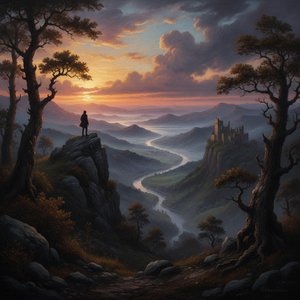
The Power of Emotion: A Definitive Guide to the Sublime and Soulful Art of Romanticism
Explore the profound emotional depth of the Romanticism art movement. Discover how masters like Delacroix and Friedrich captured the sublime through passion, nature, and intuition in this definitive guide for history lovers and art collectors.

Echoes of Introspection: Contemplative Moods in Art Across Movements
Explore the captivating world of introspective art! Discover how masters across movements – from Renaissance portraiture to Picasso – evoked melancholy & profound emotion. A journey through art history for enthusiasts.


![La batalla de Grunwald [Tannenberg]](/media/artworks/images-thumb/76/63/7663bffc0e03f3032abe818c6c091ed6.jpg)