- Inicio

- Impresión en lienzo
- Jan Cybis
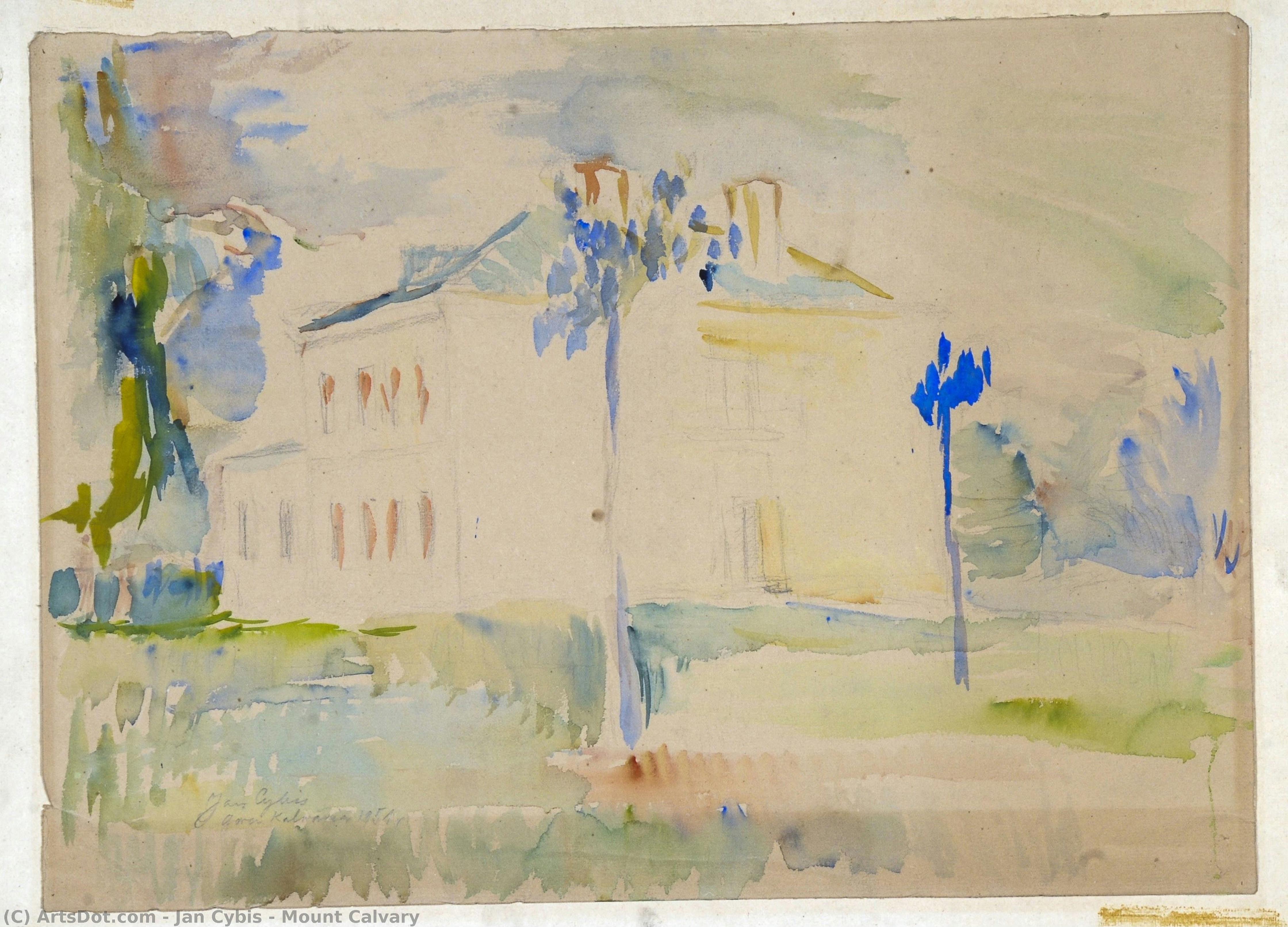
- Mount Calvary
 Preview
 Encargar reproducción Comprar imagen en alta resolución
 Enviar
 Compartir
 Detalles
 Añadir a favoritos

 Descargar
 Similares
 Radiografía
 Presentación de diapositivas
Mount Calvary

 Ver más
Giclée / Impresión de arte
Impresión giclée o en lienzo de calidad de museo con producción rápida y opciones de acabado flexibles.




































Elija entre nuestros tamaños predefinidos que respetan las proporciones originales de la obra.

Puede introducir sus propias dimensiones para adaptarse a un marco o espacio específico. Si el tamaño seleccionado no coincide con las proporciones de la imagen original, recortaremos la obra de arte o extenderemos la imagen con un borde con efecto espejo o de color sólido. Se enviará una maqueta digital para su aprobación antes de que comience la producción.
Tenga en cuenta que la vista previa en pantalla no refleja el recorte o la extensión real. Solo la maqueta mostrará con precisión la composición final.
Aunque existen tamaños personalizados, recomendamos seleccionar una dimensión de la lista predefinida para preservar las proporciones originales.
Entrega mundial () en 2 semanas en lugar de las 4/5 semanas estándar. (26 julio)

Envío exprés gratuito a todo el mundo

Lienzo de lino de alta calidad

Seguro de envío total

Garantía de reembolso de impuestos aduaneros

Garantía de fidelidad de color

Política de devolución de 60 días (solo por defectos)

Garantía de devolución del 100% del dinero

Descuento por pedido múltiple
 La opción de vidrio solo está disponible en tamaños inferiores a 110 cm.

Mount Calvary
Giclée / Impresión de arte
Tamaño de la reproducción
-


Precio total final
-
Biografía del artista
Jan Cybis: Bridging Expressionism and Polish Landscape
Jan Cybis (16 February 1897 – 13 December 1972) stands as a pivotal figure in Polish art history, embodying the spirit of Expressionist influence tempered by a profound connection to the landscapes of his homeland. Born in Frebel, Poland, he embarked on an artistic journey shaped by mentorship from Otto Mueller and Józef Pankiewicz, ultimately establishing himself in Kraków where he honed his craft at the Jan Matejko Academy of Fine Arts. His distinctive style—characterized by vibrant color palettes reminiscent of French Impressionism—became synonymous with the Kapist movement, a collective of Polish painters who championed bold artistic vision during the turbulent years leading up to World War II. Early Influences & Training: Cybis’s formative years were marked by exposure to Mueller's Expressionist teachings, fostering an understanding of emotional intensity and distortion as tools for conveying subjective experience. This profound engagement with Expressionism instilled in him a belief that art should communicate feelings rather than merely depicting reality. Pankiewicz further broadened his artistic horizons, introducing him to the principles of Post-Impressionism and solidifying his stylistic preferences—particularly the use of color and texture to evoke mood and atmosphere. He recognized the importance of mastering technique alongside exploring conceptual ideas. The Kapist Movement & Artistic Collaboration: Cybis’s involvement in the Kapist movement solidified his reputation as a trailblazer. Alongside fellow artists like Tadeusz Dominik, he actively participated in debates about artistic direction and championed innovative approaches to painting—a rejection of rigid academic conventions in favor of experimentation and personal vision. This collective fostered an environment where artists challenged established norms and pushed boundaries. Notably, Cybis’s wife, Hanna Rudzka-Cybisowa, was herself a respected painter and Kapist collaborator, creating a dynamic artistic partnership that nurtured creativity and intellectual exchange. Their shared passion for art fueled their collaborative endeavors and enriched their artistic lives. Notable Works & Style: Cybis’s oeuvre is distinguished by landscapes imbued with palpable emotion—most notably “Mount Calvary,” which exemplifies his masterful use of color and textural layering to capture the grandeur and solemnity of biblical scenes. He skillfully blended Impressionistic techniques with Expressionist sensibilities, achieving a remarkable balance between observation and emotional resonance. His paintings frequently explore themes of spirituality, memory, and the relationship between humanity and nature—subjects that resonated deeply with him personally and informed his artistic explorations. The monumental scale of “Mount Calvary” underscores Cybis’s ambition to convey profound spiritual experience through visual art. Recognition & Legacy: Cybis’s artistic achievements garnered considerable acclaim during his lifetime, culminating in awards from the Polish Communist government recognizing his contribution to cultural heritage—a testament to his enduring influence on Polish art and culture. Despite facing limitations during the Socialist Realist era due to ideological concerns regarding teaching positions, he continued to inspire generations of students and artists—demonstrating resilience and unwavering dedication to his craft. His legacy extends beyond his individual paintings; he championed a distinctive artistic approach that continues to resonate with contemporary audiences. Cybis passed away peacefully at Powązki Military Cemetery in Warsaw, leaving behind a body of work that stands as an emblem of Polish Expressionism and a celebration of the beauty and power of the natural world—a poignant reminder of his profound connection to both art and homeland.
Jan Cybis
1897 - 1972 , Polonia
Datos clave
- Artistic Movement Or Style: expressionism & post impressionist
- Artists Who Influenced This Artist:
- otto mueller
- josef pankiewicz
- Date Of Birth: february 16, 1897
- Date Of Death: december 13, 1972
- Full Name: jan cybis
- Nationality: polish
- Notable Artworks: ['mount calvary']
- Place Of Birth: frebel, poland

