
 Ver en contexto
 Enviar
 Compartir
 Detalles
 Guía
Guía

 Descargar
 Similares
 Radiografía
 Presentación de diapositivas
 Q&A
Q&A Estadísticas
The Ford in the River

- 100.0 x 132.0 cm


 Ver más
Giclée / Impresión de arte
Impresiones giclée o en lienzo de calidad de museo con producción rápida y opciones de acabado flexibles. ( Comprar pintura hecha a mano Cambiar a imagen digital)




P118B €10

P118H €10

P118W €10

P438Z €10

P508JH €12

P508YH €12

P805H €10

P805Z €10

P919BZ €10

P919G €10

P919XJ €10

P959ZH €10

P968JZ €12

W106C €8

W218G €10

W218JH €8

W218Y €10

W307PJ €10

W316G €10

W316PJ €8

W316Y €10

W398PJ €8

W4111J €10

W500HY €15

W500JH €15

W692G €12

W849H €8

W940BG €15

W953PJ €8




Elija entre nuestros tamaños predefinidos que respetan las proporciones originales de la obra.

Introduzca el ancho y el alto que necesite para adaptarse a su marco o pared. Una impresión solo puede recortarse, nunca hacerse más grande que la imagen original, por lo que un tamaño con una forma distinta perderá parte de la obra. Le enviaremos una maqueta digital para su aprobación antes de realizar cualquier impresión. La imagen que se muestra en esta página no refleja el recorte real; solo la maqueta lo hace.
Envío a todo el mundo () en 2 semanas en lugar de las 4/5 semanas estándar. (31 octubre)

Envío exprés gratuito a todo el mundo

Lienzo de lino de alta calidad

Seguro de envío total

Garantía de reembolso de aranceles aduaneros

Garantía de fidelidad cromática exacta

Política de devolución de 100 días (solo por defectos)

Garantía de devolución del 100% del dinero

Descuento por cantidad
 La opción de vidrio solo está disponible en tamaños inferiores a 110 cm.

The Ford in the River
Giclée / Impresión de arte
Dimensiones de la reproducción
-


Precio total final
€ 71
A Timeless Encounter with the Dutch Golden Age
In the quiet depths of Jan Baptist Weenix’s 1647 masterpiece, "The Ford in the River," one finds much more than a mere landscape; one discovers a portal into the soul of the Dutch Golden Age. This monumental canvas, currently preserved within the hallowed halls of the Hermitage Museum, serves as a breathtaking testament to an era where art began to bridge the gap between the rugged reality of Northern Europe and the idealized grandeur of the Italian Renaissance. As your eyes wander across the textured surface, you are immediately swept into a scene of pastoral vitality, where the rhythmic pulse of rural life meets the enduring stillness of antiquity.
The composition is a masterclass in narrative depth, presenting a world teeming with anecdotal detail and human connection. At the heart of the river crossing, figures engage in the humble, everyday rituals of 17th-century existence—a horseman pauses in conversation, while nearby, the subtle movements of travelers and livestock create a sense of spontaneous motion. Weenix does not merely observe; he orchestrates a symphony of movement, where the glistening surface of the water and the heavy, brooding clouds above suggest a fleeting moment captured in the amber of time. For the discerning collector or interior designer, this painting offers an unparalleled sense of gravitas, bringing a sophisticated historical weight to any curated space.
The Alchemy of Light and Italianate Vision
What truly elevates Weenix above his contemporaries is his audacious embrace of the Italianate style. Having traveled through Rome, the artist infused the Dutch landscape with a sense of classical majesty that was revolutionary for its time. The presence of architectural ruins—majestic pillars that hint at a lost, glorious past—transforms a simple river ford into a stage for epic contemplation. This juxtaposition of the ephemeral (the flowing water and passing travelers) against the eternal (the stone ruins) invites the viewer to reflect on the cyclical nature of civilization and the persistence of beauty amidst decay.
Technically, the painting is a triumph of chiaroscuro. Weenix utilizes a dramatic interplay between light and shadow to sculpt the landscape, creating a three-dimensional relief that feels almost tactile. The way the late afternoon light catches the white coat of a prominent horse or illuminates the folds of a traveler's garment demonstrates a profound understanding of tonal richness. Through his meticulous use of oil on canvas, Weenix achieves a textural nuance—from the translucent ripples of the river to the coarse texture of animal hides—that continues to captivate the modern eye. To possess a reproduction of such a work is to invite this masterful manipulation of light into one's own environment, fostering an atmosphere of warmth, depth, and intellectual intrigue.
An Emotional Resonance for the Modern Collector
Beyond its technical brilliance, "The Ford in the River" resonates on a deeply emotional level. It evokes a profound sense of tranquility juxtaposed with endeavor. There is a nostalgic pull to the scene, a longing for a world where the pace of life was dictated by the movement of the seasons and the flow of the river. For those seeking to decorate a sanctuary or a professional study, this artwork provides a focal point that is both stimulating and calming. It does not demand attention through loud colors, but rather earns it through its intricate layers of meaning and its ability to transport the viewer to a different century.
Whether you are an art historian drawn to its stylistic evolution or an interior enthusiast looking for a piece that embodies classical elegance, Weenix’s vision remains strikingly relevant. The painting stands as a bridge between eras, blending the scientific realism of the Dutch tradition with the poetic idealism of the South. It is a piece that rewards repeated viewing, revealing new details—a hidden figure, a shift in the cloudscape, a subtle glint of light—each time it is encountered, making it an enduring investment for any collection dedicated to the heights of European art history.
Preguntas y respuestas
¿Cuántas personas ven "The Ford in the River"?
Existe una página de Estadísticas para "The Ford in the River". En ella se detallan las visitas mensuales de la obra y de otras piezas del artista, con desgloses por país e idioma.
¿Qué edad tenía Jan Baptist Weenix cuando se creó "The Ford in the River"?
Jan Baptist Weenix tenía 26 años cuando creó "The Ford in the River" en 1647. La edad se calcula a partir del año de nacimiento del artista, 1621.
¿Puedo ver "The Ford in the River" de Jan Baptist Weenix bajo diferentes luces?
"The Ford in the River" puede examinarse capa por capa en la página Radiografía de la obra, un visor inspirado en una mesa de luz de restauración que ofrece once lecturas ópticas de la imagen.
Biografía del artista
El visionario de la Edad de Oro holandesa
Jan Baptist Weenix se erige como una figura singular dentro de la Edad de Oro holandesa, celebrado por su distintiva mezcla de observación meticulosa y visión imaginativa. Aunque su producción artística fue relativamente modesta en comparación con contemporáneos como Rembrandt o Vermeer, la contribución de Weenix a la historia del arte neerlandés es innegable; particularmente su exploración pionera de los paisajes italianos impregnados de figuras humanas, estableciendo un precedente estilístico que resonaría en las generaciones posteriores. Nacido en Ámsterdam, cerca del bullicioso puerto, en 1621, Weenix descendía de una familia de arquitectos, un linaje que probablemente moldeó sus años formativos en medio del fermento intelectual y estructural de la época.
A pesar de enfrentar desafíos personales —los relatos sugieren que tuvo dificultades con el habla debido a una condición médica—, Weenix poseía una ardiente pasión por la literatura y el arte, fomentada por una madre que gestionó proactivamente su aprendizaje bajo la tutela de Jan Micker, cuñado de Rembrandt. Esta formación temprana le inculcó un enfoque disciplinado del dibujo y la observación que se convertiría en el sello distintivo de su obra. Perfeccionó sus habilidades en Utrecht bajo la guía de Abraham Bloemaert y regresó a Ámsterdam para estudiar con Claes Corneliszoon Moeyaert, consolidando así sus bases en las corrientes artísticas predominantes de los Países Bajos.
Un viaje a través de la luz y el paisaje
La trayectoria de la carrera de Weenix se vio profundamente alterada por sus viajes, especialmente su travesía a Roma en 1643 junto a Nicolaes Pieterszoon Berchem. Esta excursión le permitió encontrarse con el vibrante entorno intelectual y artístico del gremio de los Bentvueghels, una experiencia que lo impulsó hacia un rango estilístico más expansivo. En Roma, abrazó el estilo italianizante, caracterizado por una luz cálida y dorada y paisajes clásicos que contrastaban bellamente con los tonos más fríos y sombríos de la pintura tradicional holandesa. Este periodo de influencia romana le permitió dominar el arte del "paisaje italianizante", donde la belleza agreste del sur de Europa era reimaginada a través de una lente del norte de Europa.
Su trabajo durante esta era a menudo fusionaba la grandeza de los escenarios clásicos con elementos humanos e íntimos. Ya fuera representando escenas portuarias que susurraban historias de comercio marítimo o vistas expansivas que evocaban una sensación de atemporalidad, Weenix poseía una capacidad única para capturar la atmósfera de un lugar. Su maestría no se limitaba a los vastos horizontes; era igualmente hábil capturando la realidad silenciosa y, a menudo, visceral de la vida a través de sus bodegones. Sus representaciones de caza muerta y animales estaban marcadas por un realismo sorprendente, donde cada textura —desde el pelaje áspero de un perro de caza hasta el delicado brillo de las plumas— era plasmada con una precisión asombrosa.
Legado de realismo y maestría artística
La importancia de Jan Baptist Weenix reside en su capacidad para tender un puente entre el realismo crudo de la tradición holandesa y la belleza idealizada del movimiento italianizante. Su versatilidad le permitió navegar por diversos temas, desde la tensión dramática encontrada en obras como Después de la caza hasta la intensidad silenciosa y casi sombría de sus estudios animales. A través de su pincel, el espectador es invitado a un mundo donde los límites entre el mundo natural observado y el pasado clásico imaginado se desdibujan con belleza.
Al reflexionar sobre su vida y obra, varios elementos clave definen su importancia perdurable:
- Innovación estilística: Fue un pionero en integrar elementos del paisaje italianizante en la tradición holandesa, creando un nuevo lenguaje visual para sus contemporáneos.
- Maestría técnica: Su formación disciplinada permitió un nivel extraordinario de detalle tanto en paisajes a gran escala como en bodegones íntimos.
- Versatilidad: Su capacidad para moverse sin fisuras entre escenas portuarias, motivos de caza y retratos de animales demuestra una rara amplitud de talento.
- Impacto histórico: Como miembro de los Bentvueghels, ayudó a fomentar el intercambio internacional de ideas artísticas que definieron el mundo del arte del siglo XVII.
Aunque su vida fue relativamente corta, terminando en 1661, la huella dejada por Jan Baptist Weenix permanece visible en la evolución de la pintura de paisaje. Enseñó a las generaciones futuras a mirar el horizonte no solo como un límite, sino como un lienzo para la luz, la historia y la emoción humana.

Jan Baptist Weenix
1621 - 1661 , Países Bajos
Datos clave
- Artistic Movement Or Style: Edad Dorada Holandesa
- Artists Or Movements Influenced By This Artist: ['Italianate painting']
- Artists Who Influenced This Artist:
- Abraham Bloemaert
- Claes Corneliszoon Moeyaert
- Date Of Birth: Amsterdam, Netherlands (1621)
- Date Of Death: 1661
- Full Name: Jan Baptist Weenix
- Nationality: Holandés
- Notable Artworks:
- Después de la caza
- El herrero y su perro
- Un perro y un gato cerca de un ciervo parcialmente despojado
- Place Of Birth: Amsterdam
Artículos relacionados

Los 10 Maestros del Siglo de Oro Holandés: Arte, Historia y Decoración Exclusiva
Descubre los 10 imprescindibles del Siglo de Oro Holandés: Rembrandt, Vermeer y más. Explora la historia, técnica y belleza de estos lienzos clásicos. Encuentra reproducciones de arte exclusivas para decorar tu hogar en .
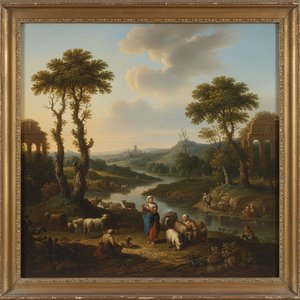
Nicolaes Berchem: Dutch Golden Age Pastoralism & the Evolution of Landscape Painting
Explore the captivating world of Nicolaes Berchem, a leading Dutch Golden Age painter. Discover his idyllic landscapes, masterful technique & lasting influence on art history. Learn more at OriginalUniqueArt.

Golden Light & Dutch Skies: The Timeless Magic of Dutch Golden Age Landscapes
Discover the breathtaking beauty of Dutch Golden Age landscapes. Explore the mastery of light, chiaroscuro, and 17th-century realism through an expert art history lens, celebrating the enduring legacy of the Dutch Masters for discerning collectors and art lovers.

Golden Light & Dutch Skies: Bringing the Magic of Dutch Golden Age Landscapes into Your Home
Transform your home with the breathtaking light of Dutch Golden Age landscapes. Discover how hand-painted oil reproductions of masterworks like Ruisdael and Vermeer bring timeless elegance, atmosphere, and soulful texture to modern interiors. Elevate your space with museum-quality art.
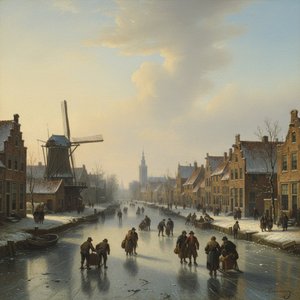
Charles Leickert: Capturing the Dutch Golden Age Light – A Comprehensive Study of Technique, Context, and Legacy
Explore the captivating winter landscapes of Charles Leickert, a master of Dutch Golden Age light & atmosphere. Discover his techniques, symbolism, and lasting legacy – a comprehensive study for art enthusiasts and collectors.
