

 Ver en contexto
 Enviar
 Compartir
 Detalles
 Guía
Guía

 Descargar
 Similares
 Radiografía
 Presentación de diapositivas
 Estadísticas
Lieu dit II (rot)
 Oil
Oil- WallArt
- Contemporary Art
 1989
1989- Contemporary
 218.0 x 314.0 cm
 Lentos Kunstmuseum Linz
 Ver más
La obra de arte que se muestra en esta página está protegida por las leyes de propiedad intelectual, lo que significa que no podemos crear ni vender legalmente una reproducción idéntica. Esta protección se hace cumplir en virtud de acuerdos internacionales como el Convenio de Berna y por las leyes nacionales, incluidas aquellas establecidas por el Ley de derechos de autor de los EE. UU. - Título 17.
Como una alternativa respetuosa y legal, ofrecemos obras de arte personalizadas y pintadas a mano inspiradas en la original. Nuestros expertos y profesionales del arte estudian cuidadosamente el estilo, el sentimiento y la esencia artística de la obra original para crear una pieza nueva y única que evoque la misma sensación, siendo al mismo tiempo una creación original por derecho propio.
Este método cumple plenamente con las normativas de derechos de autor, ya que no implica la copia ni la duplicación de la obra protegida. En su lugar, se trata de una reinterpretación creativa: una nueva pintura influenciada por la original, pero que no es idéntica a ella.
Reproducción al óleo hecha a mano
Óleo sobre lienzo pintado a mano en el tamaño y marco de su elección, realizado por encargo por nuestros artistas. ( Cambiar a impresiones Cambiar a imagen digital)




































Elija entre nuestros tamaños predefinidos que respetan las proporciones originales de la obra.

Indique el ancho y el alto que necesite para adaptarse a su marco o pared. Al tratarse de una obra pintada a mano, si requiere un tamaño con una proporción distinta, el artista puede pintar un poco más alrededor de la imagen o recortarla ligeramente; usted elige. Le enviaremos una maqueta digital para su aprobación antes de comenzar la pintura. La imagen que se muestra en esta página no refleja el resultado real; solo la maqueta lo hace.
Tras realizar el pedido, el equipo de OriginalUniqueArt.com enviará un correo electrónico al cliente para solicitar instrucciones y proporcionarle una vista previa del boceto.
Envío a todo el mundo () en 3-4 semanas en lugar de las 5 semanas estándar. (26 octubre). Sin comprometer la calidad.

Envío exprés gratuito a todo el mundo

Lienzo de lino de alta calidad

Seguro de envío total

Garantía de reembolso de aranceles aduaneros

Garantía de fidelidad cromática exacta

Política de devolución de 100 días (solo por defectos)

Garantía de devolución del 100% del dinero

Descuento por cantidad
 La opción de vidrio solo está disponible en tamaños inferiores a 110 cm.

Lieu dit II (rot)
Técnica de reproducción
Dimensiones de la reproducción
-


Precio total final
€ 263
A Symphony of Crimson Chaos
In the vast, immersive expanse of Lieu dit II (rot), the viewer is immediately plunged into a visceral, monochromatic world where color ceases to be merely a pigment and becomes an environment. Created in 1989 by the enigmatic German artist Jan Appel, this monumental oil painting—measuring a staggering 218 x 314 cm—commands the space it inhabits with an unapologetic intensity. The work is a masterclass in the use of red, utilizing a spectrum of scarlet, crimson, and deep vermilion to create a textured landscape that feels both tactile and atmospheric. At first glance, the composition presents a sense of profound disarray, as if a moment of creative destruction has been frozen in time. Scattered across the canvas are fragments of red fabric, scraps of paper, and even the sharp, metallic presence of scissors, all layered within a sea of crimson that blurs the line between painting and assemblage.
The technique employed by Appel in this late-career masterpiece suggests a deep engagement with the physical properties of his medium. Rather than seeking a smooth, illusionistic finish, the artist embraces the raw, sculptural quality of oil paint combined with mixed media elements. The way the fabric pieces interact with the painted surface creates a rhythmic, almost percussive visual texture, drawing the eye through a labyrinth of folds and edges. This approach evokes the spirit of late 20th-century abstraction, where the act of creation is as much about the physical struggle with materials as it is about the final image. For the collector or interior designer, this piece offers a profound sense of depth; its sheer scale and complex layering allow it to serve as a powerful focal point that changes character depending on the light and the angle of observation.
Historical Echoes and Emotional Resonance
To understand the turbulent energy of Lieu dit II (rot), one must consider the historical weight carried by Jan Appel. Though often remembered for his revolutionary political activism in early 20th-century Germany, Appel’s later artistic output reflects a lifetime of navigating social and structural upheaval. The "chaos" within this painting—the scattered remnants and the sense of fragmentation—can be read as a metaphor for the fractured nature of modern existence and the beautiful, messy process of reconstruction. There is a profound tension between the destruction suggested by the discarded scraps and the vibrant, life-affirming power of the red hue itself. It is an artwork that does not merely sit on a wall; it breathes with a restless, revolutionary spirit.
For those looking to integrate such a commanding work into a curated space, Lieu dit II (rot) offers unparalleled emotional impact. In a contemporary interior, this reproduction serves as a bold statement of sophistication and intellectual depth. It provides a warm yet provocative energy that can anchor a minimalist room or add a layer of complex history to a more traditional setting. The painting invites contemplation, prompting the viewer to find order within the disorder and beauty within the fragments. Owning a piece of this magnitude is an opportunity to possess a fragment of German art history—a work that captures the raw, unyielding pulse of human expression.
Preguntas y respuestas
¿Qué origen nacional sustenta el Contemporary Art de "Lieu dit II (rot)"?
La obra de Contemporary Art "Lieu dit II (rot)" fue realizada por un artista nacido en Alemania.
¿Se puede visualizar "Lieu dit II (rot)" con una vista previa en realidad aumentada?
Puedes visualizar "Lieu dit II (rot)" de Jan Appel en tu propia pared con la página de Vista previa en RA de la obra, utilizando realidad aumentada en un dispositivo compatible.
¿En qué estancia encaja mejor "Lieu dit II (rot)" de Jan Appel, considerando su paleta de colores?
Los colores de la paleta Dark de "Lieu dit II (rot)" de Jan Appel armonizan con su espacio recomendado: un Coworking.
Biografía del artista
early life and activism
Jan Appel, also known as Jan Voss, was born in Bremen, Germany, on August 22nd, 1890. His formative years were deeply intertwined with the burgeoning socialist movement (SPD), where he joined its ranks at a young age – specifically in 1908 – demonstrating an early commitment to political activism.
The tumultuous period of the German Revolution of 1918 profoundly shaped Appel’s trajectory. He swiftly ascended as a prominent figure within communist circles, passionately advocating for radical change and tirelessly pursuing theoretical explorations that would define his artistic vision.
artistic pursuits
Despite prioritizing revolutionary endeavors, Jan Appel possessed an undeniable artistic inclination. As a painter, he channeled his convictions into visual expression, crafting works imbued with the spirit of the era—a reflection of the societal upheavals and intellectual ferment characteristic of early 20th-century Germany.
Unfortunately, documentation concerning Appel’s oeuvre remains scarce, presenting him as an enigmatic presence within the annals of German art history. Nevertheless, his artistic output stands as a testament to the intersection between political ideology and creative endeavor.
museums and art market
Appel's paintings have found their way into esteemed institutions across Germany, notably Kunsthalle Bremen and Gemäldegalerie Alte Meister in Dresden. While not commanding the same level of recognition as some contemporaries, his artwork holds considerable significance within the context of German Expressionism and CoBrA.
The art market acknowledges Appel’s contribution to the artistic landscape of his time, recognizing him as a pivotal voice amidst the intellectual currents shaping European avant-garde movements.
legacy and online presence
OriginalUniqueArt.com offers valuable insights into Appel's life and artistic pursuits, providing access to biographical information and reproductions of his celebrated canvases. Wikipedia delves deeper into Appel’s revolutionary activities, complemented by Bundesstiftung zur Aufarbeitung der SED-Diktatur which examines his post-war experiences.
Furthermore, Appel’s autobiography—available on libcom.org—illuminates his personal journey during the German Revolution and its aftermath, offering a nuanced portrayal of an artist grappling with profound historical transformations.
conclusion
Jan Appel's life – characterized by unwavering dedication to socialist ideals and artistic exploration – encapsulates the multifaceted essence of early 20th-century Germany. Through platforms like OriginalUniqueArt.com and scholarly resources such as Wikipedia, Appel’s legacy continues to resonate with art historians and enthusiasts alike, ensuring his enduring contribution to German cultural heritage.

Jan Appel
1890 - 1985 , Alemania
Datos clave
- Artistic Movement Or Style: CoBrA
- Artists Or Movements Influenced By This Artist: ['Henri Matisse']
- Artists Who Influenced This Artist:
- Wassily Kandinsky
- Pablo Picasso
- Date Of Birth: August 22, 1890
- Full Name: Jan Appel (Jan Voss)
- Nationality: German
- Notable Artworks:
- Lieu dit II (rot)
- Green and Gold
- Place Of Birth: Bremen, Germany
Artículos relacionados

Expresionismo Abstracto: 10 Obras Maestras que Transformaron el Arte |
Descubre las 10 obras maestras del Expresionismo Abstracto: Pollock, Rothko y más. Explora la historia, técnica y significado de estos lienzos icónicos. Reproducciones de arte exclusivas en .

Abstracción Geométrica: 10 Obras Maestras que Transformaron el Arte Moderno | OriginalUniqueArt
Descubre las 10 obras maestras de la abstracción geométrica que revolucionaron el arte moderno. Explora a Mondrian, Malevich y Kandinsky en OriginalUniqueArt.com. Reproducciones de alta calidad para tu hogar.
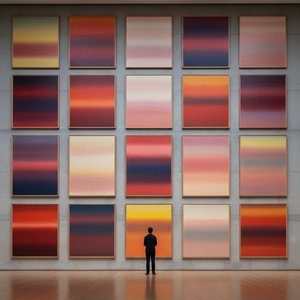
Mark Rothko: Las 25 Obras Maestras que Definen la Expresión Abstracta | OriginalUniqueArt
Descubre las 25 obras maestras de Mark Rothko, pionero del expresionismo abstracto. Explora la historia, el significado y los colores vibrantes que definen su arte emocional. Reproducciones de alta calidad en OriginalUniqueArt.com.

Crimson Threads of Narrative: Exploring Symbolism & Representation in Artworks Featuring the Red Dress
Explore the rich symbolism of the red dress in art history! From ancient power displays to iconic portraits like Cézanne’s 'Madame Cezanne', discover the cultural and artistic significance behind this captivating color. Expert analysis & insights.

Kandinsky: Las 25 Obras Maestras del Pionero de la Abstracción | OriginalUniqueArt
Descubre las 25 obras maestras de Wassily Kandinsky, pionero del arte abstracto. Explora su expresionismo, composiciones únicas y la historia detrás de cada cuadro. Reproducciones de alta calidad para decorar tu hogar con arte moderno en OriginalUniqueArt.com.