

 Ver en contexto
 Enviar
 Compartir
 Detalles
 Guía
Guía

 Descargar
 Similares
 Radiografía
 Presentación de diapositivas
 Q&A
Q&A Estadísticas
Lochside Scene


 Ver más
Reproducción al óleo hecha a mano
Óleo sobre lienzo pintado a mano en el tamaño y marco de su elección, realizado por encargo por nuestros artistas. ( Cambiar a impresiones Cambiar a imagen digital)




P118B €10

P118H €10

P118W €10

P438Z €10

P508JH €12

P508YH €12

P805H €10

P805Z €10

P919BZ €10

P919G €10

P919XJ €10

P959ZH €10

P968JZ €12

W106C €8

W218G €10

W218JH €8

W218Y €10

W307PJ €10

W316G €10

W316PJ €8

W316Y €10

W398PJ €8

W4111J €10

W500HY €15

W500JH €15

W692G €12

W849H €8

W940BG €15

W953PJ €8




Elija entre nuestros tamaños predefinidos que respetan las proporciones originales de la obra.

Indique el ancho y el alto que necesite para adaptarse a su marco o pared. Al tratarse de una obra pintada a mano, si requiere un tamaño con una proporción distinta, el artista puede pintar un poco más alrededor de la imagen o recortarla ligeramente; usted elige. Le enviaremos una maqueta digital para su aprobación antes de comenzar la pintura. La imagen que se muestra en esta página no refleja el resultado real; solo la maqueta lo hace.
Tras realizar el pedido, el equipo de OriginalUniqueArt.com enviará un correo electrónico al cliente para solicitar instrucciones y proporcionarle una vista previa del boceto.
Envío a todo el mundo () en 3-4 semanas en lugar de las 5 semanas estándar. (28 octubre). Sin comprometer la calidad.

Envío exprés gratuito a todo el mundo

Lienzo de lino de alta calidad

Seguro de envío total

Garantía de reembolso de aranceles aduaneros

Garantía de fidelidad cromática exacta

Política de devolución de 100 días (solo por defectos)

Garantía de devolución del 100% del dinero

Descuento por cantidad
 La opción de vidrio solo está disponible en tamaños inferiores a 110 cm.

Lochside Scene
Técnica de reproducción
Dimensiones de la reproducción
-


Precio total final
€ 264
A Moment of Highland Grace: James William Giles’s “Lochside Scene”
James William Giles' "Lochside Scene," painted in 1838, isn’t merely a depiction of a Scottish landscape; it’s a carefully constructed tableau brimming with the quiet dignity and understated beauty characteristic of the artist’s oeuvre. The scene unfolds along the shores of a loch – likely Loch Lomond or a similar expanse of water – where two figures stand poised on the bank, seemingly lost in contemplation beneath the fading light of a sunset. This isn't a dramatic vista of towering mountains or violent storms; instead, Giles offers us a serene moment, a pocket of tranquility captured with remarkable precision and imbued with a palpable sense of melancholy and reflection.
Giles, born in Aberdeen in 1801, was deeply rooted in the artistic traditions of his region. His early training, largely self-directed within the domestic sphere under his father’s guidance, instilled a profound understanding of light, shadow, and the subtle nuances of color – skills he would later hone through commissions for royalty and aristocratic patrons. His work frequently draws upon the dramatic landscapes of northern Scotland, but it's in this particular piece that we see a shift towards a more intimate and contemplative style. The figures themselves are deliberately indistinct, their faces obscured by the gathering dusk, inviting the viewer to project their own emotions and experiences onto the scene.
The Language of Light and Color
Giles’s technique is characterized by a meticulous attention to detail and an almost photographic realism. He employs a restrained palette – predominantly muted blues, greens, and browns – that perfectly captures the atmospheric conditions of twilight. The light isn't aggressively bright; rather, it’s diffused and softened, creating a sense of gentle melancholy. Notice how he builds up layers of color with delicate brushstrokes, suggesting texture in the water, the foliage, and even the clothing of the figures. The use of chiaroscuro – the dramatic contrast between light and dark – is particularly effective in highlighting the forms and adding depth to the composition. The subtle gradations of tone create a sense of movement and atmosphere, as if the scene is slowly dissolving into the approaching night.
Furthermore, Giles’s mastery lies in his ability to evoke mood through color. The dominant blues and greens speak to the vastness and mystery of the loch, while the warm hues of the setting sun hint at a fleeting moment of beauty before darkness descends. The overall effect is one of quiet contemplation – an invitation to pause and appreciate the simple pleasures of nature.
Symbolism and Context
“Lochside Scene” was painted during a period of significant social and political change in Scotland, following the Highland Clearances and the rise of industrialization. While seemingly a straightforward landscape, the painting can be interpreted as a reflection on themes of loss, memory, and the passage of time. The indistinct figures suggest a sense of isolation and loneliness – perhaps representing individuals grappling with the uncertainties of their era. It’s also worth noting that Giles was commissioned by prominent Scottish families, including the Earl of Aberdeen, suggesting an interest in documenting and celebrating the beauty of his homeland.
The inclusion of the dog, partially obscured in the background, adds another layer of intrigue. Dogs were often associated with loyalty, companionship, and a connection to the natural world – elements that resonated deeply with the Scottish identity. It’s possible that Giles intended the animal to symbolize a bond between the figures or perhaps a longing for simpler times.
A Legacy in Reproduction
Today, “Lochside Scene” is readily available as a high-quality reproduction, allowing art lovers and interior designers alike to bring this evocative landscape into their homes. The meticulous detail and atmospheric quality of the original are faithfully reproduced, capturing the essence of Giles’s artistic vision. Whether adorning a study or a living room, this painting offers a timeless reminder of the beauty and tranquility of the Scottish Highlands – a moment frozen in time, inviting us to contemplate the mysteries of nature and the complexities of human experience.
Preguntas y respuestas
¿Qué paleta de colores y qué emoción evocan "Lochside Scene"?
En "Lochside Scene", los colores de Earthy acompañan a un sentimiento Tranquil.
¿Quién es el autor de "Lochside Scene" y a qué movimiento pertenece?
"Lochside Scene" fue creada por James William Giles bajo el estilo Romanticism. El artista y el movimiento definen la tradición de la obra.
¿Dónde puedo comprar una lámina de "Lochside Scene" de James William Giles?
"Lochside Scene" está disponible como una impresión de bellas artes sobre lienzo de algodón o papel de lienzo de archivo. Puede realizar su pedido en su página Impresión de arte de bellas artes, en el tamaño que prefiera.
Biografía del artista
Primeros Años y Familia
- Nacimiento: 4 de enero de 1801, en Aberdeen, Reino Unido
- Padres: Peter Giles (diseñador textil y artista) y Jean Hector
- Dificultades tempranas: Su padre abandonó a la familia cuando James era joven, dejándolo a él mantener a su madre y hermana.
- Talento artístico temprano: Demostró una aptitud para la pintura desde muy temprana edad, decorando tapas de estuche con retratos a los 13 años.
- Educación: Asistió a la Escuela de Arte de Aberdeen.
Formación Artística y Carrera Temprana
- Tutoría privada: Comenzó a enseñar dibujo en privado en su adolescencia.
- Instrucción formal: Viajó a Londres (1823) para recibir instrucción artística inicial, luego a París para estudiar bajo Jean François Regnault.
- Estancia italiana: Pasó un año viajando por Italia (1824-1825), creando 40 copias de pinturas de maestros antiguos exhibidas en Oxford en 1970. Este viaje influyó significativamente en su estilo y lo introdujo a los efectos de la luz mediterránea.
- Primeras obras: Inicialmente se centró en la pintura de retratos, castillos y paisajes de las Tierras Altas escocesas.
Estilo y Obras Principales
- Estilo: Conocido por paisajes clásicos con una sensibilidad a la atmósfera, la luz del sol, las formaciones de nubes y las tormentas. Sus estudios del cielo fueron particularmente notables por su originalidad. A menudo representaba escenas de pesca con anzuelo, reflejando su interés personal en la pesca.
- Influencias: Inspirado por el estilo audaz y los efectos atmosféricos de Turner.
- Obras destacadas:
- "Baillie George Hendry Of Aberdeen" - Un retrato llamativo que muestra su habilidad para capturar el parecido y el carácter.
- “Un Interior En Haddo Con George, 4to Conde de Aberdeen, Leyendo” – Demuestra su capacidad para crear una atmósfera melancólica dentro de un entorno interior.
- Numerosos paisajes que representan las Tierras Altas escocesas y la costa.
- Arquitectura del Paisaje: Diseñó jardines públicos y monumentos en Aberdeen, incluyendo el Monumento a James McGrigor en Duthie Park. También diseñó fincas en Aberdeenshire.
Patronazgo Real y Academia Real Escocesa
- Comisiones Reales: Recibió comisiones de la Reina Victoria y miembros de la aristocracia escocesa.
- Patronazgo de la Reina Victoria: Sus vistas del Castillo de Balmoral convencieron a la Reina Victoria y al Príncipe Alberto para arrendar y posteriormente comprar la propiedad, y él ayudó a diseñar los jardines y el parque que rodeaban el castillo.
- Membresía de la Academia Real Escocesa: Fue elegido Académico de la Royal Scottish Academy en 1829, un reconocimiento significativo de su mérito artístico.
- Miembro Fundador: Co-fundó la Aberdeen Artists Society con Archibald Simpson en 1827.
Vida Posterior y Legado
- Fallecimiento: Murió el 6 de octubre de 1870, en su residencia en Aberdeen.
- Artista Olvidado: A pesar de ser reconocido como un artista vital durante su vida, fue en gran medida olvidado en encuestas posteriores del arte escocés, en parte debido a que pasó la mayor parte de su carrera en Aberdeen en lugar de Londres.
- Redescubrimiento: El interés reciente ha revivido la apreciación por su trabajo y contribución al arte escocés.
- Versatilidad: Recordado como un artista versátil que se destacó en el retrato, la pintura de paisajes y la arquitectura del paisaje.

James William Giles
1801 - 1870 , Reino Unido
Datos clave
- Artistas Que Influyeron: ['Turner']
- Fecha De Fallecimiento: 6 de octubre de 1870
- Fecha De Nacimiento: 4 de enero de 1801
- Lugar De Nacimiento: Aberdeen, Reino Unido
- Movimiento Artístico: Pintura de paisajes
- Nacionalidad: Escocés
- Nombre Completo: James William Giles
- Obras Notables:
- Baillie George Hendry Of Aberdeen
- An Interior At Haddo
- Dr William Keith
Artículos relacionados

Paisajes Románticos: 10 Obras Maestras que Definieron un Movimiento Artístico
Descubre los 10 paisajes románticos más influyentes de artistas como Caspar David Friedrich y Turner. Explora la belleza, el simbolismo y las técnicas del movimiento romántico. Reproducciones de arte exclusivas en OriginalUniqueArt.com.

James Abbott McNeill Whistler: Las 25 Obras Maestras del Maestro del Arte y la Atmósfera | OriginalUniqueArt
Descubre las 25 obras maestras de James Abbott McNeill Whistler, el maestro del impresionismo y la armonía en arte. Explora retratos icónicos, nocturnos evocadores y su innovadora paleta de colores. Reproducciones de arte exclusivas en OriginalUniqueArt.com.

Alfred Munnings: Las 25 Obras Maestras del Pintor de Caballos | OriginalUniqueArt
Descubre las 25 obras maestras de Alfred Munnings, el pintor británico de caballos por excelencia. Explora su impresionismo inglés, escenas campestres y técnica única. Encuentra reproducciones de arte de alta calidad en OriginalUniqueArt.com.

James Giles: Capturing Scottish Life Through the Lens of British Realism
Explore the life & work of James Giles (1801-1870), a master of Scottish landscape painting and favored artist of Queen Victoria. Discover his atmospheric realism & royal commissions.
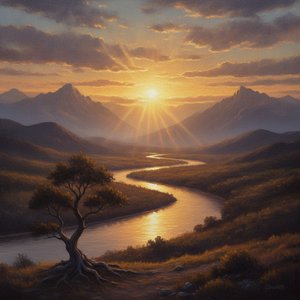
Golden Hour Magic: Capturing the Ethereal Beauty of Sunset Landscapes in Fine Art
Embark on a visual journey through the golden hour. Discover how master painters capture the ethereal glow of sunsets, from Monet's Impressionism to the Hudson River School. Explore timeless techniques and bring the magic of twilight into your home with exquisite fine art reproductions.
