
 Vista previa
 Compartir
 Compartir
 Ver detalles

 Descargar
 Ver similares
 Radiografía
 Presentación de diapositivas
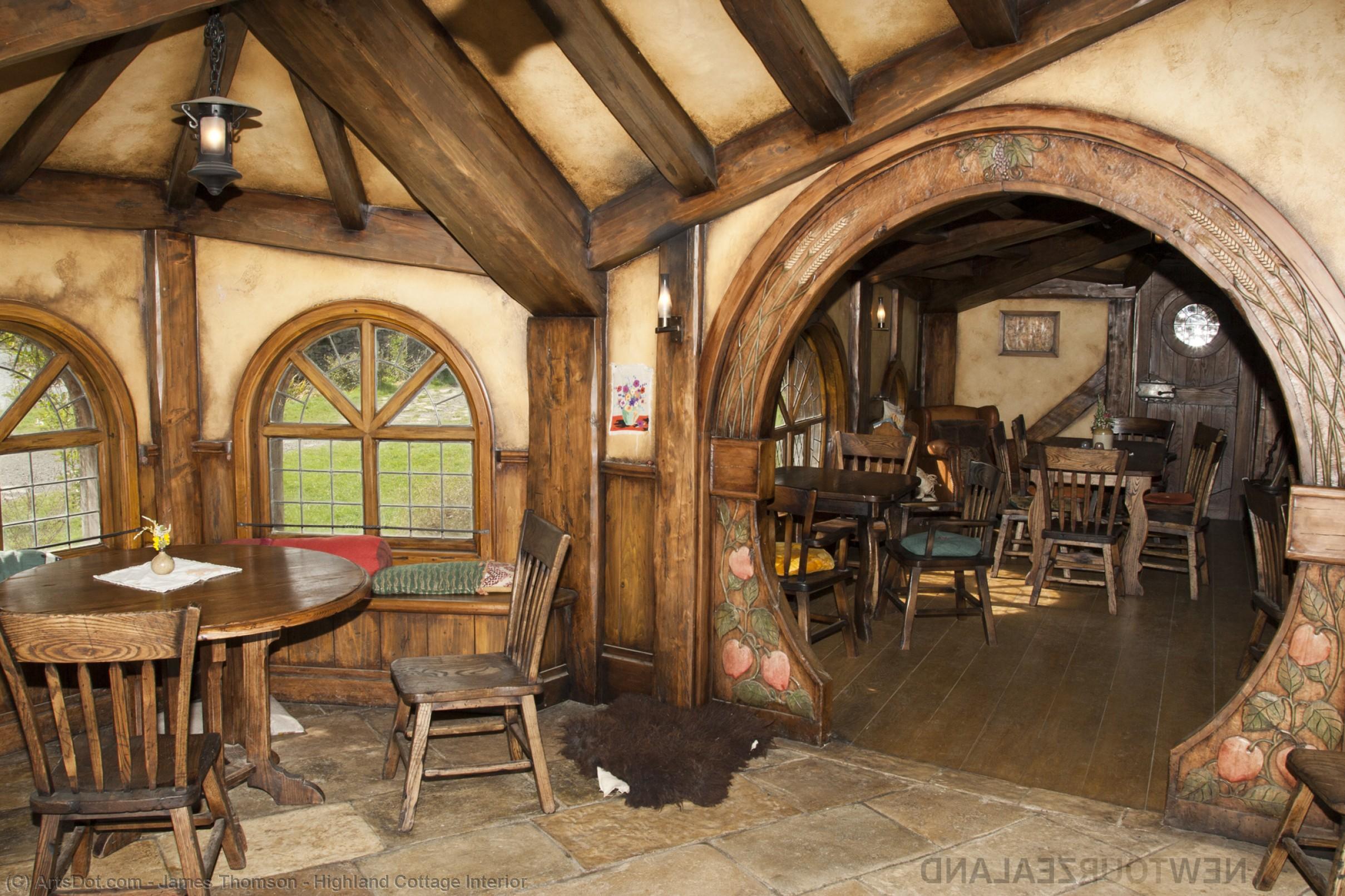
Highland Cottage Interior
 1908
1908 79.0 x 105.0 cm
 Museo Cultural
 Leer más
Giclée / Impresión de arte
Impresiones giclée o en lienzo de calidad de museo con producción rápida y opciones de acabado flexibles. ( Cambiar a pintura hecha a mano Cambiar a imagen)




































Elija entre nuestros tamaños predefinidos que respetan las proporciones originales de la obra.

Puede introducir sus propias dimensiones para adaptarse a un marco o espacio específico. Si el tamaño seleccionado no coincide con las proporciones de la imagen original, recortaremos la obra de arte o extenderemos la imagen con un borde con efecto espejo o de color sólido. Se enviará una maqueta digital para su aprobación antes de que comience la producción.
Tenga en cuenta que la vista previa en pantalla no refleja el recorte o la extensión real. Solo la maqueta mostrará con precisión la composición final.
Aunque existen tamaños personalizados, recomendamos seleccionar una dimensión de la lista predefinida para preservar las proporciones originales.
Envío a todo el mundo () en 2 semanas en lugar de las 4/5 semanas estándar. (10 agosto)

Envío exprés gratuito a todo el mundo

Lienzo de lino de alta calidad

Seguro de envío completo

Garantía de reembolso de aranceles aduaneros

Garantía de fidelidad cromática exacta

Política de devolución de 60 días (solo por defectos)

Garantía de devolución del 100% del dinero

Oferta por volumen
 La opción de vidrio solo está disponible en tamaños inferiores a 110 cm.

Highland Cottage Interior
Giclée / Impresión de arte
Tamaño de la reproducción
-


Precio total
$ 80
Biografía del artista
James Thomson (1700–1748): Poet of Seasons and Symbol of Enlightenment
James Thomson, born around 1700 in Ednam, Roxburghshire, Scotland, stands as a pivotal figure in British poetry and intellectual history—a testament to the burgeoning spirit of the Enlightenment. Though overshadowed by contemporaries like Pope and Swift, Thomson’s magnum opus, *The Seasons*, cemented his place as one of the era's most influential voices, capturing both the sublime beauty of nature and profound meditations on human existence. His life was marked by intellectual curiosity, familial devotion, and a tragically curtailed artistic career, leaving behind a legacy that continues to inspire artists and scholars alike.Early Life and Education
Thomson’s upbringing instilled in him a deep appreciation for classical learning and Presbyterian faith—values that would profoundly shape his worldview. Educated at Jedburgh Grammar School and subsequently pursuing studies at Edinburgh University, he honed his skills in rhetoric and philosophy, preparing himself for a vocation as minister of the church. This formative period fostered an unwavering commitment to moral seriousness and intellectual rigor, qualities evident throughout his poetic output. Notably, Thomson’s brother William—later Lord Kelvin—shared similar scholarly inclinations, establishing a familial bond rooted in intellectual pursuits that would endure across generations.The Poet Laureate Appointment and Literary Recognition
Thomson's literary breakthrough arrived with the publication of *The Seasons* (1730), a monumental achievement in blank verse that revolutionized poetic form and technique. Departing from the ornate conventions of Dryden and his predecessors, Thomson embraced simplicity and directness—drawing inspiration from Milton’s Paradise Lost and employing vivid imagery to convey the grandeur and majesty of the natural world. The poem's meticulous observation of seasonal cycles—spring, summer, autumn, winter—became a cornerstone of Romantic landscape poetry, establishing Thomson as a pioneer in capturing the emotional resonance of nature. His subsequent works included *Liberty* (1734), a dramatic verse play exploring themes of political liberty and moral responsibility, and *Hermes* (1740), which further solidified his reputation for intellectual depth and artistic innovation.Thomson's Patronage and Artistic Collaborations
Thomson’s poetic success attracted the attention of influential patrons—including William Hogarth and Robert Walpole—who recognized his talent and commissioned him to contribute illustrations for major literary projects. His involvement in *Fisher’s National Portrait Gallery* (1762) showcased his artistic versatility, blending meticulous detail with expressive composition to convey both visual splendor and psychological insight. Furthermore, Thomson collaborated closely with Horace Walpole on *Anecdotes of Painting*, offering astute commentary on artistic trends and fostering a dialogue between literature and art—a hallmark of the Enlightenment’s humanist ethos. His contribution to *The Keepsake* and *Ancient Marbles in the British Museum* demonstrated his commitment to disseminating knowledge and enriching cultural understanding.Legacy and Influence
James Thomson's influence extended far beyond his own lifetime, shaping the aesthetic sensibilities of subsequent generations of poets and artists—most notably the Group of Seven Canadian painters who drew inspiration from his masterful depiction of wilderness landscapes. His unwavering belief in the power of observation and imagination—coupled with his dedication to conveying moral truths through art—continues to resonate today. Thomson’s poetic legacy stands as a testament to the transformative potential of intellectual curiosity, artistic innovation, and a profound engagement with the natural world—a timeless inspiration for artists striving to capture beauty and convey meaning in their own creative endeavors.
james thomson
1700 - 1748
Datos clave
- Artistic Movement Or Style: Dot and stipple style
- Artists Or Movements Influenced By This Artist:
- Henry Thomson
- Frederick Goodall
- Artists Who Influenced This Artist: ['Robert Riccaltoun']
- Date Of Birth: 1700
- Date Of Death: 1850
- Full Name: James Thomson
- Nationality: Scottish
- Notable Artworks:
- Highland Cottage with Hens
- Distress by Land
- Place Of Birth: Ednam, Roxburghshire

