

 Vista previa
 Compartir
 Compartir
 Ver detalles
 Guía
Guía

 Descargar
 Ver artículos similares
 Radiografía
 Presentación de diapositivas
 Estadísticas
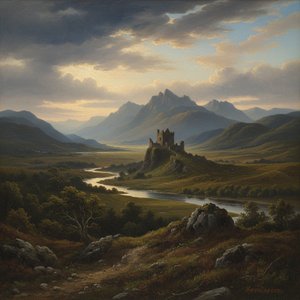
A Romantic Landscape
 Acrylic On Canvas
- WallArt
- Romantic Landscape
 1908
1908 119.0 x 104.0 cm
 Galería de Arte de Leeds
 Leer más
Reproducción al óleo hecha a mano
Óleo sobre lienzo pintado a mano en el tamaño y marco de su elección, realizado por encargo por nuestros artistas. ( Cambiar a formato impreso Ver versión en imagen digital)




P118B €10

P118H €10

P118W €10

P438Z €10

P508JH €12

P508YH €12

P805H €10

P805Z €10

P919BZ €10

P919G €10

P919XJ €10

P959ZH €10

P968JZ €12

W106C €8

W218G €10

W218JH €8

W218Y €10

W307PJ €10

W316G €10

W316PJ €8

W316Y €10

W398PJ €8

W4111J €10

W500HY €15

W500JH €15

W692G €12

W849H €8

W940BG €15

W953PJ €8




Elija entre nuestros tamaños predefinidos que respetan las proporciones originales de la obra.

Puede ingresar sus propias dimensiones para adaptarse a un marco o espacio específico. Si el tamaño seleccionado no coincide con las proporciones de la imagen original, recortaremos la obra o extenderemos la pintura con elementos adicionales pintados a mano. Se le enviará una maqueta digital para su aprobación antes de comenzar la producción.
Tenga en cuenta que la vista previa en pantalla no refleja el recorte o la extensión reales. Solo la maqueta mostrará con precisión la composición final.
Si bien existen tamaños personalizados, recomendamos seleccionar una dimensión de la lista predefinida para preservar las proporciones originales.
Tras realizar el pedido, el equipo de OriginalUniqueArt.com enviará un correo electrónico al cliente para solicitar instrucciones y proporcionarle una vista previa del boceto.
Envío a todo el mundo () en 3-4 semanas en lugar de las 5 semanas estándar. (2 octubre). Sin comprometer la calidad.

Envío exprés gratuito a todo el mundo

Lienzo de lino de alta calidad

Seguro de envío completo

Garantía de reembolso de impuestos aduaneros

Garantía de fidelidad cromática exacta

Política de devolución de 100 días (solo por defectos)

Garantía de devolución del 100% del dinero

Oferta por volumen
 La opción de vidrio solo está disponible en tamaños inferiores a 110 cm.

A Romantic Landscape
Técnica de reproducción
Tamaño de la reproducción
-


Precio total
€ 258
A Window Into a Romantic Soul: James Ferrier Pryde’s “A Romantic Landscape”
James Ferrier Pryde's "A Romantic Landscape," painted in 1908, isn’t merely a depiction of a picturesque scene; it’s a carefully constructed invitation into the heart of a bygone era. This oil painting, measuring a substantial 119 x 104 cm, captures a group of figures nestled within a verdant woodland, their presence subtly interwoven with the grandeur and mystery of nature. The composition immediately draws the eye to the central trio – three individuals engaged in quiet conversation beneath the sheltering branches of an ancient tree – while the distant body of water acts as a serene mirror reflecting the sky above.
Pryde’s style leans heavily into the tenets of Romanticism, a movement that privileged emotion, imagination, and the sublime beauty of the natural world. He eschews sharp detail in favor of atmospheric effects – hazy light filtering through the leaves, soft brushstrokes creating a sense of depth and distance, and a palette dominated by muted greens, browns, and blues. This deliberate blurring of form contributes to an overall feeling of tranquility and invites contemplation. The painting’s influence is clearly visible in the works of Caspar David Friedrich, whose emphasis on the individual's relationship with nature resonates strongly within Pryde’s approach.
The Beggarstaffs and a Legacy of Atmospheric Detail
Pryde was a key figure in the renowned Beggarstaff Studios, a collective of artists known for their innovative poster designs and evocative illustrations. This experience profoundly shaped his artistic sensibilities, particularly his mastery of capturing atmosphere and mood. The Beggarstaffs’ work often featured dramatic lighting, intricate details, and a focus on conveying a specific emotional response through visual means – qualities that are abundantly present in “A Romantic Landscape.” The painting's meticulous rendering of light and shadow, combined with the figures’ subtle gestures, suggests a narrative unfolding beyond what is immediately visible.
Interestingly, Pryde’s background as a graphic designer informed his approach to painting. He understood how color, texture, and composition could be used to create a powerful visual impact – a skill he seamlessly translated into his landscapes. The use of warm tones around the figures contrasts with the cooler hues of the surrounding forest, drawing attention to their presence while simultaneously emphasizing their connection to the natural world.
Symbolism in the Setting: A Sanctuary of Reflection
The choice of setting – a secluded woodland clearing – is laden with symbolic meaning. Forests have long been associated with mystery, introspection, and spiritual renewal within Romantic art. The ancient tree serves as a focal point, representing wisdom, longevity, and the enduring power of nature. The figures themselves appear to be seeking solace or connection within this sanctuary, suggesting a desire for escape from the pressures of modern life.
The presence of two benches further reinforces the theme of contemplation and social interaction. They invite viewers to imagine the conversations taking place between the individuals, fostering a sense of intimacy and shared experience. The distant water adds another layer of symbolism – representing reflection, fluidity, and the cyclical nature of time. It’s as if Pryde is offering us a glimpse into a timeless moment of connection with both each other and the natural world.
A Timeless Appeal: Reproduction and Artistic Resonance
"A Romantic Landscape" continues to resonate with audiences today due to its evocative atmosphere, masterful technique, and profound exploration of human emotion. Reproductions of this painting offer a remarkable opportunity to bring this scene into your home or office – capturing the tranquility and beauty of Pryde’s vision. The rich colors and detailed textures translate beautifully onto canvas, creating a piece that is both visually stunning and emotionally engaging. It's more than just a picture; it’s an invitation to step into a world of romantic contemplation.
Consider framing this reproduction in a style that complements its inherent elegance – perhaps a simple wooden frame or a classic gold-toned option. “A Romantic Landscape” will undoubtedly serve as a focal point, adding a touch of timeless beauty and serenity to any space.
Preguntas y respuestas
¿Qué edad tenía James Ferrier Pryde cuando creó "A Romantic Landscape" en 1908?
James Ferrier Pryde realizó "A Romantic Landscape" a la edad de 42. El artista nació en 1866 y la obra data de 1908.
¿Está "A Romantic Landscape" disponible como una impresión de bellas artes?
Para obtener una impresión de "A Romantic Landscape" de James Ferrier Pryde, simplemente pídala en esta página: una impresión de bellas artes sobre lienzo de algodón o papel de lienzo de archivo.
¿A qué artista se le atribuye "A Romantic Landscape"?
"A Romantic Landscape" fue creada por James Ferrier Pryde. La información en esta página describe la obra original de James Ferrier Pryde.
¿De qué manera "A Romantic Landscape" de James Ferrier Pryde vincula el Romantic Landscape con el país de origen del artista?
"A Romantic Landscape" conecta el movimiento Romantic Landscape con Reino Unido a través del lugar de nacimiento de su creador.
¿Hay obras similares a "A Romantic Landscape"?
Las obras similares a "A Romantic Landscape" de James Ferrier Pryde se encuentran reunidas en la página de Similares de la obra.
¿Cuál es la fecha de creación de "A Romantic Landscape" de James Ferrier Pryde?
"A Romantic Landscape" de James Ferrier Pryde fue creada en 1908.
¿Qué orientación tiene "A Romantic Landscape" de James Ferrier Pryde?
"A Romantic Landscape" de James Ferrier Pryde tiene un formato Portrait. El formato describe las proporciones de la composición.
Biografía del artista
James Ferrier Pryde (1866–1941): A Painter of Atmospheric Visions
James Ferrier Pryde (1866-1941) stands as a pivotal figure in the history of British art, particularly renowned for his groundbreaking collaboration with William Nicholson as “The Beggarstaffs” and his distinctive approach to architectural painting. Born in Edinburgh on December 4, 1866, into a family steeped in artistic heritage—his lineage tracing back to Robert Scott Lauder and James Eckford Lauder—Pryde’s formative years instilled within him an appreciation for creativity and intellectual stimulation. His father, David Pryde, served as headmaster of Edinburgh Ladies’ College, fostering a household valuing education and artistic pursuits. From a young age, Pryde demonstrated an innate talent for drawing and painting, nurtured by the encouragement of influential educators who recognized his potential.Early Artistic Training and Influences
Pryde’s formal artistic training commenced at the Royal Scottish Academy between 1885 and 1888, where he honed his skills under the tutelage of masters like James Guthrie and Edward Arthur Walton. These formative years exposed him to the prevailing stylistic currents of Glasgow School, shaping his initial artistic explorations and establishing a foundation for his subsequent endeavors. Beyond formal instruction, Pryde absorbed inspiration from diverse sources—including Whistler’s ethereal landscapes and Piranesi’s monumental architectural etchings—whose aesthetic sensibilities profoundly impacted his visual vocabulary. The influence of Bouguereau's meticulous realism served as another crucial element in developing Pryde’s artistic technique.The Beggarstaffs: Revolutionizing Poster Design
Pryde’s most celebrated partnership began in 1893 with William Nicholson, resulting in the formation of “The Beggarstaffs.” This alliance swiftly transformed the landscape of poster design, ushering in a new era characterized by bold compositions, striking imagery, and theatrical grandeur. Prior to The Beggarstaffs, posters were often cluttered and illustrative; Pryde and Nicholson deliberately stripped away superfluous ornamentation, prioritizing clarity and visual impact. Their designs transcended mere advertising—they functioned as artistic statements, elevating poster art from utilitarian necessity to a respected form of creative expression. Rejecting established conventions, they crafted works that captivated audiences with their arresting beauty and intellectual depth. The Beggarstaffs’ innovative approach extended beyond typography and illustration; they embraced dramatic lighting effects and compositional arrangements reminiscent of theatrical staging—a deliberate strategy aimed at maximizing visual impact and conveying emotion.Architectural Paintings: Exploring Mood and Scale
Pryde’s artistic passion centered around architectural paintings, where he pursued a singular vision—capturing not just the physical structure of buildings but also their emotional resonance and psychological significance. Unlike conventional depictions that prioritized accuracy, Pryde sought to evoke atmosphere and convey feeling through expansive brushwork and masterful use of light. His canvases frequently featured monumental structures dwarfing human figures, emphasizing our vulnerability against the grandeur of history and time—a motif directly influenced by Piranesi’s etchings. Pryde eschewed precise representation, prioritizing instead a subjective interpretation of space and emotion. He meticulously crafted scenes that felt like glimpses into dreamlike realms—hauntingly beautiful and subtly unsettling—reflecting his profound engagement with the psychological dimensions of art.Recognition and Legacy
Throughout his career, Pryde garnered acclaim from fellow artists and critics alike. His association with the International Society of Sculptors, Painters and Gravers solidified his position within the artistic community, while collaborations with luminaries like Edward Gordon Craig affirmed his talent as a painter—despite acknowledging limitations in theatrical performance. Pryde’s involvement in Edinburgh artistic circles ensured that he remained connected to the cultural landscape of his time. His paintings were exhibited at the Baillie Gallery in 1911 and the Leicester Galleries in 1933, securing his place within British art history. James Ferrier Pryde passed away peacefully on February 24, 1941, leaving behind a legacy as one of Britain’s foremost practitioners of atmospheric painting and a pioneer of graphic design—a testament to his enduring influence on the visual arts.
James Ferrier Pryde
1866 - 1941 , Reino Unido
Datos clave
- Artistic Movement Or Style: Atmospheric art
- Artists Or Movements Influenced By This Artist: ['William Nicholson']
- Artists Who Influenced This Artist:
- James Guthrie
- Edward Walton
- Whistler
- Bouguereau
- Piranesi
- Date Of Birth: March 30, 1866
- Date Of Death: February 24, 1941
- Full Name: James Ferrier Pryde
- Nationality: British
- Notable Artworks:
- Ruined Arch with Figure
- The Haunted House
- Moll Cutpurse
- Place Of Birth: Edinburgh, UK
Artículos relacionados

Alfred Munnings: Las 25 Obras Maestras del Pintor de Caballos | OriginalUniqueArt
Descubre las 25 obras maestras de Alfred Munnings, el pintor británico de caballos por excelencia. Explora su impresionismo inglés, escenas campestres y técnica única. Encuentra reproducciones de arte de alta calidad en OriginalUniqueArt.com.
Alexander Nasmyth: Picturing Scotland's Romantic Landscape – Innovation & Identity
Explore the life & art of Alexander Nasmyth, a pivotal figure in Scottish Romantic landscape painting. Discover his iconic works, including portraits of Robert Burns, and learn about his lasting influence on national identity. Fine art reproductions available.

James Giles: Capturing Scottish Life Through the Lens of British Realism
Explore the life & work of James Giles (1801-1870), a master of Scottish landscape painting and favored artist of Queen Victoria. Discover his atmospheric realism & royal commissions.

James Abbott McNeill Whistler: Las 25 Obras Maestras del Maestro del Arte y la Atmósfera | OriginalUniqueArt
Descubre las 25 obras maestras de James Abbott McNeill Whistler, el maestro del impresionismo y la armonía en arte. Explora retratos icónicos, nocturnos evocadores y su innovadora paleta de colores. Reproducciones de arte exclusivas en OriginalUniqueArt.com.

Paisajes Románticos: 10 Obras Maestras que Definieron un Movimiento Artístico
Descubre los 10 paisajes románticos más influyentes de artistas como Caspar David Friedrich y Turner. Explora la belleza, el simbolismo y las técnicas del movimiento romántico. Reproducciones de arte exclusivas en OriginalUniqueArt.com.


