

 Vista previa
 Compartir
 Compartir
 Ver detalles
 Guía
Guía

 Descargar
 Ver artículos similares
 Radiografía
 Presentación de diapositivas
 Estadísticas
Interlude in the Medici Theater
 Etching
- WallArt
- Baroque etching
 1617
1617 273.0 x 200.0 cm
 Galería de los Uffizi
 Leer más
Giclée / Impresión de arte
Impresiones giclée o en lienzo de calidad de museo con producción rápida y opciones de acabado flexibles. ( Encargar reproducción pintada a mano Ver versión en imagen digital)




P118B $10

P118H $10

P118W $10

P438Z $10

P508JH $12

P508YH $12

P805H $10

P805Z $10

P919BZ $10

P919G $10

P919XJ $10

P959ZH $10

P968JZ $12

W106C $8

W218G $10

W218JH $8

W218Y $10

W307PJ $10

W316G $10

W316PJ $8

W316Y $10

W398PJ $8

W4111J $10

W500HY $15

W500JH $15

W692G $12

W849H $8

W940BG $15

W953PJ $8




Elija entre nuestros tamaños predefinidos que respetan las proporciones originales de la obra.

Puede introducir sus propias dimensiones para adaptarse a un marco o espacio específico. Si el tamaño seleccionado no coincide con las proporciones de la imagen original, recortaremos la obra de arte o extenderemos la imagen con un borde con efecto espejo o de color sólido. Se enviará una maqueta digital para su aprobación antes de que comience la producción.
Tenga en cuenta que la vista previa en pantalla no refleja el recorte o la extensión real. Solo la maqueta mostrará con precisión la composición final.
Aunque existen tamaños personalizados, recomendamos seleccionar una dimensión de la lista predefinida para preservar las proporciones originales.
Envío a todo el mundo () en 2 semanas en lugar de las 4/5 semanas estándar. (26 septiembre)

Envío exprés gratuito a todo el mundo

Lienzo de lino de alta calidad

Seguro de envío completo

Garantía de reembolso de impuestos aduaneros

Garantía de fidelidad cromática exacta

Política de devolución de 100 días (solo por defectos)

Garantía de devolución del 100% del dinero

Oferta por volumen
 La opción de vidrio solo está disponible en tamaños inferiores a 110 cm.

Interlude in the Medici Theater
Giclée / Impresión de arte
Tamaño de la reproducción
-


Precio total
$ 80
A Window Into Renaissance Spectacle: Jacques Callot’s “Interlude in the Medici Theater”
Jacques Callot's "Interlude in the Medici Theater," etched in 1617, isn’t merely a depiction of a theatrical performance; it’s a meticulously crafted portal into the vibrant and often turbulent world of Renaissance Florence. This remarkable print, now housed within the Galleria degli Uffizi, offers a breathtakingly detailed glimpse into the opulent spectacle of the Medici Theater, capturing a moment brimming with energy, social interaction, and the sheer grandeur of court entertainment. More than just a visual record, it’s a testament to Callot's revolutionary etching techniques and his profound ability to convey both the outward splendor and underlying complexities of 17th-century life.
The composition immediately draws the eye towards the central stage, where dancers and musicians engage in lively performance. The scene unfolds with remarkable breadth, extending outwards into a teeming audience – a microcosm of Florentine society itself. Aristocrats mingle with commoners, nobles observe from their elevated positions, and the overall impression is one of controlled chaos, a carefully orchestrated display of wealth, power, and artistic expression. Notice how Callot masterfully uses perspective; figures diminish in size as they recede into the background, creating an illusion of depth that anchors the viewer within this bustling space.
The Alchemy of Etching: Technique and Innovation
What truly distinguishes “Interlude in the Medici Theater” is Callot’s unparalleled mastery of etching. He didn't simply reproduce a scene; he sculpted it with lines, employing an array of techniques that pushed the boundaries of printmaking at the time. The most significant innovation was his development of the ‘échoppe,’ a specialized etching needle featuring an oval section – a tool that allowed him to create swelling, organic lines mimicking those produced by engravers. This technique dramatically expanded the range of tonal and expressive possibilities within etching.
- Cross-Hatching: Callot’s extensive use of cross-hatching creates a remarkable sense of texture and depth, simulating the feel of velvet costumes, polished wood, and the shimmering fabric of the theater's ceiling.
- Burin & Drypoint: He skillfully combined burin (a smooth-edged tool) with drypoint (creating lines by scratching into the metal plate), layering these techniques to achieve both precise detail and subtle tonal variations.
- Multiple Impressions: The print was likely created through multiple impressions, allowing Callot to refine details and adjust tones with each iteration – a testament to his meticulous approach.
The absence of color further emphasizes the intricacy of the lines and textures, forcing the viewer to engage with the image on a purely visual level. The monochromatic palette—ranging from deep blacks to delicate whites—creates a dramatic contrast that highlights the forms and adds to the print’s overall sense of theatricality.
A Window into a World: Context and Symbolism
"Interlude in the Medici Theater" offers more than just a visual spectacle; it provides a valuable window into the social and cultural landscape of Renaissance Florence. The theater itself was a central hub of Florentine life, serving as a venue for entertainment, political discourse, and social interaction. The figures depicted—the dancers, musicians, nobles, and commoners—represent a cross-section of Florentine society, reflecting its wealth, power, and artistic sensibilities.
Symbolism subtly permeates the scene. The elaborate costumes and opulent décor speak to the extravagance of the Medici court, while the lively performance suggests a celebration of art and culture. The sheer density of figures hints at the social dynamics within the theater—the hierarchies, rivalries, and alliances that shaped Florentine society. It’s important to remember this was created during the tumultuous Thirty Years' War, and Callot’s work often reflected the anxieties and realities of conflict.
A Legacy in Print: Influence and Enduring Appeal
Jacques Callot’s “Interlude in the Medici Theater” stands as a pivotal work in the history of printmaking. His innovative techniques—particularly the ‘échoppe’—influenced generations of artists, including Rembrandt, who recognized his genius and championed his artistic vision. The print's dramatic intensity, meticulous detail, and evocative portrayal of human experience continue to captivate viewers today, solidifying Callot’s legacy as one of the most important and influential printmakers of all time. Reproductions of this masterpiece offer a remarkable opportunity to bring this vibrant scene into any space, transporting the viewer back to the heart of Renaissance Florence.
Biografía del artista
El maestro de la línea grabada: La vida y el legado de Jacques Callot
En el gran tapiz de la era barroca, pocos hilos son tan finos o tan penetrantemente detallados como los tejidos por Jacques Callot. Un virtuoso que rechazó las pinceladas amplias de la pintura al óleo en favor de la aguja precisa y mordiente del aguafuerte, Callot transformó el grabado de un oficio secundario en un medio profundo de comentario social y brillantez técnica. Nacido en la región de Lorena alrededor de 1592, su viaje fue uno de movimiento y metamorfosis, llevándolo desde los privilegiados salones de su crianza noble hasta las vibrantes y a menudo caóticas calles de Roma y Florencia. No se limitó a registrar la historia; grabó su propia alma sobre planchas de cobre, capturando las sombras fugaces del sufrimiento humano y el esplendor opulento de la vida cortesana con igual intensidad.
La evolución artística de Callot estuvo profundamente marcada por sus viajes por Europa, que le permitieron absorber las diversas texturas del siglo XVII. Su formación temprana en Nancy le proporcionó una base de disciplina, pero fue su estancia en Italia lo que verdaderamente encendió su genio. Bajo la guía de maestros como Philipp Tessmann en Roma y, más tarde, dentro de los prestigiosos talleres de Florencia, Callot aprendió a casar los ideales humanistas del Renacimiento con el peso dramático y emocional del Barroco. Su servicio a la corte de los Médici le otorgó un acceso sin precedentes a las cumbres de la cultura aristocrática; sin embargo, permaneció como un observador agudo del mundo que yacía bajo la superficie dorada, documentando la aspereza y la suciedad de la existencia urbana con una mirada inquebrantable.
Revolución técnica y la échoppe
Lo que realmente distinguió a Callot de sus contemporáneos fue su enfoque revolucionario del medio mismo. Antes de él, el aguafuerte carecía a menudo de la profundidad tonal y de la variedad en el grosor de la línea característica del grabado tradicional. Él cerró esta brecha mediante una brillante innovación técnica: la creación de la échoppe. Esta aguja de grabado especializada, con una punta de forma ovalada, le permitió manipular la presión del trazo para crear líneas que se ensanchaban y afinaban. Este avance le permitió imitar las anchuras elegantes y variables de la herramienta de un grabador, aportando un nuevo nivel de dimensión escultórica y movimiento fluido a sus estampas. A través de este dominio, alcanzó un nivel de detalle capaz de representar el delicado encaje de la manga de un noble o las texturas desgarradoras y dentadas de un campo de batalla con la misma precisión.
Esta destreza técnica permitió una gama de temas sin precedentes, especialmente en su célebre serie que documenta el lado más oscuro de la humanidad. Su obra sirve a menudo como una ventana visceral a las Miserias de la Guerra, donde capturó la violencia cruda y caótica del conflicto. En obras maestras como Le Pillage, el espectador es lanzado a un mundo de desorden y destrucción, donde las finas líneas de su aguja transmiten la energía frenética de un paisaje en convulsión. Por el contrario, su capacidad para capturar la luz y la teatralidad es evidente en obras como
Una huella imborrable en la historia del arte
La importancia histórica de Jacques Callot se extiende mucho más allá de las fronteras del siglo XVII. Fue un pionero de lo que hoy reconocemos como "estampas de maestros antiguos", estableciendo un estándar de complejidad narrativa y ejecución técnica que inspiraría a generaciones de grabadores. Su influencia puede rastrearse a través de los siglos, notablemente en la obra de Francisco Goya, quien compartió la capacidad de Callot para utilizar el medio gráfico con el fin de explorar los aspectos más oscuros y grotescos de la condición humana. Al elevar la aguja del aguafuerte a una herramienta de profunda profundidad psicológica y social, Callot aseguró que su visión perdurara.
En última instancia, la obra de Callot permanece como una paradoja inquietantemente bella: es tanto un registro meticuloso de la brutalidad histórica como una celebración de la finura artística. Ya fuera representando la cruda realidad de La Roue (La rueda) o la delicada gracia de una danza cortesana, sus grabados poseen una cualidad atemporal que trasciende su época. Sigue siendo una voz singular en el canon barroco: un maestro que encontró lo infinito dentro de lo infinitesimal, demostrando que incluso la línea grabada más pequeña podía cargar con el peso del mundo.

Jacques Callot
1592 - 1635 , Francia
Datos clave
- Artistic Movement Or Style: Barroco grabado
- Artists Or Movements Influenced By This Artist: ['Rembrandt']
- Artists Who Influenced This Artist: ['Philippe Thomassin']
- Date Of Birth: c. 1592
- Date Of Death: 1635
- Full Name: Jacques Callot
- Nationality: Francés
- Notable Artworks:
- La Sagrada Familia sobre mesa
- Escena de las Grandes Miserias de la Guerra
- Paisaje
- Place Of Birth: Lorraine, Francia
Artículos relacionados

The Intricate World of Etching: A Historical Survey of Technique, Aesthetic Evolution, and Enduring Artistic Impact
Explore the rich history of etching, from its origins to modern practice. Discover techniques, key artists like Rembrandt, and insights for collectors. A comprehensive guide by OriginalUniqueArt.

Las 10 Pinturas Más Famosas Dominadas por el Negro | Arte y Decoración
Descubre las 10 pinturas más impactantes dominadas por el negro. Explora obras maestras de Rembrandt, Goya y Rothko, su historia y significado. Encuentra reproducciones de arte exclusivas para transformar tu hogar en .
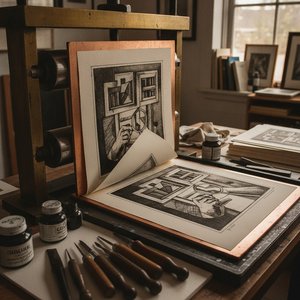
Etching Unlocked: The Sharp, High-Impact Art of Line and Shadow for the Modern Collector
Master the high-impact world of etching. Explore the transformative power of line and shadow through the intaglio tradition, from its armor-making origins to modern collecting strategies for the sophisticated art enthusiast.
Las 10 Grabados Legendarios que Revolucionaron el Arte | OriginalUniqueArt
Descubre los 10 grabados legendarios que transformaron la historia del arte. Explora las obras maestras de Rembrandt, Goya y Dürer. Encuentra reproducciones de alta calidad e inspírate para decorar tu hogar con arte clásico en OriginalUniqueArt.com.

El Aguafuerte: Un Recorrido Histórico por su Técnica, Cualidades Estéticas y Significado Duradero
Descubre la fascinante historia y técnica del aguafuerte. Explora su evolución artística, los maestros que lo dominaron y sus cualidades estéticas únicas. Guía experta para amantes del arte.