
() ·
Una pintura hecha para ti, a mano
Reproducción al óleo hecha a mano
Óleo sobre lienzo pintado a mano en el tamaño y marco de su elección, realizado por encargo por nuestros artistas. ( Cambiar a impresiones Cambiar a imagen digital)
Biografía del artista
Jacques Bellange (c. 1575-1616) fue un grabador y pintor manierista del norte de Lorena, famoso por sus impactantes aguafuertes religiosos. Redescubierto en el siglo XX, su estilo único sigue cautivando a los entusiastas del arte.
 Ver más
desde ·
Capítulo 1
¿Qué tamaño debería tener?
Deslice para cambiar el tamaño; la imagen de la izquierda muestra el marco con su anchura real. Se mantienen las proporciones originales.
Elija entre nuestros tamaños predefinidos que respetan las proporciones originales de la obra.

Indique el ancho y el alto que necesite para adaptarse a su marco o pared. Al tratarse de una obra pintada a mano, si requiere un tamaño con una proporción distinta, el artista puede pintar un poco más alrededor de la imagen o recortarla ligeramente; usted elige. Le enviaremos una maqueta digital para su aprobación antes de comenzar la pintura. La imagen que se muestra en esta página no refleja el resultado real; solo la maqueta lo hace.
Capítulo 2
¿Cómo debe llegar?
Elige el acabado de los bordes del lienzo
Elige tu marco

Blanco €1

Bordes difuminados €1

Continuación de imagen €1

P118B €10

P118H €10

P118W €10

P438Z €10

P508JH €12

P508YH €12

P805H €10

P805Z €10

P919BZ €10

P919G €10

P919XJ €10

P959ZH €10

P968JZ €12

W106C €8

W218G €10

W218JH €8

W218Y €10

W307PJ €10

W316G €10

W316PJ €8

W316Y €10

W398PJ €8

W4111J €10

W500HY €15

W500JH €15

W692G €12

W849H €8

W940BG €15

W953PJ €8

H24-GOLD €30

H24-SILVER €30

H36-GOLD €45

H36-SILVER €45
Con marco
Moldura: . Dimensiones totales con marco: .
Capítulo 3
¿Quién lo pinta y debería cambiar algo?
Tras realizar el pedido, el equipo de OriginalUniqueArt.com enviará un correo electrónico al cliente para solicitar instrucciones y proporcionar una vista previa del boceto
Envío a todo el mundo () en 3-4 semanas en lugar de las 5 semanas estándar. (10 noviembre). Sin comprometer la calidad.
Capítulo 4
Los últimos retoques
¿Una placa de identificación, como en un museo?
Detalles de la placa de bronce grabada
This elegant plaque features the artist's name and the title of the artwork, finely engraved for a timeless presentation.
It is made from bronze with a refined, elegant finish. The text is precisely laser-engraved for a sharp and permanent result. Measuring 9x2 cm, the plaque is compact yet easy to read. It's built to be durable and scratch-resistant, offering a professional, museum-quality look. Mounting is simple thanks to the included adhesive backing.
Detalles de la placa de acrílico transparente
The plaque includes essential engraved details such as the artist's name, the title of the artwork, the date it was created, the type of media used-like oil on canvas or watercolor-a brief description of the piece, and a QR code that links to the complete artwork information.
It is crafted from clear acrylic, offering a sleek, modern appearance. The text is UV-engraved in black to ensure strong visual contrast. With a size of 10x15 cm, it ensures optimal readability. It comes equipped with two metal hooks for secure wall mounting. The plaque is designed to be weather-resistant, making it suitable for various environments, and it includes interactive features that work seamlessly with smartphone scanning.
Detalles de la placa de acrílico negro
This elegant plaque includes engraved information such as the artist's name, the title of the artwork, the date it was created, the type of media used (like oil on canvas or watercolor), a short description of the artwork, and a QR code for quick access to more information.
The plaque itself is made from refined black acrylic with a premium finish. The text is laser-engraved in white for high contrast and readability. Its size is 10x15 cm, designed to be easy to read. It comes with two metal hooks for professional mounting. The design is sleek and fits any interior style. It is also weather-resistant and durable, with built-in digital integration for mobile compatibility.
¿Un barniz protector?
¿Para cuándo lo necesita?
Capítulo 5
Su pintura, tal como la solicitó

Equestrian statue
Técnica de reproducción
Dimensiones de la reproducción
-

Selección de artistas premium
Mayor nivel de detalle, delicadeza y tiempo de producción adicional
-

Enmarcado de reproducción
-
-
Para obras de arte o reproducciones que midan más de 105 cm (aproximadamente 41 pulgadas) en cualquiera de sus lados, el marco se enviará como un kit desmontado. Este método garantiza una entrega segura y evita daños durante el transporte.
Se requiere montaje profesional: este no es un producto para hacer usted mismo (DIY).
El kit debe ser ensamblado y el lienzo tensado por un enmarcador profesional con experiencia, utilizando cola para madera (no incluida), una tenaza para tensar lienzos y sargentos para mantener los bastidores alineados mientras la cola se seca. Un montaje incorrecto o una tensión desigual del lienzo pueden dañar la obra de arte de forma permanente y no están cubiertos por nuestra garantía.
 Para obras de arte o reproducciones que midan más de 105 cm (aproximadamente 41 pulgadas) en cualquiera de sus lados, el marco se enviará como un kit desmontado. Este método garantiza una entrega segura y evita daños durante el transporte.
Se incluyen todos los listones de madera maciza, cortados con precisión según las medidas.
Se ensambla con los tornillos incluidos, además de cola para madera para las uniones de las esquinas, la cual no se incluye y debe ser proporcionada por su enmarcador.
Se requieren herramientas profesionales que no están incluidas: un alicate para tensar lienzos (tensor) y abrazaderas para mantener los bastidores alineados mientras se seca el pegamento.
Importante:
Las uniones de las esquinas requieren cola para madera, los listones deben sujetarse con prensas hasta que la cola esté completamente seca, y para tensar el lienzo en el bastidor ensamblado se requiere una pinza para tensar lienzos. Ninguno de estos elementos está incluido en el kit. Por favor, contacte con un profesional del enmarcado con experiencia antes de realizar un pedido de este tamaño.

Cartela
-
-

Barniz protector
Barniz brillante (realza los colores y protege contra la luz y la humedad)
-

Personalizar mi obra
Ejemplos de lo que se puede personalizar: sustituir el rostro por una foto del cliente; añadir una mascota (por ejemplo, cambiar un gato por un perro); incluir un mensaje oculto en el fondo; cambiar el paisaje o los elementos del fondo.
-

Envío urgente
Envío a todo el mundo () en 3 o 4 semanas, en lugar de las 5 semanas habituales. (10 noviembre). Sin comprometer la calidad.
-
Envío urgente
Envío internacional () en 5 semanas. (17 noviembre).
Incluido
Precio total final
€ 268
La opción de vidrio solo está disponible en tamaños inferiores a 110 cm.
Incluido en cada pedido
- Envío exprés gratuito a todo el mundo
- Lienzo de lino de alta calidad
- Seguro de envío total
- Garantía de reembolso de aranceles aduaneros
- Garantía de fidelidad cromática exacta
- Política de devolución de 100 días (solo por defectos)
- Garantía de devolución del 100% del dinero
- Descuento por cantidad


 Ver en contexto
 Enviar
 Compartir
 Detalles
 Guía
Guía

 Descargar
 Similares
 Radiografía
 Presentación de diapositivas
 Preguntas y respuestas
 Estadísticas
En cifras
- 29marcos disponibles para elegir
- tamaños estándar, en sus propias proporciones
- 5semanas para pintar y entregar la obra
Sobre el original

Jacques Bellange
1575 - 1616, Francia
Datos rápidos sobre Jacques Bellange
- Artistic Movement Or Style: Manierismo nórdico
- Artists Who Influenced This Artist: ['Hendrik Goltzius']
- Date Of Birth: c. 1575
- Date Of Death: 1616
- Full Name: Jacques Bellange
- Nationality: Francés
- Notable Artworks:
- Lamentación
- La Virgen y el Niño
- Place Of Birth: Bâse-les-Vosges, Francia
Biografía del artista
Un Maestro Sombrío del Espíritu Manierista del Norte
Jacques Bellange permanece como una de las figuras más enigmáticas y cautivadoras en la historia del grabado europeo. Maestro del estilo manierista del norte, su vida transcurrió en el crepúsculo del Renacimiento tardío, un periodo definido por formas alargadas, tensión teatral y una intensidad psicológica casi febril. Aunque gran parte de su biografía personal permanece envuelta en las brumas de principios del siglo XVII, su legado artístico brilla con claridad a través de las intrincadas líneas de sus aguafuertes. Nacido alrededor de 1575 en la región de Bâse-les-Vosges, en Francia, Bellange emergió de un paisaje de fronteras cambiantes e intenso fervor religioso, encontrando finalmente su hogar creativo dentro de los sofisticados círculos cortesanos de Nancy.
Los rastros de su juventud son tan delicados y esquivos como sus propios grabados. Si bien los registros históricos sobre sus orígenes familiares son escasos, los estudiosos suelen señalar su rápido ascenso dentro del Ducado de Lorena como evidencia de una conexión significativa, quizás incluso noble. Existe mucha especulación sobre la posibilidad de que fuera el hijo ilegítimo de un mecenas de alto rango, teoría respaldada por el prestigioso título de "caballero" que se le atribuyó y su integración perfecta en la corte de los Duques de Lorena. Para 1군요95, ya estaba establecido en La Mothe, perfeccionando un oficio que pronto transformaría el medio del grabado en un vehículo para una profunda expresión emocional.
La Elegancia de la Corte de Lorena
La carrera de Bellange alcanzó su cenit bajo el patrocinio de Enrique II y Felipe III, Duques de Lorena. Este periodo de estabilidad cortesana le proporcionó el lujo de tiempo y recursos, permitiéndole refinar una técnica que era únicamente suya. A diferencia de muchos de sus contemporáneos, que se centraban en la claridad del Alto Renacimiento, Bellange abrazó las complejidades del Manierismo. Su obra se caracteriza por una energía inquieta, donde las figuras parecen retorcerse y serpentear con una gracia casi sobrenatural. En los salones de Nancy, desarrolló un lenguaje visual que entrelazaba lo sagrado con lo profano, creando obras que hablaban tanto de la psique humana como de la devoción religiosa.
Su maestría con la punta de grabado le permitió manipular la luz y la sombra con un dramatismo sin precedentes. Mediendo el uso meticuloso del tramado y el sombreado cruzado, era capaz de conjurar texturas que iban desde los pesados pliegues de antiguos ropajes hasta la piel curtida de un artista callejero. Esta destreza técnica es quizás más evidente en su capacidad para dotar incluso al tema más sencillo de un sentido de misterio profundo. Ya sea representando a una figura noble o a un músico común, la mano de Bellange es inconfundible, dejando tras de sí un rastro de líneas plateadas y luminosas que parecen vibrar con vida propia.
Un Legado Grabado en Luz y Sombra
La verdadera trascendencia de Jacques Bellange reside en su capacidad para capturar lo efímero. Su obra sirve como una ventana a un mundo de intensa lucha espiritual y belleza teatral. Algunas de sus obras más perdurables demuestran este alcance:
- Las tres Marías en la tumba: Un ejemplo impactante de su gravedad religiosa, donde figuras dramáticas y detalles intrincados convergen para crear un momento de profunda tensión bíblica.
- El zanfoñero: Una obra maestra del estudio de personajes, que muestra su habilidad para utilizar un complejo trazo lineal para capturar la esencia encorvada y fatigada de un músico callejero, dotando a un tema cotidiano de una gran profundidad psicológica.
- Caballero con traje antiguo: Una exploración de la obsesión manierista por la fantasía histórica y la elegancia estilizada, presentando a un guerrero adornado con vestiduras que evocan una sensación de grandeza mítica.
Aunque su vida se vio truncada en 1616, la influencia de Bellange perduró mucho más allá de las fronteras de Lorena. Su redescubrimiento en el siglo XX trajo consigo un renovado aprecio por el potencial expresivo de la línea grabada y el poder perdurable de la estética manierista. Hoy en día, se le celebra no solo como un artista de la corte, sino como un pionero que expandió los límites del grabado, dejando una marca indeleble en la historia del arte occidental a través de sus visiones inquietantemente bellas y bañadas en sombras.
Artículos relacionados

Pedigree in Paint: The Evolution of Equestrian Portraiture and Bespoke Equine Commissions
Explore the prestige of equestrian portraiture from Edward Troye to bespoke commissions. Discover how to curate your equine art collection.
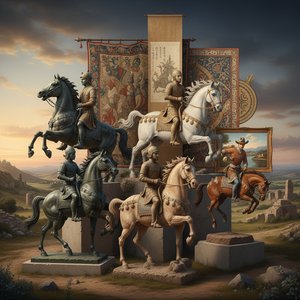
The Noble Steed: A Historical & Artistic Exploration of Equestrian Art Across Cultures
Explore the captivating history of equestrian art with OriginalUniqueArt. Discover masterpieces from Velázquez to Van Dyck & learn about collecting these timeless works. Expert insights for discerning connoisseurs.

Las 25 obras maestras de Sir Alfred James Munnings: El alma del arte ecuestre británico
Explora las 25 obras maestras de Sir Alfred James Munnings y su arte ecuestre. ¡Descubre toda la colección en OriginalUniqueArt.com!

Las 25 mejores obras de Sir Alfred James Munnings: El alma del mundo ecuestre
Explora las 25 obras maestras de Sir Alfred James Munnings y su alma ecuestre. ¡Descubre toda la colección en OriginalUniqueArt.com!

