Cambiar a impresiones
 Ver más







































 Para obras de arte o reproducciones que midan más de 105 cm (aproximadamente 41 pulgadas) en cualquiera de sus lados, el marco se enviará como un kit desmontado. Este método garantiza una entrega segura y evita daños durante el transporte.


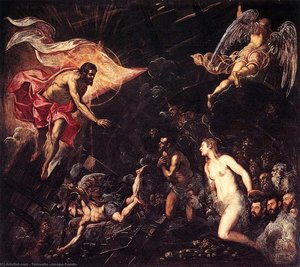
Jacopo Tintoretto’s St Sebastian – An Icon of Suffering and Divine Grace
Jacopo Tintoretto’s “St Sebastian,” completed in 1579-81, stands as a cornerstone of Venetian Mannerism—a movement that prioritized expressive emotion over strict realism. More than just a depiction of martyrdom, it's a masterful exploration of light and shadow, anatomical precision, and profound spiritual contemplation, cementing Tintoretto’s legacy as one of the most influential artists of his era.
- Subject Matter: The painting portrays Saint Sebastian, a Roman soldier martyred for refusing to worship pagan idols. His unwavering faith in Christ is conveyed through his posture—a figure pierced by arrows—representing sacrifice and endurance before divine judgment.
- Style & Technique: Tintoretto’s signature Mannerist style eschews the idealized beauty of High Renaissance art, favoring instead a dynamic composition characterized by dramatic chiaroscuro – intense contrasts between light and dark – achieved through meticulous layering of glazes and brushstrokes. This technique imbues the artwork with palpable energy and conveys an overwhelming sense of pathos.
- Composition: The vertical orientation emphasizes Sebastian’s body within a rectangular frame adorned with columns and pilasters, reminiscent of ecclesiastical architecture—a deliberate choice reflecting the painting's religious purpose. The artist skillfully utilizes perspective to create depth while maintaining a stylized representation of form.
Historical Context & Venetian Renaissance Influence
Tintoretto’s work emerged during a period of artistic upheaval following the High Renaissance, as artists sought new expressive avenues beyond classical ideals. Venice, at the time, was a vibrant hub of artistic innovation, fueled by patronage from wealthy families like the Doges and driven by a fascination with theatrical spectacle. Tintoretto's influence extended far beyond his immediate surroundings, shaping the aesthetic sensibilities of subsequent generations.
Inspired by biblical narratives and humanist scholarship, Tintoretto’s St Sebastian reflects the broader intellectual currents of the Renaissance—particularly the revival of interest in classical anatomy and the exploration of human emotion. The artist's meticulous attention to detail underscores the importance of conveying psychological depth alongside visual beauty.
Symbolism & Emotional Resonance
The arrows penetrating Sebastian’s flesh are laden with symbolic significance, representing not only physical suffering but also spiritual torment—a testament to his unwavering devotion. The halo surrounding Sebastian's head signifies holiness and divine grace, elevating him beyond earthly concerns and emphasizing the transformative power of faith.
Tintoretto’s masterful manipulation of light and shadow amplifies the artwork’s emotional impact, creating a scene of profound sorrow yet resolute courage. St Sebastian compels viewers to confront themes of mortality, sacrifice, and redemption—a timeless exploration of human experience that continues to resonate with audiences today.
A Legacy of Dramatic Expression
“St Sebastian” exemplifies Tintoretto’s unparalleled ability to capture the essence of human emotion through artistic innovation. Its enduring appeal lies in its masterful technique, evocative composition, and profound symbolic depth—a testament to Tintoretto's place as a titan among Venetian painters and a pivotal figure in the transition from Renaissance to Baroque art.
Preguntas y respuestas
¿Qué sensación transmiten los colores de "San Sebastián" de Jacopo Tintoretto?
"San Sebastián" de Jacopo Tintoretto combina una paleta de Tonos tierra con un tono Sombrío.
¿En qué año y bajo qué movimiento se creó "San Sebastián"?
"San Sebastián" fue realizada en 1579, dentro del movimiento Venetian Renaissance.
¿Cuándo y con qué técnica se realizó "San Sebastián"?
La técnica de "San Sebastián" de Jacopo Tintoretto es Óleo sobre lienzo y la obra data de 1579.
 Ver en contexto
 Enviar
 Compartir
 Detalles
 Guía
Guía

 Descargar
 Similares
 Radiografía
 Presentación de diapositivas
 Q&A
Q&A Estadísticas