Menú
Text size

() ·

A painting made for you, by hand

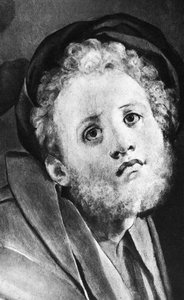
St. Anthony Abbot

Reproducción al óleo hecha a mano

Óleo sobre lienzo pintado a mano en el tamaño y marco de su elección, realizado por encargo por nuestros artistas. ( Cambiar a impresiones Cambiar a imagen digital)

Descripción del objeto

Explore Jacopo Pontormo’s masterpiece – St. Anthony Abbot – a Renaissance portrait imbued with spiritual depth and masterful technique. Discover stunning reproductions at OriginalUniqueArt.com.

Biografía del artista

Experimenta 'Visita' de Pontormo – un impresionante fresco del Renacimiento que exhibe el drama y la devoción manieristas. Colores vibrantes y figuras emotivas crean una elegancia atemporal. Perfecto para amantes del arte y coleccionistas.

from ·

Chapter 1

How large should it be?

Slide to change the size; the picture on the left shows the frame at its real width. The proportions of the original are kept.

Tamaño estándar
a medida
CM
INCH

Elija entre nuestros tamaños predefinidos que respetan las proporciones originales de la obra.

ancho
altura

Indique el ancho y el alto que necesite para adaptarse a su marco o pared. Al tratarse de una obra pintada a mano, si requiere un tamaño con una proporción distinta, el artista puede pintar un poco más alrededor de la imagen o recortarla ligeramente; usted elige. Le enviaremos una maqueta digital para su aprobación antes de comenzar la pintura. La imagen que se muestra en esta página no refleja el resultado real; solo la maqueta lo hace.

Chapter 2

How should it arrive?

Choose the edges of the stretched canvas

Choose your frame

Corner sample of the WhiteWrap canvas edge finish, stretched on madera maciza bars
White €1
Corner sample of the BlurSideWrap canvas edge finish, stretched on madera maciza bars
Blurside €1
Corner sample of the ExtendedWrap canvas edge finish, stretched on madera maciza bars
Extended €1
Corner sample of the P118B picture frame: poliestireno moldeado, 5 cm wide and 3 cm thick
P118B €10
Corner sample of the P118H picture frame: poliestireno moldeado, 5 cm wide and 3 cm thick
P118H €10
Corner sample of the P118W picture frame: poliestireno moldeado, 5 cm wide and 3 cm thick
P118W €10
Corner sample of the P438Z picture frame: poliestireno moldeado, 5.5 cm wide and 3.5 cm thick
P438Z €10
Corner sample of the P508JH picture frame: poliestireno moldeado, 7 cm wide and 3.5 cm thick
P508JH €12
Corner sample of the P508YH picture frame: poliestireno moldeado, 7 cm wide and 3.5 cm thick
P508YH €12
Corner sample of the P805H picture frame: poliestireno moldeado, 5 cm wide and 3.5 cm thick
P805H €10
Corner sample of the P805Z picture frame: poliestireno moldeado, 5 cm wide and 3.5 cm thick
P805Z €10
Corner sample of the P919BZ picture frame: poliestireno moldeado, 7 cm wide and 3.5 cm thick
P919BZ €10
Corner sample of the P919G picture frame: poliestireno moldeado, 7 cm wide and 3.5 cm thick
P919G €10
Corner sample of the P919XJ picture frame: poliestireno moldeado, 7 cm wide and 3.5 cm thick
P919XJ €10
Corner sample of the P959ZH picture frame: poliestireno moldeado, 5 cm wide and 3 cm thick
P959ZH €10
Corner sample of the P968JZ picture frame: poliestireno moldeado, 6 cm wide and 4 cm thick
P968JZ €12
Corner sample of the W106C picture frame: madera maciza, 5 cm wide and 3 cm thick
W106C €8
Corner sample of the W218G picture frame: madera maciza, 5 cm wide and 3 cm thick
W218G €10
Corner sample of the W218JH picture frame: madera maciza, 5 cm wide and 3 cm thick
W218JH €8
Corner sample of the W218Y picture frame: madera maciza, 5 cm wide and 3 cm thick
W218Y €10
Corner sample of the W307PJ picture frame: madera maciza, 6 cm wide and 3 cm thick
W307PJ €10
Corner sample of the W316G picture frame: madera maciza, 6 cm wide and 3 cm thick
W316G €10
Corner sample of the W316PJ picture frame: madera maciza, 6 cm wide and 3 cm thick
W316PJ €8
Corner sample of the W316Y picture frame: madera maciza, 6 cm wide and 3 cm thick
W316Y €10
Corner sample of the W398PJ picture frame: madera maciza, 5 cm wide and 3 cm thick
W398PJ €8
Corner sample of the W4111J picture frame: madera maciza, 6.5 cm wide and 3.5 cm thick
W4111J €10
Corner sample of the W500HY picture frame: madera maciza, 7 cm wide and 5 cm thick
W500HY €15
Corner sample of the W500JH picture frame: madera maciza, 7 cm wide and 5 cm thick
W500JH €15
Corner sample of the W692G picture frame: madera maciza, 8 cm wide and 4 cm thick
W692G €12
Corner sample of the W849H picture frame: madera maciza, 5 cm wide and 3 cm thick
W849H €8
Corner sample of the W940BG picture frame: madera maciza, 7.5 cm wide and 4.5 cm thick
W940BG €15
Corner sample of the W953PJ picture frame: madera maciza, 6 cm wide and 3.5 cm thick
W953PJ €8
Corner sample of the H24-GOLD picture frame: madera tallada con estuco, 10 cm wide and 6 cm thick
H24-GOLD €30
Corner sample of the H24-SILVER picture frame: madera tallada con estuco, 10 cm wide and 6 cm thick
H24-SILVER €30
Corner sample of the H36-GOLD picture frame: madera tallada con estuco, 15 cm wide and 6.5 cm thick
H36-GOLD €45
Corner sample of the H36-SILVER picture frame: madera tallada con estuco, 15 cm wide and 6.5 cm thick
H36-SILVER €45

Moulding: . Overall size with the frame: .

Chapter 3

Who paints it, and should anything change?

Examples of what can be changed: Replace face with customer photo; Add pet (e.g., replace cat with dog); Include hidden message in background; Change background landscape or elements.
After order, OriginalUniqueArt.com team will email client for instructions and provide a mockup preview

Envío a todo el mundo () en 3-4 semanas en lugar de las 5 semanas estándar. (31 octubre). Sin comprometer la calidad.

Chapter 4

The finishing touches

A nameplate, as in a museum?

Detalles de la placa de bronce grabada

This elegant plaque features the artist's name and the title of the artwork, finely engraved for a timeless presentation.

It is made from bronze with a refined, elegant finish. The text is precisely laser-engraved for a sharp and permanent result. Measuring 9x2 cm, the plaque is compact yet easy to read. It's built to be durable and scratch-resistant, offering a professional, museum-quality look. Mounting is simple thanks to the included adhesive backing.

Detalles de la placa de acrílico transparente

The plaque includes essential engraved details such as the artist's name, the title of the artwork, the date it was created, the type of media used-like oil on canvas or watercolor-a brief description of the piece, and a QR code that links to the complete artwork information.

It is crafted from clear acrylic, offering a sleek, modern appearance. The text is UV-engraved in black to ensure strong visual contrast. With a size of 10x15 cm, it ensures optimal readability. It comes equipped with two metal hooks for secure wall mounting. The plaque is designed to be weather-resistant, making it suitable for various environments, and it includes interactive features that work seamlessly with smartphone scanning.

Detalles de la placa de acrílico negro

This elegant plaque includes engraved information such as the artist's name, the title of the artwork, the date it was created, the type of media used (like oil on canvas or watercolor), a short description of the artwork, and a QR code for quick access to more information.

The plaque itself is made from refined black acrylic with a premium finish. The text is laser-engraved in white for high contrast and readability. Its size is 10x15 cm, designed to be easy to read. It comes with two metal hooks for professional mounting. The design is sleek and fits any interior style. It is also weather-resistant and durable, with built-in digital integration for mobile compatibility.

A protective varnish?

When do you need it?

Chapter 5

Your painting, as you ordered it

St. Anthony Abbot

Técnica de reproducción

Dimensiones de la reproducción

-

Selección de artistas premium

Mayor nivel de detalle, delicadeza y tiempo de producción adicional

-

Enmarcado de reproducción

-

-

Para obras de arte o reproducciones que midan más de 105 cm (aproximadamente 41 pulgadas) en cualquiera de sus lados, el marco se enviará como un kit desmontado. Este método garantiza una entrega segura y evita daños durante el transporte.

Se requiere montaje profesional: este no es un producto para hacer usted mismo (DIY).
El kit debe ser ensamblado y el lienzo tensado por un enmarcador profesional con experiencia, utilizando cola para madera (no incluida), una tenaza para tensar lienzos y sargentos para mantener los bastidores alineados mientras la cola se seca. Un montaje incorrecto o una tensión desigual del lienzo pueden dañar la obra de arte de forma permanente y no están cubiertos por nuestra garantía.

  • Se incluyen todos los listones de madera maciza, cortados con precisión según las medidas.

  • Se ensambla con los tornillos incluidos, además de cola para madera para las uniones de las esquinas, la cual no se incluye y debe ser proporcionada por su enmarcador.

  • Se requieren herramientas profesionales que no están incluidas: un alicate para tensar lienzos (tensor) y abrazaderas para mantener los bastidores alineados mientras se seca el pegamento.

Importante:
Las uniones de las esquinas requieren cola para madera, los listones deben sujetarse con prensas hasta que la cola esté completamente seca, y para tensar el lienzo en el bastidor ensamblado se requiere una pinza para tensar lienzos. Ninguno de estos elementos está incluido en el kit. Por favor, contacte con un profesional del enmarcado con experiencia antes de realizar un pedido de este tamaño.

Cartela

-

-

Barniz protector

Barniz brillante (realza los colores y protege contra la luz y la humedad)

-

Personalizar mi obra

Ejemplos de lo que se puede personalizar: sustituir el rostro por una foto del cliente; añadir una mascota (por ejemplo, cambiar un gato por un perro); incluir un mensaje oculto en el fondo; cambiar el paisaje o los elementos del fondo.

-

Envío urgente

Envío a todo el mundo () en 3 o 4 semanas, en lugar de las 5 semanas habituales. (31 octubre). Sin comprometer la calidad.

-

Envío urgente

Envío internacional () en 5 semanas. (7 noviembre).

Incluido

Precio total final

€ 266

Precio total € 266

La opción de vidrio solo está disponible en tamaños inferiores a 110 cm.

Included with every order

  • Envío exprés gratuito a todo el mundo
  • Lienzo de lino de alta calidad
  • Seguro de envío total
  • Garantía de reembolso de aranceles aduaneros
  • Garantía de fidelidad cromática exacta
  • Política de devolución de 100 días (solo por defectos)
  • Garantía de devolución del 100% del dinero
  • Descuento por cantidad

A Renaissance Reverie: The Soul of Pontormo’s St. Anthony Abbot

In the quietude of a Florentine studio around 1519, Jacopo Carucci—the master known to history as Pontormo—captured a moment of profound spiritual stillness that continues to resonate centuries later. His depiction of St. Anthony Abbot is far more than a mere portrait of a desert saint; it is a window into the burgeoning Mannerist movement, where the serene balance of the High Renaissance began to yield to a more complex, psychological intensity. As one gazes upon this work, there is an immediate sense of encountering a soul in contemplation, a figure emerging from a muted, greenish-yellow void to offer a glimpse of divine light.

The painting serves as a masterful bridge between eras. While the anatomical precision and sculptural presence of the subject echo the monumental influence of Michelangelo, Pontormo introduces an emotional depth that anticipates the dramatic tension of the Baroque. The saint is rendered with a striking realism; his weathered face, the texture of his long, flowing beard, and the heavy drape of his dark, ascetic robes all speak to a life of rigorous devotion and solitude. This meticulous attention to detail does not merely serve to document the physical form but to ground the spiritual subject in a palpable, human reality.


The Language of Light and Symbolism

Technique and symbolism are inextricably linked in this evocative composition. Pontormo employs chiaroscuro with surgical precision, utilizing a light source that strikes the figure from the left to carve his features out of the shadows. This play of light and dark does more than create a three-dimensional illusion; it acts as a metaphor for the saint's spiritual journey through the darkness of temptation toward the clarity of faith. The subtle use of shadow on the right side of the face adds a layer of mystery, suggesting the internal struggles inherent in the monastic life.

Central to the painting’s narrative is the scroll held firmly in St. Anthony's hand. Upon it, the Latin inscription "EGO SUM LUX MUNDI"—I am the light of the world—serves as a powerful theological anchor. Though these words are attributed to Christ, their presence in the hands of the Abbot connects the saint to the divine essence, reinforcing his role as a beacon of spiritual truth. The muted, atmospheric background, devoid of distracting landscapes, ensures that the viewer’s focus remains locked onto this sacred message and the luminous countenance of the saint himself.


An Enduring Legacy for the Discerning Collector

For the art lover or the interior designer, a reproduction of Pontormo’s St. Anthony Abbot offers much more than aesthetic beauty; it provides an atmosphere of contemplative gravity. The painting's sophisticated palette—dominated by earthy tones, deep shadows, and that singular, haunting greenish-yellow hue—makes it a versatile centerpiece for spaces that value historical depth and intellectual character. It is a piece that invites long periods of study, rewarding the observer with new layers of emotional complexity upon every viewing.

Whether placed in a private library, a formal study, or a curated gallery setting, this work brings with it the weight of Florentine history and the melancholic beauty of the Mannerist vision. To possess such a piece is to invite the spirit of Pontormo into one's environment—a master who dared to look inward and capture the turbulent, beautiful complexity of the human soul through the medium of oil and light.

Preguntas y respuestas

¿Qué nivel de contraste tiene "St. Anthony Abbot" de Jacopo Pontormo?

El contraste entre luces y sombras de "St. Anthony Abbot" se registra como Balanced. El contraste describe la intensidad con la que difieren las zonas claras y oscuras.

¿Cómo se describe la atmósfera de "St. Anthony Abbot" de Jacopo Pontormo?

El ambiente general de "St. Anthony Abbot" de Jacopo Pontormo es Elegant. Esta atmósfera describe la esencia de la obra.

¿Es "St. Anthony Abbot" más bien clara o más bien oscura en su conjunto?

"St. Anthony Abbot" presenta un brillo general de deep_shadow y una luminancia de Dark.

More about this painting

Ver en contexto Vista previa en RA Cambiar a impresiones Cambiar a imagen digital Enviar
Detalles Guía Añadir a favoritos Descargar Similares Radiografía Presentación de diapositivas Q&A Estadísticas

In numbers

  • 1519the year it was painted
  • 29frames to choose from
  • standard sizes, in its own proportions
  • 5weeks to paint and deliver it
Jacopo Pontormo

Jacopo Pontormo

1494 - 1557, Italia

Quick facts about Jacopo Pontormo

  • Artistic Movement Or Style: Mannerism
  • Artists Or Movements Influenced By This Artist: ['Michelangelo']
  • Artists Who Influenced This Artist:
    • Leonardo da Vinci
    • Andrea del Sarto
  • Date Of Birth: 1494
  • Full Name: Jacopo Pontormo
  • Nationality: Italian
  • Notable Artworks:
    • Visitation
    • Deposition
  • Place Of Birth: Pontorme, Italy

Biografía del artista

El visionario melancólico: La vida y el legado de Jacopo Pontormo

Jacopo Carucci, conocido en la historia por el evocador sobrenombre de Pontormo, fue un artista cuyo pincel capturó la esencia misma de la transición. Nacido en la pequeña aldea toscana de Pontorme alrededor de 1494, sus primeros años estuvieron marcados por un profundo sentido de soledad y melancolía, cualidades que más tarde infundirían sus lienzos con una profundidad psicológica sin parangón. Como joven aprendiz en Florencia, transitó por un mundo de paradigmas artísticos cambiantes, emergiendo finalmente como una figura central del movimiento manierista florentino. A diferencia de los maestros del Alto Renacimiento, que buscaban la perfección a través del equilibrio y la armonía matemática, Pontormordo miró hacia el interior, buscando expresar las turbulentas y, a menudo, inquietantes complejidades del alma humana. Sus años formativos fueron moldeados por las sombras de gigantes. Bajo la tutela de Domenico del Pollaiuolo y la influencia monumental de Michelangelo Buonarroti, dominó la precisión anatómica exigida a un maestro del Renacimiento; sin embargo, poseía un impulso irreprimible por distorsionar esa misma realidad en favor del efecto emocional. Se inspiró no solo en el peso escultórico de Miguel Ángel, sino también en los intrincados y emotivos grabados de Albrecht Dürer. Esta síntesis única de la forma italiana y el detalle expresivo del norte de Europa le permitió ser pionero en un estilo donde las figuras parecían perder su vínculo con la gravedad, derivando a través de espacios ambiguos y oníricos.

La arquitectura del manierismo: Estilo e innovación

Presenciar una pintura de Pontormo es adentrarse en un reino donde las leyes familiares de la física y la perspectiva quedan suspendidas. Su obra representa un alejamiento deliberado de la serena regularidad perspectivista de sus predecesores. En obras maestras como su "Visitación" o su inquietante "Descendimiento", se observan las señas de identidad de su revolucionaria estética manierista: extremidades alargadas, poses entrelazadas y antinaturales, y una paleta de colores vibrantes, casi ácidos, que chocan y brillan con una luz de otro mundo. Sustituyó las composiciones estables y triangulares del Renacimiento por arreglos arremolinados y abarrotados que evocan una sensación de energía inquieta y desasosiego espiritual. La brillantez técnica de Pontormo residía en su capacidad para utilizar el color y la forma como herramientas psicológicas. Sus figuras a menudo parecen flotar dentro de entornos inciertos, sin el impedimento del peso, creando una sensación de profunda inestabilidad. Esto no era mero artificio; era un intento deliberado de transmitir las ansiedades espirituales de una era atrapada entre las certezas del Renaciente y el drama inminente del Barroco. Ya fuera a través de la luz dramática en su "Última Cena en Emaús" o la cruda e emotiva intensidad hallada en sus estudios de Cristo, Pontormo utilizó cada pincelada para explorar temas de duelo, devoción y lo divino.

Una huella imborrable en la historia del arte

La importancia histórica de Jacopo Pontormo es incalculable. Sirvió como un puente vital, traduciendo los ideales clásicos del siglo XV al lenguaje expresivo y teatral que definiría gran parte del arte del siglo XVI. Su influencia se propagó por toda la Escuela Florentina, moldeando las obras de sucesores como Bronzino y asegurando que la tensión entre la belleza y el artificio permaneciera como un diálogo central en la pintura europea. Su obra permanece como un testimonio del poder de la visión individual sobre la tradición. A través de sus retratos, como el regio "Cosimo I de' Medici," y sus obras religiosas profundamente simbólicas, demostró que el arte podía ser más que un espejo de la realidad; podía ser una ventana al subconsciente. Aunque su vida estuvo a menudo ensombrecida por el dolor personal, el brillo de su color y la complejidad de sus composiciones continúan cautivando, invitando a cada espectador a perderse en el hermoso, distorsionado y profundamente humano mundo del maestro florentino.

Datos clave

  • Medium: Oil on Wood
  • Artistic style: Mannerism
  • Notable elements or techniques: Light and shadow; Anatomical realism
  • Subject or theme: Religious Figure
  • Artist: Jacopo Pontormo

Test de conocimientos artísticos

Cada pregunta tiene una única respuesta correcta.

Pregunta 1:
What artistic movement is St. Anthony Abbot’s painting primarily associated with?
Pregunta 2:
The Latin phrase ‘EGO SUM LUX MUNDI’ inscribed on St. Anthony Abbot's scroll refers to:
Pregunta 3:
What material was commonly used for painting portraits during the Renaissance period, as evidenced by St. Anthony Abbot’s artwork?
Pregunta 4:
How does the artist utilize light and shadow in St. Anthony Abbot's portrait to enhance its realism?
Pregunta 5:
Jacopo Pontormo is considered a pivotal figure in bridging which two artistic eras?