

 Vista previa
 Compartir
 Compartir
 Ver detalles
 Guía
Guía

 Descargar
 Ver artículos similares
 Radiografía
 Presentación de diapositivas
 Estadísticas
Tombstones


 Leer más
Giclée / Impresión de arte
Impresiones giclée o en lienzo de calidad de museo con producción rápida y opciones de acabado flexibles. ( Encargar reproducción pintada a mano Ver versión en imagen digital)




P118B $10

P118H $10

P118W $10

P438Z $10

P508JH $12

P508YH $12

P805H $10

P805Z $10

P919BZ $10

P919G $10

P919XJ $10

P959ZH $10

P968JZ $12

W106C $8

W218G $10

W218JH $8

W218Y $10

W307PJ $10

W316G $10

W316PJ $8

W316Y $10

W398PJ $8

W4111J $10

W500HY $15

W500JH $15

W692G $12

W849H $8

W940BG $15

W953PJ $8




Elija entre nuestros tamaños predefinidos que respetan las proporciones originales de la obra.

Puede introducir sus propias dimensiones para adaptarse a un marco o espacio específico. Si el tamaño seleccionado no coincide con las proporciones de la imagen original, recortaremos la obra de arte o extenderemos la imagen con un borde con efecto espejo o de color sólido. Se enviará una maqueta digital para su aprobación antes de que comience la producción.
Tenga en cuenta que la vista previa en pantalla no refleja el recorte o la extensión real. Solo la maqueta mostrará con precisión la composición final.
Aunque existen tamaños personalizados, recomendamos seleccionar una dimensión de la lista predefinida para preservar las proporciones originales.
Envío a todo el mundo () en 2 semanas en lugar de las 4/5 semanas estándar. (27 septiembre)

Envío exprés gratuito a todo el mundo

Lienzo de lino de alta calidad

Seguro de envío completo

Garantía de reembolso de impuestos aduaneros

Garantía de fidelidad cromática exacta

Política de devolución de 100 días (solo por defectos)

Garantía de devolución del 100% del dinero

Oferta por volumen
 La opción de vidrio solo está disponible en tamaños inferiores a 110 cm.

Tombstones
Giclée / Impresión de arte
Tamaño de la reproducción
-


Precio total
$ 80
A Poignant Meditation on Mortality and Community
In the somber, evocative landscape of Jacob Lawrence’s 1942 masterpiece, Tombstones, we are invited into a profound visual dialogue between life and death. Painted during the turbulent era following Pearl Harbor, this work serves as much more than a mere depiction of a graveyard; it is a soulful testament to the collective experience of African Americans in Harlem. Lawrence, a master of narrative storytelling, utilizes his signature dynamic cubism to weave a tapestry of remembrance that feels both deeply personal and universally resonant. The scene unfolds with a sense of quiet dignity, where the presence of crosses and headstones does not evoke terror, but rather a meditative stillness—a communal space where memory is held sacred amidst the shifting tides of history.
The composition is masterfully structured to guide the viewer through a cycle of existence. A central staircase dominates the frame, acting as a powerful metaphor for the human journey; its ascent suggests aspiration and the upward reach of the spirit, while the descent reminds us of the inevitable return to the earth. Lawrence employs a flattened perspective that eschews traditional depth in favor of a rhythmic, layered arrangement. Figures are positioned throughout this architectural landscape—some ascending toward the light of upper windows, others lingering near the gravesites below—creating a sense of a community bound together by shared history and the shared reality of loss.
The Language of Line and Earthy Tones
Technically, Tombstones is a triumph of precision and restraint. Executed in tempera, the artwork relies on the deliberate application of color blocking and sharp, defining lines to construct its world. Lawrence avoids the distraction of heavy textures or realistic shading, opting instead for a geometric clarity that lends the piece an enduring, monumental quality. The lines that delineate the stair railings, the building's silhouette, and the very tombstones themselves are rendered with an unwavering certainty, providing a sense of structural order to the complex emotional narrative.
The color palette is intentionally muted, grounded in an earthy spectrum of browns, deep greens, ochre yellows, and somber blues. These tones evoke the soil and the weathered stone of a memorial site, reinforcing the theme of mortality. Yet, within this subdued field, Lawrence introduces subtle contrasts that breathe life into the composition, ensuring that the eye remains engaged by the interplay of light and shadow across the flattened planes. For the collector or interior designer, this palette offers a sophisticated versatility, providing a focal point that commands attention through its tonal depth and historical weight rather than through garishness.
A Timeless Legacy for the Modern Collector
To possess a reproduction of Tombstones is to hold a piece of American Social Realism. Lawrence’s ability to blend the avant-garde techniques of modernism with the urgent social realities of his time creates an artwork that remains strikingly contemporary. The painting does not merely depict a moment in 1942; it captures the eternal rhythm of community, resilience, and the cyclical nature of life. It is a piece that invites long periods of contemplation, making it an ideal acquisition for those seeking to infuse their spaces with intellectual depth and emotional resonance.
Whether displayed in a curated gallery setting or as a cornerstone of a thoughtfully designed residential interior, this work serves as a bridge between the past and the present. It offers a window into the heart of Harlem and the enduring strength of the human spirit, making it an incomparable choice for art lovers who value works that possess both aesthetic mastery and a profound, lingering soul.
Biografía del artista
**vida y obra**
Jacob Lawrence, una figura destacada en el arte americano, nació el 7 de septiembre de 1917 en Atlantic City, Nueva Jersey, y falleció el 9 de junio de 2000 en Seattle, Washington. Como pintor afroamericano, educador y narrador, la obra de Lawrence se centró principalmente en la representación de la vida afroamericana, convirtiéndolo en una figura clave del movimiento del Renacimiento de Harlem.**estilo artístico y temas**
Lawrence denominó su estilo "cubismo dinámico", que estuvo influenciado más por las experiencias vibrantes de su comunidad que únicamente por el arte francés. Sus pinturas a menudo representaban escenas de la historia afroamericana, incluyendo series sobre Toussaint Louverture, Frederick Douglass, Harriet Tubman, la vida en Harlem y el movimiento por los derechos civiles de la década de 1960.- Bar and Grill, una pintura que muestra el interior de un café con una pared que divide el espacio en dos reinos distintos para blancos y negros, refleja la experiencia de Lawrence con la segregación Jim Crow en Nueva Orleans.
- Victoria y derrota, que presenta una impenetrable pared de veintidós cañones negros, simboliza el exitoso asedio en Yorktown, Virginia, marcando un momento crucial en la historia estadounidense.
**desarrollo artístico e influencias**
La formación artística de Lawrence comenzó temprano, asistiendo a clases nocturnas en la Escuela de Arte y Diseño de Nueva York. Su interés por la historia afroamericana se intensificó al leer "Los niños de Israel" de Gustav Schwab, lo que inspiró su primera serie importante: "La saga de los Anderson". Lawrence fue influenciado por artistas como Romare Bearden y Charles Alston, quienes también exploraron temas relacionados con la cultura afroamericana. Su estilo evolucionó desde un realismo social temprano hacia el cubismo dinámico característico, aunque siempre mantuvo una fuerte conexión con las narrativas visuales y la representación de la vida cotidiana en su comunidad.**logros y legado**
Jacob Lawrence es reconocido por sus series narrativas que documentan aspectos importantes de la historia afroamericana. Su serie "La Migración" (The Migration Series), originalmente encargada por el WPA, se convirtió en una obra maestra del arte americano y un poderoso testimonio de la Gran Migración desde el sur rural hacia las ciudades del norte. Lawrence fue el primer artista afroamericano en tener una exposición individual permanente en el Museo Moderno de Arte de Nueva York. Su legado radica no solo en su prolífica producción artística, sino también en su papel como educador y mentor, inspirando a generaciones de artistas afroamericanos.**colecciones y reconocimiento**
La obra de Lawrence se exhibe en varios museos importantes, incluyendo:- Museo Smithsonian de Arte Americano, Washington, D.C. - Bar and Grill
- Universidad de Washington, Seattle, Washington - donde Lawrence enseñó arte hacia el final de su carrera.
- Pintor afroamericano, educador y narrador.
- Asociado con el movimiento del Renacimiento de Harlem.
- Conocido por su estilo "cubismo dinámico", influenciado por las experiencias comunitarias.
- Presente en varios museos importantes, incluyendo el Museo Smithsonian de Arte Americano.

Jacob Lawrence
1917 - 2000 , Estados Unidos de América
Datos clave
- Artistas Que Influyeron En Este Artista:
- Augusta Savage
- Charles Alston
- Fecha De Fallecimiento: 9 de junio de 2000
- Fecha De Nacimiento: 7 de septiembre de 1917
- Lugar De Nacimiento: Atlantic City, EE. UU.
- Movimiento Artístico O Estilo: Cubismo dinámico
- Nacionalidad: Estadounidense
- Nombre Completo: Jacob Lawrence
- Obras Notables:
- Bar and Grill
- Victory and Defeat
- Serie de la migración
Artículos relacionados
Los 10 Cuadros Más Famosos para un Salón de Ensueño |
Descubre los 10 cuadros más famosos para transformar tu salón. Explora la historia de Van Gogh, Monet y otros maestros del arte clásico e impresionismo. Encuentra lienzos decorativos y reproducciones de museos en
Transforming Spaces: A Comprehensive Exploration of Wall Decor Through Art History & Contemporary Practice
Explore the art of transforming spaces with our comprehensive guide to wall decor. From historical movements to contemporary trends, discover how to curate impactful interiors and commission bespoke artwork for a truly personalized aesthetic.
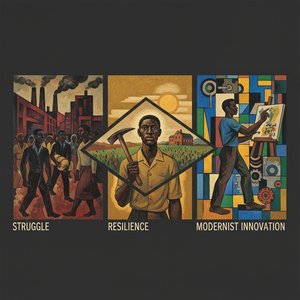
Jacob Lawrence: Narratives of Struggle, Resilience & Modernist Innovation
Explore the powerful narratives of Jacob Lawrence, a pivotal African American artist of the Harlem Renaissance. Discover his iconic 'Migration Series,' dynamic cubism style, and lasting impact on American art history.

El Regreso del Fresco: Murales de Lujo para un Diseño Exclusivo
Descubre el arte del fresco: guía completa sobre técnicas, diseño y aplicaciones de lujo. Expertos en murales personalizados para hoteles y espacios exclusivos. ¡Transforma tu espacio con !
Cubist Expression: A Professional Guide to Integrating Geometric Abstraction into Modern Hospitality Design
Elevate hospitality interiors with Cubist art. Our expert guide explores integrating geometric abstraction into hotel design through high-quality, large-scale oil reproductions and custom multi-panel commissions tailored for professional designers and procurement managers.


