Vista previa
 Compartir
 Compartir
 Ver detalles
 Guía
Guía

 Descargar
 Ver artículos similares
 Radiografía
 Presentación de diapositivas
 Estadísticas
El Rey Bebe
 Óleo sobre lienzo
- Arte de pared
- Barroco
 Edad Moderna temprana
 156.0 x 210.0 cm
 Musées Royaux des Beaux-Arts
 Leer más
Reproducción al óleo hecha a mano
Óleo sobre lienzo pintado a mano en el tamaño y marco de su elección, realizado por encargo por nuestros artistas. ( Cambiar a formato impreso Ver versión en imagen digital)




P118B €10

P118H €10

P118W €10

P438Z €10

P508JH €12

P508YH €12

P805H €10

P805Z €10

P919BZ €10

P919G €10

P919XJ €10

P959ZH €10

P968JZ €12

W106C €8

W218G €10

W218JH €8

W218Y €10

W307PJ €10

W316G €10

W316PJ €8

W316Y €10

W398PJ €8

W4111J €10

W500HY €15

W500JH €15

W692G €12

W849H €8

W940BG €15

W953PJ €8




Elija entre nuestros tamaños predefinidos que respetan las proporciones originales de la obra.

Puede ingresar sus propias dimensiones para adaptarse a un marco o espacio específico. Si el tamaño seleccionado no coincide con las proporciones de la imagen original, recortaremos la obra o extenderemos la pintura con elementos adicionales pintados a mano. Se le enviará una maqueta digital para su aprobación antes de comenzar la producción.
Tenga en cuenta que la vista previa en pantalla no refleja el recorte o la extensión reales. Solo la maqueta mostrará con precisión la composición final.
Si bien existen tamaños personalizados, recomendamos seleccionar una dimensión de la lista predefinida para preservar las proporciones originales.
Tras realizar el pedido, el equipo de OriginalUniqueArt.com enviará un correo electrónico al cliente para solicitar instrucciones y proporcionarle una vista previa del boceto.
Envío a todo el mundo () en 3-4 semanas en lugar de las 5 semanas estándar. (10 octubre). Sin comprometer la calidad.

Envío exprés gratuito a todo el mundo

Lienzo de lino de alta calidad

Seguro de envío completo

Garantía de reembolso de impuestos aduaneros

Garantía de fidelidad cromática exacta

Política de devolución de 100 días (solo por defectos)

Garantía de devolución del 100% del dinero

Oferta por volumen
 La opción de vidrio solo está disponible en tamaños inferiores a 110 cm.

El Rey Bebe
Técnica de reproducción
Tamaño de la reproducción
-


Precio total
€ 496
A Riotous Tableau of Flemish Revelry
Step into the heart of a seventeenth-century celebration with Jacob Jordaens’ “The King Drinks,” a monumental masterpiece that serves as a visceral window into the exuberant spirit of the Flemish Baroque. Completed around 1640, this painting is far more than a mere depiction of a feast; it is a sensory explosion that captures the chaotic, joyful energy of the Twelfth Night festivities. As the viewer’s eye wanders through the densely populated scene, they are immediately swept up in the momentum of a crowd engaged in the boisterous traditions of the era. The composition centers on the pivotal moment of the holiday: the crowning of the guest who has discovered the hidden bean within his festive tart. This single act of chance transforms an ordinary gathering into a theatrical event, establishing a hierarchy of merriment where social status is momentarily suspended in favor of shared indulgence.
Jordaens masterfully orchestrates a sense of movement that feels almost palpable. The low viewpoint invites us to sit at the very edge of the table, making us participants rather than mere observers. Around this central axis, figures of varying ages and social standings collide in a dance of conviviality. There is an unmistakable tension between the structured tradition of the ceremony and the unbridled hedonism of the guests. Through the clever arrangement of overlapping forms and a dynamic, low-angle perspective, Jordaens creates a sense of depth that draws the soul into the room, mirroring the immersive, overwhelming nature of a true Baroque celebration.
The Mastery of Light and Texture
Technically, “The King Drinks” is a triumph of oil on canvas, showcasing the artist's ability to manipulate light and shadow to sculpt emotion. Employing a sophisticated use of chiaroscuro, Jordaens creates stark, dramatic contrasts that illuminate key figures while allowing others to recede into the warm, atmospheric shadows of the room. This interplay of light does more than just define form; it heightens the theatricality of the scene, casting a golden, flickering glow over the abundance of food and drink that litters the table.
For the discerning collector or interior designer, the painting’s tactile quality is perhaps its most captivating feature. Jordaens’ brushwork, while loose and expressive enough to convey the frantic energy of the feast, possesses a meticulous attention to detail when it matters most. One can almost feel the weight of the opulent silks, the heavy texture of the velvets, and the smooth, luminous sheen of skin tones under the candlelight. The rich, warm palette—dominated by deep reds, burnished golds, and earthy browns—lends the work an inherent sense of luxury and warmth, making it a profound statement piece capable of anchoring a room with its historical gravity and aesthetic richness.
A Legacy of Abundance and Human Emotion
Beyond its visual splendor, the artwork carries deep symbolic weight, reflecting the broader themes of the Flemish Baroque movement. The sheer abundance of the feast serves as an allegory for wealth, power, and the bountiful nature of life in Flanders. Yet, beneath the surface of this celebration lies a subtle meditation on the fleeting nature of earthly pleasures. The very intensity of the revelry—the laughter, the drinking, and the sensory excess—serves as a poignant reminder of the ephemeral moment, a common motif in art of this period that encourages viewers to find beauty in the present.
To possess a reproduction of such a work is to bring a piece of history’s most vibrant era into a modern space. It evokes an atmosphere of sophisticated decadence and timeless joy. Whether placed in a grand gallery or a curated private study, “The King Drinks” continues to resonate with its profound emotional impact, offering a window into the human condition that celebrates our shared capacity for delight, community, and the enduring magic of tradition.
Preguntas y respuestas
¿Qué tan fuerte es el contraste en "El Rey Bebe" de Jacob Jordaens?
El nivel de contraste de "El Rey Bebe" de Jacob Jordaens es Contraste máximo.
¿Qué atmósfera aportaría una reproducción de "El Rey Bebe" de Jacob Jordaens a una habitación?
"El Rey Bebe" de Jacob Jordaens tiene una atmósfera Dramático y se recomienda para un/a Salón principal. El estado de ánimo es lo que la obra aporta al espacio que la rodea.
¿Cuál es el tamaño de impresión recomendado para "El Rey Bebe" de Jacob Jordaens?
Se recomienda imprimir "El Rey Bebe" en un tamaño de Gran formato. Otros tamaños están disponibles con las mismas proporciones.
¿Qué lugar ocupa "El Rey Bebe" entre los temas recurrentes de Jacob Jordaens?
Los temas recurrentes de Jacob Jordaens incluyen influencia de rubens, claroscuro, pintores del norte de italia, caravaggio, transgresión moral, indulgencia, exhibición de riqueza y poder, escena de género; "El Rey Bebe" se centra en banquete barroco, júbilo, indulgencia, opulencia, exceso, escena de bebida, figura del rey, sensualidad.
¿Quién es el artista detrás de "El Rey Bebe"?
El artista detrás de "El Rey Bebe" es Jacob Jordaens. La obra está catalogada bajo el nombre de Jacob Jordaens.
¿Puedo pedir una reproducción al óleo de "El Rey Bebe"?
Puede solicitar una reproducción pintada a mano de "El Rey Bebe" de Jacob Jordaens directamente en esta página: una reproducción al óleo pintada a mano sobre lienzo de lino, realizada bajo pedido.
¿Está "El Rey Bebe" disponible como una impresión de bellas artes?
"El Rey Bebe" está disponible como una impresión de bellas artes sobre lienzo de algodón o papel de lienzo de archivo. Los pedidos se realizan en esta página, en el tamaño de su elección.
Biografía del artista
Primeros años y formación
Jacob Jordaens, un destacado pintor flamenco, nació el 19 de mayo de 1593 en Amberes, Bélgica. Fue el primogénito de once hijos de Jacob Jordaens sr., un próspero comerciante de lino, y Barbara van Wolschaten. Se sabe poco sobre su educación temprana, pero se puede asumir que recibió las ventajas de la educación normalmente proporcionada a los niños de su clase social.Influencias artísticas y estilo
Jordaens estuvo influenciado por pintores italianos del norte como Jacopo Bassano, Paolo Veronese y Caravaggio. Su obra se caracteriza por una tendencia hacia un mayor realismo, el hacinamiento de la superficie de sus composiciones y una preferencia por lo burlesco. El estilo de Jordaens se diferencia de sus contemporáneos por su uso de una paleta cálida, naturalismo y dominio del claroscuro y el tenebrismo.Obras notables y encargos
- La Adoración de los Pastores (óleo sobre lienzo, 205 x 269 cm), una pintura que muestra la capacidad de Jordaens para capturar la esencia de la experiencia humana.
- Argos y Mercurio (barroco, óleo), una obra que demuestra su dominio del estilo barroco.
Desarrollo artístico y logros
Jordaens comenzó su carrera como aprendiz de Adam van Noort, pero pronto se vio influenciado por el estilo exuberante de Peter Paul Rubens. Trabajó como asistente de Rubens durante varios años, aprendiendo sus técnicas y absorbiendo su energía dinámica. Después de la muerte de Rubens en 1640, Jordaens emergió como el principal pintor flamenco, asumiendo muchos encargos importantes. Su obra evolucionó desde una imitación inicial del estilo de Rubens hacia un enfoque más personal que se caracterizaba por escenas de género animadas y alegorías llenas de vida. Su capacidad para representar la vida cotidiana con realismo y humor lo hizo muy popular entre los clientes, tanto religiosos como seculares.Significado histórico e influencia
La importancia de Jordaens puede verse en el número de sus alumnos; la hermandad de San Lucas registra quince alumnos oficiales desde 1621 hasta 1667. Su trabajo influyó en Jan Steen, y sus temas campesinos inspirados en la claseica han tenido un impacto duradero en el mundo del arte. Jordaens es recordado como uno de los pintores más importantes del Barroco flamenco, conocido por su realismo, vitalidad y capacidad para capturar el espíritu de su época.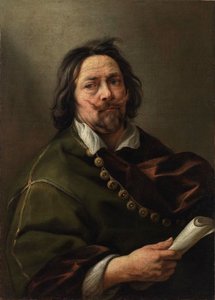
Jacob Jordaens
1593 - 1678 , Bélgica
Datos clave
- Artistas Influenciados: ['Jan Steen']
- Artistas Que Influyeron:
- Jacopo Bassano
- Paolo Veronese
- Caravaggio
- Fecha De Nacimiento: 19 de mayo de 1593
- Lugar De Nacimiento: Amberes, Bélgica
- Movimiento Artístico: Barroco
- Nacionalidad: Belga
- Nombre Completo: Jacob Jordaens
- Obras Notables:
- La adoración de los pastores
- Argos y Mercurio
- El revel de Baco y Sileno
Artículos relacionados

Baroque Classicism: The Grandeur of Order and Drama in 17th-Century Art History
Explore the profound elegance of Baroque Classicism. Discover how 17th-century masters synthesized dramatic emotion with classical order through the lens of the Counter-Reformation and the works of legends like Carlo Maratta and Andrea Sacchi.
Baroque Classicism: Reconciling Drama & Order in 17th-Century Art
Explore the captivating world of Baroque Classicism! Discover its history, key artists like Caravaggio & Rubens, and defining characteristics. Expert insights & high-quality reproductions at OriginalUniqueArt.

The Visceral Stage: Exploring Dramatic Narratives & Emotional Intensity in Baroque Art
Explore the dramatic world of Baroque art! Discover iconic masters like Caravaggio & Rembrandt, their techniques, and the movement's lasting impact. Expert insights for collectors & enthusiasts at OriginalUniqueArt.
Jacob Jordaens: Baroque Dynamism & Genre Innovation of the Antwerp School
Discover Jacob Jordaens, a leading Flemish Baroque painter renowned for his dynamic compositions & realistic genre scenes. Explore his life, art, and lasting influence with OriginalUniqueArt.

Mastering Drama and Light: A Definitive Guide to the Flemish Baroque Art Movement
Explore the dramatic brilliance of the Flemish Baroque movement. Discover how masters like Peter Paul Rubens utilized chiaroscuro and dynamic composition to redefine art history through light, shadow, and unparalleled emotion.