

 Ver en contexto
 Enviar
 Compartir
 Detalles
 Guía
Guía

 Descargar
 Similares
 Radiografía
 Presentación de diapositivas
 Estadísticas
Dublin Evening


 Ver más
La obra de arte que se muestra en esta página está protegida por las leyes de propiedad intelectual, lo que significa que no podemos crear ni vender legalmente una reproducción idéntica. Esta protección se hace cumplir en virtud de acuerdos internacionales como el Convenio de Berna y por las leyes nacionales, incluidas aquellas establecidas por el Ley de derechos de autor de los EE. UU. - Título 17.
Este método cumple plenamente con las normativas de derechos de autor, ya que no implica la copia ni la duplicación de la obra protegida. En su lugar, se trata de una reinterpretación creativa: una nueva pintura influenciada por la original, pero que no es idéntica a ella.
Giclée / Impresión de arte
Impresiones giclée o en lienzo de calidad de museo con producción rápida y opciones de acabado flexibles. ( Comprar pintura hecha a mano Cambiar a imagen digital)




P118B €10

P118H €10

P118W €10

P438Z €10

P508JH €12

P508YH €12

P805H €10

P805Z €10

P919BZ €10

P919G €10

P919XJ €10

P959ZH €10

P968JZ €12

W106C €8

W218G €10

W218JH €8

W218Y €10

W307PJ €10

W316G €10

W316PJ €8

W316Y €10

W398PJ €8

W4111J €10

W500HY €15

W500JH €15

W692G €12

W849H €8

W940BG €15

W953PJ €8




Elija entre nuestros tamaños predefinidos que respetan las proporciones originales de la obra.

Introduzca el ancho y el alto que necesite para adaptarse a su marco o pared. Una impresión solo puede recortarse, nunca hacerse más grande que la imagen original, por lo que un tamaño con una forma distinta perderá parte de la obra. Le enviaremos una maqueta digital para su aprobación antes de realizar cualquier impresión. La imagen que se muestra en esta página no refleja el recorte real; solo la maqueta lo hace.
Envío a todo el mundo () en 2 semanas en lugar de las 4/5 semanas estándar. (27 octubre)

Envío exprés gratuito a todo el mundo

Lienzo de lino de alta calidad

Seguro de envío total

Garantía de reembolso de aranceles aduaneros

Garantía de fidelidad cromática exacta

Política de devolución de 100 días (solo por defectos)

Garantía de devolución del 100% del dinero

Descuento por cantidad
 La opción de vidrio solo está disponible en tamaños inferiores a 110 cm.

Dublin Evening
Giclée / Impresión de arte
Dimensiones de la reproducción
-


Precio total final
€ 70
Dublin Evening: A Portrait of Urban Solitude
Jack Butler Yeats’s “Dublin Evening,” painted in 1946, isn't merely a depiction of a street scene; it’s a poignant meditation on the quiet dignity and inherent loneliness of urban life. This oil painting, housed within the Ashmolean Museum in Oxford, captures a fleeting moment along St. Stephen’s Green, Dublin, rendered with Yeats’s signature blend of evocative realism and expressive abstraction. The work immediately draws the viewer into a scene populated by figures seemingly lost in their own thoughts – a cluster of men seated on benches, engaged in an unspoken ritual of observation. They are not grand heroes or dramatic characters; rather, they represent the everyday citizens of Dublin, quietly existing within the heart of the city.
Yeats’s style during this period is particularly compelling. He moved away from a purely illustrative approach, embracing a more gestural and emotionally charged technique. Notice how the paint itself seems to vibrate with energy – thick impasto strokes build up layers of color, creating a palpable sense of texture and movement. The figures are not sharply defined; instead, they’re suggested through loose brushwork and subtle shifts in tone, lending them an almost spectral quality. This deliberate ambiguity invites speculation about their individual stories and inner lives. The muted palette – dominated by blues, greens, and browns – reinforces the painting's melancholic mood, mirroring the subdued light of a late evening.
A Celtic Visionary: Context and Influences
To fully appreciate “Dublin Evening,” it’s crucial to understand Jack Butler Yeats’s broader artistic context. Born in London but deeply rooted in Irish culture, Yeats spent much of his life navigating the complexities of identity as an Anglo-Irish artist. His childhood experiences in Sligo profoundly shaped his work, imbuing it with a deep connection to the landscape and folklore of Ireland. He was heavily influenced by the Romantic movement, particularly its emphasis on emotion and the sublime beauty of nature – qualities he translated into his depictions of the Irish countryside.
However, Yeats’s artistic journey took an unexpected turn in the 1920s, as he embraced Expressionism. This shift is powerfully evident in “Dublin Evening.” He began to experiment with bolder colors, distorted forms, and a more direct approach to conveying emotion. His work became increasingly concerned with capturing the psychological states of his subjects – their anxieties, hopes, and vulnerabilities. The painting’s quiet intensity reflects this evolving artistic sensibility.
Symbolism and Narrative Resonance
The title itself, “Dublin Evening,” is laden with symbolic weight. It evokes a sense of transition, of twilight and reflection. The men on the benches can be interpreted as representatives of Dublin society – perhaps observing the city’s changing fortunes, contemplating their own place within it, or simply seeking solace in shared silence. The act of sitting together, yet remaining largely apart, speaks to the inherent isolation that can exist even amidst human connection.
There's a subtle nod to James Joyce’s “Ulysses,” which was published just a few years later. The painting shares with the novel a focus on the mundane details of everyday life and a sense of searching for meaning within the ordinary. The figures, like Bloom, are caught in a moment of contemplation, grappling with the complexities of existence. Yeats’s masterful use of light and shadow further enhances this narrative resonance, creating an atmosphere of mystery and intrigue.
A Legacy of Quiet Intensity
“Dublin Evening” stands as one of Jack Butler Yeats's most enduring works – a testament to his ability to capture the essence of human experience with remarkable sensitivity and skill. It’s not a painting that shouts for attention; rather, it invites quiet contemplation and rewards repeated viewing. Its understated beauty and profound emotional depth continue to resonate with audiences today, solidifying Yeats’s place as one of Ireland's most important artists.
Preguntas y respuestas
¿A qué etapa de la trayectoria de Jack Butler Yeats pertenece "Dublin Evening"?
"Dublin Evening" representa el Mature Period de Jack Butler Yeats.
¿Hay obras similares a "Dublin Evening"?
Encuentre obras similares a "Dublin Evening" en la página de Obras similares de esta obra.
¿Cómo se combinan la técnica y el movimiento en "Dublin Evening"?
"Dublin Evening" de Jack Butler Yeats combina la técnica de Oil On Canvas con el estilo Expressionism. La técnica y el movimiento describen la ejecución y el estilo de la obra.
Biografía del artista
Jack Butler Yeats: Una Vida en el Arte y las Letras
- Nacido: Londres, Reino Unido (1871)
- Fallecido: 1957
John Butler Yeats, más conocido como Jack Butler Yeats, se erige como una figura clave en el arte irlandés del siglo XX y un talento único dentro del panorama más amplio del modernismo. No solo fue un pintor celebrado, sino también medallista olímpico, dramaturgo, novelista y ensayista, demostrando una notable amplitud de expresión artística. Su legado está entrelazado con el de su hermano, W.B. Yeats, el renombrado poeta que recibió el Premio Nobel de Literatura en 1923.
Primeros Años y Desarrollo Artístico
- Antecedentes Familiares: Nacido en Londres para el retratista irlandés John Butler Yeats y hermano menor de W. B. Yeats.
- Infancia en Sligo: Pasó sus años formativos en Sligo con sus abuelos maternos, lo que influyó profundamente en sus posteriores representaciones del paisaje irlandés.
- Carrera Temprana como Ilustrador: Inicialmente persiguió una carrera como ilustrador para revistas como Boy's Own Paper y Judy, creando tiras cómicas como "Chubb-Lock Homes" y contribuyendo con artículos bajo el seudónimo “W. Bird” a Punch.
- Matrimonio y Residencia en Wicklow: Se casó con Mary Cottenham en 1894 y residió en el condado de Wicklow, Irlanda, según el censo de 1911.
- Transición al Óleo: Comenzó a trabajar regularmente en óleo alrededor de 1906, pasando más allá de la ilustración hacia un estilo artístico más personal. Sus primeras pinturas al óleo presentaban representaciones sencillas y líricas de paisajes y figuras, a menudo extraídas de sus recuerdos de Sligo.
Estilo Artístico y Temas
- Primer Romanticismo: La obra inicial de Yeats exhibió elementos del romanticismo, caracterizada por representaciones evocadoras del campo irlandés y su gente.
- Giro Expresionista (c. 1920): Alrededor de 1920, su estilo experimentó una transformación significativa, evolucionando hacia un enfoque intensamente expresionista. Este cambio implicó alejarse de la precisión representacional para transmitir emoción y experiencia subjetiva.
- Temas Clave: La obra de Yeats exploró con frecuencia temas de identidad irlandesa, la soledad del individuo, el sufrimiento universal humano y la vitalidad de la vida irlandesa, particularmente escenas que representan caballos, circos y artistas ambulantes.
- Técnica: Sus pinturas posteriores se caracterizaron por un tratamiento vigoroso y experimental de la pintura, a menudo aplicada en capas gruesas. Con frecuencia abandonaba el trabajo con pinceles tradicional, optando por la aplicación directa con varias herramientas para lograr texturas y efectos expresivos. También era evidente su profundo interés en el poder del color en su obra.
Logros Destacados y Reconocimiento
- Medallista Olímpico: Tiene el distintivo de ser el primer medallista irlandés en los Juegos Olímpicos, ganando una medalla de plata en la sección de artes y cultura en los Juegos Olímpicos de Verano de 1924 en París por su pintura "The Liffey Swim" (registrada como “Swimming” en los registros de competición).
- Altos Precios en Subastas: Sus obras han alcanzado precios significativos en subasta, lo que demuestra un reconocimiento cada vez mayor de su mérito artístico. Por ejemplo, "A Fair Day, Mayo" se vendió por €1,000,000 en 2011.
- Membresía de la Royal Hibernian Academy: Fue elegido miembro de la Royal Hibernian Academy en 1916.
- Contribuciones Literarias: Más allá de la pintura, Yeats fue un prolífico escritor, produciendo novelas (incluyendo "The Careless Flower" y "The Amaranthers"), obras de teatro producidas en el Abbey Theatre y ensayos. Su estilo de escritura de flujo de conciencia influyó en escritores como James Joyce.
Legado e Influencia
- El Artista Irlandés Principal: Ampliamente considerado como el artista irlandés más importante del siglo XX.
- Una Voz Artística Única: Permaneció una figura única, negándose a tomar alumnos o permitir que nadie observara su proceso de trabajo.
- Influencia y Comparaciones: Su estilo artístico ha sido comparado con el del pintor austríaco Oskar Kokoschka.
- Aclamación Crítica: Samuel Beckett elogió a Yeats como uno de los "grandes de nuestro tiempo", mientras que John Berger lo alabó como un “gran pintor” con una sensación del futuro.
- Significado Artístico: La obra de Yeats ayudó a articular un Dublín moderno del siglo XX, representando temas específicamente irlandeses a través de una lente de temas universales y expresionismo modernista.
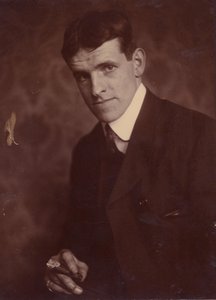
Jack Butler Yeats
1871 - 1957 , Reino Unido
Datos clave
- Artistas Que Influyeron: ['Oskar Kokoschka']
- Fecha De Fallecimiento: 28 de marzo de 1957
- Fecha De Nacimiento: 29 de agosto de 1871
- Lugar De Nacimiento: Londres, Reino Unido
- Movimiento Artístico: Expresionismo, Arte Moderno
- Nacionalidad: Irlandés
- Nombre Completo: Jack Butler Yeats
- Obras Notables:
- El Río (Hace tiempo)
- Un Viejo Leyendo
- La Excusa de la Humanidad
- Aterrizaje de Carga, Mayo
- Darrynane (Al Sol)
Artículos relacionados

Acuarelas Legendarias: 10 Obras Maestras que Transformaron el Arte | OriginalUniqueArt
Descubre 10 acuarelas legendarias de Turner, Monet y Sargent que revolucionaron el arte. Explora la historia, técnica y belleza de estas obras maestras impresionistas y románticas. Reproducciones de museo en OriginalUniqueArt.com.

Ephemeral Visions: Exploring the Artistic Legacy & Contemporary Practice of Watercolor Painting
Explore the captivating world of watercolor painting! Discover its rich history, essential techniques, influential artists & collecting tips. A comprehensive guide for art enthusiasts from OriginalUniqueArt.

Visiones Efímeras: Historia y Resonancia Emocional de la Pintura Acuarela
Descubre la fascinante historia de la acuarela, desde sus orígenes hasta su expresión contemporánea. Explora técnicas, artistas clave como Paul Klee y encuentra reproducciones de alta calidad en OriginalUniqueArt.

Ephemeral Visions: Exploring the Artistic Legacy & Nuances of Watercolor Painting
Explore the captivating world of watercolor painting! Discover its rich history, essential techniques, influential artists & collecting tips from art experts. A comprehensive guide for enthusiasts.

La Fascinación Duradera de la Acuarela: Historia, Técnicas y Práctica Contemporánea
Descubre la fascinante historia y las técnicas de la acuarela. Explora obras maestras, aprende con expertos y encuentra reproducciones o comisiones personalizadas en .