

 Vista previa
 Compartir
 Compartir
 Ver detalles
 Guide
Guide

 Descargar
 Ver artículos similares
 Radiografía
 Presentación de diapositivas
 Estadísticas
Springtime in Italy


 Leer más
Reproducción al óleo hecha a mano
Óleo sobre lienzo pintado a mano en el tamaño y marco de su elección, realizado por encargo por nuestros artistas. ( Cambiar a formato impreso Ver versión en imagen digital)




P118B $10

P118H $10

P118W $10

P438Z $10

P508JH $12

P508YH $12

P805H $10

P805Z $10

P919BZ $10

P919G $10

P919XJ $10

P959ZH $10

P968JZ $12

W106C $8

W218G $10

W218JH $8

W218Y $10

W307PJ $10

W316G $10

W316PJ $8

W316Y $10

W398PJ $8

W4111J $10

W500HY $15

W500JH $15

W692G $12

W849H $8

W940BG $15

W953PJ $8




Elija entre nuestros tamaños predefinidos que respetan las proporciones originales de la obra.

Puede ingresar sus propias dimensiones para adaptarse a un marco o espacio específico. Si el tamaño seleccionado no coincide con las proporciones de la imagen original, recortaremos la obra o extenderemos la pintura con elementos adicionales pintados a mano. Se le enviará una maqueta digital para su aprobación antes de comenzar la producción.
Tenga en cuenta que la vista previa en pantalla no refleja el recorte o la extensión reales. Solo la maqueta mostrará con precisión la composición final.
Si bien existen tamaños personalizados, recomendamos seleccionar una dimensión de la lista predefinida para preservar las proporciones originales.
Tras realizar el pedido, el equipo de OriginalUniqueArt.com enviará un correo electrónico al cliente para solicitar instrucciones y proporcionarle una vista previa del boceto.
Envío a todo el mundo () en 3-4 semanas en lugar de las 5 semanas estándar. (20 septiembre). Sin comprometer la calidad.

Envío exprés gratuito a todo el mundo

Lienzo de lino de alta calidad

Seguro de envío completo

Garantía de reembolso de impuestos aduaneros

Garantía de fidelidad cromática exacta

Política de devolución de 100 días (solo por defectos)

Garantía de devolución del 100% del dinero

Oferta por volumen
 La opción de vidrio solo está disponible en tamaños inferiores a 110 cm.

Springtime in Italy
Técnica de reproducción
Tamaño de la reproducción
-


Precio total
$ 300
A Symphony of Light and Longing: Exploring Isaak Levitan’s “Springtime in Italy”
Isaak Ilyich Levitan's "Springtime in Italy," painted around 1890, isn't merely a landscape; it’s a distilled emotion rendered in oil on canvas. This evocative piece transcends the simple depiction of nature, offering instead a poignant meditation on memory, solitude, and the enduring beauty of the Russian soul—a characteristic deeply rooted in Levitan’s personal experiences. Born into hardship and marked by early loss, Levitan sought solace and expression within the vastness of the natural world, a pursuit that profoundly shaped his artistic vision. “Springtime in Italy” embodies this sensibility, capturing not just the visual splendor of the Italian countryside but also an underlying sense of melancholy and quiet contemplation.
The painting immediately draws the eye with its masterful use of color—a deliberate orchestration of golds, yellows, browns, and greens that evoke the warmth of autumn subtly transitioning into spring. These aren’t vibrant, celebratory hues; rather, they possess a muted intensity, suggesting an overcast day or the fading light of twilight. This atmospheric quality is crucial to the work's emotional impact, lending it a dreamlike, almost melancholic atmosphere. Levitan employs a loose, impressionistic brushstroke—a hallmark of his style—allowing the paint to flow and blend, creating a sense of movement and airiness that captures the ephemeral nature of springtime itself. The lines are predominantly organic, mirroring the contours of the landscape rather than adhering to strict geometric precision, further enhancing the painting’s naturalistic feel.
Impressionism's Embrace: Technique and Composition
Levitan’s technique is characterized by a layered approach—thin washes of paint built up to create depth and volume. This method allows light to penetrate through the layers, resulting in a luminous effect that imbues the scene with an ethereal quality. Notice how he skillfully renders texture – from the dense foliage of the foreground to the rugged peaks of the distant mountains – not through meticulous detail but by varying the pressure and direction of his brushstrokes. The flattened perspective, typical of Impressionism, prioritizes the overall impression over strict realism, inviting the viewer to lose themselves in the scene’s atmosphere rather than dissecting its precise details.
The composition is carefully balanced, guiding the eye through a series of receding planes. The foreground bursts with vibrant wildflowers—a riot of yellow and orange against the verdant grasses – symbolizing renewal and life. Moving towards the middle ground, rolling hills are draped in a mix of browns and golds, while the background culminates in the majestic, snow-capped mountains, which stand as silent witnesses to the passage of time. These peaks evoke a sense of grandeur and permanence, providing a powerful counterpoint to the fleeting beauty of the springtime landscape.
Symbolism and Emotional Resonance
Beyond its purely aesthetic qualities, “Springtime in Italy” is rich in symbolic meaning. The mountains, with their snow-capped peaks, represent not just physical grandeur but also enduring strength and resilience—qualities that resonate deeply within the context of Levitan’s personal life. The wildflowers, scattered throughout the foreground, are emblems of hope, growth, and rebirth, subtly hinting at the artist's own yearning for renewal after experiencing profound loss. The overall mood is one of quiet contemplation and wistful longing – a feeling perhaps born from Levitan’s experiences as a Jewish man in Tsarist Russia, seeking solace and freedom within the vastness of nature.
This reproduction captures the essence of Levitan's masterpiece, allowing you to experience the painting's beauty and emotional depth firsthand. Whether adorning your living room wall or serving as a focal point in a serene interior space, “Springtime in Italy” will undoubtedly evoke a sense of tranquility and inspire reflection on the enduring power of nature’s beauty.
Biografía del artista
Isaak Ilyich Levitan: Una Vida en el Paisaje
Isaak Ilyich Levitan (1860-1900) fue un renombrado pintor de paisajes ruso que se convirtió en una figura clave en el desarrollo de los paisajes basados en el estado de ánimo. Su obra capturó la esencia del campo ruso, imbuida de encanto lírico y profundidad emocional.
Primeros Años y Educación
- Nació el 30 de agosto de 1860 en Kibarty (actualmente Lituania), en una familia judía que luego se mudó a Moscú.
- Demostró talento artístico desde temprana edad, recibiendo lecciones privadas antes de estudiar arte formalmente.
- En 1873, ingresó a la Escuela de Pintura, Escultura y Arquitectura de Moscú, donde estudió bajo artistas influyentes como Alexei Savrasov, Vasily Perov y Vasily Polenov.
- La influencia de Savrasov fue particularmente significativa, fomentando el amor de Levitan por representar los matices sutiles de la naturaleza rusa.
Desarrollo Artístico y Estilo
- Levitan se distinguió rápidamente por su capacidad para transmitir atmósfera y emoción a través de la pintura de paisajes.
- Pionero del género del "paisaje con ánimo", trascendiendo la mera representación topográfica para expresar sentimientos humanos y conexiones espirituales con la naturaleza.
- Su paleta era a menudo apagada, centrándose en colores naturalistas y elementos poéticos en lugar de tonos vibrantes.
- Si bien su trabajo posterior mostró familiaridad con el Impresionismo, mantuvo una sensibilidad rusamente única.
Obras Principales y Logros
- Algunas de sus obras más celebradas incluyen: Día de otoño. Sokolniki (1879), El camino de Vladimirka (1892) y Descanso eterno (1894). Estas pinturas se exhiben prominentemente en la Galería Tretyakov.
- Otras obras notables incluyen “Inundación de primavera”, “Día tormentoso”, “Campanas vespertinas” y “Claustro silencioso”.
- En 1897, Levitan fue elegido para la Academia Imperial de las Artes, un testimonio de su creciente reconocimiento.
- Se convirtió en jefe del estudio de paisajes en su alma mater en 1898, nutriendo a la próxima generación de pintores de paisajes rusos.
Influencias y Colaboraciones
- Levitan estuvo profundamente influenciado por las obras de Alexei Savrasov, cuyos paisajes melancólicos resonaron con su propia visión artística.
- Colaboró con otros artistas como Konstantin Korovin, Mikhail Nesterov y Nikolai Chekhov.
- Contribuyó con ilustraciones a la revista “Moscú” y diseñó escenografía para la Ópera Rusa privada de Savva Mamontov.
Significado Histórico y Legado
- El trabajo de Levitan jugó un papel crucial en la configuración del desarrollo de la pintura de paisajes rusa.
- Elevó el género más allá de una simple representación, imbuyéndolo de profundidad emocional y resonancia espiritual.
- Sus pinturas continúan evocando un fuerte sentido de identidad nacional y aprecio por la belleza del campo ruso.
- En 1941, sus restos fueron trasladados al Cementerio de Novodévichi en Moscú, donde está enterrado junto a su cercano amigo, Anton Chekhov, simbolizando su parentesco artístico.
El legado de Levitan perdura como maestro de la pintura de paisajes atmosféricos e intérprete profundo del alma rusa.

Isaak Ilyich Levitan
1860 - 1900 , Rusia
Datos clave
- Artistas Que Influyeron:
- Alexei Savrasov
- Vasily Perov
- Vasily Polenov
- Fecha De Nacimiento: 30 de agosto de 1860
- Lugar De Nacimiento: Kibarty, Lituania
- Movimiento Artístico: Pintura de paisaje, Paisaje emotivo
- Nacionalidad: Ruso
- Nombre Completo: Isaak Ilyich Levitan
- Obras Notables:
- Día de otoño. Sokolniki
- El camino de Vladimirka
- Descanso eterno
- Inundación de primavera
- Día tormentoso
Artículos relacionados

Paisajes Románticos: 10 Obras Maestras que Definieron un Movimiento Artístico
Descubre los 10 paisajes románticos más influyentes de artistas como Caspar David Friedrich y Turner. Explora la belleza, el simbolismo y las técnicas del movimiento romántico. Reproducciones de arte exclusivas en OriginalUniqueArt.com.

Los 10 Maestros del Paisaje Impresionista: Obras que Cambiaron la Historia del Arte
Descubre los 10 lienzos impresionistas que revolucionaron el arte. Explora la historia de Monet, Van Gogh y Renoir, sus técnicas y colores vibrantes. Encuentra reproducciones de alta calidad para decorar tu hogar en OriginalUniqueArt.com

Los 10 Maestros del Paisaje Impresionista: Obras que Cambiaron la Historia del Arte
Descubre los 10 lienzos impresionistas que revolucionaron el arte. Monet, Renoir y más… Explora la historia, técnica y belleza de cada obra maestra. Encuentra reproducciones de alta calidad para tu hogar en OriginalUniqueArt.com.

Evocations of Place: A Historical Journey Through Landscape Art
Explore the rich history of landscape art with OriginalUniqueArt. Discover renowned artists, movements like Impressionism & Romanticism, and expert guidance for collecting timeless pieces. Find your perfect serene escape today!
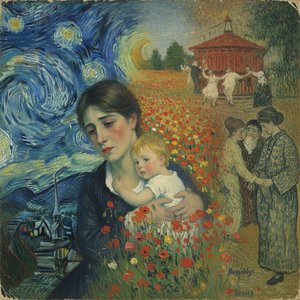
Capturing the Soul: The Most Emotionally Moving Impressionist and Post-Impressionist Masterpieces
Discover the profound emotional depth of Impressionist and Post-Impressionist masterpieces. Explore how legends like Monet, Van Gogh, and Gauguin captured light and soul through evocative landscapes and vibrant brushwork for a timeless connection to art history.


