 Ver en contexto
 Enviar
 Compartir
 Detalles
 Guía
Guía

 Descargar
 Similares
 Radiografía
 Presentación de diapositivas
 Preguntas y respuestas
 Estadísticas
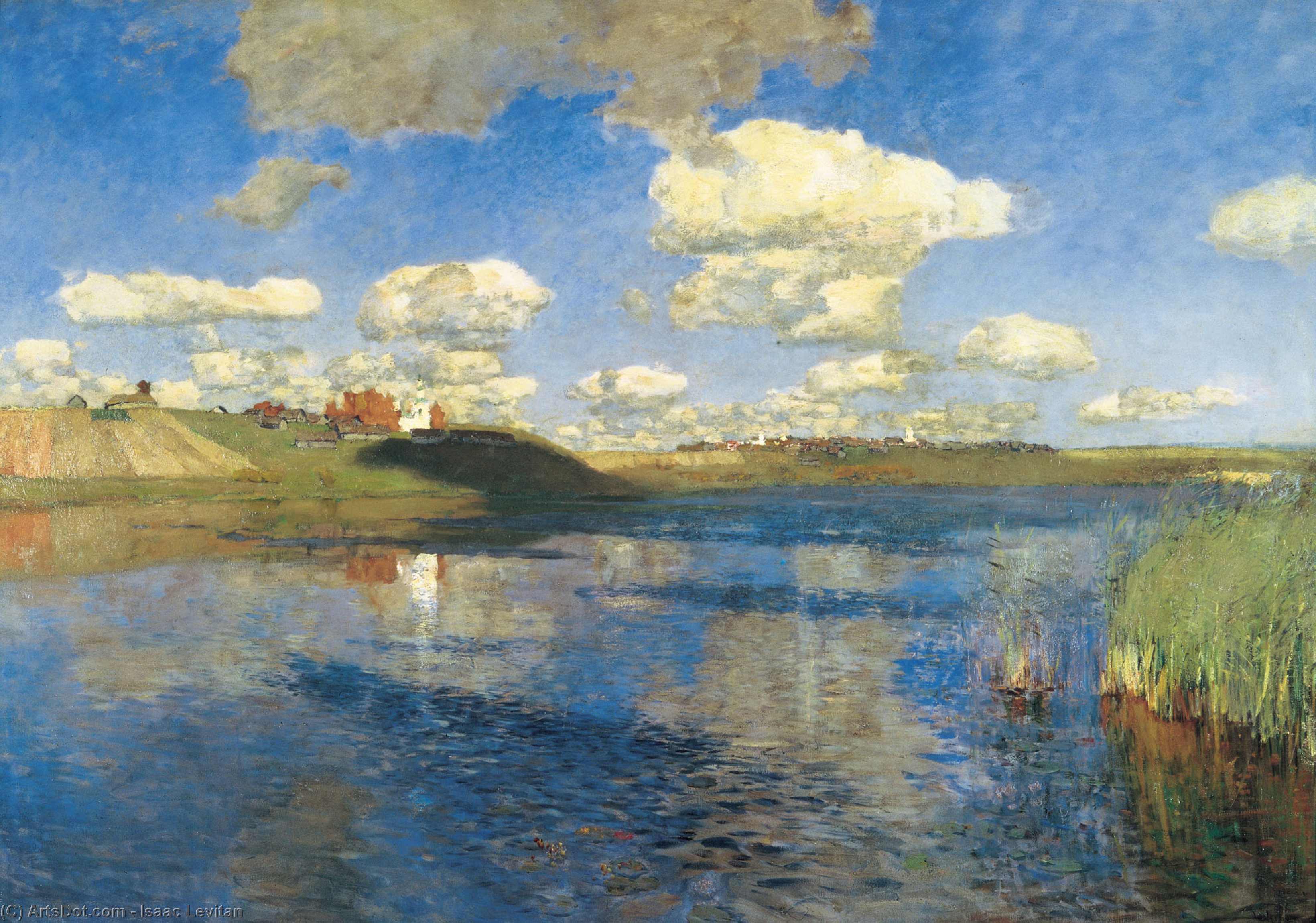
Lago. Rus.

- 149.0 x 208.0 cm


 Ver más
Giclée / Impresión de arte
Impresiones giclée o en lienzo de calidad de museo con producción rápida y opciones de acabado flexibles. ( Comprar pintura hecha a mano Cambiar a imagen digital)




P118B €10

P118H €10

P118W €10

P438Z €10

P508JH €12

P508YH €12

P805H €10

P805Z €10

P919BZ €10

P919G €10

P919XJ €10

P959ZH €10

P968JZ €12

W106C €8

W218G €10

W218JH €8

W218Y €10

W307PJ €10

W316G €10

W316PJ €8

W316Y €10

W398PJ €8

W4111J €10

W500HY €15

W500JH €15

W692G €12

W849H €8

W940BG €15

W953PJ €8




Elija entre nuestros tamaños predefinidos que respetan las proporciones originales de la obra.

Introduzca el ancho y el alto que necesite para adaptarse a su marco o pared. Una impresión solo puede recortarse, nunca hacerse más grande que la imagen original, por lo que un tamaño con una forma distinta perderá parte de la obra. Le enviaremos una maqueta digital para su aprobación antes de realizar cualquier impresión. La imagen que se muestra en esta página no refleja el recorte real; solo la maqueta lo hace.
Envío a todo el mundo () en 2 semanas en lugar de las 4/5 semanas estándar. (3 noviembre)

Envío exprés gratuito a todo el mundo

Lienzo de lino de alta calidad

Seguro de envío total

Garantía de reembolso de aranceles aduaneros

Garantía de fidelidad cromática exacta

Política de devolución de 100 días (solo por defectos)

Garantía de devolución del 100% del dinero

Descuento por cantidad
 La opción de vidrio solo está disponible en tamaños inferiores a 110 cm.

Lago. Rus.
Giclée / Impresión de arte
Dimensiones de la reproducción
-


Precio total final
€ 72
The Luminous Breath of the Russian Landscape
To stand before this depiction of "Lake" is to be enveloped by the very atmosphere of early twentieth-century Russia—a place where nature’s grandeur met the quiet persistence of human life. This painting, executed around 1900, captures a river scene under a vast, mutable sky. It is not merely a record of water and reeds; it is an immersion into a moment of profound, diffused light. The artist has masterfully translated the ephemeral quality of natural illumination onto canvas, inviting the viewer to breathe in the cool, damp air that seems perpetually suspended over the water’s surface.
An Impressionist Vision of Light and Water
The style employed here is a quintessential example of Impressionism, yet filtered through the unique sensibility of Isaak Ilyich Levitan. Observe how the artist eschews sharp outlines for the poetry of broken color. The composition unfolds in horizontal bands—the shimmering water mirroring the heavens above, the distant, softly defined shoreline punctuated by man-made structures, and the foreground anchored by whispering reeds. These elements do not compete; rather, they merge into a unified visual symphony. The technique relies on visible, loose brushstrokes, allowing the texture of the oil paint itself to contribute to the painting's palpable energy. It is through these short, broken strokes that Levitan achieves a sense of movement, making the water appear less like a solid body and more like captured light.
Echoes of Place and Poetic Longing
Understanding the context of Levitan’s life adds layers to this visual experience. Working during a period of immense social and personal upheaval in Russia, his art often carried an undercurrent of deep melancholy mixed with enduring hope. This landscape becomes a sanctuary—a place where the soul can find solace away from the complexities of urban existence or historical constraint. The interplay between the wild natural elements and the distant signs of civilization speaks to a universal human condition: our yearning for both untamed beauty and the comfort of community. It is a meditation on coexistence.
Symbolism of Serenity and Depth
The emotional resonance of this piece is one of profound tranquility. The blues and yellows, dominant in their variations across the canvas, do more than just describe color; they evoke feeling—the cool calm of deep water meeting the warm glow of reflected sunlight. Symbolically, the river itself has always represented the flow of time and life’s journey. Here, that journey is rendered gentle, cyclical, and deeply beautiful. For collectors and designers alike, this artwork offers more than mere decoration; it promises an infusion of serene contemplation into any space it graces.
A Masterclass in Technique for Reproduction
The materials—oil paints on canvas—are handled with a delicate touch that suggests layering thin washes to build luminosity. While the original possesses the unique patina of age, reproductions capturing this work must honor its technical brilliance. The goal is always to replicate not just the image, but the feeling of the artist’s hand at work: the visible texture, the atmospheric depth achieved through perspective, and that signature luminous quality that makes one feel as if the light itself has been trapped forever on the canvas.
Preguntas y respuestas
¿Dónde puedo comprar reproducciones pintadas a mano de "Lago. Rus." de Isaak Ilyich Levitan?
"Lago. Rus." está disponible como una reproducción al óleo pintada a mano sobre lienzo de lino. Puede realizar su pedido en la página de Reproducción al óleo pintada a mano, con una variedad de tamaños disponibles.
¿Es "Lago. Rus." de Isaak Ilyich Levitan de dominio público?
En cuanto a los derechos de autor, "Lago. Rus." es en el dominio público: sus derechos de autor han expirado.
¿Dónde puedo comprar una imagen digital de "Lago. Rus." de Isaak Ilyich Levitan?
Puede adquirir una imagen digital de "Lago. Rus." de Isaak Ilyich Levitan en su página de Imagen digital de alta resolución: descarga de una imagen digital en alta resolución.
Biografía del artista
Isaak Ilyich Levitan: Una Vida en el Paisaje
Isaak Ilyich Levitan (1860-1900) fue un renombrado pintor de paisajes ruso que se convirtió en una figura clave en el desarrollo de los paisajes basados en el estado de ánimo. Su obra capturó la esencia del campo ruso, imbuida de encanto lírico y profundidad emocional.
Primeros Años y Educación
- Nació el 30 de agosto de 1860 en Kibarty (actualmente Lituania), en una familia judía que luego se mudó a Moscú.
- Demostró talento artístico desde temprana edad, recibiendo lecciones privadas antes de estudiar arte formalmente.
- En 1873, ingresó a la Escuela de Pintura, Escultura y Arquitectura de Moscú, donde estudió bajo artistas influyentes como Alexei Savrasov, Vasily Perov y Vasily Polenov.
- La influencia de Savrasov fue particularmente significativa, fomentando el amor de Levitan por representar los matices sutiles de la naturaleza rusa.
Desarrollo Artístico y Estilo
- Levitan se distinguió rápidamente por su capacidad para transmitir atmósfera y emoción a través de la pintura de paisajes.
- Pionero del género del "paisaje con ánimo", trascendiendo la mera representación topográfica para expresar sentimientos humanos y conexiones espirituales con la naturaleza.
- Su paleta era a menudo apagada, centrándose en colores naturalistas y elementos poéticos en lugar de tonos vibrantes.
- Si bien su trabajo posterior mostró familiaridad con el Impresionismo, mantuvo una sensibilidad rusamente única.
Obras Principales y Logros
- Algunas de sus obras más celebradas incluyen: Día de otoño. Sokolniki (1879), El camino de Vladimirka (1892) y Descanso eterno (1894). Estas pinturas se exhiben prominentemente en la Galería Tretyakov.
- Otras obras notables incluyen “Inundación de primavera”, “Día tormentoso”, “Campanas vespertinas” y “Claustro silencioso”.
- En 1897, Levitan fue elegido para la Academia Imperial de las Artes, un testimonio de su creciente reconocimiento.
- Se convirtió en jefe del estudio de paisajes en su alma mater en 1898, nutriendo a la próxima generación de pintores de paisajes rusos.
Influencias y Colaboraciones
- Levitan estuvo profundamente influenciado por las obras de Alexei Savrasov, cuyos paisajes melancólicos resonaron con su propia visión artística.
- Colaboró con otros artistas como Konstantin Korovin, Mikhail Nesterov y Nikolai Chekhov.
- Contribuyó con ilustraciones a la revista “Moscú” y diseñó escenografía para la Ópera Rusa privada de Savva Mamontov.
Significado Histórico y Legado
- El trabajo de Levitan jugó un papel crucial en la configuración del desarrollo de la pintura de paisajes rusa.
- Elevó el género más allá de una simple representación, imbuyéndolo de profundidad emocional y resonancia espiritual.
- Sus pinturas continúan evocando un fuerte sentido de identidad nacional y aprecio por la belleza del campo ruso.
- En 1941, sus restos fueron trasladados al Cementerio de Novodévichi en Moscú, donde está enterrado junto a su cercano amigo, Anton Chekhov, simbolizando su parentesco artístico.
El legado de Levitan perdura como maestro de la pintura de paisajes atmosféricos e intérprete profundo del alma rusa.

Isaak Ilyich Levitan
1860 - 1900 , Rusia
Datos clave
- Artistas Que Influyeron:
- Alexei Savrasov
- Vasily Perov
- Vasily Polenov
- Fecha De Nacimiento: 30 de agosto de 1860
- Lugar De Nacimiento: Kibarty, Lituania
- Movimiento Artístico: Pintura de paisaje, Paisaje emotivo
- Nacionalidad: Ruso
- Nombre Completo: Isaak Ilyich Levitan
- Obras Notables:
- Día de otoño. Sokolniki
- El camino de Vladimirka
- Descanso eterno
- Inundación de primavera
- Día tormentoso
Artículos relacionados

Evocations of Place: A Historical Journey Through Landscape Art
Explore the rich history of landscape art with OriginalUniqueArt. Discover renowned artists, movements like Impressionism & Romanticism, and expert guidance for collecting timeless pieces. Find your perfect serene escape today!

Evocations of Place: A Historical Journey Through Landscape Art
Explore the rich history of landscape art with OriginalUniqueArt. Discover renowned artists, movements like Impressionism & tonalism, and expert guidance for collecting timeless pieces. Find your perfect serene escape today!

Maestría y Forma: Las 25 Mejores Obras de Paul Cézanne
Explora las 25 obras maestras de Paul Cézanne y su legado postimpresionista. ¡Descubre toda la colección en OriginalUniqueArt.com!

Los 10 Maestros del Paisaje Impresionista: Obras que Cambiaron la Historia del Arte
Descubre los 10 lienzos impresionistas que revolucionaron el arte. Monet, Renoir y más… Explora la historia, técnica y belleza de cada obra maestra. Encuentra reproducciones de alta calidad para tu hogar en OriginalUniqueArt.com.
Vasily Polenov: A Pioneer of Landscape Impressionism & Russian National Identity
Explore the captivating landscapes of Vasily Polenov, a pivotal figure in Russian art history. Discover his lyrical realism, biblical series & influence on Impressionism. Learn about the 'Knight of Beauty' and his enduring legacy.


